For decades, hormone information has mostly come in snapshots. You get a test, look at the value, and hope it represents what's happening across a changing cycle. Clair Health wants to offer a different picture: one built from wearable signals over time.
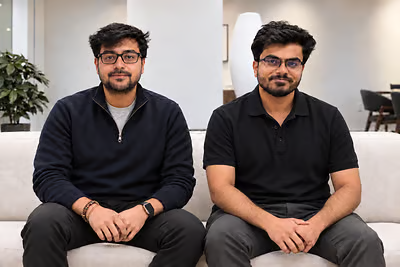
Jenny Duan, Clair Health's co-founder and CEO, had a Stage 9 appearance at Web Summit Lisbon on November 12, 2026. The company's June 2026 $11.6 million seed round had already drawn attention to its ambition in continuous hormone monitoring. What remains less certain is how the technology performs outside the company narrative.
What is Clair Health building?
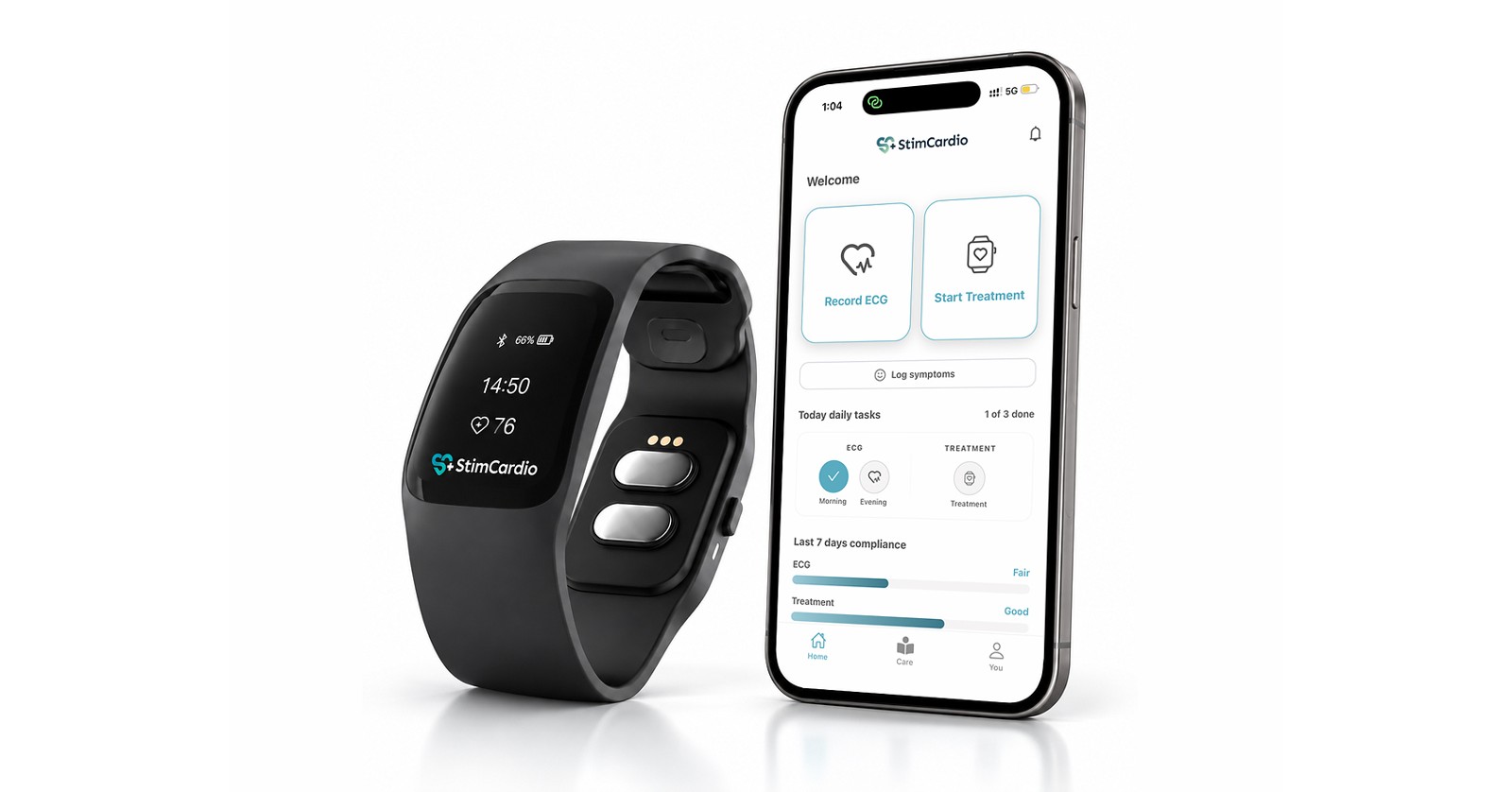
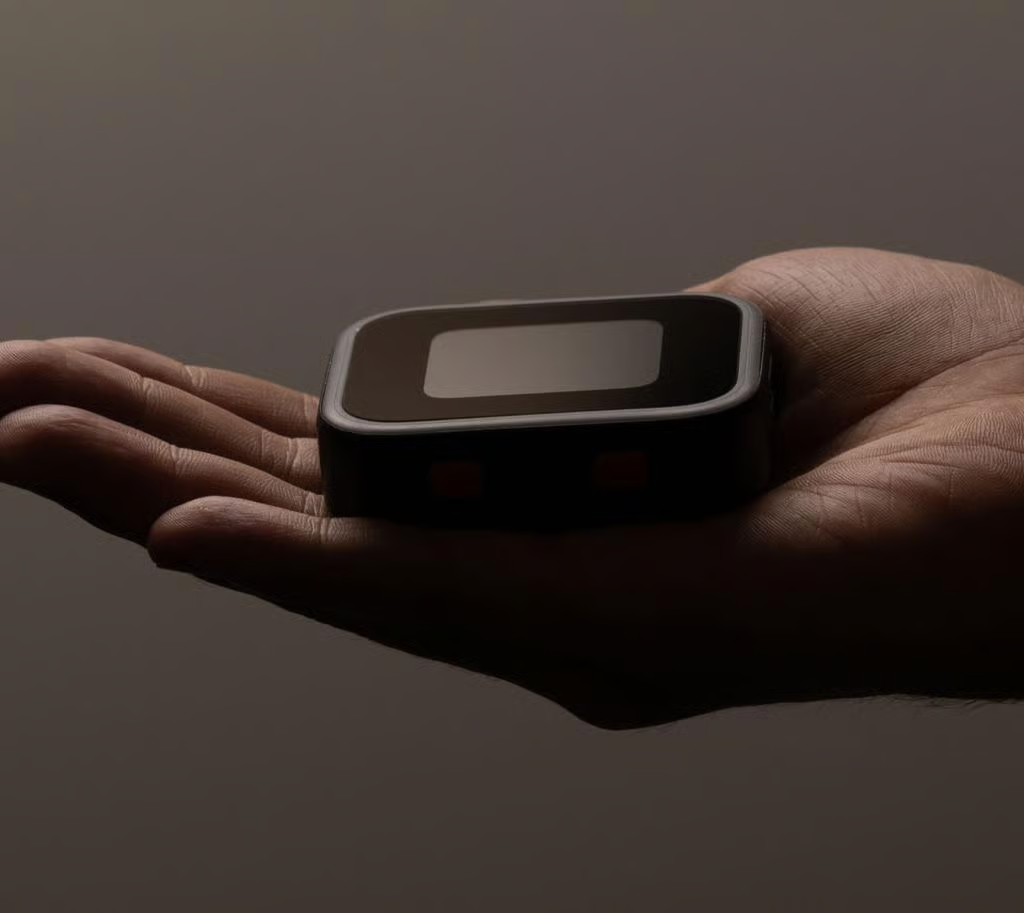
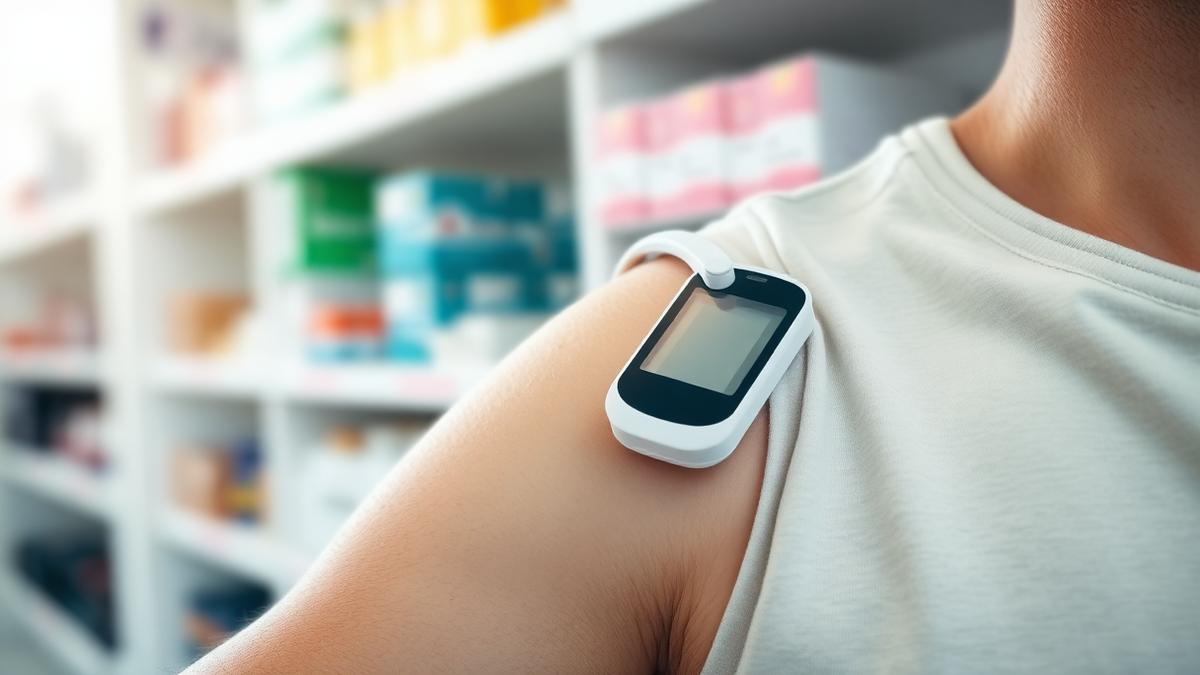
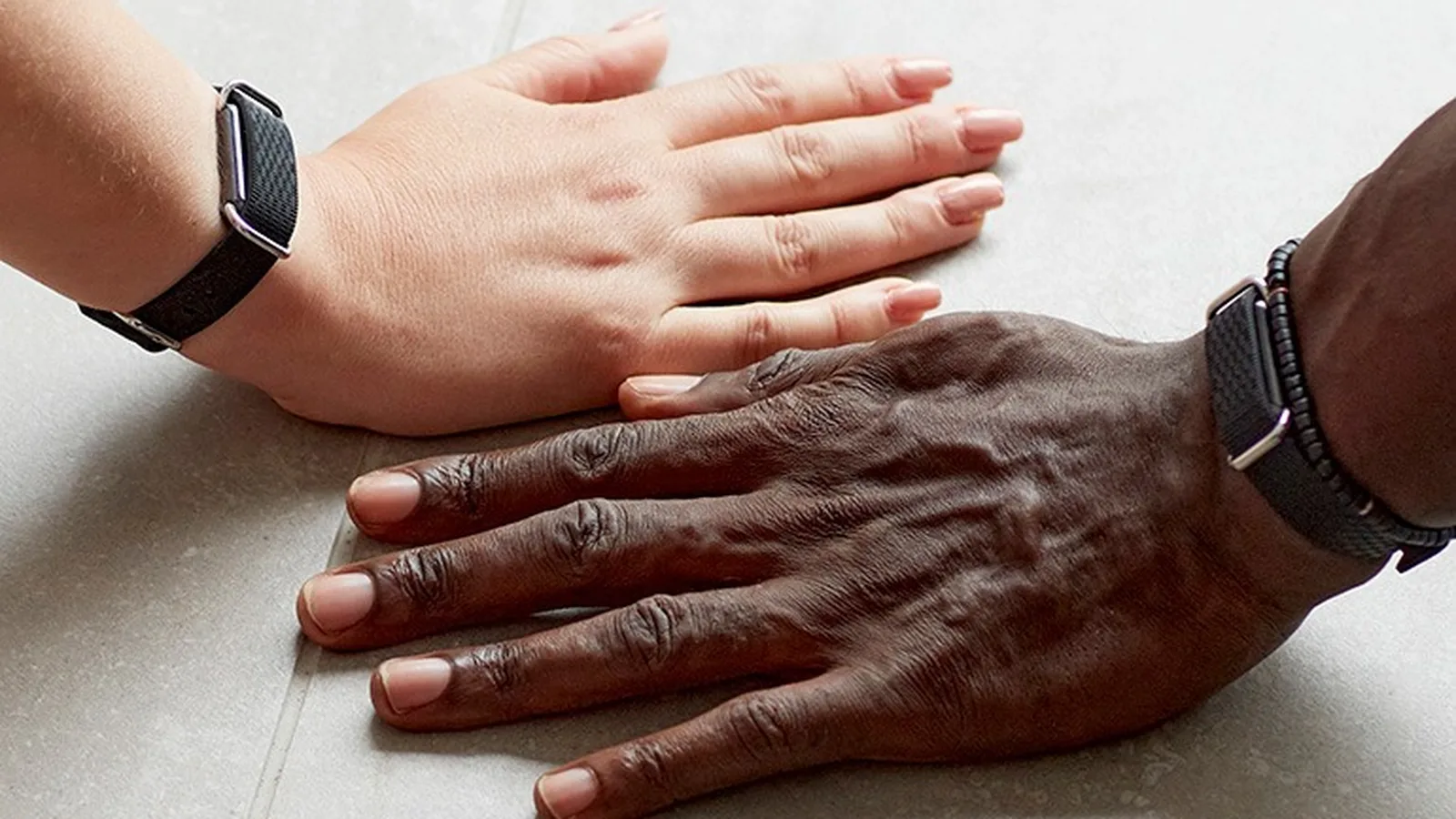
Clair describes a wrist-worn device that uses multiple biosensors and software models to infer hormonal-cycle information. The objective is to give users a continuous perspective rather than relying solely on isolated tests or self-reported symptoms.
This is a genuinely interesting problem. Many hormones change during the day and across the menstrual cycle. A single laboratory measurement can be informative, but timing and clinical context matter. More frequent signals may help users recognise patterns, provided the model's estimates correspond meaningfully to the biology it claims to represent.
A wearable sensor that measures a proxy signal is not automatically measuring a hormone directly. The difference between a direct assay and an inferred state must be clear to users.
Funding and the planned wellness launch
On June 17, 2026, several US technology and business publications reported an $11.6 million seed round led by Khosla Ventures, with other investors participating. Reporting at the time described a planned wellness-market launch, an expected price of $369 and a $9.99 monthly subscription, as well as a longer-term ambition to pursue FDA clearance.
The June reporting set out a planned wellness-market launch, pricing and a longer-term ambition to pursue FDA clearance. Those plans describe the intended commercial and regulatory path rather than a completed rollout.
Clair reports a 94% cycle-phase performance figure. Interpreting it requires the endpoint, reference method, study population and evaluation design, particularly before applying it to a clinical decision.
Why clinical validation matters even for wellness
A wearable might be marketed for wellness while its users rely on it when thinking about fertility, symptoms or medication conversations. That creates a practical responsibility even when an application avoids formal diagnostic claims.
Users need to know what the device has actually been tested to predict, how often it is wrong, and whether performance changes across age, skin tone, cycle irregularity or relevant conditions. An appealing chart is not a substitute for those answers.
There is also a commercial question. A recurring subscription only makes sense if users get information they can act on, rather than another stream of numbers requiring interpretation.

Why Clair Health drew attention in Lisbon
Clair's wearable proposition addresses demand for more continuous insight into hormonal patterns. Measurement quality and clear intended use will determine how that proposition translates into a useful product.
Why hormones are harder to monitor than a fitness metric
A wrist device can record movement frequently and offer continuous estimates of some physiological signals. Hormones are different. Their levels change over time, and their interpretation depends on which hormone is measured, when the sample is taken, how accurate the measurement is and what the person is trying to understand.
An attractive product concept is not enough to answer those questions. A claim of continuous monitoring needs a clear explanation of what is being measured directly and what is inferred by an algorithm. A model that estimates a hormonal state from another signal may still be useful, but an estimate and a measured hormone concentration are not the same thing.
That distinction is particularly important for products addressing menstrual health and fertility. People may make consequential decisions based on a predicted fertile window or an apparent hormonal change. If the product is intended only for personal awareness, its interface and marketing should make that boundary visible. If it makes a clinical or diagnostic claim, a different evidentiary conversation follows.
Clair Health's ambitions fit within this wider challenge. The company has attracted attention through its June 2026 seed announcement and its proposed hormone-monitoring wearable. But a successful fundraising announcement is evidence of investor interest, not evidence that a device has completed validation or reached broad commercial availability.
What does a 94% figure actually mean?
Public reporting flags a company-reported 94% cycle-phase figure. A percentage like that can appear persuasive in a headline, but there is no responsible way to judge it without understanding what was tested. Were different phases compared against a clinically relevant reference? Was the assessment retrospective or prospective? Did the same participants contribute data to both development and evaluation? What happened with irregular cycles or missing measurements?
Average performance can also disguise important differences between users. A system might perform well for a narrow group and less reliably for people whose patterns differ from those in the development sample. That matters when a product is promoted for an audience much broader than the group in which it was studied.
There is an additional point about categorisation. A system may report that it correctly identified a phase, but phase labels themselves depend on the definitions and measurements used. A reader needs to know whether the result represents agreement with another estimate, laboratory confirmation or a different standard. Without that information, the number should remain clearly attributed to the company.
Product development includes distinct milestones: building a prototype, making a device available and evaluating a clinical application. Each addresses a different question about readiness and use.

What would a real-world study need to include?
The most convincing study would begin with a precise use case. Is the wearable meant to help people understand cycle patterns, guide conversations with clinicians, support research or provide information for a particular medical decision? Once that question is clear, researchers can choose an appropriate reference method and determine what level of error is acceptable.
The evaluation should look at reliability during ordinary use. Devices are worn differently. Skin and movement conditions vary. Sensors encounter interruptions and noise. Users may stop wearing the device for stretches of time. A technology can work impressively under controlled conditions and still struggle with real daily behaviour.
A responsible study would also show how results are communicated. When the system is uncertain, does it say so? Does it distinguish an estimate from a measurement? Can people understand why it has changed a prediction? The user interface is part of the intervention because people act on what they believe the device has told them.
Clinical validation would need to match any eventual clinical claim. Evidence for one task cannot simply be stretched to support every future use. A wearable that offers useful cycle awareness might still require entirely different evaluation before being presented as a diagnostic device.
Why a major seed round changes the commercial question
Clair Health's reported $11.6 million seed round in June 2026 is an important commercial milestone. It suggests investors see a potentially substantial market for the company's approach. But capital introduces expectations. The company now faces questions about product readiness, repeatability, manufacturing, distribution and whether customers will keep using the technology after the initial interest fades.
A wearable business is different from launching a software-only application. Hardware needs to be built, delivered, supported and, eventually, replaced. Reliability issues can affect both confidence and cost. If a device depends on ongoing software interpretation, customers also need to understand whether essential features require subscriptions and how support will work over time.
The commercial model also matters for equitable access. A technology designed to address an information gap in women's health may not reach the people with the greatest unmet need if it is priced only for premium early adopters. That does not make a higher-end launch strategy wrong; it simply means the market and the public-health promise should not be confused.
The promise of connected hormone insights
For a hormone-monitoring wearable, measurement quality, hardware readiness and clearly defined claims are linked. The device needs to distinguish directly collected signals from model-generated estimates and explain the conditions in which those estimates are reliable.
Clair's story is interesting precisely because the ambition is large and the evidence questions are demanding. In women's health, technological novelty is not a substitute for measurement quality. If the company can demonstrate both, it would have something more durable than an exciting launch narrative.