THE HEALTHTECH DAILY SIGNAL
Read time: 4 min, curated by Dr. Dereck Mush, MD, MBA
Good morning, HealthTech insiders. Today, I am watching the defensive Moat War play out in real time. For months, third party ambient AI scribes have dominated the headlines, but the incumbent platform giants are finally firing back with native, deeply integrated clinical workflows of their own.
This shifts the entire battlefield. The immediate implication is clear: standalone point solutions must evolve beyond simple dictation, while hardware players are proving that regulatory endurance is the only moat that actually matters when scaling clinical tools.
IN TODAY'S SIGNAL
- Oracle makes its Clinical AI Agent generally available, shaving 4.8 minutes off clinical encounters.
- iRhythm secures FDA 510k clearance for its design-modified Zio ECG system to bolster continuous monitoring.
- Butterfly Network launches its semiconductor-powered iQ3 handheld ultrasound in the European market.
- Venture capital continues to flow into AI driven workflow orchestration, targeting administrative overhead.
CLINICAL AI 1. Oracle releases native Clinical AI Agent to bypass third party scribes

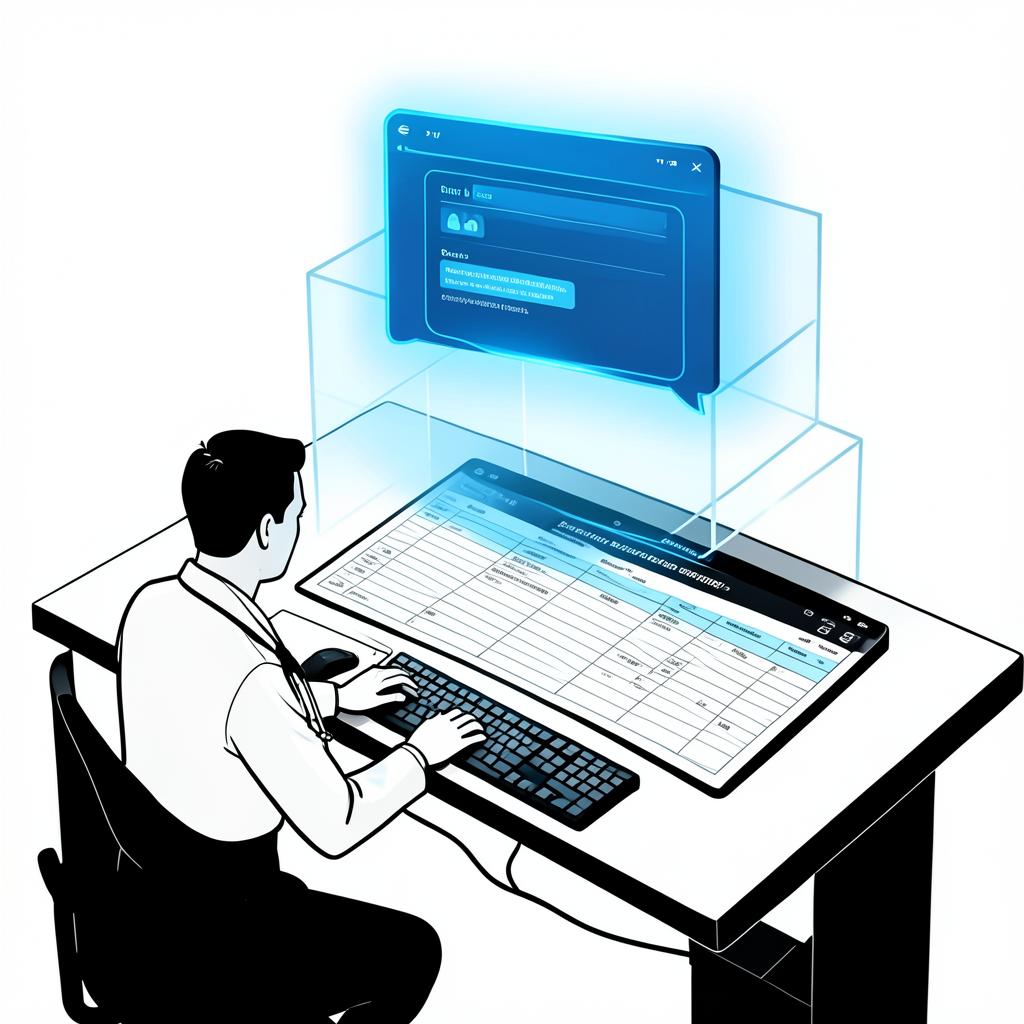
Oracle releases native Clinical AI Agent to bypass third party scribes. Editorial photograph by the Signal desk.
Oracle launched the general availability of its Oracle Health Clinical AI Agent. The native voice assistant integrates directly with the EHR to draft clinical notes and automate documentation.
The details.
- Automates clinical note generation during patient exams without requiring manual dictation
- Saves clinicians an average of 4.8 minutes per patient encounter according to early performance metrics
- Runs natively inside the Oracle Health EHR ecosystem to reduce API lag and security hurdles
The signal. Standing up a third party ambient AI scribe is relatively easy, but maintaining it across disparate EHR instances is a different beast. Oracle is leveraging its distribution power to keep clinical workflows native. If you are a standalone ambient AI startup, this means your window to sell simple documentation features is rapidly closing.
MEDICAL DEVICES 2. iRhythm gains FDA clearance for updated Zio ECG system design

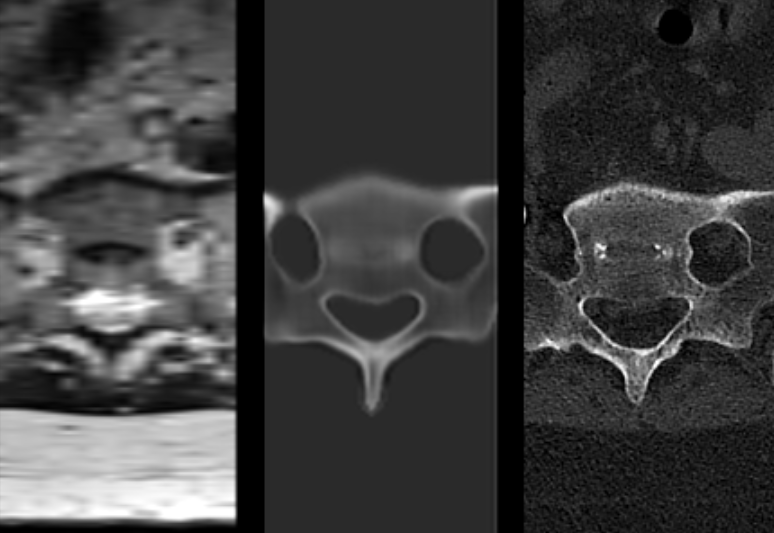
iRhythm gains FDA clearance for updated Zio ECG system design. Editorial photograph by the Signal desk.
iRhythm Technologies secured FDA 510k clearance for its design-modified Zio monitor and updated patch. The update refines the hardware design to support continuous cardiac monitoring at scale.
The details.
- Modifies the internal architecture and patch design of the flagship Zio wearable
- Enables continuous cardiac monitoring for up to fourteen days in ambulatory patients
- Improves manufacturing efficiency and device reliability across the entire production line
The signal. Hardware iteration in medical devices is slow and expensive, but it remains the gold standard for clinical validation. This clearance shows that product design updates are primarily regulatory exercises. Companies that master these regulatory iterations can defend their market share against cheaper consumer wearables.
DIAGNOSTICS 3. Butterfly Network launches its iQ3 handheld ultrasound in Europe
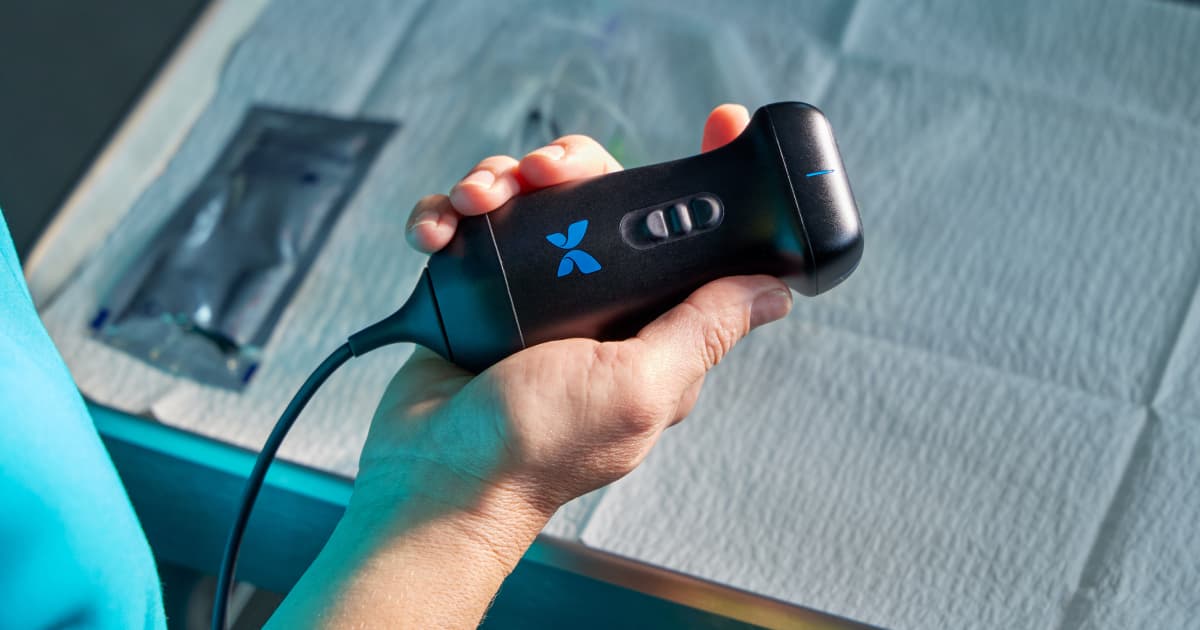
Butterfly Network launches its iQ3 handheld ultrasound in Europe. Picture supplied by Butterfly Network.
Butterfly Network introduced its third-generation handheld ultrasound device, Butterfly iQ3, to the European market. The system utilizes semiconductor technology to deliver high-resolution clinical imaging at the point of care.
The details.
- Leverages proprietary silicon-based technology to replace traditional piezoelectric crystals
- Launches with advanced automated tools for rapid bladder and lung assessments
- Expands commercial availability across multiple European countries following CE Mark approval
The signal. Point of care ultrasound is moving beyond the emergency department and into primary care. By scaling its silicon-based architecture to Europe, Butterfly is pressure testing the economics of pocket sized diagnostics. The real win here is clinical utility; cheaper hardware means more clinicians can make real-time decisions at the bedside.
FOLLOW THE MONEY
- The deals. Healwell AI closed its acquisition of BioPharma Services for twelve million dollars.
- The pattern. Strategic acquirers are targeting specialized services that bridge clinical data collection with pharmaceutical development.
THE CLINICIAN'S SIGNAL
- On Oracle Clinical AI Agent. Having ambient clinical documentation live natively in the EHR removes the friction of switching apps. But clinicians must still audit every output carefully to ensure the AI did not hallucinate a negative finding.
- On iRhythm Zio Clearance. The updated patch design promises better skin adhesion and fewer skin reactions. This should reduce the rate of premature patch removals and improve diagnostic yield.
- On Butterfly iQ3 Europe. Pocket-sized ultrasound devices make rapid bedside triage highly accessible. However, clinicians need structured training to ensure they do not over-interpret artifact errors as pathology.
TRENDING HEALTHCARE AI TOOLS
- Oracle Health AI Scribe. Directly integrated ambient transcription that outputs clinical notes directly into Cerner templates.
- Zio ECG Analysis Software. Deep learning algorithm that detects cardiac arrhythmias from continuous ambulatory ECG streams.
- Butterfly iQ3 Imaging Suite. Silicon-based ultrasound interface featuring automated AI guided volume and lung assessments.
TRENDING HEALTHTECH STARTUPS
- SmarterDx. Led by Michael Gao. Using clinical AI to audit electronic health records and recover missed hospital revenue.
- Suki AI. Led by Punit Soni. Developing voice-based clinical assistants that integrate across Epic, Oracle, and Athenahealth.
- Abridge. Led by Shivdev Rao. Building generative AI tools to translate clinical conversations into structured medical notes.
HIGHLIGHTS
THE INSIDER READ
I spent my morning talking to a CIO at a major health system, and her stance on ambient AI is shifting. She told me she is tired of managing dozens of individual vendor agreements and API keys. The future belongs to whichever company can deliver clinical intelligence without requiring a separate login. The native platforms are waking up, and the standalone vendors have a very short runway to prove they are more than just a feature.
Before you go, was today's Signal worth your time? Will native EHR clinical AI agents replace standalone ambient scribing startups by next year?

 Dr. Dereck Mush, MD, MBA