Key Signals
- At "Surgical Robotics: Who Wins the Next Generation?" on 13 November, the panel agreed that a robot only pays off when it is used often, by a trained team, inside a planned service.
- Kashif Ikram of MicroPort compared surgical robots to industrial equipment: expensive assets that need steady utilisation to justify their cost.
- Microsure CEO Alex Joseph argued for specialised robots built around one unmet need, such as microsurgery on tiny vessels and nerves, rather than another general-purpose platform.
- Laparo's Karolina Lipińska-Kowalkow said training has not kept up with the number of platforms, and made the case for vendor-neutral simulation.
- Joseph cited estimates of about three robots per million people in Europe against 18 in the US. The figures were presented as an illustration, not as verified market data.
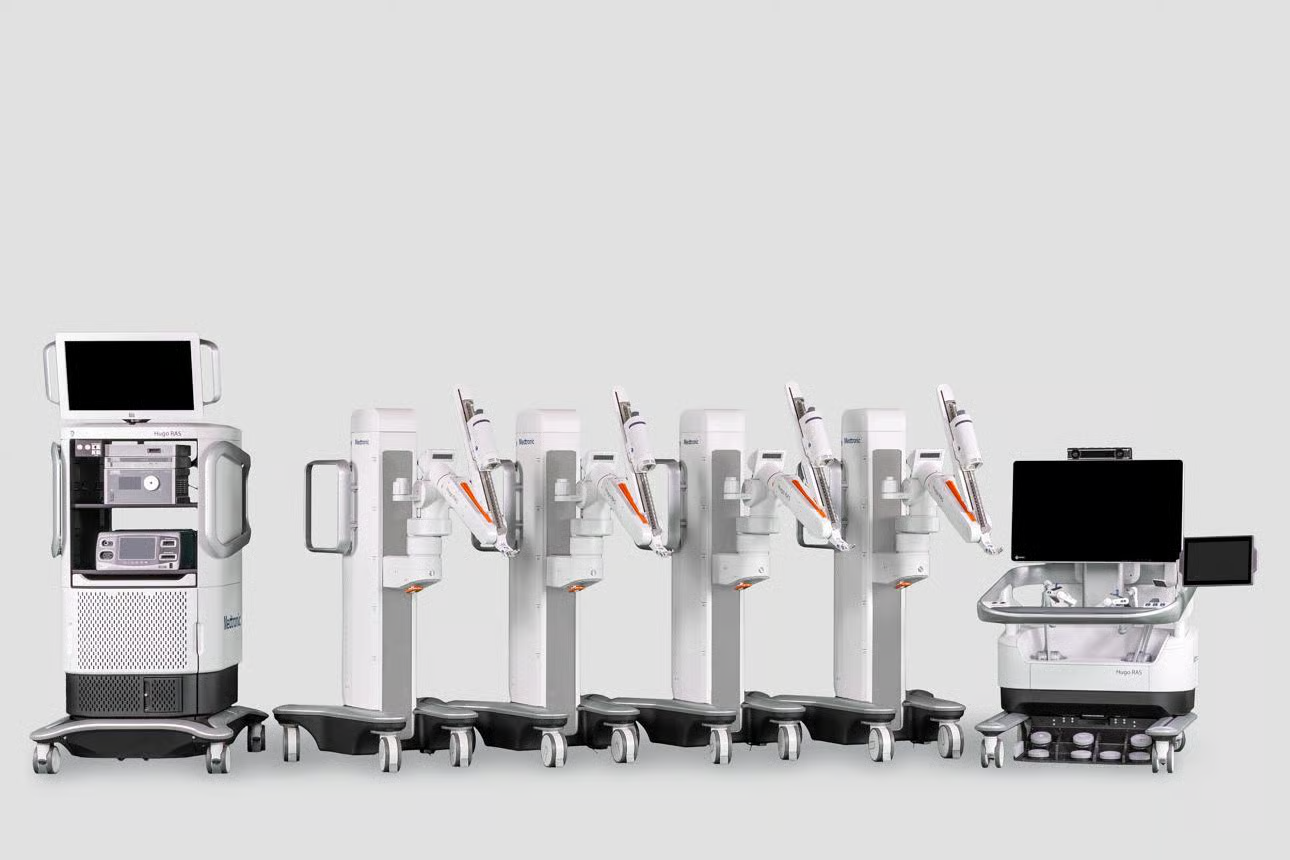
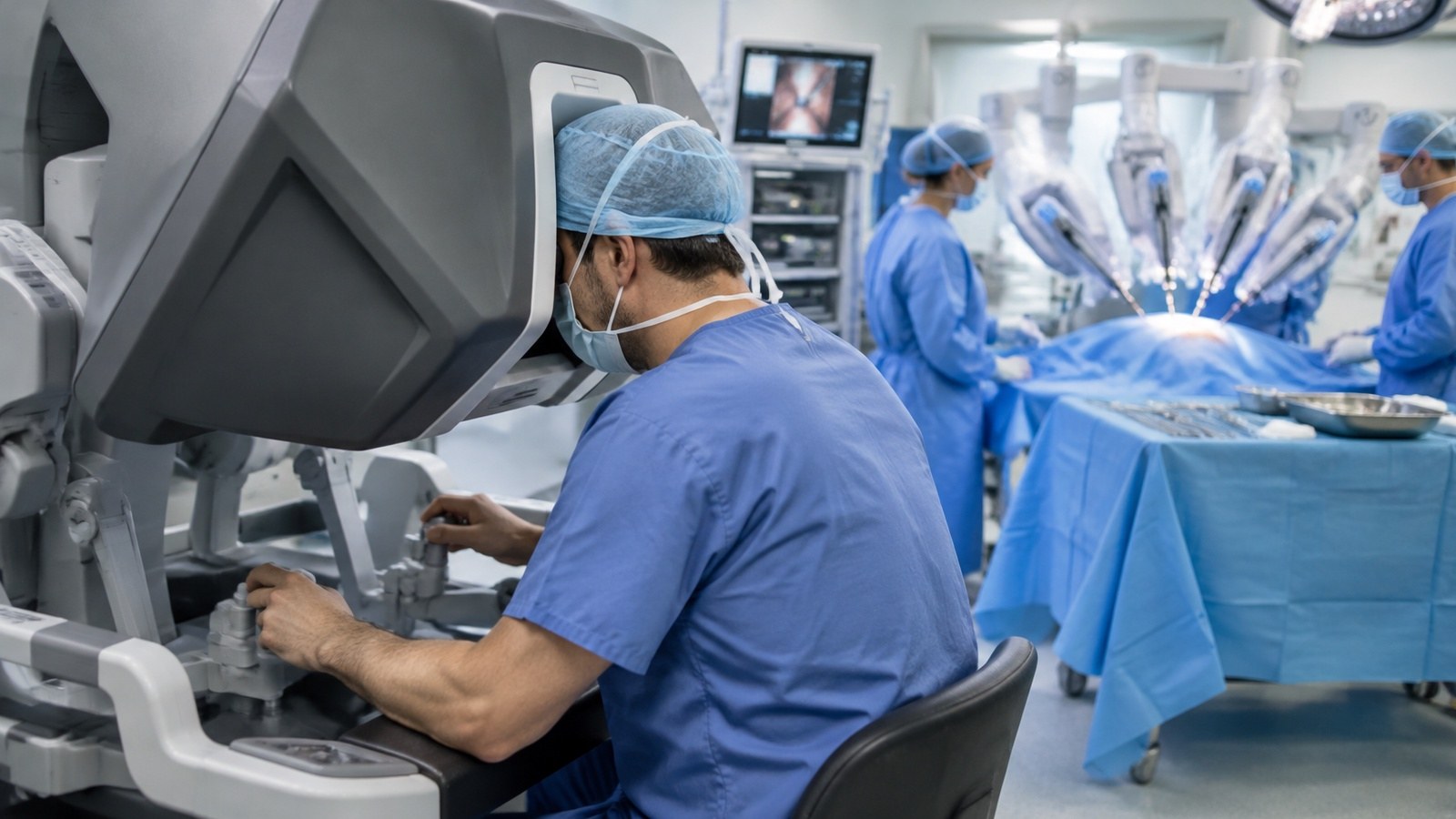
Surgical robotics was one of the big themes of the week at MedTech World Europe 2026 in Valletta, and the session "Surgical Robotics: Who Wins the Next Generation?" on the Sacra Infermeria Stage got straight to the uncomfortable part. New platforms keep arriving. European hospitals still struggle to make the economics work.
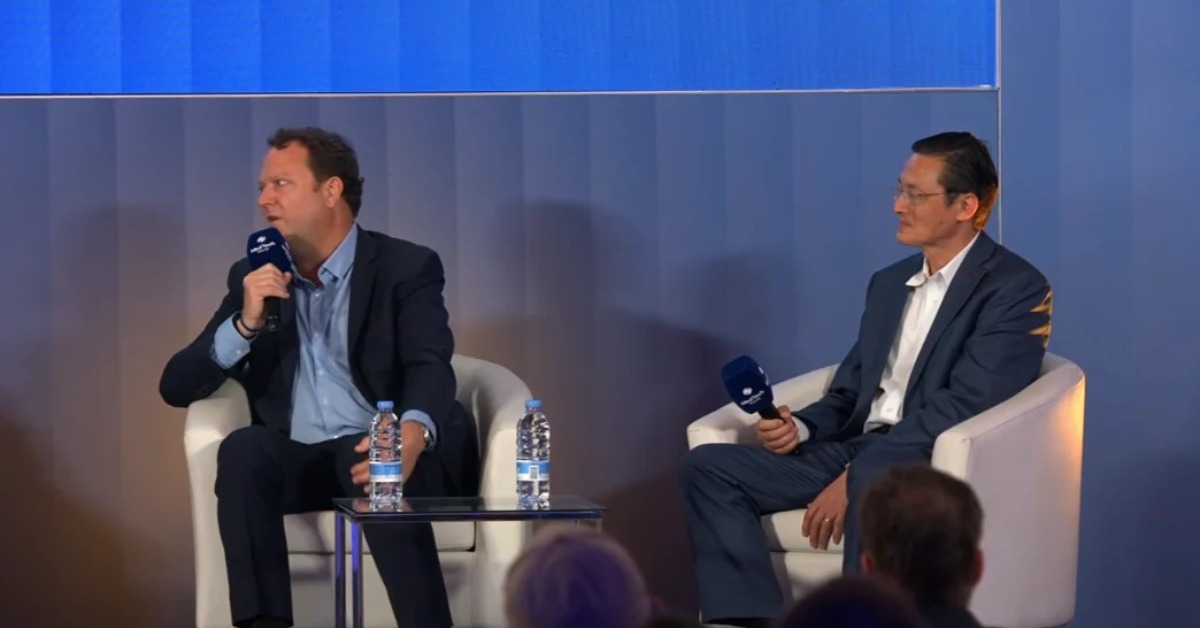
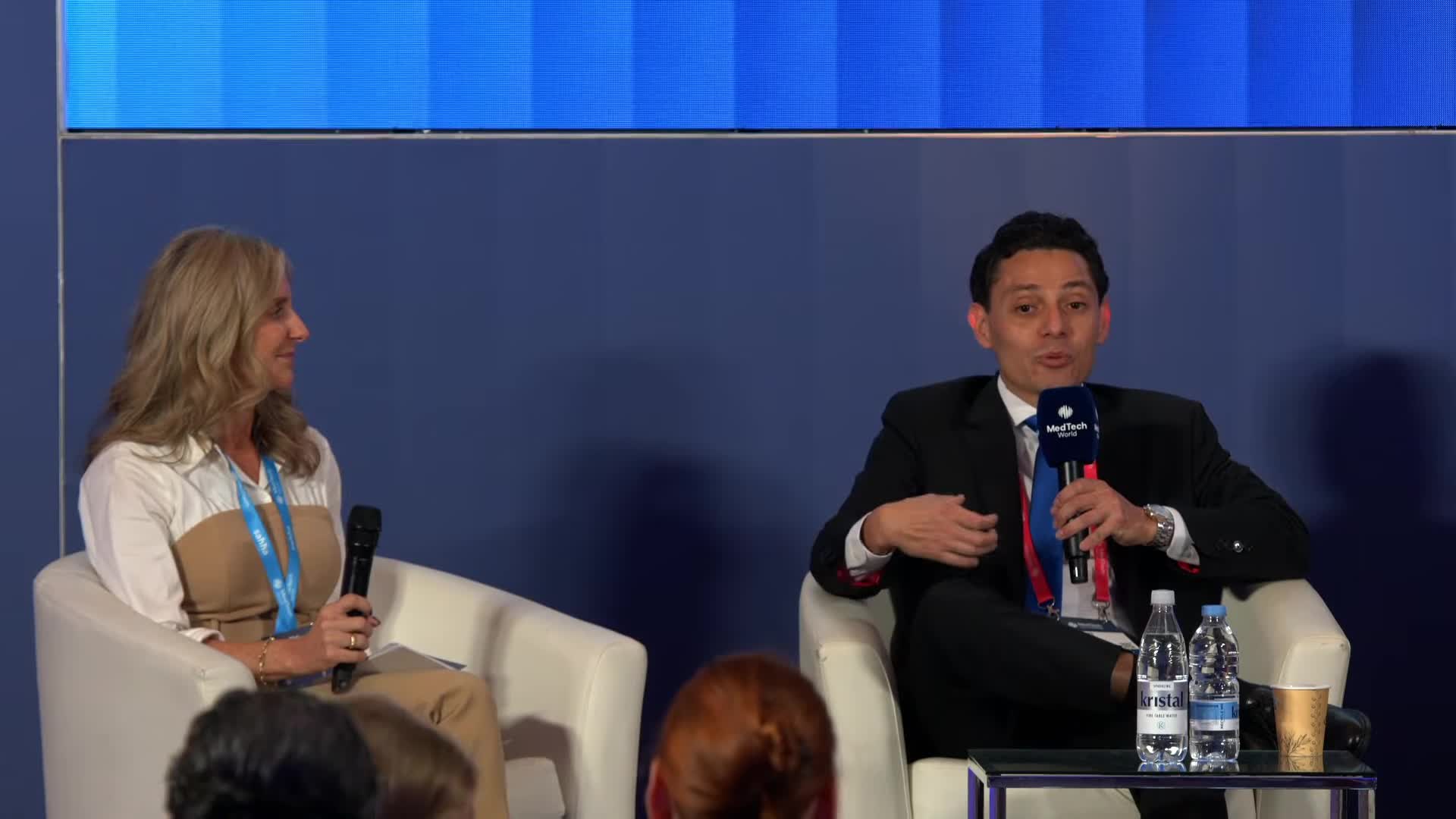
The panel was moderated by Steve Bell, an independent adviser on MedTech startups and medical robotics. This stage was not livestreamed, so this report is based on MedTech World's published account of the session and the speakers' public profiles.
| Speaker | Role |
|---|---|
| Kashif Ikram | First Vice President, Total Solutions Surgical Robotics, Europe, MicroPort Scientific Corporation |
| Alex Joseph | CEO, Microsure |
| Bernhard Nussbaumer | Managing Director and Co-Owner, ACMIT GmbH |
| Dr. Karolina Lipińska-Kowalkow | Business Development Director, Laparo Medical Simulators |
| Steve Bell (moderator) | Independent adviser, MedTech startups and medical robotics |
A robot that sits idle is a cost
Ikram started with money. The purchase price is only the first cost. A hospital also pays to run the programme: maintenance, staff training, theatre scheduling and the clinical resources built around the machine. A robot used only occasionally will struggle to show economic value, which is why he compared it to industrial equipment that needs consistent use to justify the investment.
Nussbaumer agreed that utilisation and return on investment drive adoption, and he made a useful point for procurement teams. A more expensive platform can still make commercial sense if the hospital achieves enough volume and efficiency, while a cheaper one can become hard to justify if it is rarely used. Joseph added the clinical side: surgeons and theatre teams build proficiency by doing cases. Without regular use, the benefits of robotic assistance are harder to realise.
The case for specialised robots
Joseph argued that innovation should start with a specific unmet clinical need, not with the goal of building another surgical robot. Microsure works on microsurgery, where surgeons operate on very small blood vessels, lymphatic vessels and nerves. Those procedures demand extreme precision and long training, and their requirements differ from conventional soft-tissue robotic surgery in instrument design and in how the surgeon interacts with the system.
He described a future ecosystem of specialised robotic capabilities rather than one platform for every procedure. Nussbaumer backed the idea and called for more open technical interfaces, so hospitals can combine technologies from different vendors.
Nussbaumer also offered two routes to wider adoption in Europe. The first is simpler systems that fit existing workflows without heavy training or organisational change. The second is specialist centres organised around particular procedures, where volumes, training and infrastructure can be planned around one service.
Training has not kept up
Lipińska-Kowalkow said there is a gap between how fast robots are being sold and how fast structured training programmes appear. As hospitals buy from different manufacturers, surgeons face unfamiliar consoles, instruments and techniques, which is especially hard for those moving from laparoscopy to robotic surgery.
Her answer was to combine transferable skills, such as hand coordination and instrument control, with platform-specific training, and to make more use of vendor-neutral simulation. She also made a point every hospital finance team should hear: time spent learning a new platform is time clinicians are not treating patients, so efficient training is part of the business case.
Ikram drew a line on responsibility. Manufacturers should teach clinicians how to operate their systems. Hospitals remain responsible for making sure surgeons have the clinical skills to perform the procedure safely. Joseph referred to ongoing ISO work on modularity and interface recommendations for surgical robots, since inconsistent controls can confuse surgeons who move between systems. The panel accepted that full uniformity is unrealistic, because surgeons have strong preferences.
Telesurgery and autonomy, with brakes on
Ikram was the most optimistic about telesurgery. In his view it could eventually let patients reach specialist expertise without travelling to another country. The panel listed what stands in the way: reliable communications, clinical support at the patient's location, credentialing, insurance and regulatory responsibility across borders.
On autonomy, Joseph and Nussbaumer were cautious. For microsurgery, Joseph's priority is making procedures more available to patients and clinicians, and automation does not solve that first problem. Nussbaumer said autonomy should arrive where it solves a specific problem with the right balance of clinical risk and commercial value. The panel separated research demonstrations of robots performing selected tasks from broad clinical readiness.
Where Europe stands
| Topic | Panel view |
|---|---|
| Adoption gap | About 3 robots per million people in Europe versus 18 in the US, cited by Joseph as an estimate |
| Main barrier | Hospital economics and utilisation, more than technology |
| Product strategy | Specialised systems for defined needs, open interfaces |
| Training | Shared foundations plus platform-specific skills, vendor-neutral simulation |
| Telesurgery | Promising, blocked by infrastructure, credentialing and insurance |
| Autonomy | Introduce where it solves a specific problem, not as a goal in itself |
My take
This was the most grounded robotics conversation of the week. A robot does not improve care by being in the building. It improves care when the same team uses it often enough to get good, on patients who benefit from it, at a cost the hospital can carry. That is also why specialised systems make sense to me. Microsurgery and other niche procedures have problems that a general-purpose platform does not solve well, and a focused device can build its evidence faster.
The gap between Europe and the US is real, but closing it with more machines alone would repeat the utilisation problem the panel described. Europe needs better evidence of patient benefit per procedure type, shared training standards and business models that reward volume and outcomes.