
Read alongside Peloton's CTO on Personal, Connected Fitness.
Francis Shanahan, the Chief Technology Officer of Peloton, has a problem many runners will recognize. He loves running outdoors and recording his routes on his fitness watch. But sometimes the weather has other plans.
What if he could take a route he'd already run outside and recreate it on his Peloton treadmill, with the incline automatically adjusting to match the hills? That question helped inspire ReRuns, a Peloton feature that allows members to recreate outdoor running routes indoors using GPS and elevation data.
It's one of several innovations Shanahan discussed during an exclusive interview with The HealthTech Signal at Web Summit 2026 in Lisbon. And it illustrates something interesting about Peloton's approach to technology. Rather than starting with the latest AI breakthrough and looking for somewhere to use it, the company begins with the experience it wants to create.
"Our goal is never to use AI or to lead with a specific technology," Shanahan explained. "We work from the experience that we want to build."
That approach is central to Shanahan's role. When Peloton created its Chief Technology Officer position in June 2025, it placed him in charge of engineering, customer-facing AI innovation, and the technical architecture supporting the company's products. It was a significant appointment for someone who had led Peloton's software engineering efforts since joining the company in 2021.
Today, Peloton is combining AI, wearable technology, and personalized training to make exercise more adaptable to individual needs. And some of the most interesting changes are happening behind the scenes.
Members are experimenting with ChatGPT to better understand their workout histories. AI-assisted coding is opening up new possibilities for Peloton's software teams. And treadmill usage data is revealing something interesting about how people use its equipment: many are choosing to walk rather than run.
Together, these developments offer a closer look at Peloton's next chapter, where the opportunity extends beyond selling exercise equipment to helping people build healthier, more consistent routines.
From Connected Fitness to Personalized Fitness
Peloton built its reputation by combining premium exercise equipment with instructor-led classes, software, and community features that made home workouts feel like a shared experience. Its bikes and treadmills connected members to live and on-demand sessions, while leaderboards and instructors provided motivation beyond the equipment itself.
But serving a large and diverse membership creates a challenge: not everyone needs the same workout. Someone training for a marathon may want demanding sessions and detailed performance feedback, while someone returning to exercise after a long break may benefit more from walking, stretching, or lighter activities. Even the same person's needs can change from one day to the next.
This is where Peloton sees an opportunity for AI. Rather than offering every member the same training experience, the company is developing technology that can use individual workout histories, performance data, and other available information to provide more relevant guidance.
"Fitness and health are almost like a luxury in some ways, because they're something you can't buy," Shanahan said. "You have to work toward them, and you have to be consistent to achieve them."
Consistency is a particularly important challenge for fitness companies to address. Motivation changes, work and family responsibilities compete for time, and physical capabilities fluctuate. A training plan that works perfectly on Monday may be unrealistic by Thursday. Peloton's challenge is to make its platform flexible enough to accommodate those changes without losing the structure and motivation that help people maintain a routine.
Peloton IQ, the company's AI-powered fitness intelligence platform, is central to that effort. Introduced in October 2025, it uses available workout information to provide personalized recommendations, insights, and training guidance.
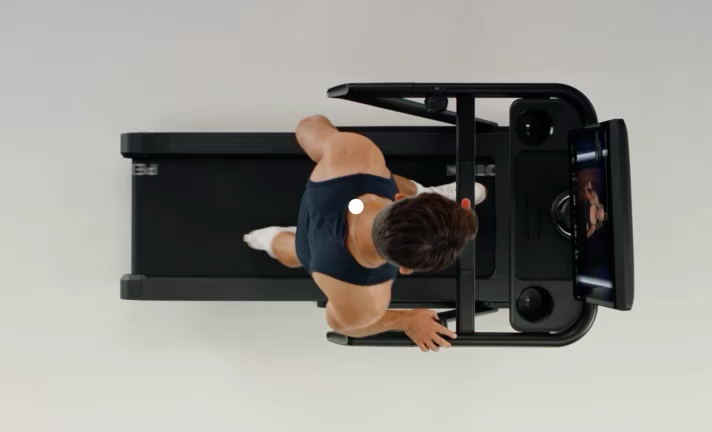
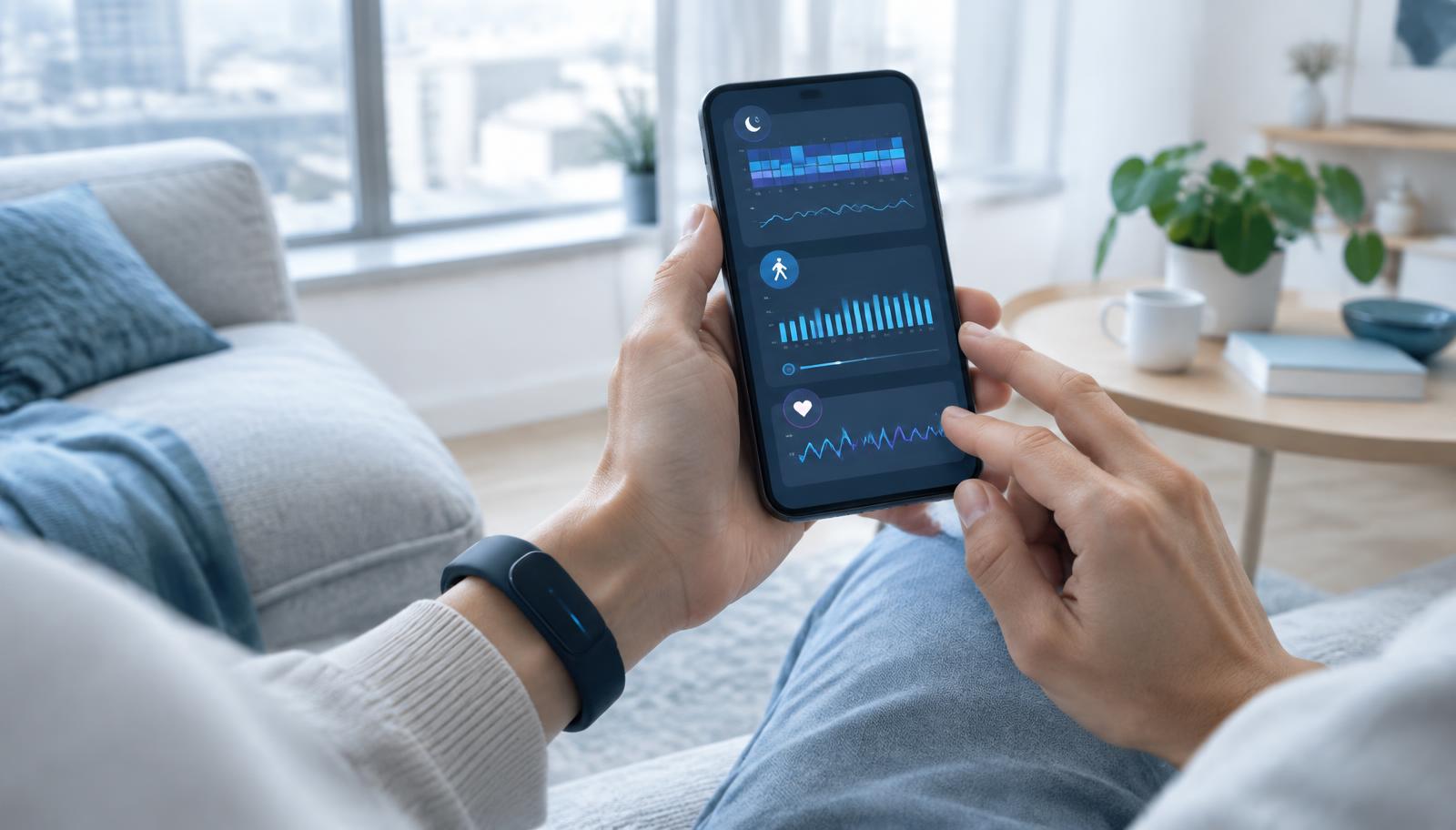
The company has also expanded connections with wearable and fitness technology ecosystems, including Apple Health, Garmin Connect, Fitbit, and WHOOP. These integrations allow members to connect more of their physical activity across platforms, although the information shared and functionality available vary by service and user permissions.
For example, Peloton's integration with WHOOP, launched in September 2026, supports two-way activity synchronization between the platforms. According to WHOOP's integration documentation, members can bring WHOOP-recorded activities into their Peloton history, while completed Peloton workouts flow into WHOOP with class details and supported performance metrics.
The aim is to help members make more informed decisions about their training, whether their activities happen on Peloton equipment, outdoors, or elsewhere.
In September 2026, Peloton introduced three new treadmill models: the foldable Tread Flex, Tread Vision, and Tread+ Vision. The launch also expanded Peloton IQ's capabilities for runners, walkers, and hikers.
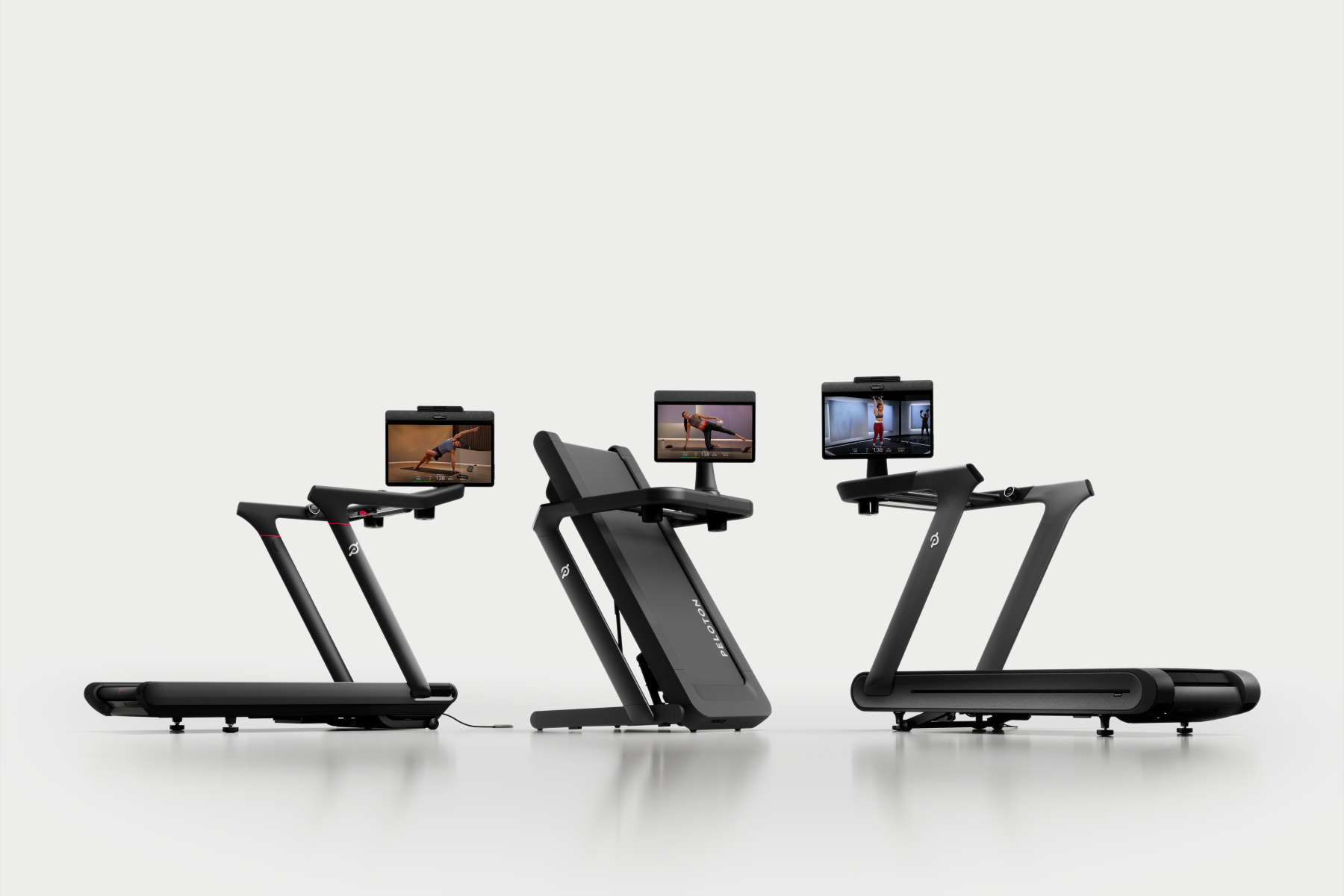
IQ Pace Targets analyzes recent running performance to recommend personalized speed ranges, while heart-rate-zone workouts provide guidance based on connected heart-rate data. Run Analysis, available on compatible camera-equipped treadmills, examines cadence, stride length, and vertical oscillation to generate a Running Efficiency Score and provide feedback on running technique.
These capabilities represent a shift from simply delivering workouts toward helping members understand their performance and decide what to do next.
Importantly, Peloton's AI strategy builds on an experience that remains centered on human instruction. Its coaches, classes, and community continue to provide the motivation and expertise that distinguish the platform, while software helps tailor that experience to each member.
Personalization itself isn't new to fitness technology. Wearables have tracked performance for years, and training applications have long offered individualized plans. Peloton's opportunity lies in bringing those capabilities together with connected equipment, instructor-led content, and an established member community.
From a business perspective, more relevant recommendations could also make the platform more useful over time. Helping members discover suitable classes, understand their progress, and maintain exercise routines may strengthen the value they receive from their subscriptions.
The broader opportunity is to make fitness feel less like a series of isolated workouts and more like an experience that adapts as members' needs and goals change.