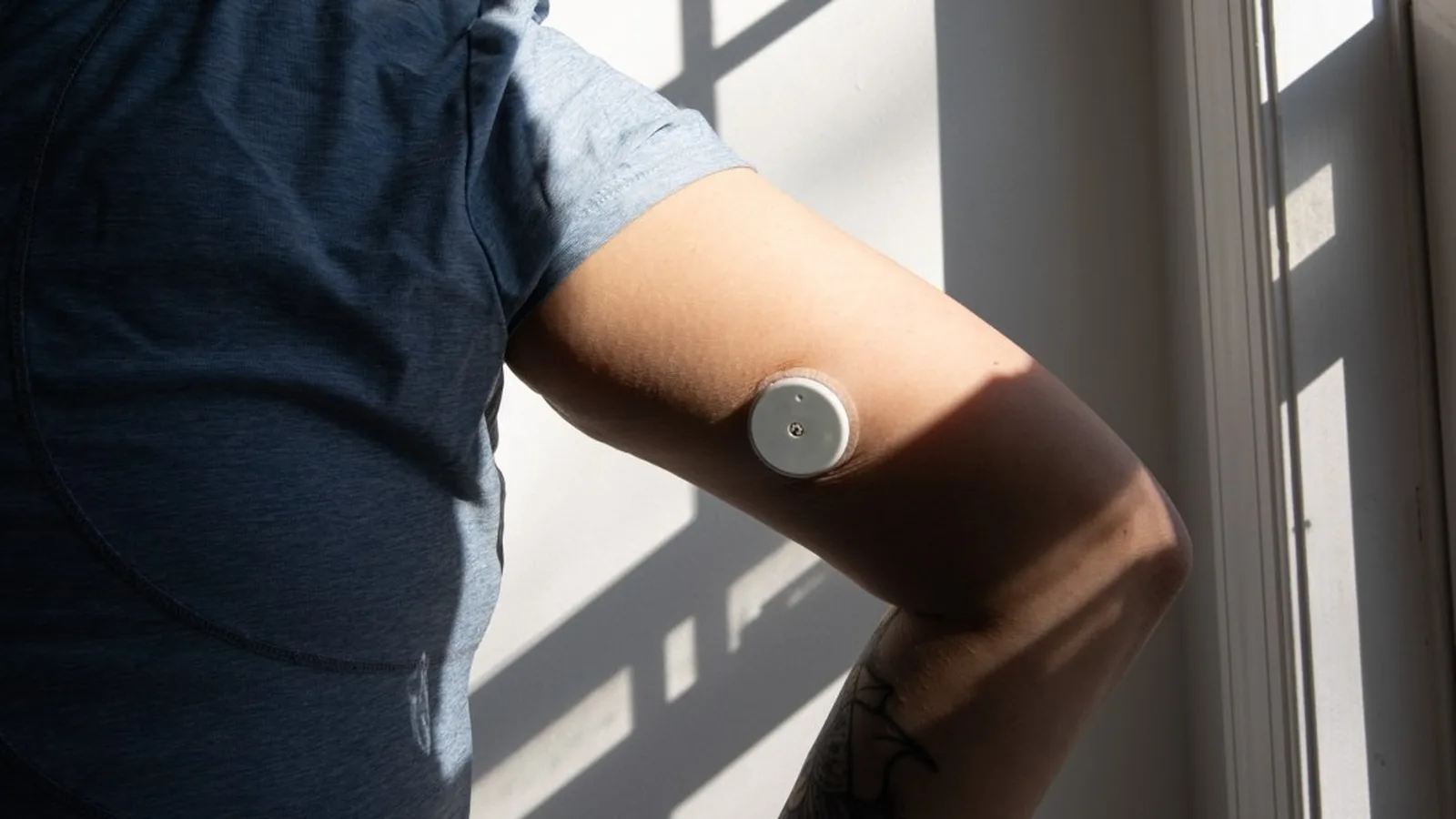

A man in his fifties who has not seen a doctor in several years gets a notification on his wrist flagging an irregular heart rhythm during an otherwise ordinary afternoon. He would not have scheduled a cardiology visit on his own initiative, and the notification alone does not diagnose anything, but it is often the first nudge substantial enough to get him into a clinician's office. That pattern, a wearable device functioning as the entry point into cardiac care rather than a clinical visit itself, has become one of the more consequential and least discussed developments in men's cardiovascular health over the past several years, and the volume of these detections has continued climbing through 2026 as adoption of ECG-capable wearables has broadened well beyond the early-adopter population that first bought them.
Atrial fibrillation, the irregular heart rhythm most commonly flagged by consumer wearable algorithms, is a significant risk factor for stroke and often produces no noticeable symptoms in its early stages, which is precisely why it has historically gone undiagnosed until a cardiac event forced the issue. Men are diagnosed with atrial fibrillation at meaningfully higher rates than women, and combined with men's general pattern of delayed engagement with preventive care, the population most likely to benefit from earlier detection has also been the population least likely to seek out the kind of screening that would catch it through a traditional clinical pathway.
What the detection actually does and does not tell you
It is worth being precise about what a wearable notification represents. Consumer devices with irregular rhythm notification features are not diagnostic tools in the way a clinical ECG or an implanted cardiac monitor is, and a notification is designed to prompt further evaluation rather than stand in as a diagnosis on its own. The on-device single-lead ECG feature available on many current wearables provides more specific information than a passive irregular rhythm notification, and cardiologists generally treat a recorded ECG strip, saved and shared at the time of an event, as considerably more clinically useful than a notification alone when a patient brings it into an appointment.
The practical value of these tools lies almost entirely in the referral pathway they create, not in any standalone diagnostic claim. A man who receives a notification and subsequently seeks evaluation may go on to receive a formal ambulatory monitor, a patch or a longer-duration recording device, that provides the diagnostic-grade data a cardiologist actually needs to confirm atrial fibrillation and determine appropriate treatment, which might include anticoagulation to reduce stroke risk, rhythm control medication, or in some cases a procedural intervention.

The false positive and anxiety question
The other side of this pattern is the volume of false positives and low-acuity findings these devices generate, sending a meaningful number of men into cardiology evaluations for irregularities that turn out to be benign, sinus arrhythmia or artifact from a poorly fitted sensor rather than true atrial fibrillation. Health systems fielding a growing volume of wearable-prompted cardiology referrals have had to build triage processes to sort which notifications warrant an urgent workup versus a routine follow-up, since an undifferentiated flood of wearable-driven referrals without a triage layer risks overwhelming cardiology capacity with a high proportion of low-yield visits.
Cardiologists broadly view this as a manageable problem rather than a reason to dismiss the category, since even a modest true positive rate among a very large volume of otherwise-unscreened men represents a meaningful net gain in early detection, provided the health system has built the triage and follow-up infrastructure to handle the resulting volume efficiently. Some systems have begun using a structured symptom questionnaire and risk factor review, completed before a formal cardiology appointment is booked, to prioritize which wearable-prompted referrals need urgent attention.

What this means for cardiology access
The broader effect of wearable cardiac monitoring on men's health has been to shift the starting point of cardiac care earlier and outside the clinic entirely, for a population that has consistently been the hardest to reach through traditional preventive care messaging. Cardiology practices that have built a clear, low-friction pathway for wearable-prompted patients, distinct from their standard referral intake, are converting more of these leads into actual diagnosis and treatment than practices treating every referral through the same generic scheduling process regardless of how the patient arrived.
Key Signals
The clearest signal from wearable cardiac monitoring adoption is that it is functioning primarily as an entry point into care for men who would not otherwise have sought cardiac evaluation, rather than as a diagnostic tool in its own right, and that distinction should shape how health systems build referral pathways around it. The volume of false positives and low-acuity findings is a real operational challenge, but cardiologists broadly view it as manageable given the scale of previously undetected cases the same volume is surfacing. Health systems that have built structured triage processes ahead of formal cardiology appointments are converting wearable-prompted referrals into diagnosis and treatment more efficiently than those relying on undifferentiated standard intake. The population most likely to benefit from this earlier detection pathway, men who delay preventive care and are diagnosed with atrial fibrillation at higher rates, is also the population wearable adoption has reached most effectively, making this one of the more genuinely additive technology-driven care patterns to emerge in men's cardiovascular health.