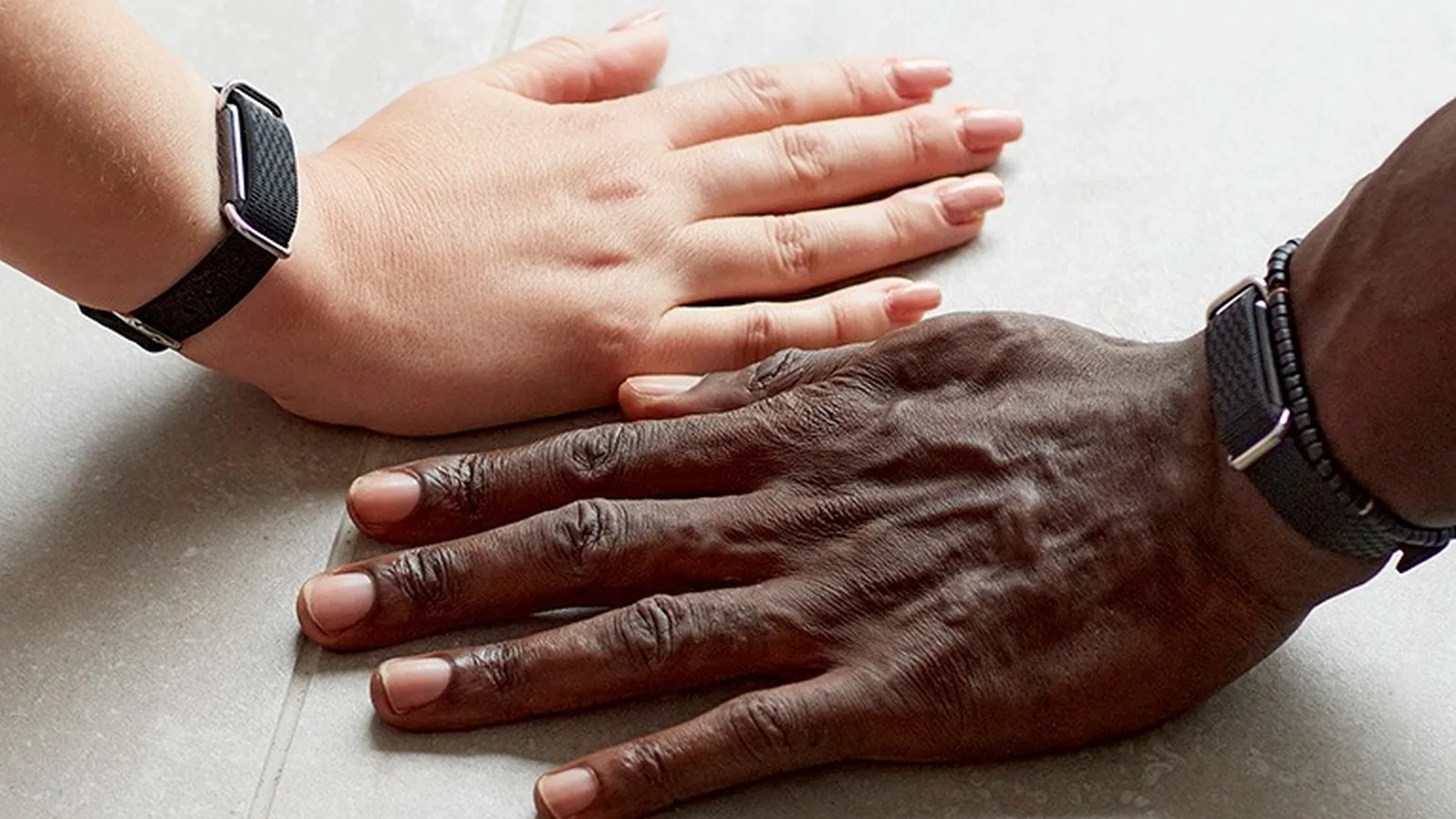
Blood pressure measurement has been dominated by the inflated cuff for more than a century, and for good clinical reason: it is simple, cheap and extremely well validated. That changed in 2025 when Aktiia, a Swiss company, received the first FDA 510(k) clearance for an over-the-counter, cuffless blood pressure monitor, the Hilo bracelet, later marketed in the U.S. as the Hilo G0 system. MassDevice The clearance record itself is public under K250415 in FDA's 510(k) database. FDA
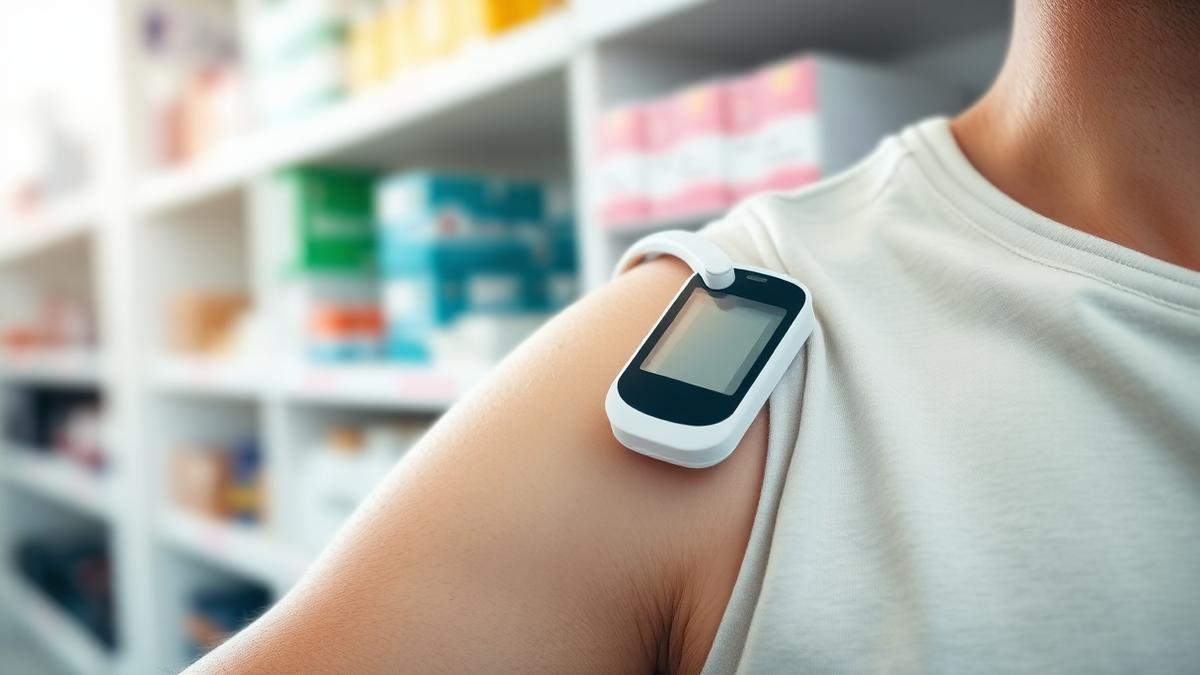
The device uses optical sensors on the wrist, the same underlying photoplethysmography technology used in fitness trackers, calibrated monthly against a traditional cuff reading, to estimate blood pressure continuously throughout the day rather than at a single point in time. Fierce Biotech
What does "cleared" actually mean here, and what does it not mean?
The 510(k) clearance establishes that Hilo is substantially equivalent to a predicate blood pressure measurement device for its stated intended use, which is general wellness and trend monitoring for adults, calibrated periodically against a cuff. It is not a claim that optical estimation replaces a cuff reading for diagnostic purposes, and it is not cleared as a standalone diagnostic device for hypertension. The company's own consumer materials describe the device's value as extending visibility "across days and weeks," a framing about trend data, not single-point diagnostic accuracy. Hilo
Why does continuous, cuffless measurement matter clinically?
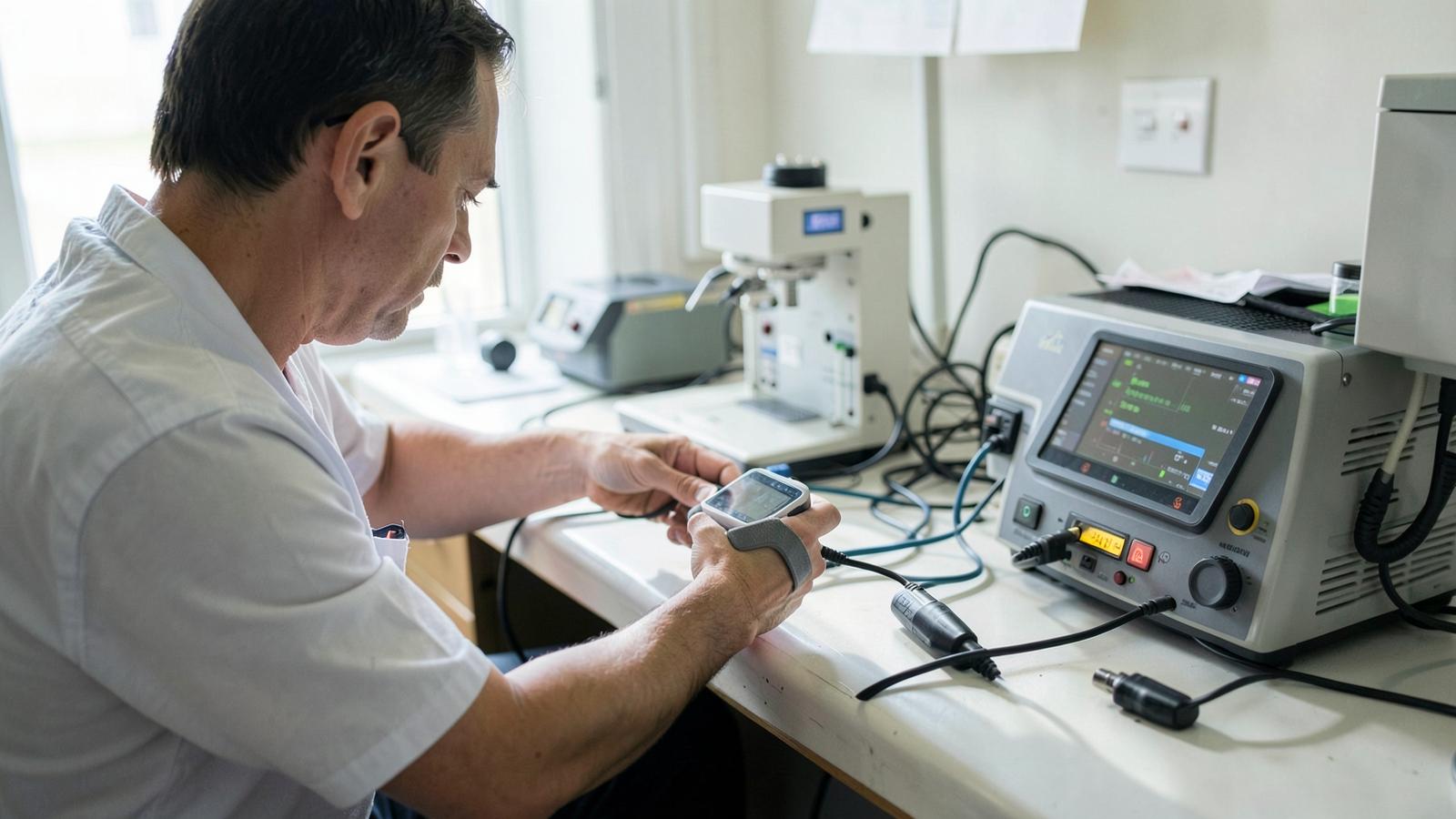
A single cuff reading in a clinic captures one moment, and that moment is notoriously unreliable on its own. White coat hypertension, elevated readings caused by the stress of a clinical visit, and masked hypertension, normal clinic readings that hide elevated readings the rest of the day, both cause real diagnostic errors when blood pressure is judged from clinic visits alone. Ambulatory and home blood pressure monitoring have been recommended by guidelines for years specifically to catch these patterns, but traditional ambulatory monitors require an inflatable cuff worn for 24 hours, which most patients tolerate poorly and use only occasionally.
A wrist-worn optical device that a patient will actually wear continuously could meaningfully increase the volume of longitudinal blood pressure data available to clinicians, if the accuracy holds up across skin tones, motion artifact and arrhythmia, all of which have historically been harder problems for optical sensing than for a cuff.
How does cuffless compare to the established alternative?
| Factor | Traditional cuff (home/ambulatory) | Cuffless optical (Hilo) |
|---|---|---|
| Single-reading accuracy | Gold standard | Requires periodic cuff recalibration |
| Patient adherence to repeated use | Low for 24-hour ambulatory monitors | Higher, worn passively |
| Continuous trend data | No, point-in-time only | Yes |
| Diagnostic-grade claim | Yes | Not yet, general wellness use |
| Regulatory status | Long established | First cleared 2025, still new |

What still has to be proven before this changes clinical practice
Longitudinal accuracy against ambulatory cuff monitoring across diverse populations, not just the validation cohort used for clearance, is the first open question. Reimbursement and clinical guideline recognition is the second: no major hypertension guideline currently references cuffless optical monitoring as an accepted method for diagnosis or titration decisions, and that recognition typically lags a clearance by years. And durability of the monthly calibration requirement matters commercially: a device that quietly drifts out of calibration between the user's monthly cuff checks could produce misleading trend data without an obvious failure signal.
The takeaway
This clearance is a genuine first, not a marketing first, and it opens a real product category. But "FDA cleared" and "diagnostic replacement for the cuff" are two different claims, and the label reflects that distinction carefully. The right way to use a device like this today is as a trend and awareness tool that prompts a proper cuff-based diagnostic conversation, not as a replacement for one.
Key Signals
Aktiia's Hilo is the first FDA-cleared OTC cuffless blood pressure wearable, cleared under K250415. The clearance covers general wellness trend monitoring, not diagnostic replacement of a cuff reading. Monthly cuff-based calibration is required to keep the optical estimate accurate over time. No major hypertension guideline yet recognizes cuffless optical data for diagnosis or titration decisions.