It took medicine nearly a century to trust the X-ray. AI diagnostics needed about three years.
In 2026, the argument is over. Nearly two-thirds of Epic hospitals run ambient AI. Health systems have moved from pilots to systemwide deployments. And a handful of diagnostic tools have separated themselves from the noise with real clearances, real adoption and real outcome data.
I trained as a doctor. I am ruthless about the difference between a demo and a deployment. These eight are deployments.
1. OpenEvidence: the evidence engine at the point of care
Trained exclusively on peer-reviewed literature, used daily by more than 40% of US physicians, and now inside Mount Sinai on the first enterprise deal of its kind. It is not a diagnostic device in the regulatory sense. It is something bigger: the layer doctors consult before they decide.
Why it matters: The tool that answers a clinician's question first effectively writes the differential.
2. Aidoc: the AI operating system for radiology
Aidoc's FDA-cleared platform runs on a proprietary healthcare foundation model covering 14 triage indications. Sutter Health deployed it systemwide this year and WellSpan expanded it across 9 hospitals and more than 250 locations. It now supports care for tens of millions of patients annually.
Why it matters: In imaging, the queue is the killer. AI that reorders the queue by urgency saves lives before a human opens the study.
3. Viz.ai: the stroke minutes machine
Viz.ai reads CT scans in real time and pings the right specialist the moment it spots a suspected stroke or pulmonary embolism. In stroke care, minutes decide whether a patient walks out or spends months in rehab.
Why it matters: The diagnosis was never the bottleneck. The phone call was. Viz.ai automated the phone call.
4. Bayesian Health: the sepsis detector doctors actually use
The only fully FDA-cleared continuous AI sepsis monitor on the market, with an 89% physician adoption rate in early deployments. Cleveland Clinic is expanding it, and Mayo Clinic co-developed a version that flags patients who may benefit from earlier palliative care.
Why it matters: Sepsis kills fast and hides well. An alerting system clinicians trust, instead of ignore, is the rarest thing in clinical AI.
5. Digital Diagnostics: the autonomous pioneer
Its retinal system was the first FDA-cleared AI allowed to make a diagnostic call for diabetic retinopathy without a specialist reviewing the image. Autonomous AI diagnosis started here, in an eye exam.
Why it matters: Screening fails when it depends on specialists who do not exist in most zip codes. Autonomy fixes the access problem, not just the speed problem.
6. Paige: pathology's second pair of eyes
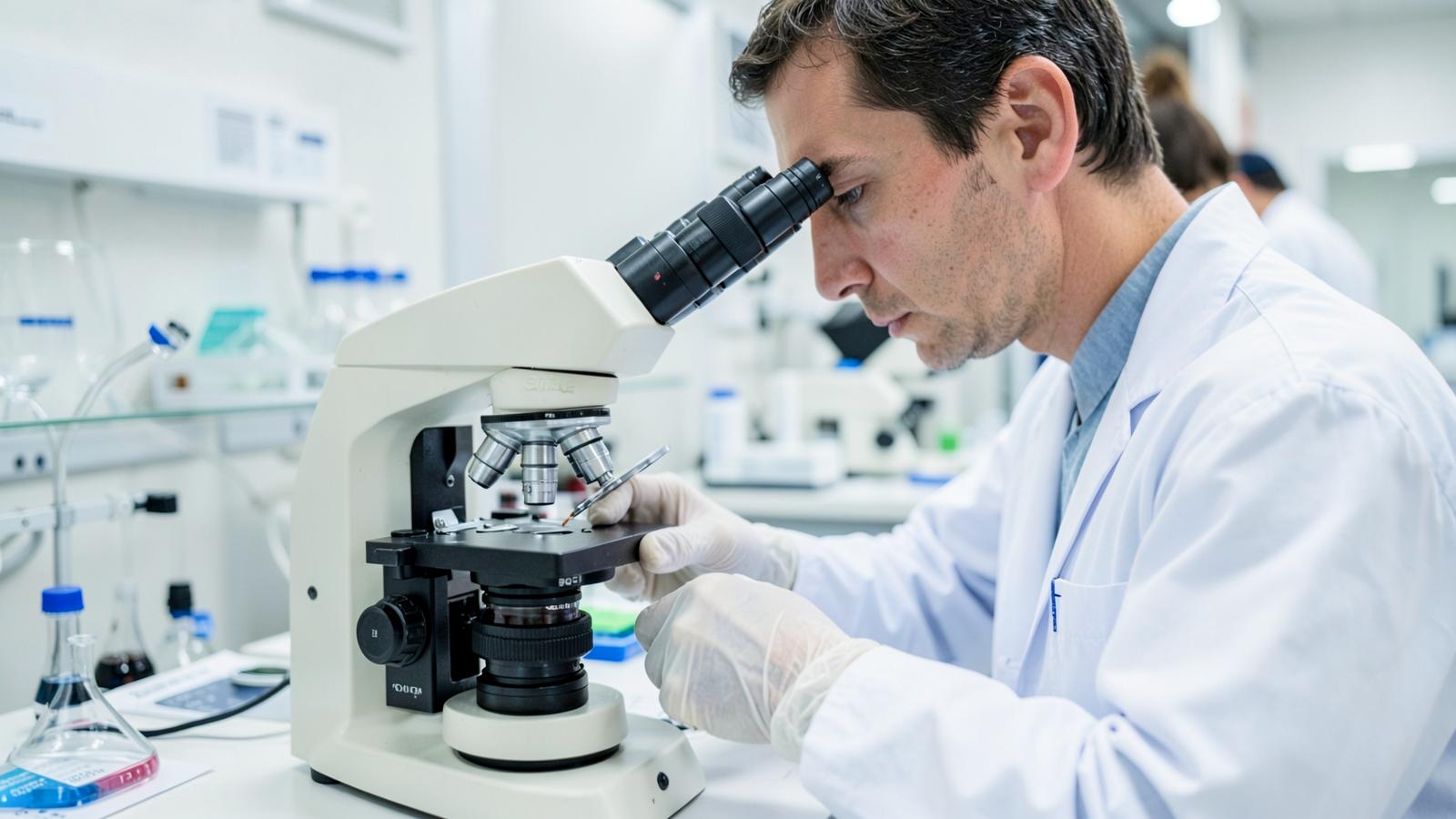
Paige earned the first FDA authorization for AI in digital pathology with its prostate cancer detection system and has kept expanding across cancer types. Pathology is where the definitive diagnosis happens, which makes it the highest-stakes room AI has entered.
Why it matters: A missed cancer cell is the most expensive error in medicine. A tireless second reader changes the odds.
7. Optain: disease detection through the retina
A UPMC Enterprises portfolio company scaling AI that reads retinal images for signs of disease, starting with diabetic retinopathy screening in routine settings.
Why it matters: The retina is the only place you can watch blood vessels without cutting anything open. It is a diagnostic window hiding in plain sight.
8. ChatGPT for Clinicians: the generalist in the room
OpenAI's physician-facing product launched in April, free for verified US clinicians and built on more than 700,000 physician-reviewed responses. I covered the full launch wave, and the safety questions it raises, in my analysis of the five AI health tools that just launched.
Why it matters: 72% of physicians already use AI in practice. The question is no longer whether they will, but which tools deserve the trust.
The honest caveat
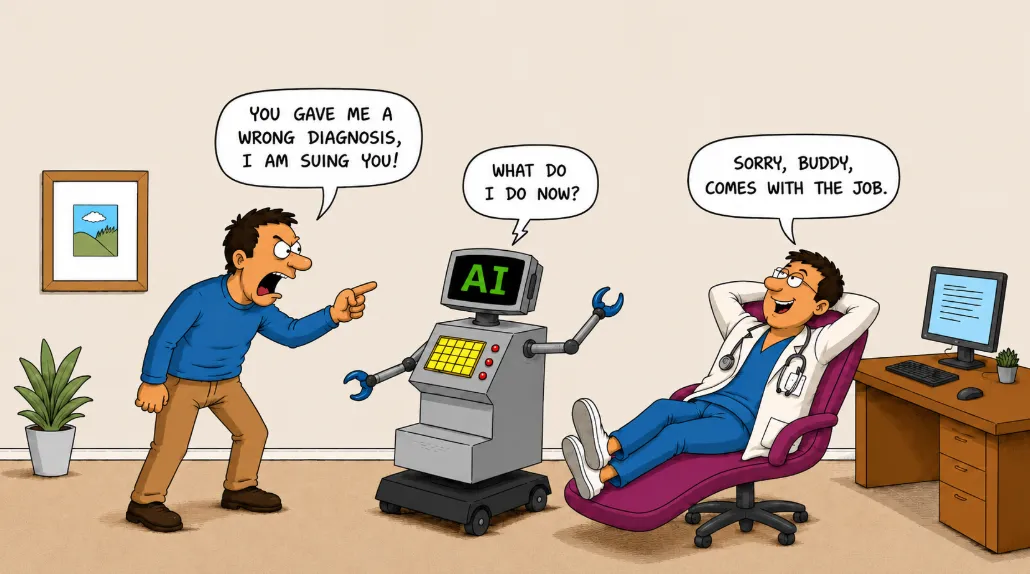
Independent testing still finds real failure rates in consumer-facing tools, including missed emergencies. Regulatory clearance without adoption creates no value, and adoption without evidence creates risk. The eight above earn their place because they have both.
Which diagnostic would you trust with your own scan? Subscribe free to The HealthTech Signal and I will keep tracking which of these tools deliver.