Key Signals
- Dr. Joshua M. Lampert of Mount Sinai Heart said the word "agent" is used too loosely. A real agent gathers information and takes action, rather than firing a scripted reply.
- Lampert warned that language models can sound convincing without giving reliable probabilities for clinical decisions, and that tools validated on populations may miss an individual patient's risk.
- Rachna Dayal of Sugati Ventures called for stronger safety testing and new benchmarks for hard and unusual cases, especially in mental health. "There's a reason we have clinical trials. This is about human life," she said.
- Grove Ventures' Dov Moran pushed the other way, questioning whether long approval processes delay useful technology.
- Dayal expects demand for smaller, procedure-specific surgical robots that can move between rooms and into outpatient centres.
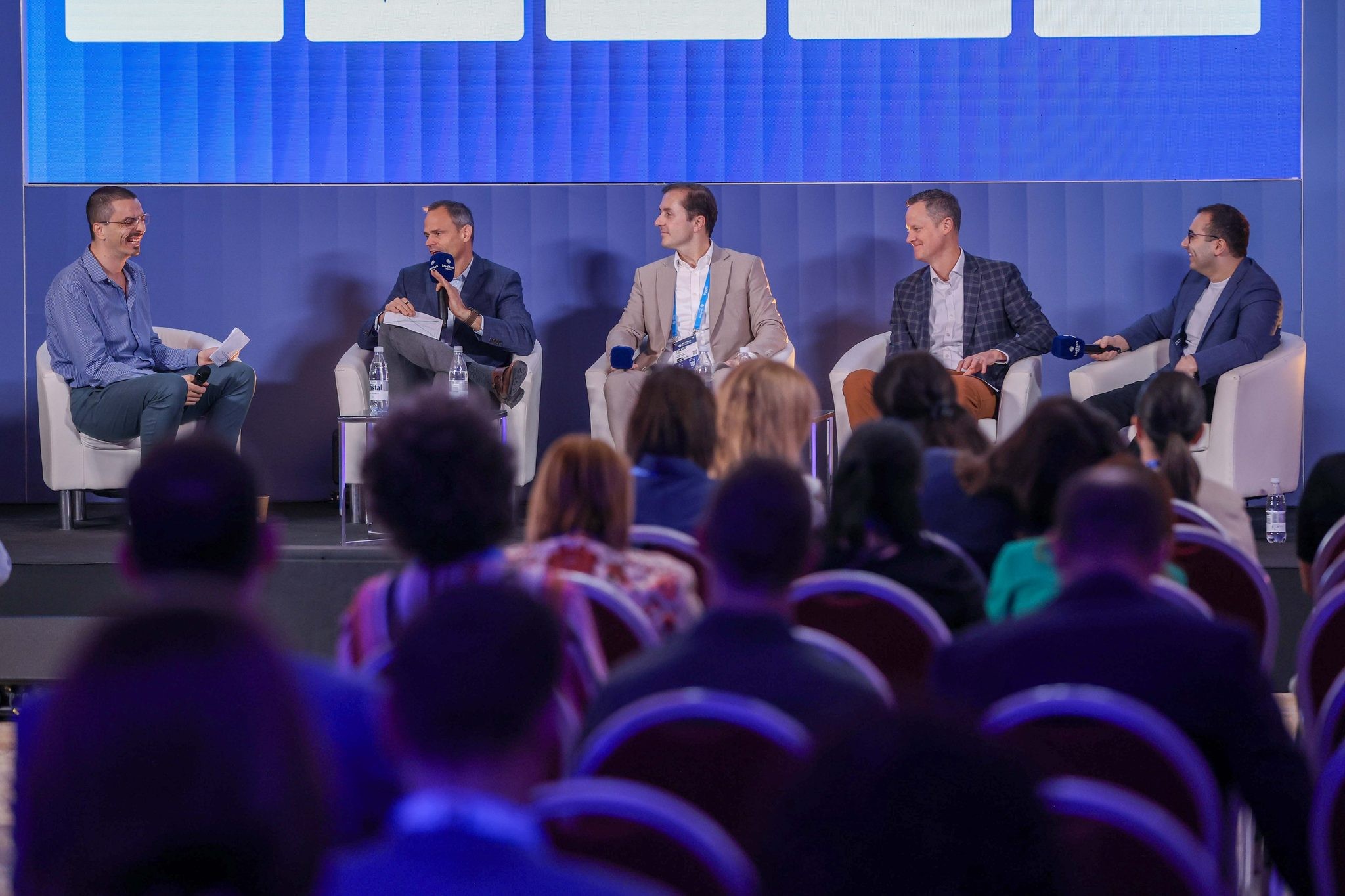
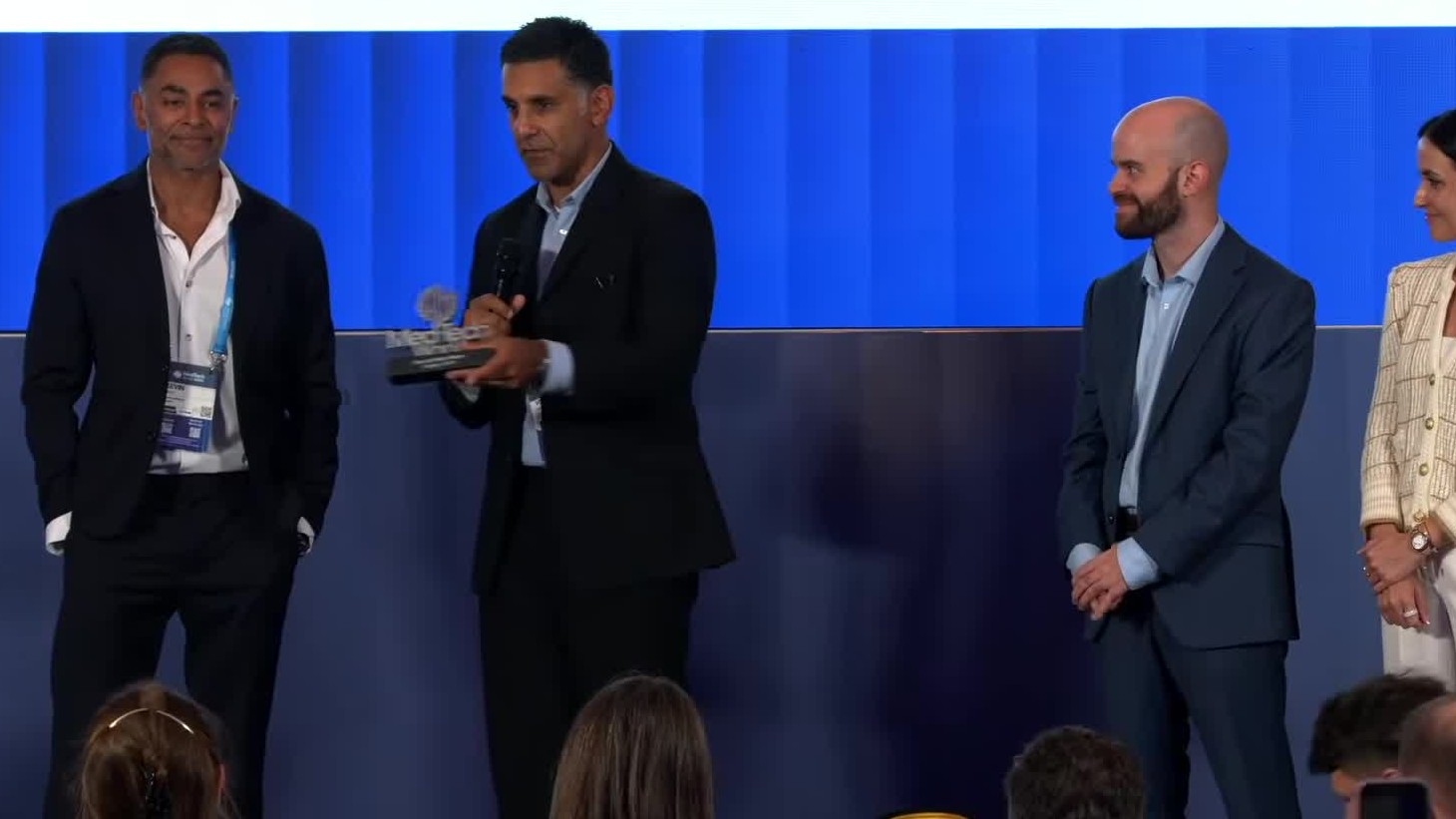
Agentic AI was everywhere at MedTech World Europe 2026 in Valletta. MedTech World's own day-two summary named agentic and ambient AI moving beyond pilots as the theme of the day. The most pointed version of that conversation came on 13 November on the Sacra Infermeria Stage, in a panel titled "From Experimental AI to Agentic Execution in Clinical Workflows".
The session was not livestreamed. This report draws on MedTech World's account of the panel, the speakers' public work and our own clinical reading of what they said.
| Speaker | Role | Why their view matters |
|---|---|---|
| Dr. Joshua M. Lampert | Cardiac electrophysiologist and Medical Director of Machine Learning, Mount Sinai Heart | Treats patients and researches AI for diagnosis, risk and procedural guidance |
| Dov Moran | Managing Partner, Grove Ventures | Investor whose healthcare portfolio includes Navina; known for his role in developing the USB flash drive |
| Rachna Dayal | Founder and Managing Partner, Sugati Ventures | Semiconductor engineer turned investor in physical AI and surgical robotics |
| Alex Condon (moderator) | COO, Matrix Connect | Co-founded Galen Data, a device cloud platform later rebranded Matrix Connect |
What counts as an agent
Lampert's first point was definitional, and it matters for anyone buying "agentic" software. In his view a truly agentic system gathers information and acts on it. A chatbot that triggers a predetermined response does not qualify, however it is marketed.
He described one possible future: AI-enabled smart glasses during a consultation that help a physician notice information they might otherwise miss. The hard part, he suggested, is giving an agent the right tools to support the next step in care.
His advice to founders was the most quotable line of the session. "You don't want to have a solution in search of a problem," he said. "We have plenty of real problems that need to be solved." Start with the medical problem, then pick the technology.
Uncertainty is a clinical problem
Lampert also explained why clinicians stay cautious. Language models can produce responses that sound right without offering reliable probabilities, and in medicine the probability is often the decision. He added that a tool assessed on population-level data does not necessarily capture the risk for the individual patient in front of you. Knowing how uncertain a system is, and matching the tool to the task, is essential.
For readers outside medicine, a simple example helps. A model that is right on average across a trial population may still be wrong for an older patient with three comorbidities, a group that is often under-represented in training data. A doctor needs to know when the tool is outside its comfort zone.
The speed argument
Dayal and Moran framed the central tension on stage.
Dayal raised concerns about AI products reaching the market without enough clinical research, particularly in mental health. She wants stronger safety testing and new benchmarks that check how systems behave in difficult or unusual situations.
Moran questioned whether lengthy approval processes might delay access to technologies that help people. MedTech World's account presents this as a real dilemma for regulators: protecting patients while letting useful innovation reach them.
| Position | Speaker | Argument |
|---|---|---|
| Test harder before launch | Rachna Dayal | Clinical trials exist for a reason; benchmarks must cover edge cases, especially in mental health |
| Do not slow good tools down | Dov Moran | Long approval cycles can delay beneficial technology |
| Fit the tool to the task | Joshua Lampert | Start from a real problem; understand uncertainty and individual risk |
Wearables and physical AI
Moran described wearing a continuous glucose monitor to watch how his blood sugar changed through the day and after different foods. He suggested future monitoring tools could generate data that AI helps people interpret.
Dayal described physical AI, where sensors collect data, AI processes it and a system carries out a task, possibly with a human involved. She expects demand for smaller, procedure-specific surgical robots that can be moved between rooms and used in outpatient surgery centres or remote settings. That view matched what the surgical robotics panel said on the same stage the same day about specialised systems.
What hospital leaders should ask vendors
Based on the panel, these are the questions I would put to any company selling a clinical AI agent:
- What actions can the agent take on its own, and which need a human to confirm?
- How does it express uncertainty, and what happens when it is unsure?
- Was it tested on patients like ours, including older and multimorbid patients?
- What benchmarks cover rare or difficult cases, not just average performance?
- Who is accountable when an action is wrong, and is every action logged?
My take
Clinically, I agree with Lampert's definition and with Dayal's demand for evidence. Documentation, coding and scheduling are where agents can help soon, because a mistake is visible and reversible. Clinical decisions are different. A confident wrong answer at the bedside is worse than no answer.
Moran's point deserves a fair hearing too. Patients also pay a price when helpful tools take years to arrive. The answer is probably not one speed for everything. Low-risk administrative agents can move quickly with good monitoring, and anything that touches diagnosis or treatment should earn its place with trial-grade evidence.