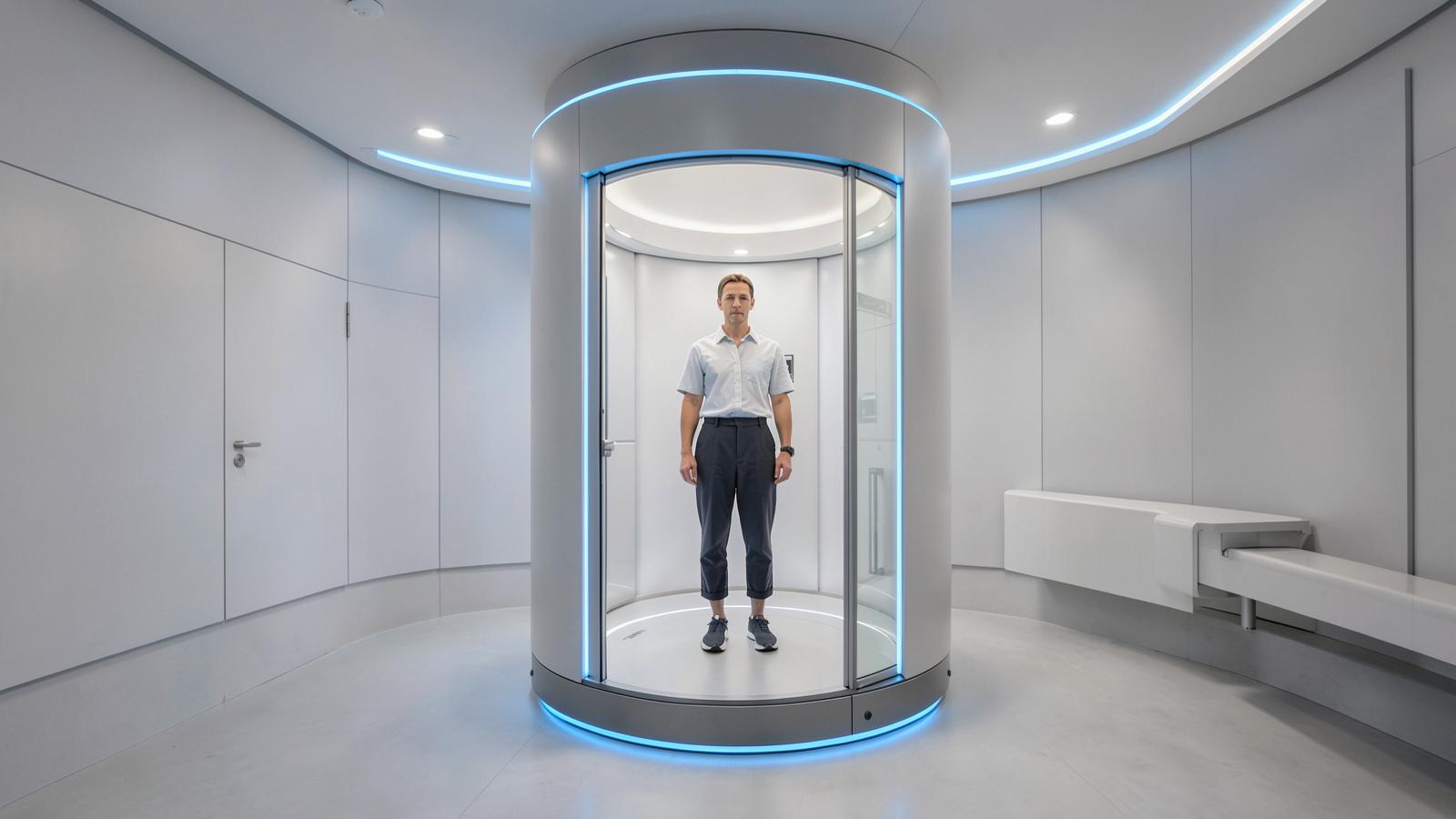

The consumer wearable started life as a step counter and has, over roughly a decade, quietly accumulated a set of features that would once have required a dedicated medical device: heart rhythm irregularity notifications, fall detection with automatic emergency contact, blood oxygen estimation, and in some devices, more advanced cardiovascular and respiratory monitoring features that manufacturers now describe using increasingly clinical language. The shift underway through 2026 is that these features are no longer positioned as fitness extras bundled onto a consumer gadget. They are being designed, marketed and in some cases regulatory cleared as genuine early warning systems, which changes the obligations that sit around them.
This matters because an early warning system that works well enough to be trusted also creates a chain of responsibility that a step counter never had to worry about. When a wearable flags an irregular heart rhythm and the wearer does nothing about it, or flags a fall and the automatic alert fails to reach anyone in time, the device sits at the centre of a genuine clinical and, potentially, legal question about what a reasonable response to that alert should have been, and by whom.
From detection to a defined care pathway
The most mature examples of this shift pair a detection feature with a defined next step rather than leaving the alert to stand alone. A heart rhythm notification that simply tells a wearer to see a doctor is meaningfully less useful than one connected to a clear pathway, ideally involving the wearer's own physician or a designated telehealth service that can review the underlying data and determine whether further diagnostic testing, such as a formal ECG or an extended rhythm monitor, is warranted. Wearable manufacturers that have invested in building or partnering for that follow up pathway are building a materially more complete product than those that treat the alert itself as the finished feature.

This is a genuinely difficult problem to solve well, because it requires coordination across parties that do not naturally share infrastructure: the device manufacturer, the wearer's primary care physician or health system, and in the fall detection case, emergency services and designated emergency contacts. Older adults living alone, who are among the population that stands to benefit most from reliable fall detection, are also the population least likely to have a tightly coordinated digital health setup connecting their device to a responsive care team, which means the populations with the greatest potential benefit from these features are sometimes the ones for whom the surrounding infrastructure is weakest.
The false alarm and missed alarm balance
Any alerting system built for a broad consumer population has to manage the trade-off between false positives, which erode trust and can cause unnecessary alarm and downstream healthcare utilisation, and false negatives, which are the more serious failure mode in a system explicitly marketed as a safety feature. Manufacturers have generally tuned these algorithms conservatively enough to avoid excessive false positives eroding user trust, but that conservatism necessarily means some genuine events will not trigger an alert, a limitation that is not always communicated as clearly to consumers as the headline feature itself.
What health systems and clinicians should expect
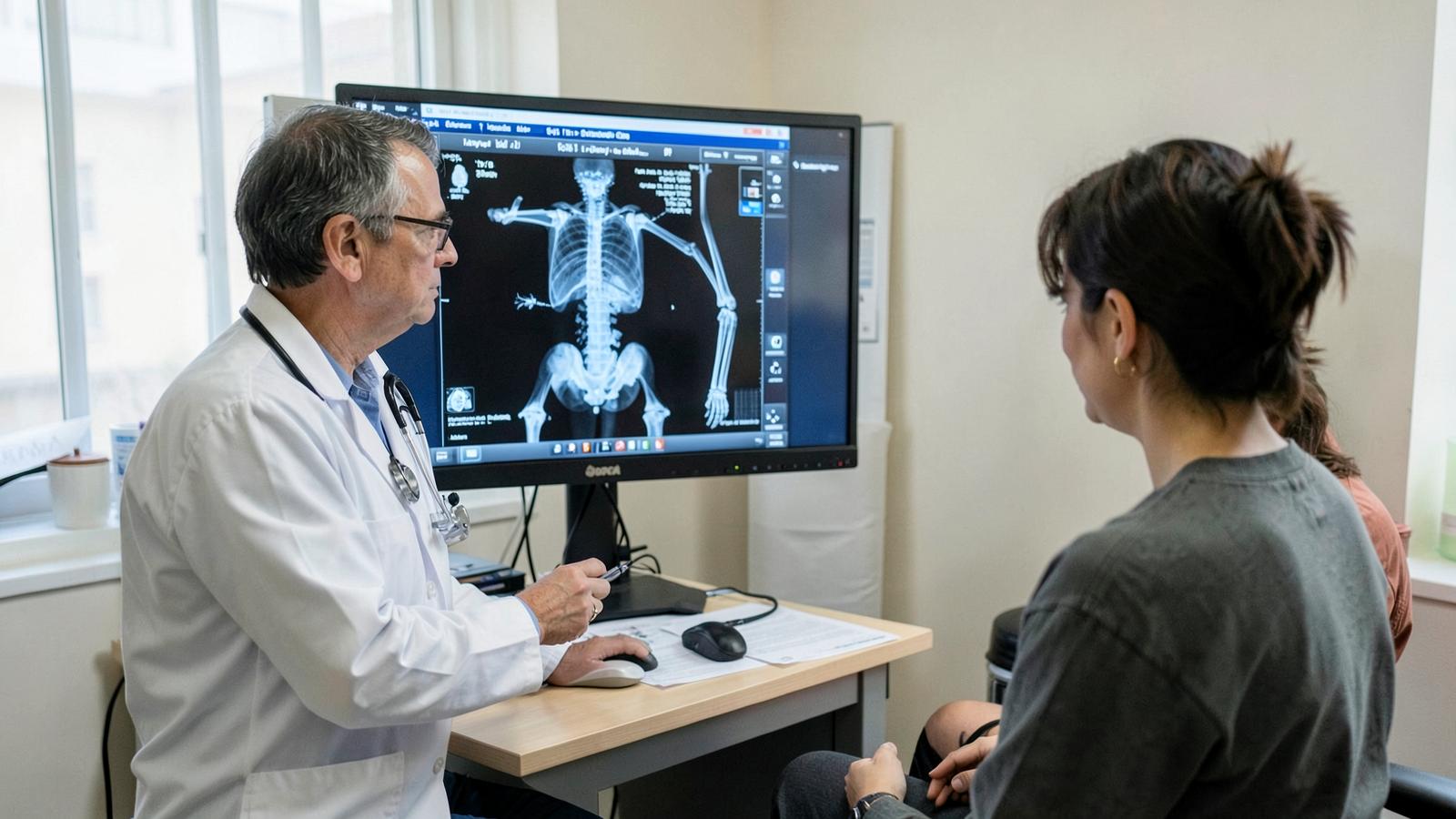
For clinicians, the practical implication is that patients are increasingly going to arrive with wearable generated alerts rather than self reported symptoms as the trigger for a visit, and that data needs to be evaluated with the same care as any other patient reported information, neither dismissed as unreliable nor treated as an automatic diagnosis. Health systems building remote monitoring programs for older or higher risk patients have an opportunity to formally integrate consumer wearable alerts into structured escalation pathways, but doing so responsibly requires clear protocols for who reviews an alert, on what timeline, and what the follow up action is, rather than simply accepting wearable data into the record without a defined response process behind it.
Key Signals
Consumer wearables have evolved from fitness trackers into devices capable of clinically meaningful alerting for arrhythmias and falls, a shift that brings real safety benefits alongside new obligations around what happens after an alert fires. The most valuable versions of these features connect a detection event to a defined clinical follow up pathway, rather than leaving the wearer to interpret and act on a notification alone. The populations with the greatest potential benefit from features like fall detection, particularly older adults living alone, are often the same populations least likely to have the surrounding digital health infrastructure needed to make the alert genuinely actionable. Health systems and clinicians integrating wearable alerts into care will need clear escalation protocols defining who reviews an alert and on what timeline, rather than treating the raw data as either automatically reliable or automatically dismissible.