Key Signals
- Every panellist named the same shift: hospital buying has moved from surgeon preference to an enterprise decision with up to 10 stakeholders.
- Karl Storz's Christianne Gaudet said MedTech companies must "show up for the entire enterprise, not just for the surgeon", and must agree on how a pilot will be judged before it starts.
- Houston Methodist's Homer Quintana said a pilot needs an operational champion and a definition of "done", or it drifts into pilot purgatory.
- Physician and adviser Dr. Amel Havkic proposed a "3 a.m. test": design for the tired junior doctor, not the key opinion leader in ideal conditions.
- Medistim's Mike Karim said salespeople have to sell beyond the operating room budget, to the people who carry the cost of reinterventions and failure.
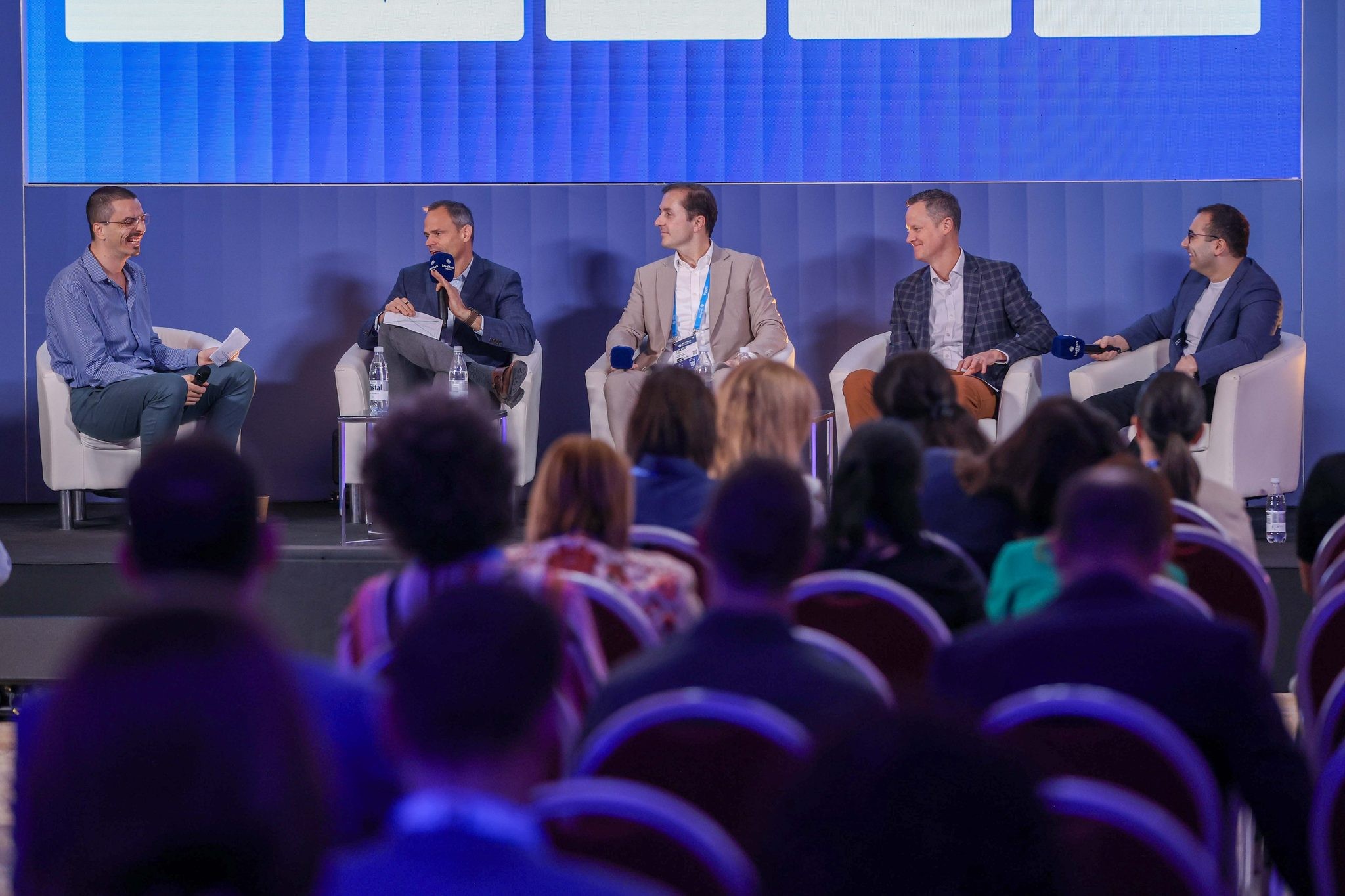
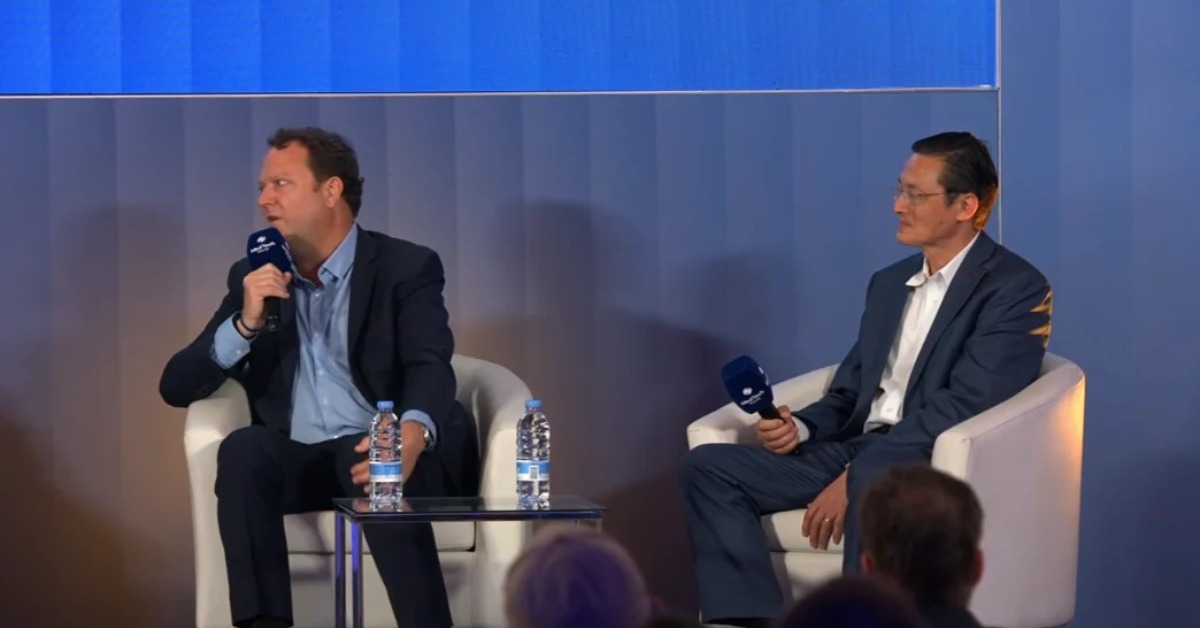
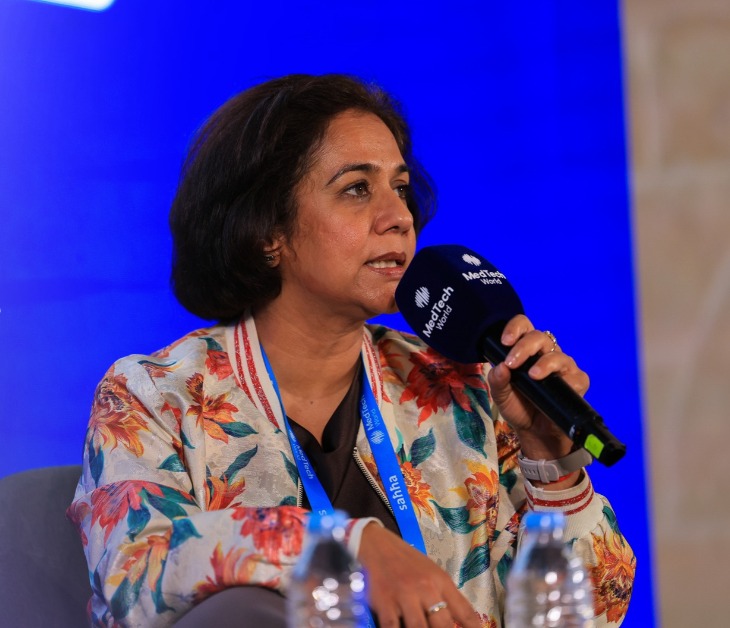
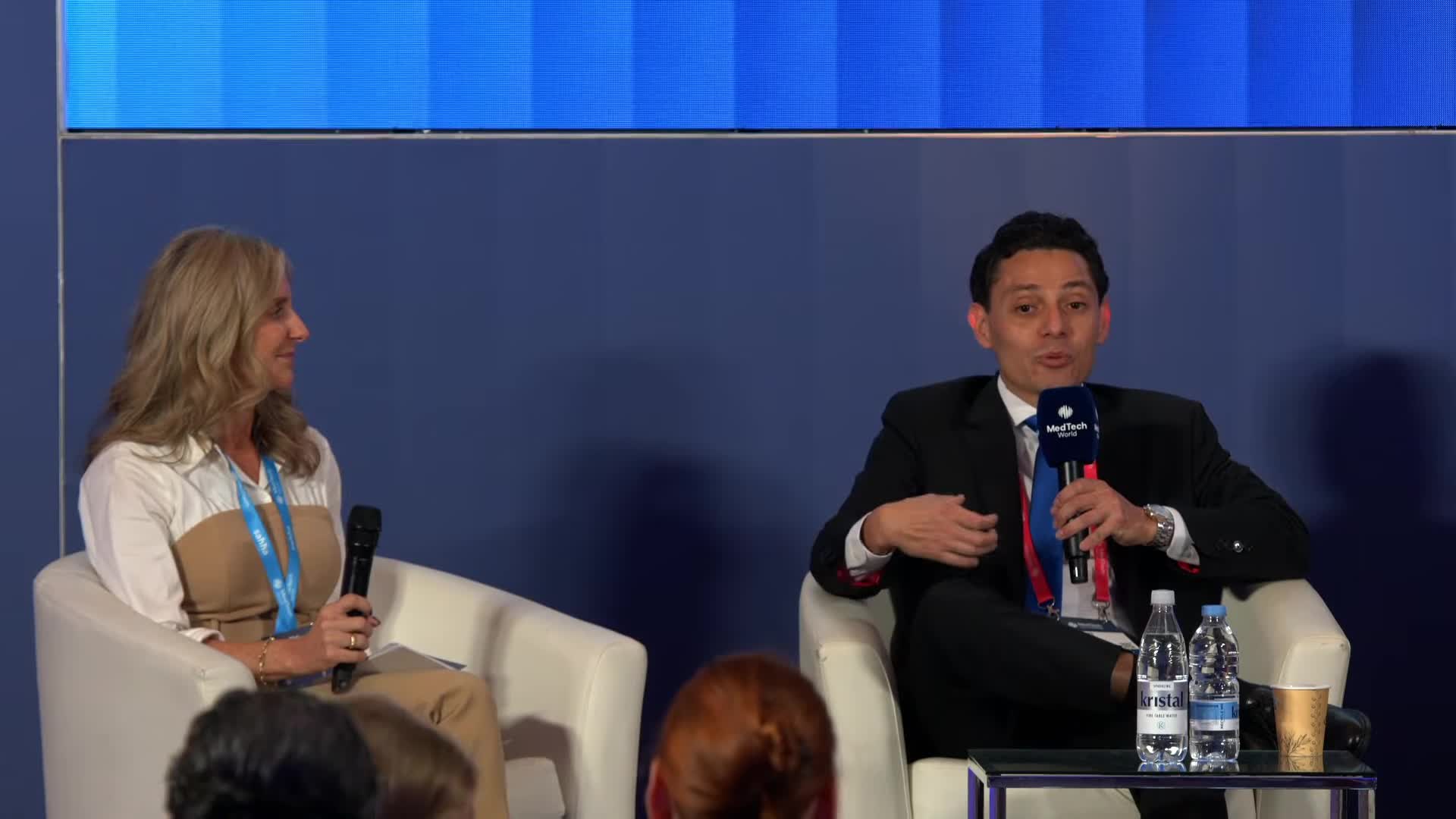
If you have ever watched a promising device die after a "successful" pilot, this panel was for you. "Selling into the Squeeze: How MedTech Companies Win Hospital Buyers Under Cost Pressure" ran on the afternoon of 13 November at MedTech World Europe 2026 in Valletta. It was moderated by Suzy Engwall, Senior Director of Global Business Development at Pria Healthcare, and it was full of the kind of detail you only get from people who have sat on both sides of a hospital value analysis committee.
| Speaker | Role |
|---|---|
| Homer Quintana | Director, Center for Rapid Device Translation, Houston Methodist |
| Christianne Gaudet | Head of Global Solutions, Karl Storz |
| Mike Karim | Chief Commercial Officer, Medistim |
| Dr. Amel Havkic | Practising physician and founder, EvoMed Consulting |
| Suzy Engwall (moderator) | Senior Director, Global Business Development, Pria Healthcare |
From one champion to a whole system
Engwall asked each speaker for the biggest change in how hospitals buy. The answers lined up.
Karim, who started his career at Boston Scientific and later ran an Oxford University spin-out for 13 years, said the surgeon or chief doctor used to "rule the roost". They liked a technology and told finance to buy it. "That's all changed and you can have 10 stakeholders," he said. "We have to map them and go and understand all their individual needs."
Quintana said that in roughly the last decade the job has moved from finding a clinical champion to finding a whole health system willing to validate and adopt a technology. In the room today, beyond the clinicians, he now sees cybersecurity, the teams who maintain the electronic health record, legal and the C-suite. He recalled his CEO asking why Houston Methodist should engage in innovation at all when it could just buy something. The answer has changed, he said, because the system now wants to co-develop and validate, and it judges everything by its effect on two things: its staff and its patients.
Gaudet summed it up as a move "from surgeon choice to enterprise value". Havkic put the consequence plainly. Good medical solutions often fail to translate their value into a financial model, and however good a product is, "someone still has to pay for it".
Why pilots die
Quintana was precise about pilot purgatory. Pilots stall when nobody agreed on the end goal, on what "done" means, or even on what counts as a use. Is it a patient? Is it minutes of surgeon time? Without those definitions, he said, a hospital can be technically satisfied and still never buy. Your pilot is also one of many in a busy hospital, so it will not get priority by default.
His fixes were concrete:
- Find an operational champion as well as a clinical one, someone on the administrative side who understands what the technology means for the system.
- Set up a small steering or advisory group inside the hospital so the dialogue does not depend on chance meetings.
- Decide up front how the pilot converts into adoption, and what it must show: saving money, making money, bringing in patients or improving outcomes.
Gaudet added two points from the vendor side. Define success with the hospital before the evaluation begins, and do not rely on a survey afterwards. Then train your own sellers to talk to the whole enterprise, because, she said, most of the time they are not prepared to. Those two steps sound simple, she said, but they take a great deal of energy, and they turn an evaluation into a partnership.
The 3 a.m. test
Havkic, an internal medicine and pulmonology specialist who still practises in Frankfurt, gave the line of the session. Asked what evidence physicians actually want, he said companies often over-sell science and approvals. Startups celebrate the CE mark, but clinicians are asking what is in it for them: proof that the product reduces workload and mental load.
Then came his test. Many devices are designed around a key opinion leader working in near-perfect conditions. "But your solution is going to be used by a junior resident at 3:00 a.m., tired, when everything goes wrong," he said. If patient safety matters, the design has to work for that doctor.
He also said the direct reimbursement code is "a bit overestimated" as a driver. Value can appear at many points in a workflow, so he advises startups to map who touches the product, when and where, and what value looks like for each of them. He described how differently hospitals buy in Europe. Public and municipal hospitals have long sales cycles. Private chains can be more direct. Church-run non-profits, common in Germany, weigh quality of care and specialisation more heavily, but a product still has to pay for itself.
Selling past the OR budget
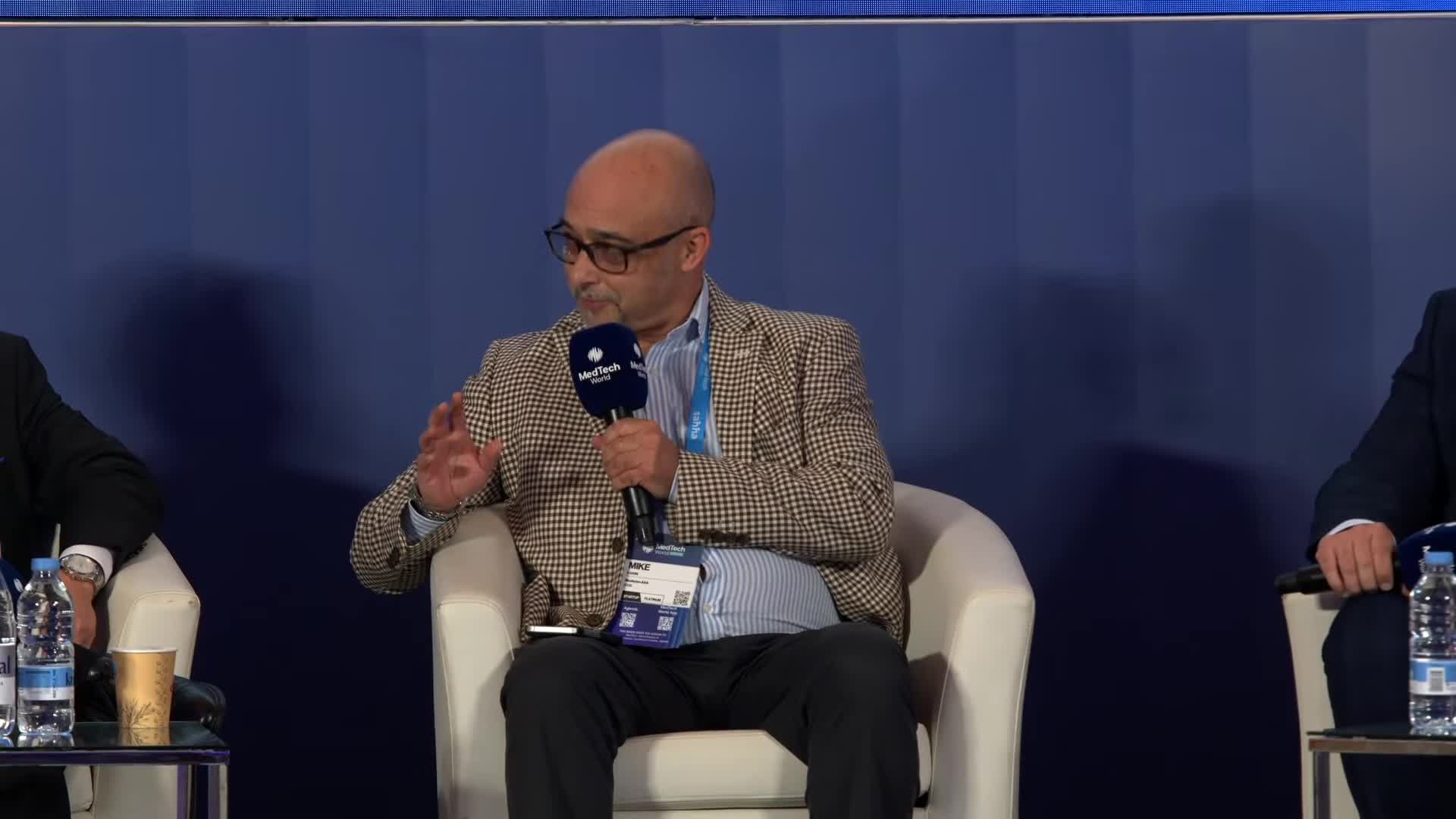
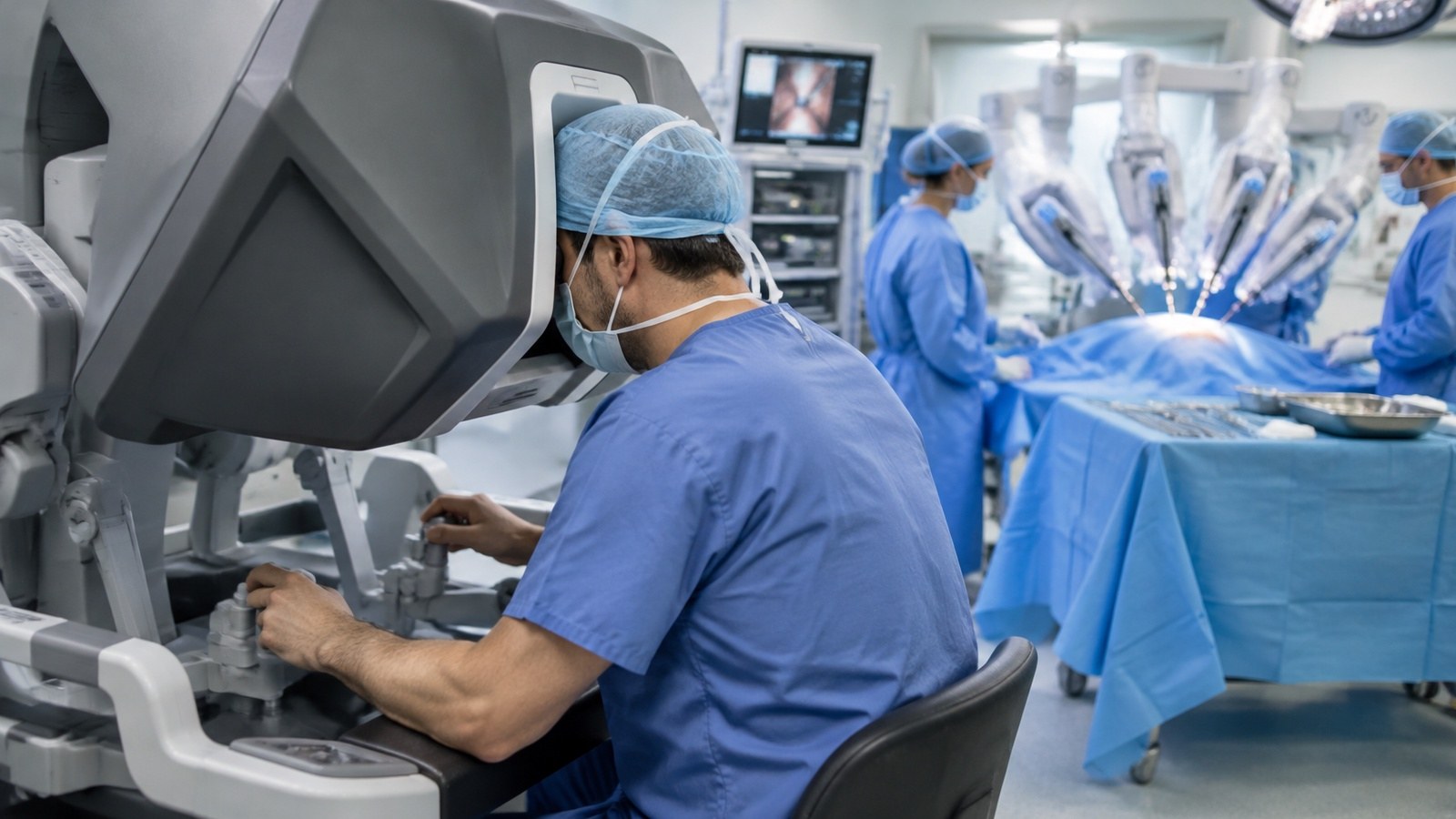
Karim's company, Medistim, sells imaging and flow measurement used in coronary bypass surgery to check grafts. That means capital equipment, reusable products and many people with a stake in the purchase. His warning was about budgets. The rep's natural contacts are surgeons and nurses in the operating room, and a new device can break the OR lead's budget. So the conversation has to move up to the people who see outcomes, avoided reinterventions and the cost of failure. Medistim teaches its teams to map every stakeholder before an evaluation and agree why it will create value. "A lot of companies go in, do an evaluation and then find out later that the hospital can't afford it," he said.
Alignment is the hard part
Asked what is harder than building the technology, Gaudet said alignment, on both sides. Inside a MedTech company, engineering, regulatory, supply chain and commercial plans must line up, which she said only happens with top-down leadership. Inside a hospital, she sees very different risk tolerances when cross-functional teams assess AI tools, and different views on what problem is being solved. She urged hospitals to set strategic frameworks for each technology category so everyone judges new tools on the same terms.
Quintana closed with the idea that a sale is an exchange, while co-development gives both sides a stake. Engwall's last word to founders was to apply the same thinking to investors: partner with them instead of selling to them.
What this means for buyers and builders
| Old way | What the panel described |
|---|---|
| One surgeon champion | Clinical plus operational champion, and a steering group |
| Clinical performance data | A business case for each stakeholder, including IT, cyber and finance |
| Pilot judged by a survey | Success criteria agreed before the pilot starts |
| Design for the expert | Design for the tired junior doctor at 3 a.m. |
| Sell into the OR budget | Sell to the people who carry the cost of failure |
My take
The 3 a.m. test is the part I would print and pin above every product team's desk. Most of the device frustrations I have seen were not about whether something worked in a trial. They were about whether it worked on a busy night with a tired team. Hospitals under cost pressure will keep raising the bar, and the companies that win will do the pilot homework before the first unit ships.
Sources
- MedTech World Europe 2026, Day 2 livestream, La Valette Stage: "Selling into the Squeeze" (13 November 2026, from about 4:24)
- MedTech World: How hospital venture arms are shaping MedTech innovation, including the "Selling into the Squeeze" panel (13 November 2026)
- EvoMed Consulting: About Dr. Amel Havkic and the StarMap framework
- MedTech World Europe 2026 speakers