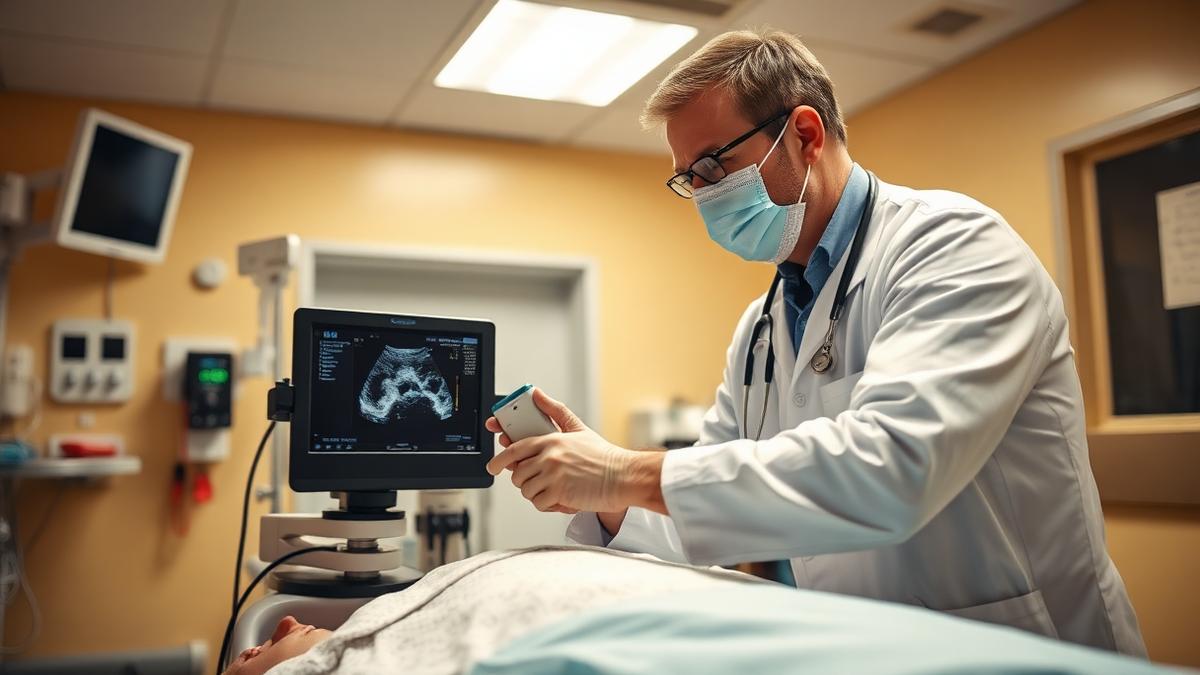
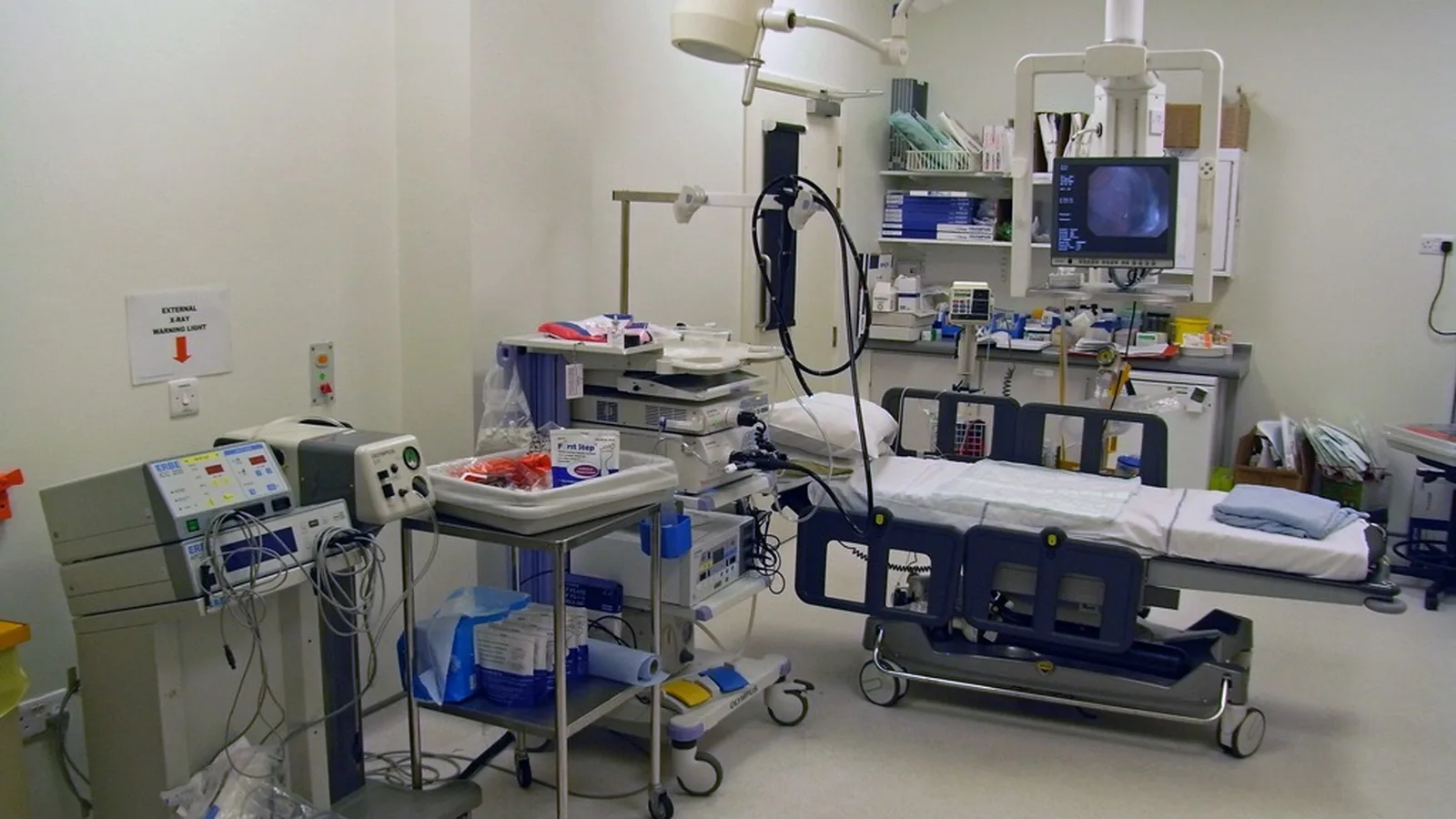
Computer-aided detection for colonoscopy has been cleared and marketed for several years, but most of the evidence behind it came from single-center or moderate-size randomized trials. That changed in mid-2026 with the publication of a cluster-randomized study across the Veterans Health Administration network covering more than 334,000 colonoscopies, which found that facilities equipped with computer-aided detection raised adenoma detection rates by about 4 percentage points without lengthening withdrawal times. GI and Hepatology News
That is a meaningfully larger and more generalizable dataset than most clinical AI categories can point to, and it landed alongside other 2026 evidence, including a July 2026 systematic review and meta-analysis of randomized controlled trials on AI-assisted colonoscopy for colorectal lesion detection. Springer/BMC Medical Imaging
Why does adenoma detection rate matter so much in this field?
Adenoma detection rate (ADR) is the single most validated quality metric in colonoscopy, because it directly predicts a patient's future risk of interval colorectal cancer, cancer diagnosed between screening exams. Every 1 percentage point increase in a colonoscopist's ADR has been associated in prior population studies with a meaningful reduction in interval cancer risk. A 4 point population-level increase across a network the size of the VA is not a marginal statistical finding, it is a metric with a plausible path to fewer missed cancers at scale.
What has commercial adoption looked like?
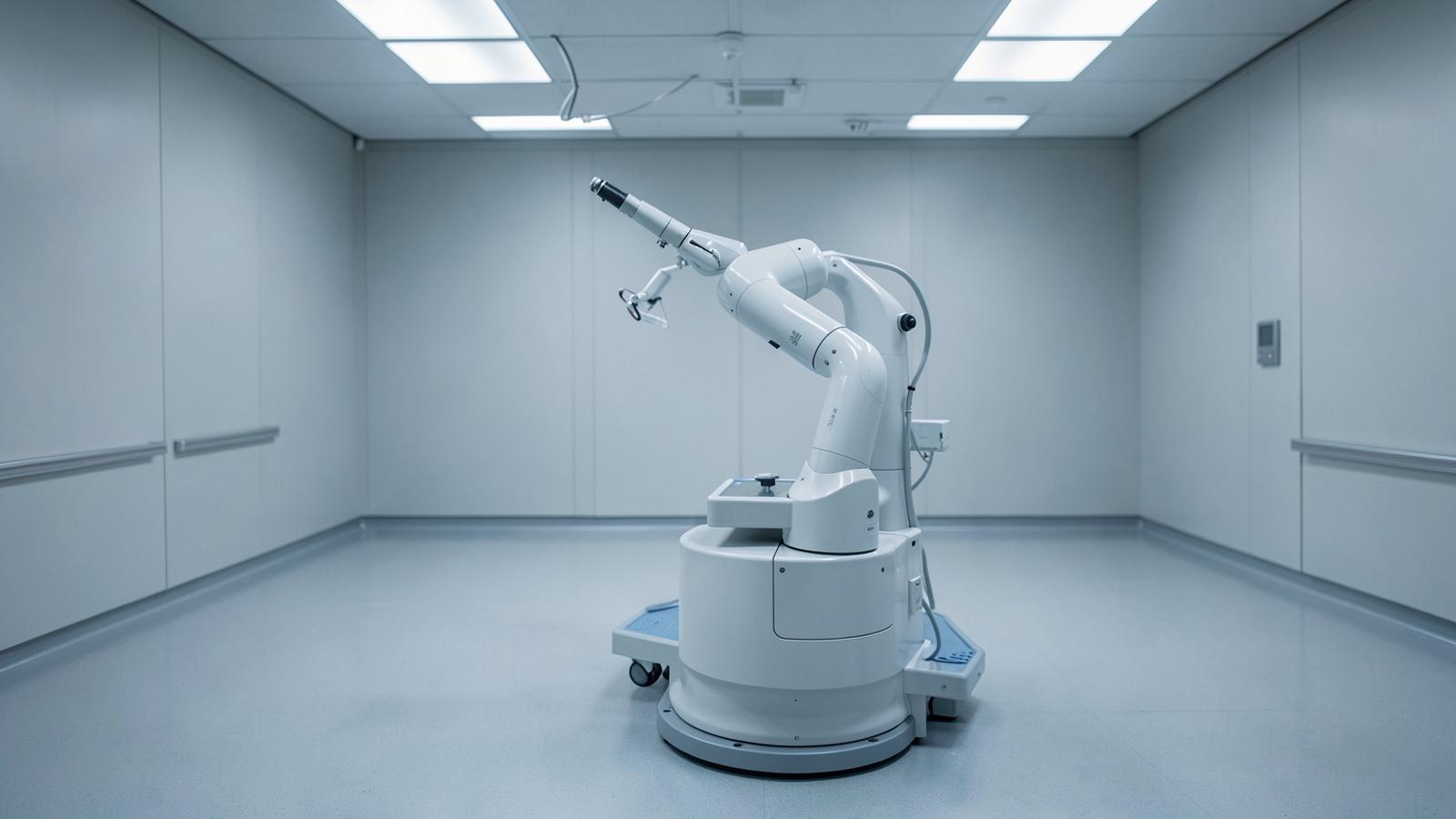
Olympus launched its OLYSENSE platform with the CADDIE computer-aided detection application in the U.S. in September 2025, aimed specifically at improving detection of high-risk and hard-to-detect colorectal lesions. Olympus A follow-up EAGLE trial reported in February 2026 that CADDIE aided detection of high-risk and hard-to-detect lesions specifically, not just polyps in general, a more clinically demanding claim than aggregate polyp counts. Olympus
Does AI assistance change how trainees learn the procedure?
This is the open question the category has been slower to answer, and a pragmatic randomized controlled trial published in Gastrointestinal Endoscopy in 2026 looked directly at it, examining the impact of AI-assisted colonoscopy on gastroenterology fellow performance. ScienceDirect The concern in training programs is straightforward: if a fellow relies on the AI cue to find every polyp, does the fellow's own unassisted detection skill develop normally, or does it plateau below where it would have without the tool. This mirrors the automation-bias concern seen across other AI-assisted clinical fields, and it is exactly the kind of second-order question a single accuracy study cannot answer.
What does the evidence chain look like now?

| Evidence type | Status |
|---|---|
| Standalone detection accuracy | Well established across multiple devices |
| Randomized trial evidence, adenoma detection rate | Strong, multiple RCTs and a 2026 meta-analysis |
| Real-world network-scale evidence | Strong, VA 334,000 procedure study |
| Withdrawal time / workflow impact | Neutral to positive in VA study |
| Trainee skill development impact | Still being studied |
| Downstream interval cancer reduction | Not yet directly measured, inferred from ADR |
The takeaway
AI-assisted colonoscopy is arguably the best-evidenced AI category in clinical medicine right now, with real-world data at a scale most digital health products never reach. The remaining gap is the hardest one to close: nobody has yet published a direct interval cancer reduction endpoint, because that requires years of follow-up after screening. Buyers should treat the ADR improvement as strong surrogate evidence, worth acting on, while recognizing that the definitive outcome data is still a few years out.
Key Signals
A VA study of 334,000+ colonoscopies found AI detection raised adenoma detection rates by about 4 points. The improvement held without lengthening withdrawal times, addressing the category's main workflow objection. No study has yet directly measured interval colorectal cancer reduction, the true downstream endpoint. Fellow training impact from AI-assisted detection is an open question now under direct randomized study.