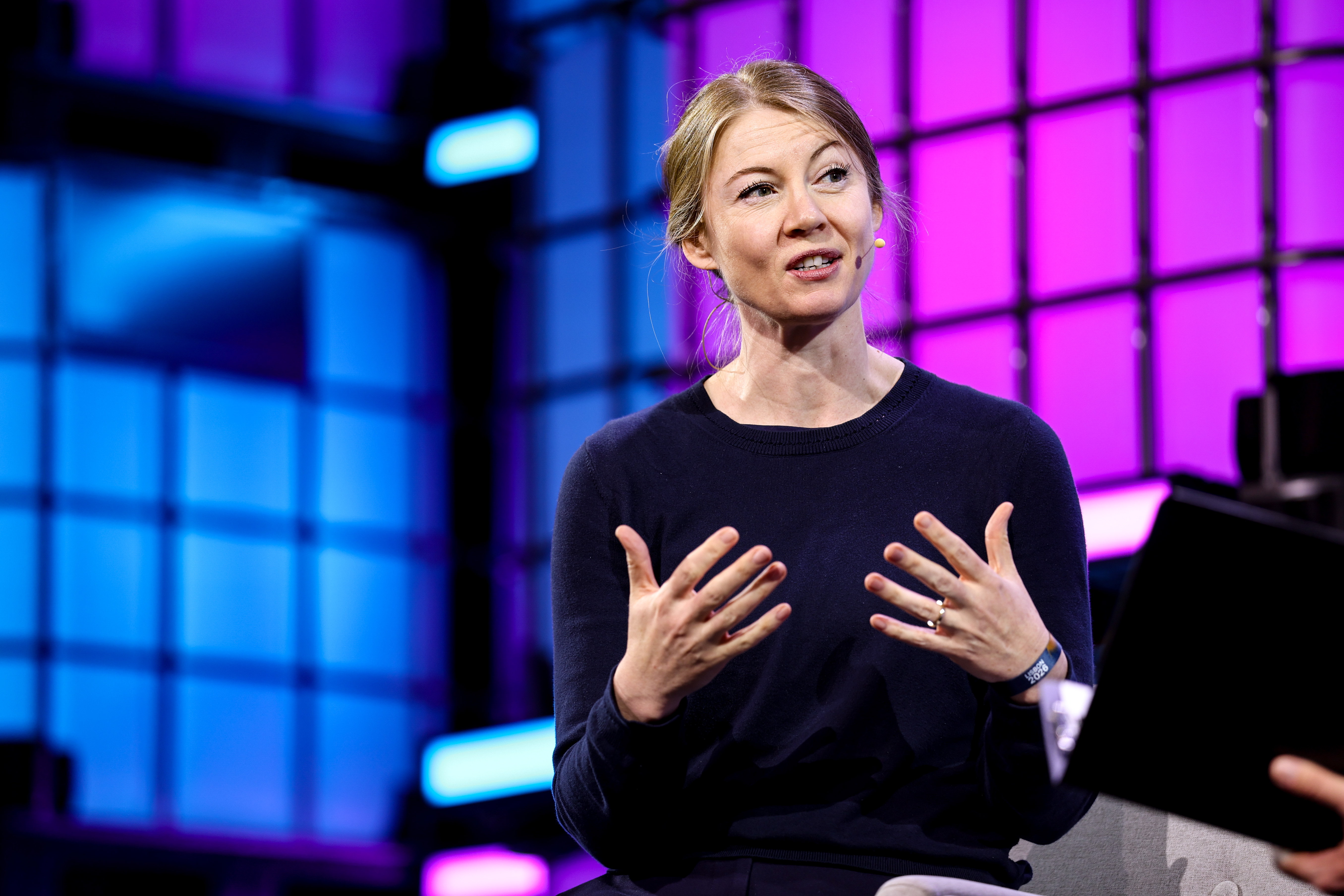
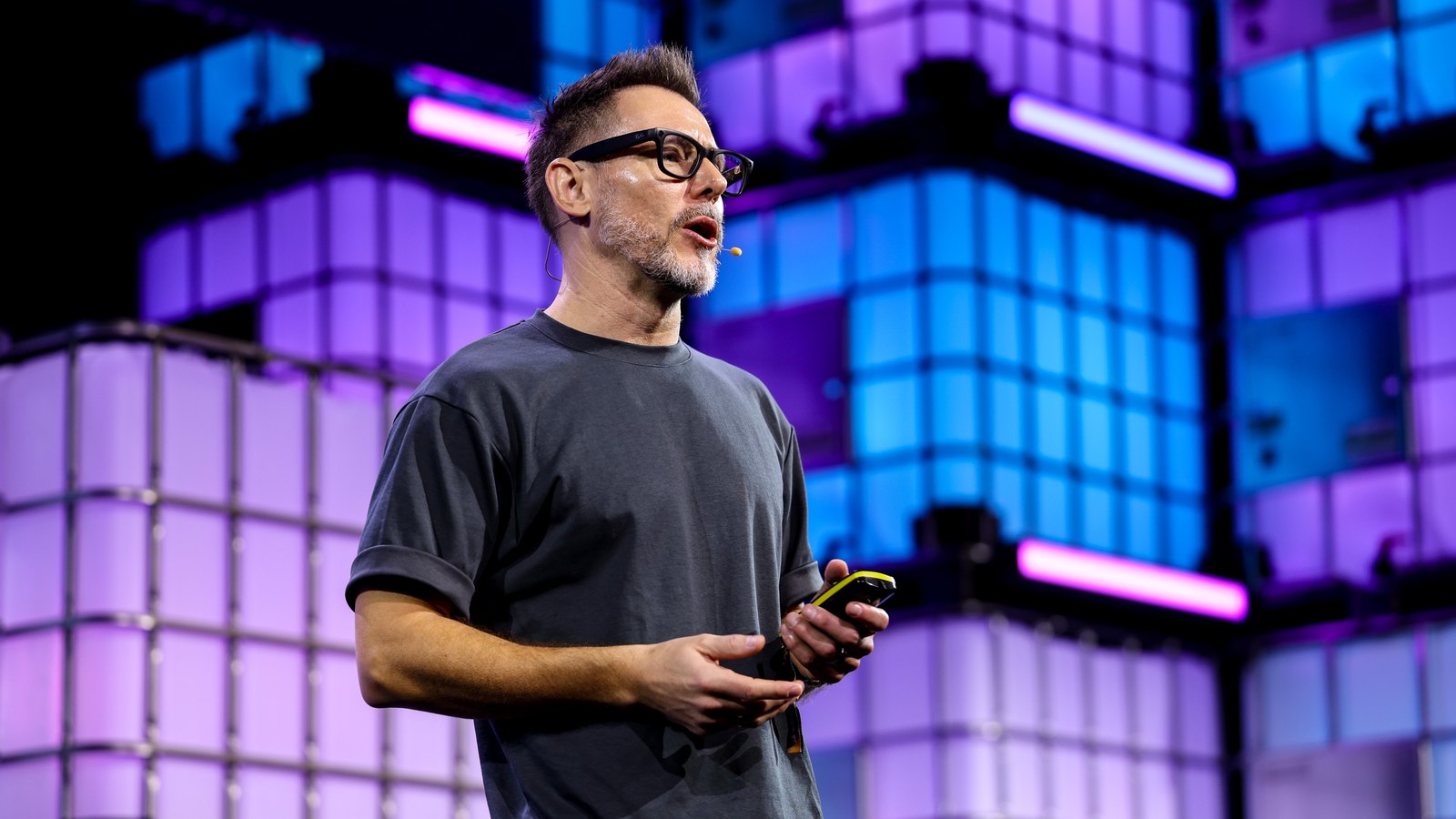
What if a routine blood test could tell you something useful about your future health, rather than simply whether today's values fall within a reference range? That's the proposition behind the Humanity app and the biological-age work its CEO Peter Ward discussed at Web Summit 2026.
What is the Humanity app trying to show?
Humanity says its models use routine blood-test information to estimate biological-age-related patterns and health risk. A biological-age estimate is not the same as a person's date of birth. It is a model-derived interpretation of signals associated with biological function or population-level risk.
The attraction is understandable. Blood tests are familiar, and people want to know whether everyday decisions may affect health over time. Yet a prediction derived from statistical associations is not a diagnosis, a forecast of a specific disease or proof that a certain intervention will extend life.
What did Quest Diagnostics announce?
On August 25, 2026, Quest Diagnostics and Humanity announced that Humanity Biological Age would be offered in the United States as an add-on to selected consumer-initiated blood tests through Quest's consumer platform.
The partnership is commercially interesting because distribution often determines whether preventive-health products reach people beyond early adopters. A consumer testing platform can provide a more familiar purchasing and specimen-collection route than an entirely new direct-to-consumer testing system.
But distribution is not clinical validation. A widely available score is useful only to the extent that people understand what it estimates, what it does not predict and what actions are supported by evidence.
Can a standard blood test measure biological age?
It can contribute information to a model that estimates biological age under a specified definition. That is different from measuring a single universally accepted biological-age quantity. Models may use different outcomes, training datasets and assumptions, and their performance may vary across populations.
Readers should also distinguish association from intervention. A score changing after an intervention does not, by itself, establish that the intervention reduces future disease or mortality. To make that claim, prospective clinical outcomes matter.
Understanding the scope of a biological-age estimate
Humanity's language about prediction and validation should be understood in relation to the studies and endpoints actually presented. Published materials do not establish that the app can diagnose illness from routine blood work or precisely predict an individual's future.
For the company, the most meaningful next evidence would show how well its estimates hold up prospectively and whether presenting them improves decisions rather than simply generating anxiety.
Biological age is an appealing idea with a difficult definition
A person's chronological age is unambiguous: it measures the time since birth. Biological age is an attempt to describe how the body is ageing, often using a combination of physiological or molecular measurements. Different methods can produce different results because they emphasise different signals and were developed for different purposes.
That makes biological-age products attractive and challenging at the same time. People understandably want a simple answer to whether their health is improving and what they can do about it. Yet the translation from a set of biomarkers to one number depends on assumptions that may not be visible in a consumer interface.
Humanity's proposition, as publicly described, involves using routinely collected blood-test information to generate insights related to biological age and disease risk. This is interesting partly because it builds on tests already familiar to patients and clinicians. It could make additional interpretation easier to access if the method performs well. But the presence of a standard blood test does not automatically validate every new inference made from its results.
A routine laboratory measurement may have a well-established meaning for an individual condition or clinical question. Combining multiple measurements into a proprietary score introduces an additional analytical layer. That layer needs to be evaluated against what it claims to predict, in the people who will use it.
An existing testing route for a new analytical layer
Quest Diagnostics' August 25 announcement established a US consumer offering for Humanity Biological Age, adding a purchasing and specimen-collection route through an existing laboratory platform.
Distribution through an established laboratory organisation can help a consumer product reach users and draw upon existing testing infrastructure. It can also make the product seem more clinically established in the eyes of consumers. That perception creates an obligation to explain exactly which claims are supported.
A company may use validated laboratory assays as inputs while offering an algorithmic score that requires separate evaluation. Readers should distinguish the quality of a blood measurement from the clinical validity and usefulness of the interpretation applied to it. The fact that a familiar laboratory brand participates in a distribution arrangement does not itself establish that every downstream prediction is clinically actionable.
The offering combines an existing testing route with an additional analytical layer. Its usefulness depends on the methodology behind the estimate and the decisions that the information is intended to support.
Prediction is not the same as diagnosis
Disease-risk modelling can be useful in healthcare. Clinicians already make decisions using combinations of age, medical history, symptoms and test results. But a model's output depends on the condition being assessed, the population in which it was developed and the decision it is intended to support.
Consider what happens when a consumer receives a risk score without that context. A number may feel definitive even if it represents a statistical estimate. A high score may worry someone who does not understand the baseline probability. A low score may offer false reassurance if the model does not account for an important factor in that person's circumstances.
A useful product must therefore communicate the meaning of its estimates clearly. It should show what the score is intended to represent, whether it has been evaluated in a relevant population and what the user should reasonably do with the information. Those questions are especially important when the interface encourages people to make lifestyle or healthcare decisions based on a prediction.
The phrase validated can also conceal different kinds of evidence. A model may have been tested internally against held-out data, compared retrospectively with outcomes in an existing dataset or assessed prospectively in real users. These studies answer different questions. Disease-prediction capabilities and validation methods should be understood in the context of the evidence the company shares.

What would make a biological-age score useful?
The first requirement is repeatability. If the same person takes a similar set of tests under similar circumstances, a large unexplained swing in biological age could undermine confidence. Laboratory measurements naturally vary, and an interpretive system should account for that rather than turning every small fluctuation into a dramatic claim.
The second requirement is meaningful association with outcomes. A score that changes when biomarkers change might be mathematically responsive, but readers need to know whether the change corresponds to a difference that matters for health. That does not mean every wellness product must demonstrate reduced mortality before it can be useful. It does mean that the strength of a claim should match the quality of the supporting evidence.
The third is actionability. A person might be shown that their risk estimate has changed, but what should they do? The answer should not encourage unnecessary testing or imply that changing a proprietary score is always a worthwhile clinical goal. Where conventional risk factors or established medical recommendations are relevant, the product should help users understand them rather than obscure them behind a new metric.
Finally, the evaluation should include people with varied backgrounds and health characteristics. A model can perform differently when deployed beyond the population in which it was developed. Reporting performance transparently would help consumers and clinicians understand where the estimates are most and least reliable.
The commercial temptation to promise more
Consumer health products operate in a market where people are willing to pay for clarity about their future. The commercial incentive is to offer an answer that feels simple, immediate and personal. But medical uncertainty is not a design flaw that can always be removed from the experience.
One business challenge is retention. If a product encourages repeated testing, customers need a credible reason to believe that the new measurement adds value. Frequent checking can become expensive and may create anxiety if the output moves without a clear clinical interpretation. More engagement is not necessarily better health.
For clinical partners, the question is how such information fits into existing care. Does a score help identify an appropriate next step, or does it create extra appointments to explain something that established tests already communicate? The answer depends on how the tool is used and the evidence available.
Making prediction useful
Ward's Web Summit discussion brought biological-age interpretation into the conversation about preventive health. The Quest offering provides a concrete product context, while the distinction between prediction, diagnosis and useful action remains central to understanding the category.
There is genuine interest in using data more intelligently to prevent disease. The risk is that a sophisticated score can outrun the evidence available to interpret it. Humanity will be worth watching if it can demonstrate not only that it generates compelling numbers, but that those numbers help people make better-informed decisions.