
Heart failure is one of the largest drivers of hospital admissions in the United States, and much of inpatient care comes down to one question: how much fluid does this patient really carry? Clinicians still answer it largely with indirect signs: swelling, neck veins, chest images, weight and lab values.
Daxor Corporation used the Heart Failure Society of America (HFSA) 2026 Annual Scientific Meeting in Phoenix, held October 9 to 12, to showcase its FDA 510(k)-cleared next-generation Blood Volume Analyzer (BVA). The company says the new system delivers results three times faster than its predecessor while using half the blood sample. Independent investigators presented two ePosters on how BVA addresses volume problems in complex heart failure, left ventricular assist device (LVAD) and total artificial heart patients.
In This Deep Dive:
- Why this matters now: the limits of indirect volume assessment in heart failure.
- What actually happened: a faster, FDA-cleared analyzer and new clinical presentations at HFSA 2026.
- The obvious read versus the deeper signal: a hardware upgrade versus same-day volume data.
- How indicator dilution works and how BVA compares with other hemodynamic tools.
- The Evidence Ladder, illustrative economics and the HealthTech Investor's Signal.
- Counter-thesis and four indicators to watch over the next 12 to 24 months.
Why this matters now
Getting fluid balance right is central to heart failure treatment. Removing too much fluid can strain the kidneys and lower blood pressure; removing too little leaves patients congested and more likely to return to hospital. Published research has repeatedly shown that bedside estimates of volume status can be inaccurate in a substantial share of patients.
One specific trap is apparent anemia. A low hematocrit is usually read as a shortage of red cells, but in some heart failure patients the red cell mass is normal and the plasma volume is expanded, diluting the measurement. Direct blood volume measurement separates plasma volume from red cell volume, which can change how teams think about diuretics and transfusion.
What actually happened
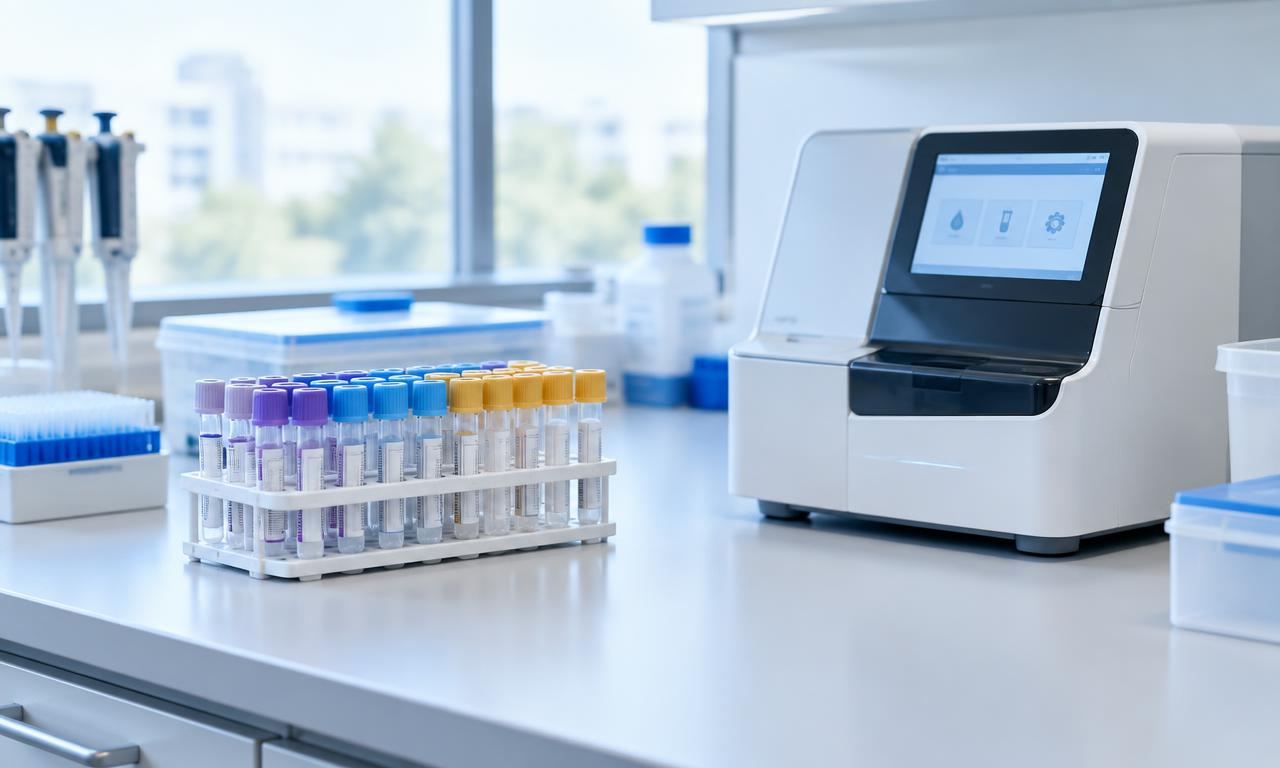
Daxor's next-generation BVA is a lab-based analyzer cleared by the FDA under the 510(k) pathway. The company highlights a workflow about three times faster than the legacy BVA-100 and a 50% smaller sample, changes intended to make blood volume testing practical for routine inpatient and outpatient use.
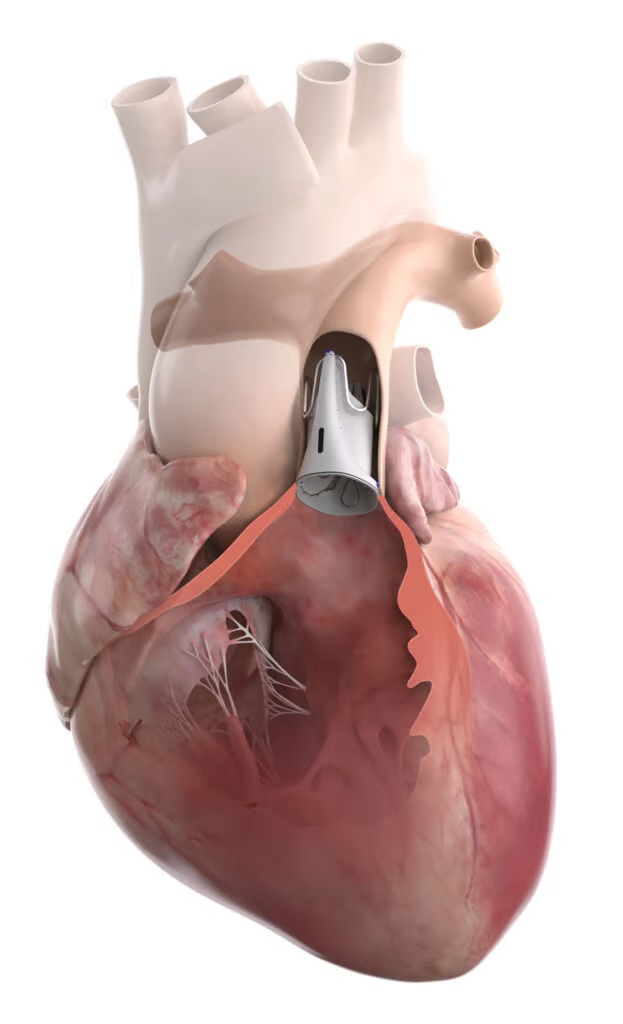
At HFSA 2026, two ePosters from independent clinical investigators described BVA findings in complex heart failure, LVAD and total artificial heart patients, a population in which conventional volume signs are particularly difficult to interpret. Daxor also took part in HFSA's dedicated Device Day and exhibited on the meeting floor.
The obvious read versus the deeper signal
The obvious read is a faster instrument for an established nuclear medicine test.
The deeper signal is timing. When a blood volume result arrives quickly, it can inform decisions on the day they are made: a baseline on admission, adjustments during decongestion, and confirmation before discharge. That moves blood volume from an occasional specialist test toward routine decision support, which is the step Daxor needs for broader adoption.