Key Signals
- Contour Medical won the MedTech World Startup Pitch Competition on 13 November 2026, ahead of nine other startups, judged by 10 investors.
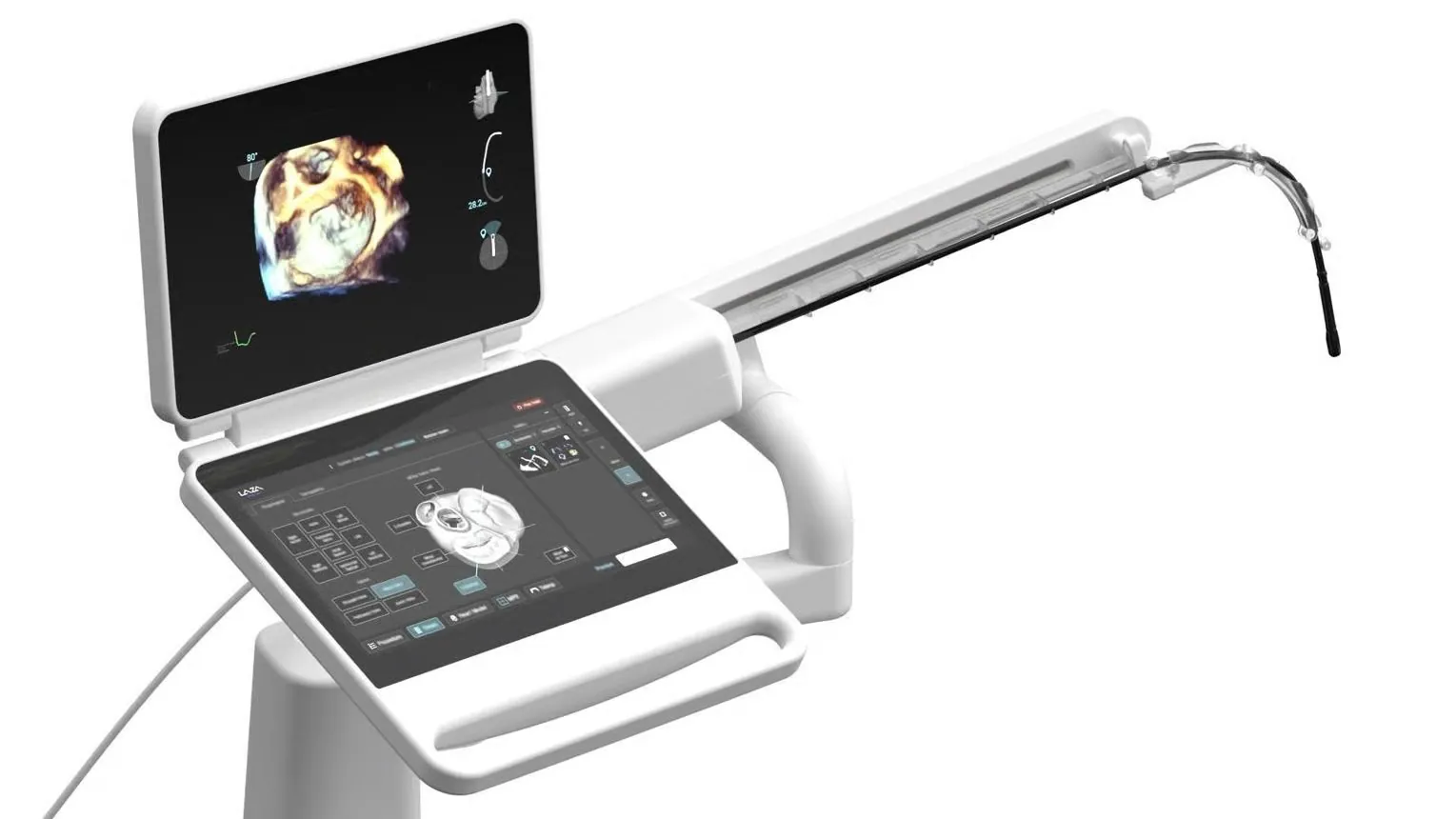
- Its ATLAS 360 catheter replaces nitinol with a soft elastomer and a printed flex circuit, aiming to map an entire heart chamber and ablate with the same device.
- On stage the founders said animal work showed a 94% faster procedure, that the FDA had told them they would qualify for Breakthrough Device designation, and that a catheter costs them about $250 to make. These are company claims, not peer-reviewed results.
- The plan is a 510(k) for the mapping catheter first, after a first-in-human study planned for next year, then the ablation version.
- A day earlier, a cardiovascular panel heard the moderator estimate that Medtronic and Boston Scientific perform around 90% of PFA procedures. Investor Ken Nelson still named Contour as an interesting challenger.
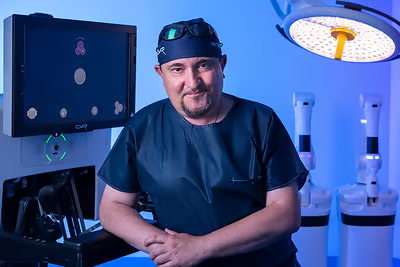
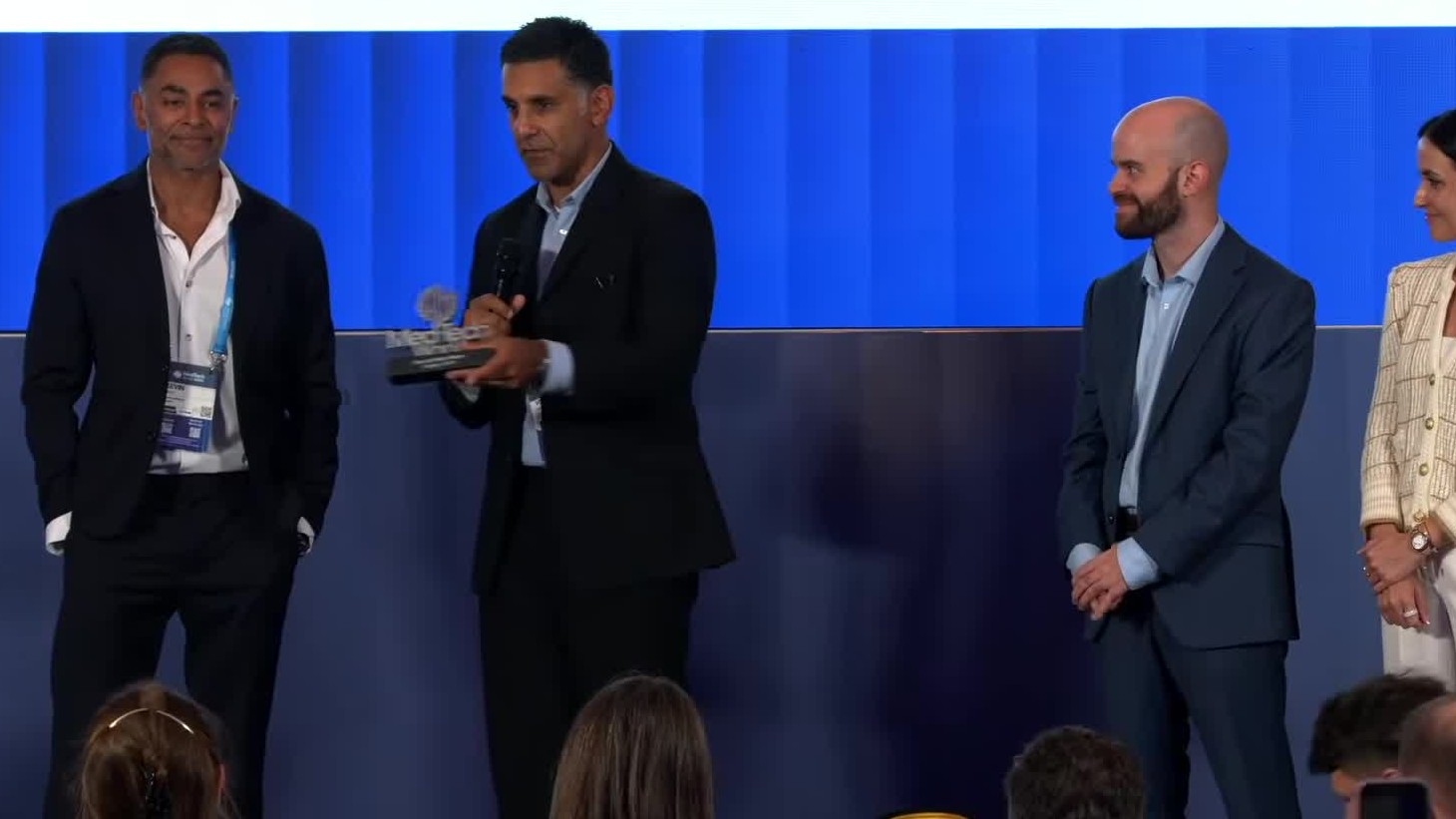
Ten startups, three minutes each, three minutes of questions. That was the format of the MedTech World Startup Pitch Competition on the La Valette Stage on the last afternoon of MedTech World Europe 2026. The winner was Contour Medical, a cardiac electrophysiology startup co-founded by CEO Vidur Sahney and Chief Strategy Officer Dr. Kevin Makati, a practising electrophysiologist.
When the judges were asked what decided it, the first answer was the dual purpose of the device: mapping and treatment in one catheter.
What Contour is building
Makati opened the pitch with the clinical problem. Commercial ablation catheters, he said, are stiff, and many deliver energy in all directions, which he linked to procedural complications. Contour's answer is a soft elastomer bonded to a printed circuit board. It is designed to hug the contour of the heart and work in any chamber, atrium or ventricle.
The second argument was about mapping. Today, he said, most systems take many small pictures of the heart and stitch them together by computer, which leaves room for error. A larger, conformable catheter can capture the whole chamber at once, which matters for understanding the spatial and timing patterns of atrial fibrillation. Contour's website calls the device ATLAS 360 and describes it as a single ultra high density mapping and ablation catheter.
| Claim made on stage | Status |
|---|---|
| 94% faster than catheters EPs use today | Shown in animals, per the company |
| Qualifies for FDA Breakthrough Device designation | Company says the FDA told it so; no designation announced |
| About $250 to make, versus $700 to $1,100 for incumbents | Company estimate |
| Market "teetering into $8 billion" | Company figure for cardiac ablation |
| First-in-human next year, then 510(k) for mapping | Company plan |
The money and the plan
Under questioning, Sahney said the company has raised $2.3 million in non-dilutive funding and $3.3 million from friends and family, with another $2 million soft-circled. About $1 million more, he said, would take it to 510(k) clearance of the mapping catheter. The strategy is diagnostic first, then the therapeutic version on the same catheter. The founders were open that an exit after the mapping product is possible while pulsed field ablation (PFA) development continues. After the US, they plan to target Europe under the MDR and then Latin America. They use an off-the-shelf generator rather than building their own.
Sahney's line on manufacturing got a reaction from the investors in the room. "You can have the best thing in the world if you can't replicate it and make thousands of these," he said. "Strategics do not care about you." On accepting the prize, he called Contour an R&D company that wants to "revolutionize and democratize cardiac ablation", and said bringing a practising clinician onto the founding team was deliberate.
The day before: can a startup still compete in PFA?
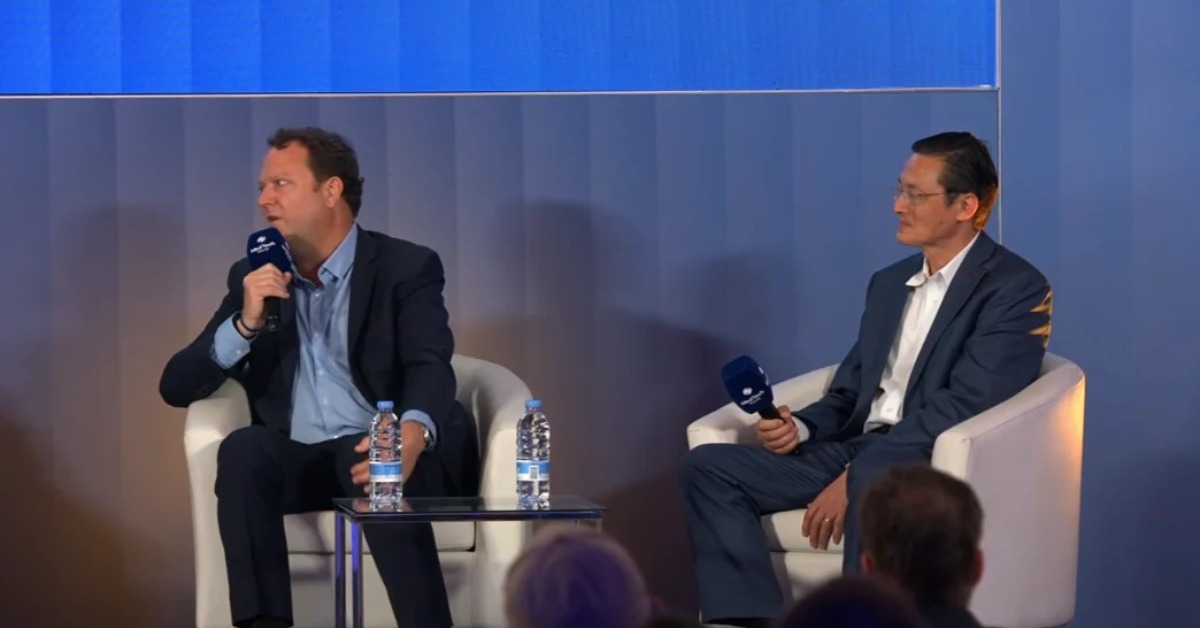
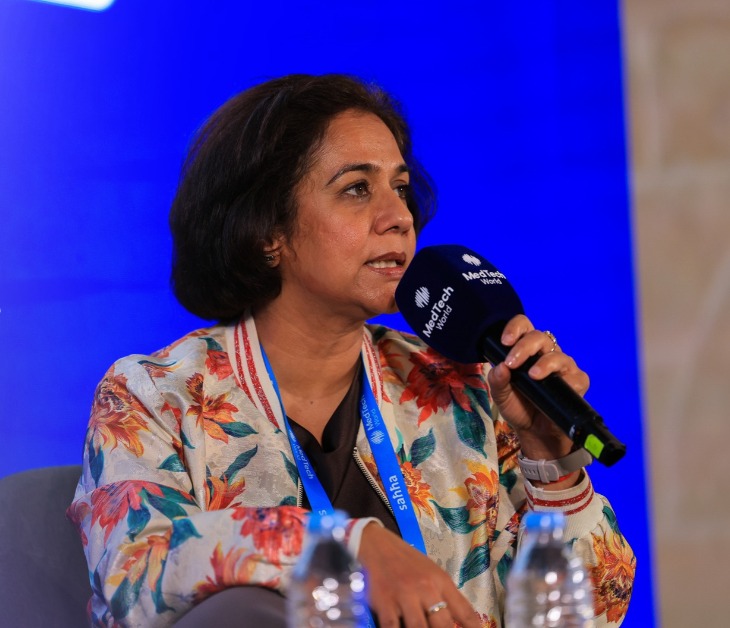
Contour's win landed on a debate that had played out on the same stage the previous afternoon. "The Cardiovascular Platform Race: PFA, Structural Heart, Imaging and Robotics" was moderated by Danny Syring, Head of Commercial at FloodGate Medical, with Ken Nelson of Nelson Jennings Ventures, Stefaan Van Der Meulen of 21Bridge Capital Partners and Jian Cao, Research Program Director and Technical Fellow at Medtronic.
Syring framed the problem. PFA has taken off since around 2023 to 2024, and he estimated that about 90% of procedures use Medtronic or Boston Scientific technology. Is that a reason to back a challenger, or a reason to walk away?
Nelson, who helped commercialise iRhythm, BioTelemetry and Bardy Diagnostics, said both. Two large players educate the market, and Boston Scientific's Farapulse has taken share quickly. But expensive trials create a barrier. He still sees room for disruptive technology, naming Pulse Biosciences and Contour Medical. "You can't say it's a crowded space when there's really two players on the market," he said.
Cao described a different response from a strategic. In China alone, he said, he could count more than 10 PFA startups, and Medtronic has invested in two companies there, including one with intracardiac ultrasound that complements its PFA work. He also said Medtronic has combined its cardiac rhythm management and cardiac ablation businesses into one electrophysiology unit.
Van Der Meulen, who founded a CRO that was acquired by NAMSA, said he now sees strategics involved earlier, even in clinical trial design. Nelson added that key physicians matter too. He pointed to Vivek Reddy, who led Farapulse trials and is now involved with some emerging players, and to Farapulse founder Steven Mickelsen, whose newer company, Field Medical, is taking PFA into ventricular tachycardia.
What an expert reader should take away
| Question | What we know |
|---|---|
| Is PFA dominated by two companies? | On stage, Syring estimated about 90% of procedures; treat it as his estimate |
| Is there room for new entrants? | Investors on both panels said yes, if the technology is clearly different |
| Where is Contour on the evidence curve? | Preclinical. Animal data reported by the company, first-in-human planned |
| What could make or break it? | Human safety data, mapping accuracy against current systems, and manufacturing at scale |
My take
I like what Contour is trying to do. Fewer catheter exchanges and a device that fits the patient's anatomy instead of the other way round are real clinical goals. But this is still a preclinical company with company-reported numbers. The 94% figure, the cost estimate and the FDA conversation all need independent confirmation, and electrophysiologists will want to see human safety data and mapping accuracy against systems they already trust.
What the week in Malta showed is that investors have not written off PFA challengers. Nelson's view, that the incumbents tend to assume "they'll never be able to compete with us", is a good reminder that cardiology has been disrupted before. Contour now has a prize package that includes cybersecurity, CRO and regulatory consulting, which it will need on the road to first-in-human.
Sources
- MedTech World Europe 2026, Day 2 livestream: Startup Pitch Competition, Contour Medical pitch (13 November 2026, from about 6:38)
- MedTech World: Contour Medical wins MedTech World Startup Pitch 2026 (16 November 2026)
- Contour Medical: ATLAS 360 and team
- MedTech World Europe 2026, Day 1 livestream: "The Cardiovascular Platform Race" (12 November 2026, from about 6:30)
- MedTech World: The cardiovascular platform race, PFA, AI and robotics (12 November 2026)
- MedTech Dive: Steven Mickelsen, Farapulse founder, eyes next frontier in pulsed field ablation