Key Signals
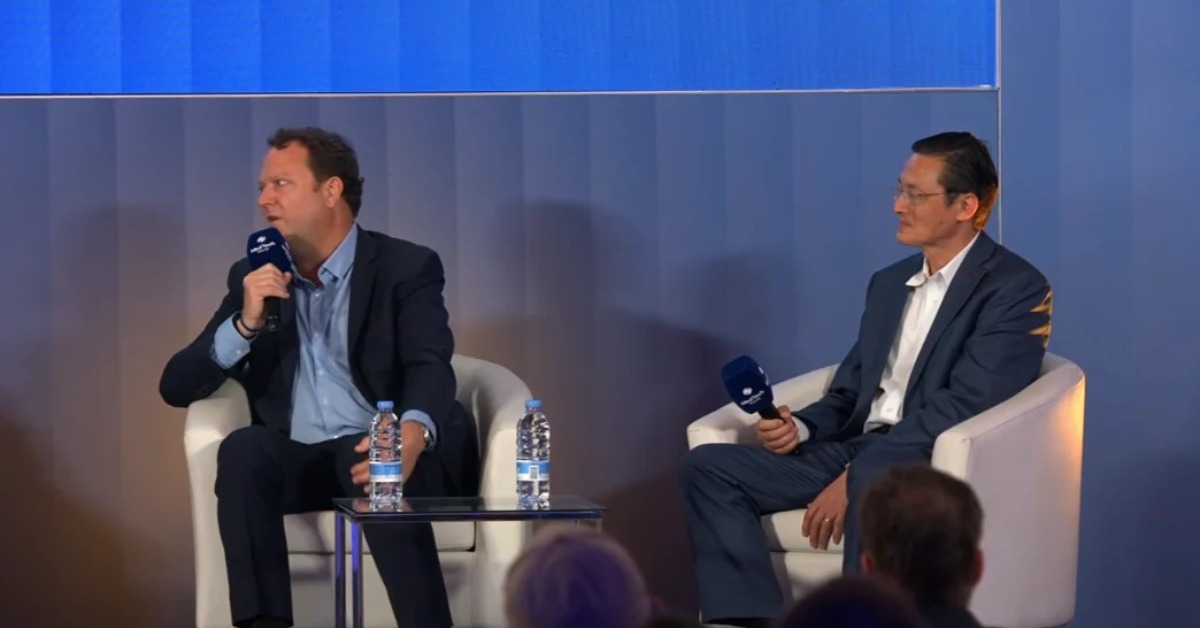
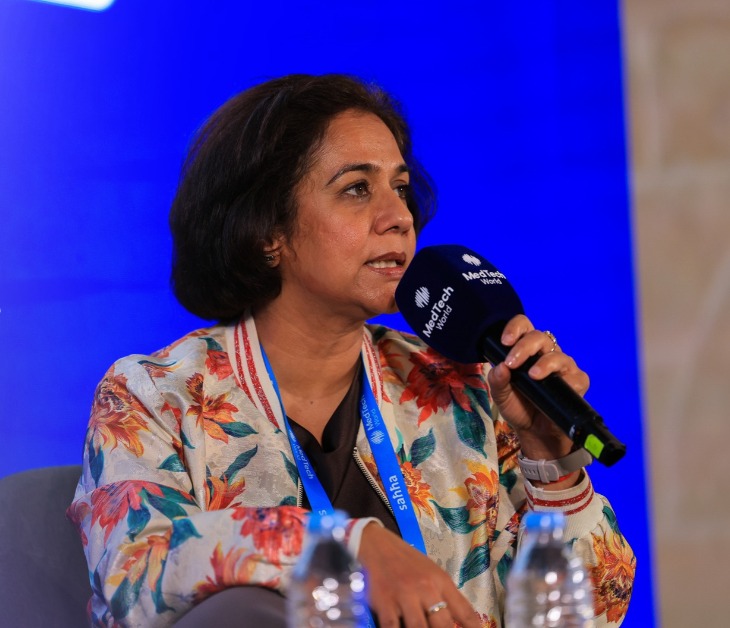
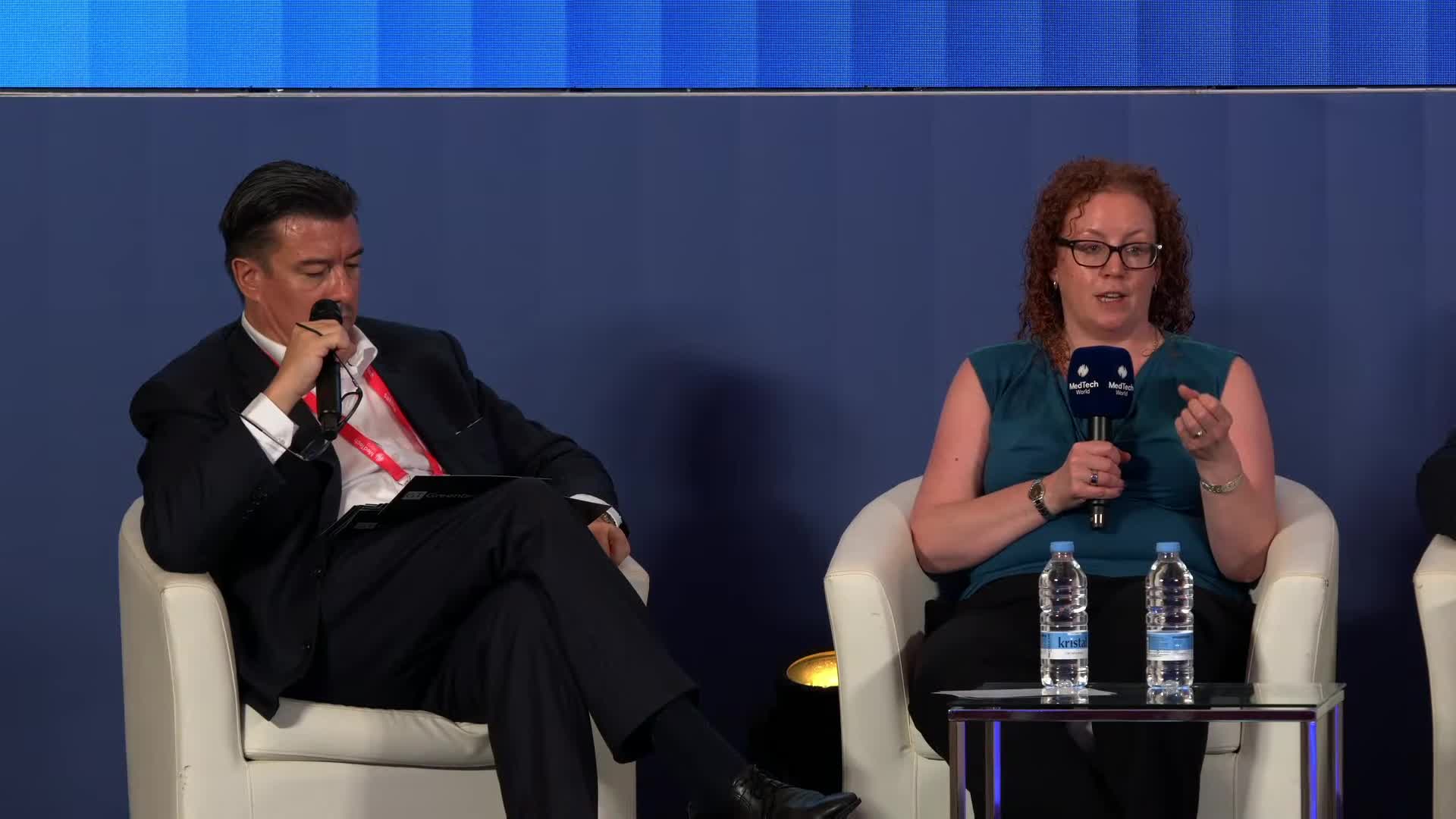
- Four US hospital venture arms shared one stage in Valletta on 13 November: Cleveland Clinic Ventures, OSF Ventures, Ballad Ventures and TGH Ventures.
- Their message to founders: the capital matters less than the access. A health system can give you clinical champions, co-development, a first customer and a validation site.
- The ROI bar has moved. One panellist said value now has to show up "from day one", and Cleveland Clinic described much of its co-development work as building that ROI case with the company.
- Non-US founders need clinical data that fits US patients, a plan for FDA and reimbursement, and evidence that the product works beyond one flagship academic centre.
- Each fund does only a handful of deals a year, from about four to eight, which makes warm clinician introductions unusually valuable.
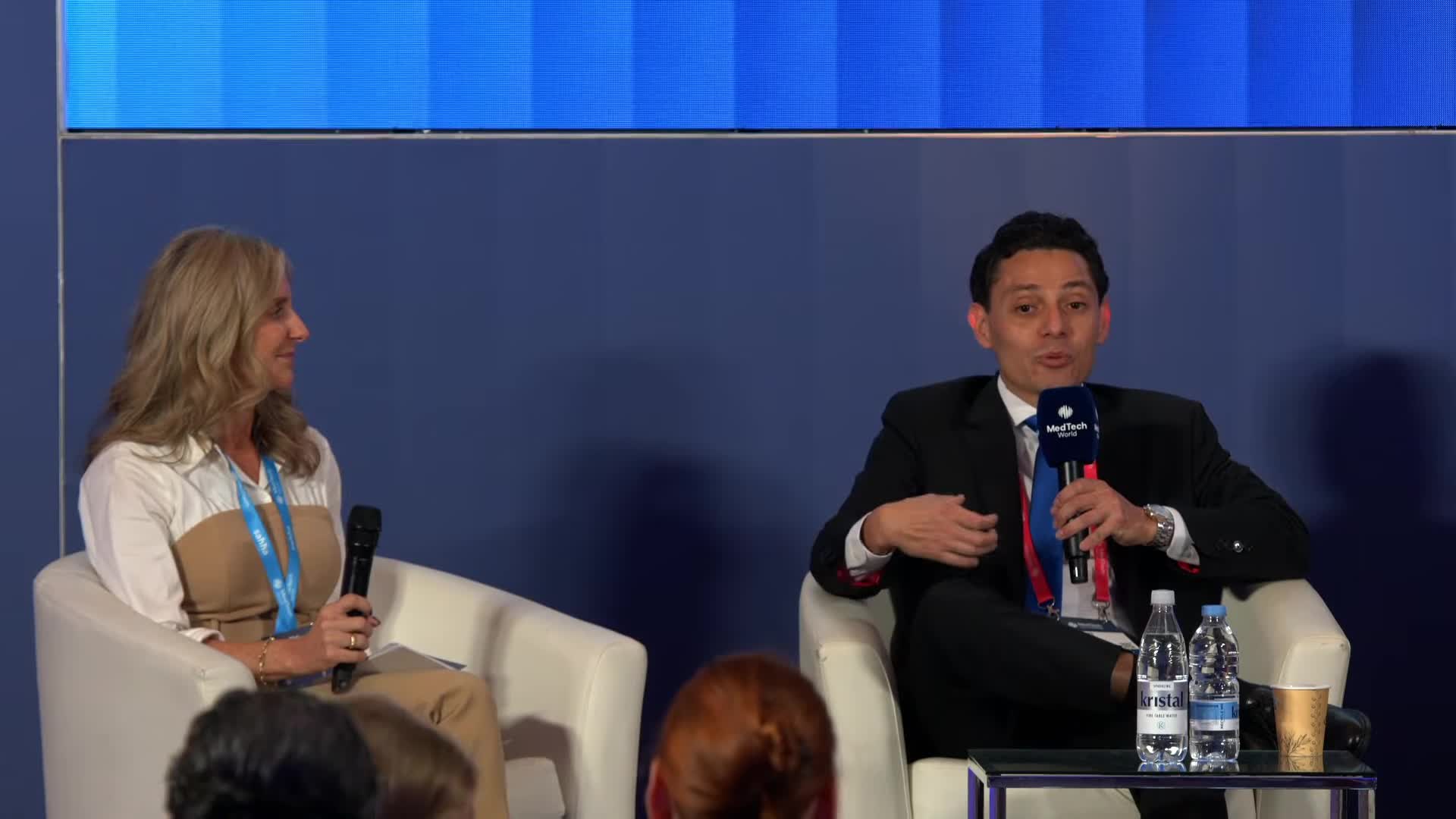
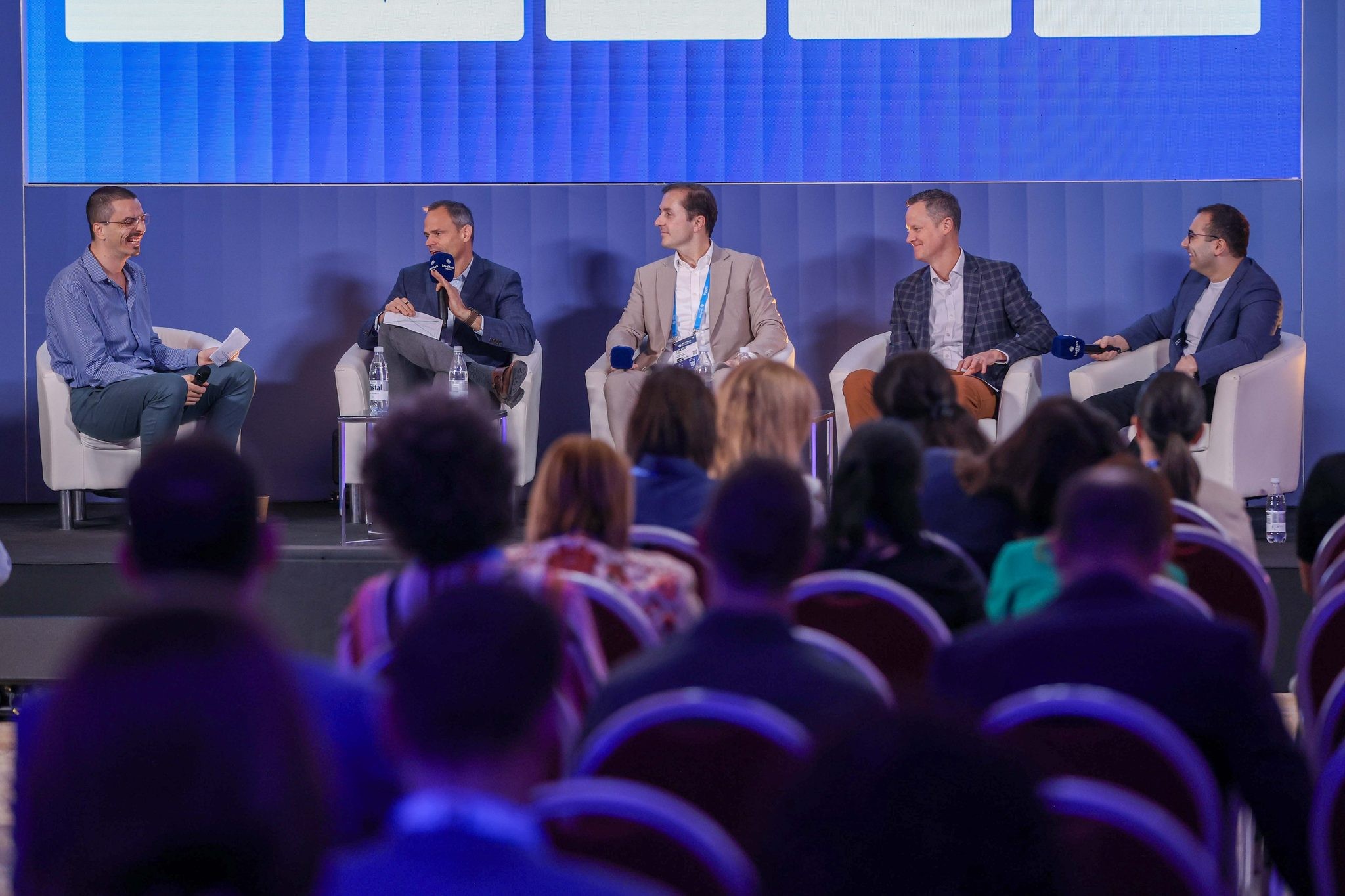
The panel opened with a show of hands. Who in the room wanted a hospital system as an investor? Plenty of hands. Who wanted one as a customer? Almost everyone. The moderator, Alejandro Huenich, founder of Decoto International, noticed the gap between the two answers and spent the next 40 minutes on it.
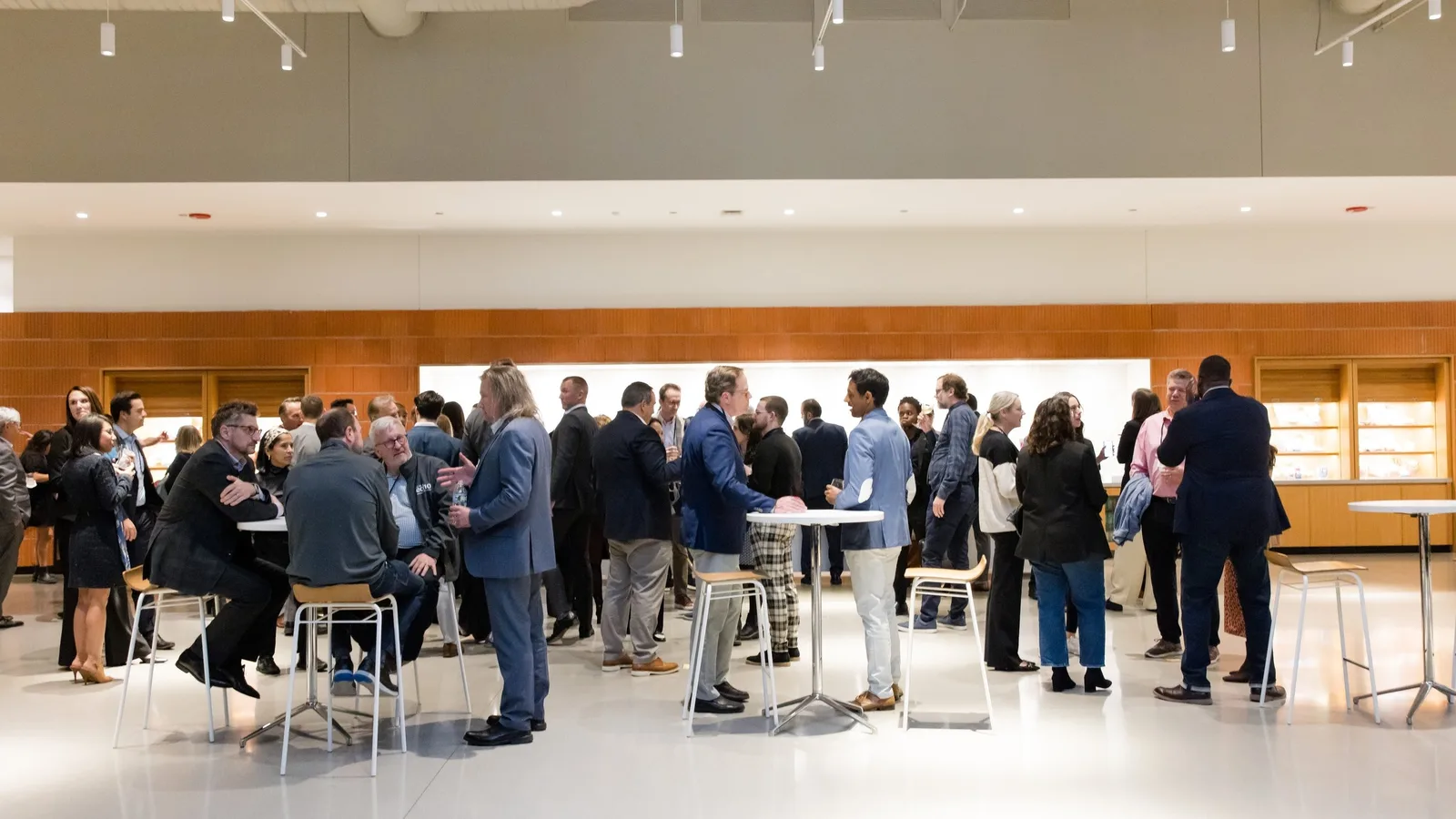
The session, "The Health System as Investor: Inside Corporate Venture Arms at Hospital Networks", ran early on the second day of MedTech World Europe 2026 at the Mediterranean Conference Centre in Valletta. It was one of the most useful hours of the week for any founder who plans to sell into US hospitals, and the room was full the morning after a late night in Valletta.
Who was on stage
| Investor | Health system | What they said about their fund |
|---|---|---|
| Todd Schwarzinger, Partner | Cleveland Clinic Ventures | Starts companies from Cleveland Clinic research and invests externally only where there is a deep clinical or IP partnership |
| Liridon Rrushaj, Director of Venture Investing | OSF Ventures (OSF HealthCare, Peoria, Illinois) | 17-hospital Catholic system, venture arm active for more than 10 years, current fund of $100 million, takes a board observer or voting seat in every deal |
| Mike Anderes, Managing Director | Ballad Ventures (Ballad Health) | $30 million fund, pre-seed to Series A, wants at least 80% of investments to carry a commercial contract with the health system |
| Anthony Zlaket, Venture Fund Manager | TGH Ventures (Tampa General Hospital) | Seed to Series B with Series A as the sweet spot, usually co-invests alongside an institutional lead |
Fund sizes and portfolio figures are as the panellists described them on stage.
The cheque is the smallest part of the deal
Schwarzinger was blunt about where his value sits. "The biggest value we bring is not the capital to the story," he said. "It's usually the deep relationship, the integration into the system, the other capabilities we're bringing."
He described half his job as being a sherpa inside Cleveland Clinic, walking portfolio companies to the right clinicians and researchers. Success there, he said, comes down to finding a champion who will help build and evolve the technology, not just sign off on it. Cleveland Clinic has around 80,000 caregivers, and if none of them is passionate about a product, the deal never reaches his desk.
Zlaket added a practical tip that every founder should take. If you have already spoken to a named doctor in the system before you pitch, say so. It saves the investor a search and shows you have done the internal work.
The ROI test got harder
When the conversation turned to AI, nobody on stage was dismissive, but nobody was dazzled either. One panellist warned that putting AI in a deck now adds work, because it sends the product through the hospital's AI governance committee. Another said they keep a timer on how long it takes a founder to say "AI" in a pitch. It always comes up.
Rrushaj said software-only companies are out of fashion with many investors, and that OSF is bullish on hardware and software combinations, especially FDA-cleared devices with software as a medical device on top. Zlaket said TGH has reworked its thesis around what it calls health tech convergence and rarely invests in pure AI solutions now. Schwarzinger framed the AI problem as durability: great demos are easy, but deploying AI inside a complex organisation is hard, so the lasting competitive advantage is unclear.
For tools that improve hospital operations rather than treat patients, the bar is ROI. "The ROI has to be immediate," one panellist said, describing it as needing to show up "from day one". Schwarzinger offered the useful nuance. With Series A and B companies, he said, a lot of Cleveland Clinic's co-development work is building the ROI case together, as long as there is a clear path to real dollar value and better care.
Pricing, pilots and the art of not being an island
Zlaket told the best story of the session. TGH was the first US health system to invest in and partner with a pupillometry company, a device used to measure pupil reactivity in neuro ICU, trauma and emergency care. The product was priced so low that, as a board member, he had to tell the founders to raise prices. Just not for TGH. The room laughed, but the point was serious: a health system investor has a conflict, and the good ones manage it openly.
Schwarzinger described the reverse case at Cleveland Clinic, where a portfolio company that had delivered significant ROI had priced itself higher than the market would likely bear. The clinic helped it build a more realistic economic story before it went to other providers.
On unpaid pilots, the panel was relaxed but firm:
- An unpaid pilot with a clear scope and fixed time frame is fine for getting in the door.
- Use the first one or two pilots to generate ROI data and learnings that make the next sale easier.
- If your tenth health system is still an unpaid pilot, you have a problem.
- Name-dropping works both ways. These investors know most of their peers, and they will check what you say about other systems.
Anderes added a rural lens. Ballad wants a product that can touch a patient in its service area within two years, and it prefers to see another health system in the round so it is not alone.
What non-US founders should prepare
The question many Europeans in the room came for was what to have ready before calling. Zlaket split it into two tests. Clinical viability means data that applies to US patients. He gave the example of a Japanese GI company whose trial population did not reflect American body types. Commercial viability means understanding reimbursement, the FDA, pricing and how the business model fits inside a health system, and showing how you will apply that knowledge.
Schwarzinger pointed to Cleveland Clinic London, near Victoria Station, as a bridge for European companies heading to the US. "The US doesn't have, you know, monopoly on great ideas," he said. He also warned against building only for one famous academic centre. If you solve a problem only for Cleveland Clinic, you may have solved it only for Cleveland Clinic. Anderes made the same case for rural and community hospitals, and Rrushaj noted that not every hospital has residents and fellows to take the call at 2 a.m. when an implant causes a problem.
Strategic return or financial return?
Zlaket called this "the most complex question" for health system funds. At TGH, he said, the investment committee is drawn from the C-suite and leans towards strategic fit, while TGH board members lean towards financial return, so every deal has to satisfy both. Rrushaj said OSF will pass on an investment with strategic value but weak venture returns, though the company can still win a commercial contract. Schwarzinger said strategies change over time and the job continues long after the cheque clears.
Deal flow, by the numbers
| Fund | Deals per year (as stated on stage) | Portfolio |
|---|---|---|
| Cleveland Clinic Ventures | About 6 to 8 | Around 30 companies |
| OSF Ventures | About 4 | 23 active companies |
| Ballad Ventures | About 4 to 6 | New fund, accelerating |
| TGH Ventures | About 4 to 5 | Limited by team bandwidth |
My take
As a doctor, I recognise the hospital these investors described. Products get adopted when a clinician wants them, an operations leader can fund them and IT, cyber and legal stop blocking them. A health system venture arm is a shortcut to all three, which is why it is so valuable and so selective.
The takeaway for founders is to treat the first conversation as a clinical and operational partnership, then talk about money. Bring data that fits the patients you want to treat, show the ROI path in plain numbers and expect to hear no several times. Rrushaj said OSF invested in a company it had rejected three times, after the founder took the feedback each time. "If it's a no for OSF, it's a no for OSF," he said. "It's not a no for Cleveland Clinic."
Sources
- MedTech World Europe 2026, Day 2 livestream, La Valette Stage: "The Health System as Investor" (13 November 2026, from about 0:21)
- MedTech World: How hospital venture arms are shaping MedTech innovation (13 November 2026)
- Todd Schwarzinger, Cleveland Clinic Ventures, post-event takeaways on LinkedIn (November 2026)
- Ballad Health: Ballad Health welcomes Mike Anderes as managing director of Ballad Ventures (4 February 2026)
- MedTech World Europe 2026 speakers