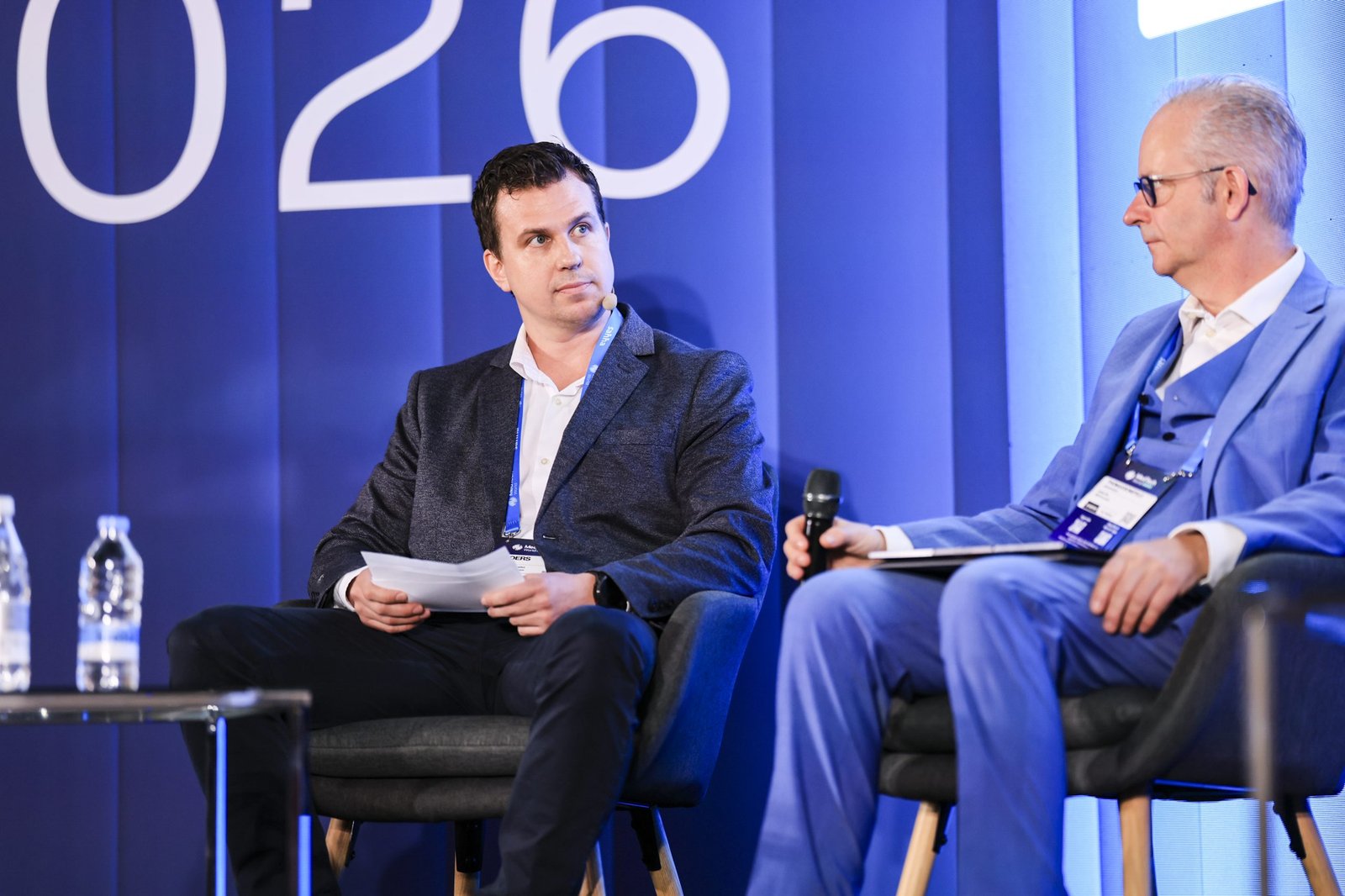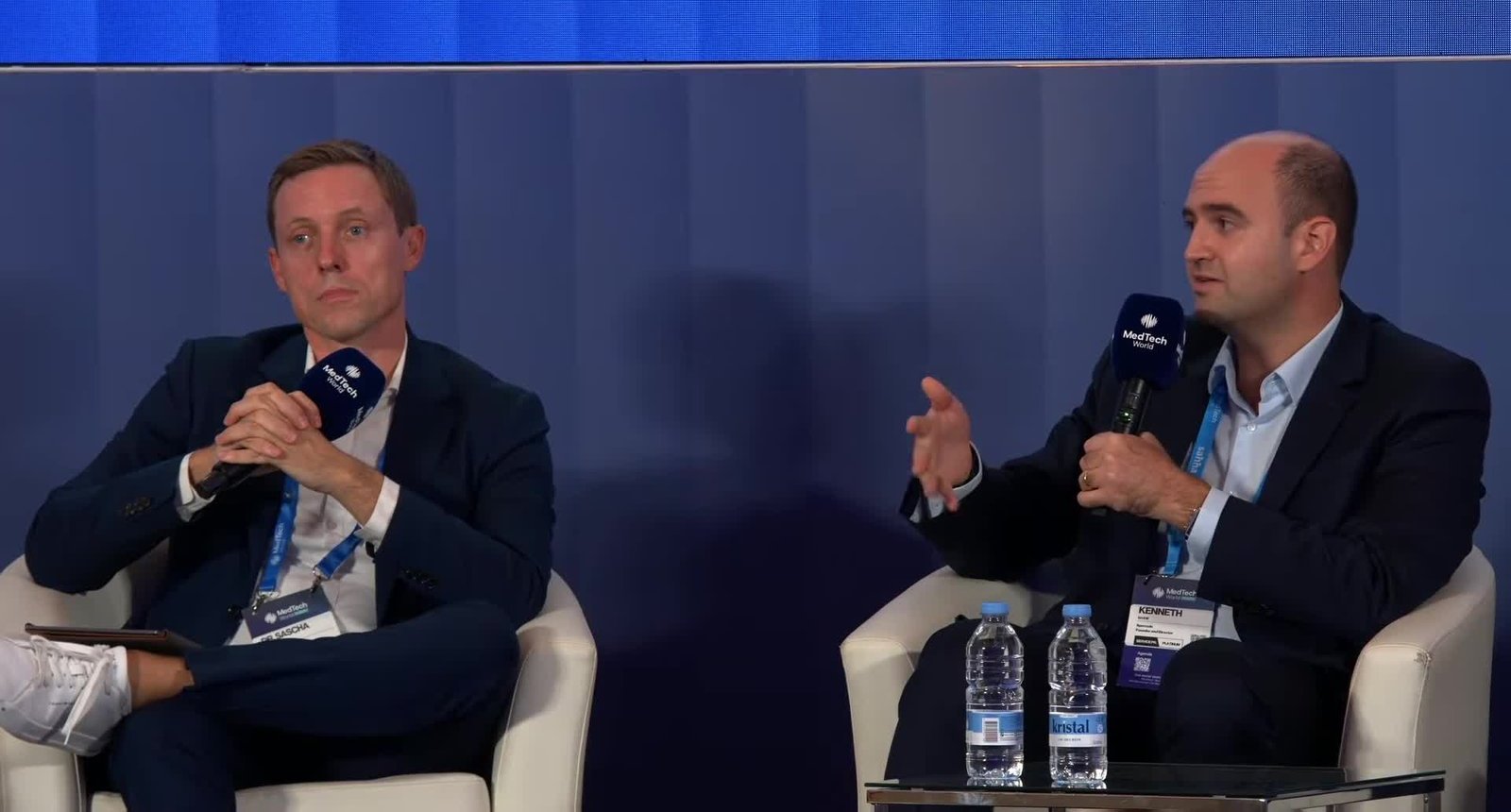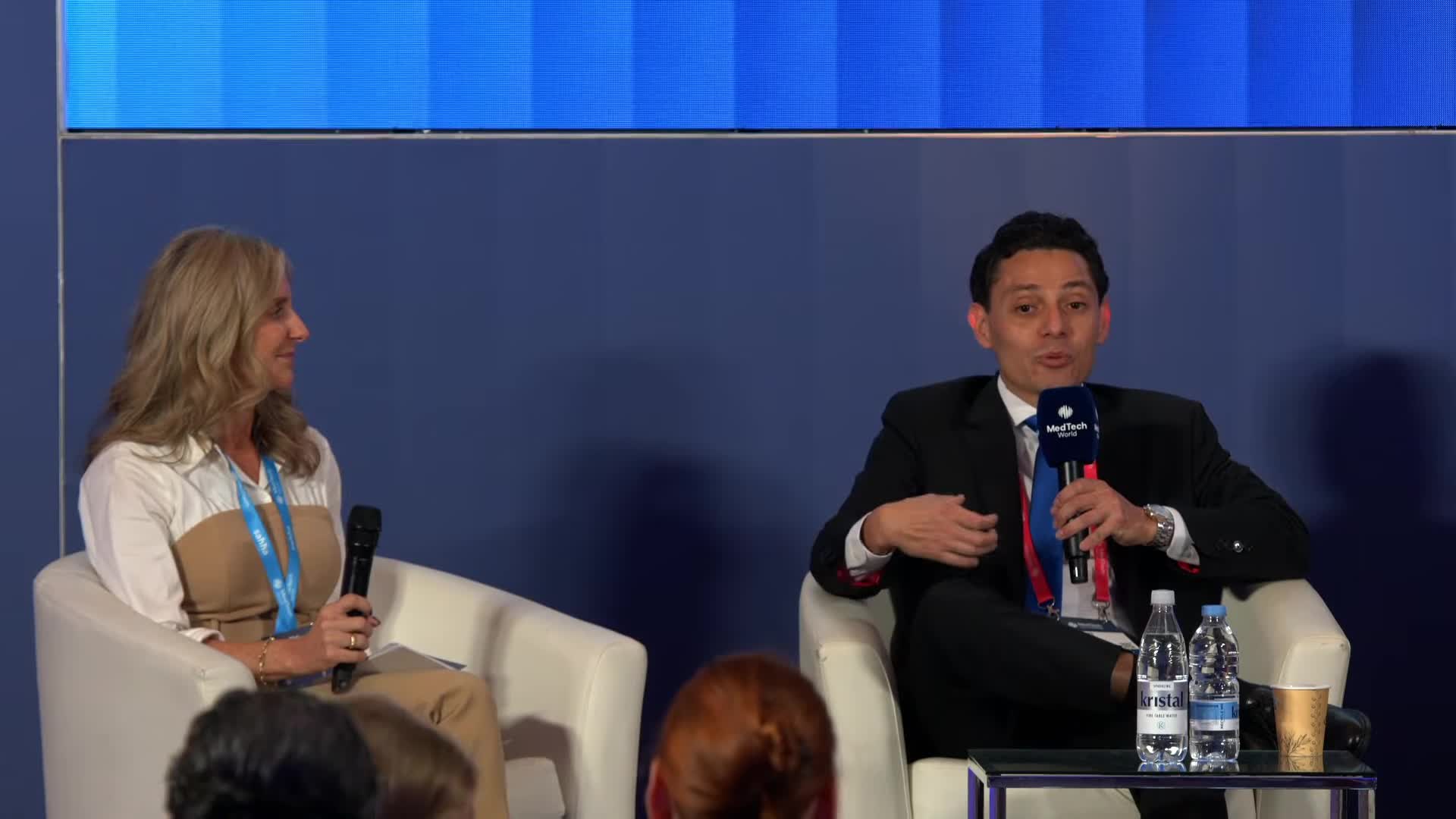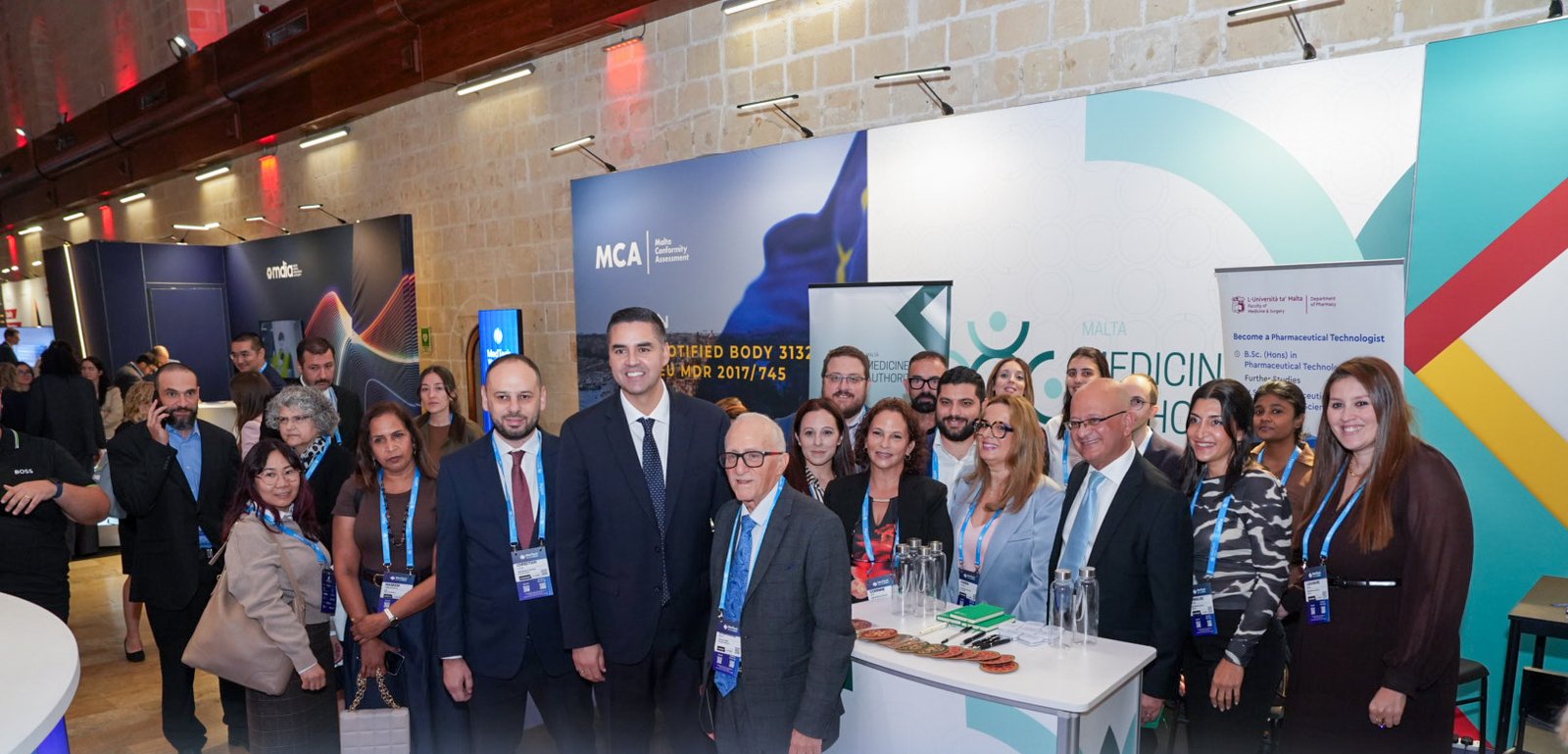
The building set the tone. Moderator Kevin Saem reminded the room that the Mediterranean Conference Centre in Valletta was once a hospital, and that surgery used to be performed in the very hall they were sitting in. Then his panel, "From Prototype to Commercial Scale: Avoiding the Costliest Mistakes in MedTech", spent 40 minutes on how modern device companies waste money on the way from a working prototype to a product a hospital will buy.
Saem leads transformation and AI at RQM+, a clinical research organisation focused on complex devices.
| Speaker | Role | Why they know |
|---|---|---|
| Michael Nilo | President, Nilo Medical Consulting Group | Six years as an FDA lead reviewer for cardiovascular and dental devices, then filings for drug-eluting stents at Biotronik |
| Dr. Rena Dharmawan | Senior Consultant Surgeon, National Cancer Centre Singapore; Duke-NUS Medical School | Co-founder of three Singapore MedTech startups; building a device trial hub for Southeast Asia |
| Paul Du Bois | VP, North American Partnerships, Light Tree Technologies | Takes non-invasive devices from 10 units to 10,000 |
| Tasneem Dohadwala | Founding Partner, Excelestar Ventures | Backed Augmenix, maker of SpaceOAR, later bought by Boston Scientific |
Clearance is not the milestone
Nilo was asked for the most expensive assumption a company makes about its regulatory pathway before it has built anything. His answer: that clearance or approval is the real milestone. Companies push for whatever path looks fastest through the FDA, with no plan for how they will sell what they cleared. "As a regulatory consultant, I'm pretty confident that I can get your company through the FDA," he said. The problem comes later, when the indication on the label does not match what doctors or payers need. "That's the most costly assumption because you end up doing things twice."
The fix is to think downstream first. Work out what doctors, payers and the FDA will each need to see, then design the evidence plan and the budget backwards from there.
Nilo had a sharper warning for academic spin-outs. University projects are often led by a professor whose goal is to publish. They run every animal study possible without clinical input. "They're just going through sheep like they're candy," he said, burning grant and investor money without moving toward a commercial product.
Bring the engineers into the operating room
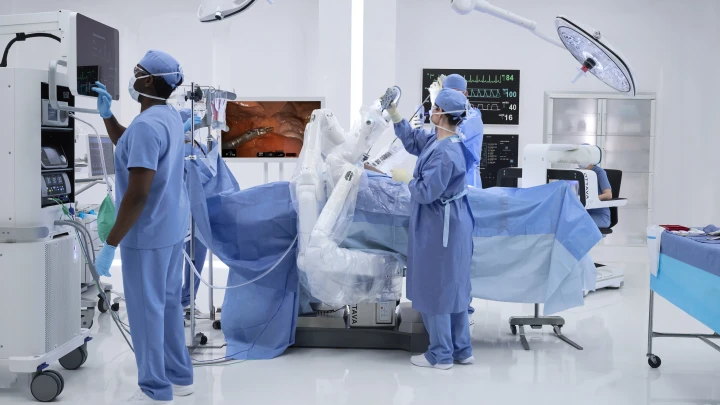
Dharmawan, a surgeon, said many teams treat regulation as the main hurdle when adoption inside a hospital is just as hard. Her suggestion was practical. Engineers should come into the operating room and watch procedures, not only interview clinicians. Products designed that way, she said, are far more useful.
She also described the Asian picture. Southeast Asia is fragmented. Singapore's regulator, the HSA, is well regarded, and an HSA approval can help with entry into markets such as Thailand, Taiwan and Japan. Her other tip was to find innovative clinicians and the institutions that back them. Several large health systems now run venture arms, she noted, and in Singapore SingHealth has one that invests in companies willing to work inside its hospitals.
The $10 part that becomes a $100,000 problem
Du Bois sees prototypes when they meet a factory. A common problem is a startup that built its first units with a local boutique manufacturer. Anything can be made once, five times or ten times. At scale, the bill of materials decides everything. One component that costs $10 barely matters at 10 units. At 10,000 units, multiplied across every part in the device, it becomes a six or seven figure decision.
Supply has also become less predictable. "With the current AI boom that's going on, component prices from 2024 compared to 2026, some are 10x, 100x," he said. Policy changes in the US have made shipping components from overseas harder. Light Tree moved a large share of its manufacturing to India, where it runs an ISO 13485 operation, after conditions shifted over the past three years. His advice was to plan for a minimum viable bill of materials and line up a plan B and a plan C supplier for each critical component.
Ask the doctors who see the harm
Dohadwala gave the most memorable story of the session. When she did diligence on Augmenix, whose SpaceOAR gel protects the rectum during prostate radiotherapy, she read 30 papers on rectal toxicity and spoke to 15 radiation oncologists at academic centres. The oncologists told her toxicity was not a big problem. The literature said the rate was high.
The explanation was in the care pathway. The patients who suffered rectal toxicity went to urologists, not back to the radiation oncologists, so the oncologists rarely saw it. "Trust but verify," she said. Her firm verifies everything with physicians before it invests.
She also spoke about the founder and investor relationship, which she called "a marriage", and about bias. She cited research showing that female entrepreneurs are asked more defensive, risk-focused questions than men, even by female investors. And she gave CEOs a reality check: "I think 50% of your job is raising money."
The mistakes, and the fixes
| Costly mistake | What the panel recommended |
|---|---|
| Treating clearance as the finish line | Plan the indication around what doctors and payers need |
| Academic projects optimised for papers | Add clinical and commercial input before the animal studies pile up |
| Designing from interviews alone | Put engineers in the operating room |
| A boutique manufacturer for the prototype | Design the bill of materials for 10,000 units |
| A single source for key parts | A plan B and plan C supplier for each critical component |
| Taking the first expert's word | Check with the specialists who actually see the outcome |
What the data says about getting it wrong
The panel's warnings match the research. An Institute of Medicine analysis of US recalls of 510(k)-cleared devices found that manufacturing process errors (28.8%) and design failures (28.4%) were the two leading causes, together more than half of all recalls. Both are the kind of problem the speakers described: decisions made at the prototype stage that only show up at volume.
For investors this is a capital question. EY's medtech analysis found venture money concentrating in fewer, larger rounds in the year to June 2025, with $8.7 billion spread across only 237 rounds. Companies that reach scale-up without a plan for manufacturing and supplier quality are the ones that end up needing a rescue round on poor terms.
For hospitals, a recall means pulled stock, retraining and sometimes cancelled procedures, so procurement teams have good reason to ask a startup about its suppliers and its quality system before they sign.
For clinicians, the lesson is in the recall data. A device that behaved in a 20-patient study can fail in the field when a supplier changes a material or a tolerance drifts. The panel's advice to bring engineers into the operating room and to listen to the doctors who see the harm is how companies catch those problems before patients do.
My take
The SpaceOAR story is a lesson in clinical pathways that every investor and founder should learn. As a doctor I have seen the same pattern many times: complications often show up in a different specialty from the one that caused them. If you only ask the specialty that delivers the treatment, you will underestimate the harm and the size of the market. Nilo's point fits with it. Evidence planned backwards from the clinic and the payer costs less than evidence collected twice.