Six people with Parkinson's and six without each wore a T-shirt for a day. Joy Milne smelled all twelve, picked out the six Parkinson's shirts, and was adamant that one of the controls had the disease too. Eight months later, that man told the researchers he had been diagnosed. "She was actually 12 out of 12 correct at that time," Prof Tilo Kunath told the BBC.
That result raises a practical question for anyone who treats or builds for Parkinson's: can a smell become a lab test?
How Joy Milne noticed
Joy Milne is a retired nurse with hereditary hyperosmia, a heightened sense of smell, as she described in a first person account in the Guardian. Her husband Les was a consultant anaesthetist. In 1982, before his 32nd birthday, she noticed a new musky odour on him. Twelve years later, in 1994, he was diagnosed with Parkinson's, aged 45. He died in June 2015.
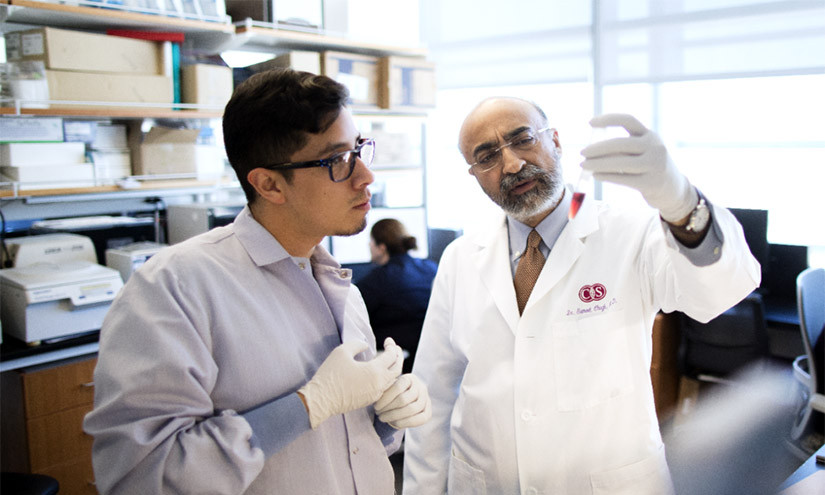
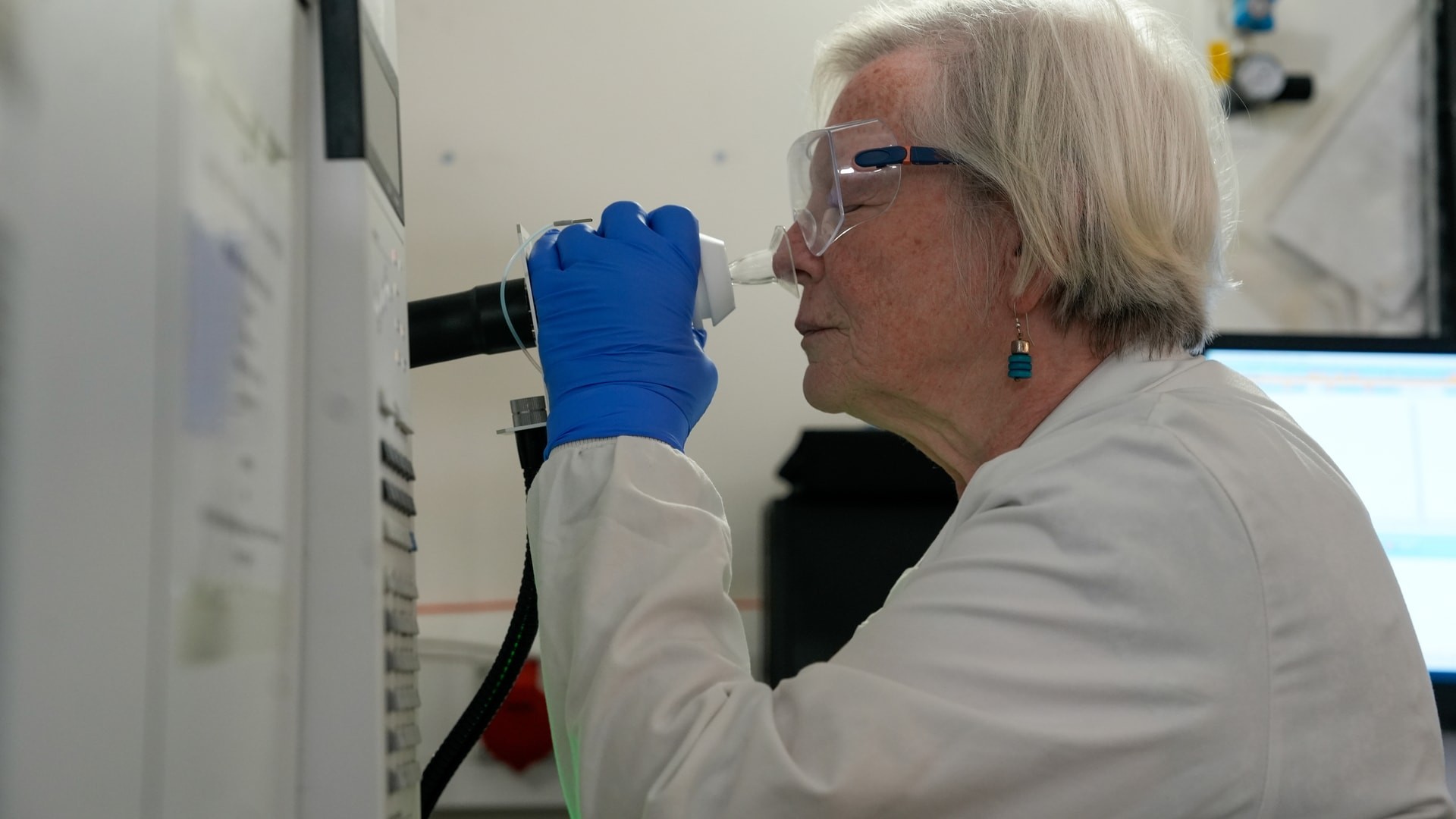
The connection came at a Parkinson's UK support group in Perth, Scotland, where she realised everyone in the room had the same scent as Les. She then attended a talk by Prof Tilo Kunath, a regenerative neurobiologist at the University of Edinburgh, and asked him why the smell of Parkinson's was not being used for diagnosis. About four months later he called her. Kunath brought in his collaborator Prof Perdita Barran, a mass spectrometry specialist, according to the University of Manchester.
The T-shirt test
The test was simple by design: six plus six shirts, worn for a day. Milne found all six Parkinson's shirts and flagged one control, the man who was diagnosed eight months later, as recorded by the BBC and the University of Edinburgh.
The odour was strongest in sebum-rich areas: the back of the neck and between the shoulders. Sebum is the oily substance that protects skin from drying out, and it became the target for everything that followed. In June 2021 the team, including Milne and Kunath, won the Royal Society of Chemistry's 2021 Analytical Division Horizon Prize: Robert Boyle Prize for Analytical Science.
From a smell to a skin swab
Barran holds a Chair of Mass Spectrometry in the Department of Chemistry at Manchester and directs the Michael Barber Centre for Collaborative Mass Spectrometry at the Manchester Institute of Biotechnology. Her group used mass spectrometry to look for the chemistry behind the smell, working with neurologist Prof Monty Silverdale of Salford Royal on a clinical trial backed by £50,000 from Parkinson's UK, later with support from the Michael J. Fox Foundation.
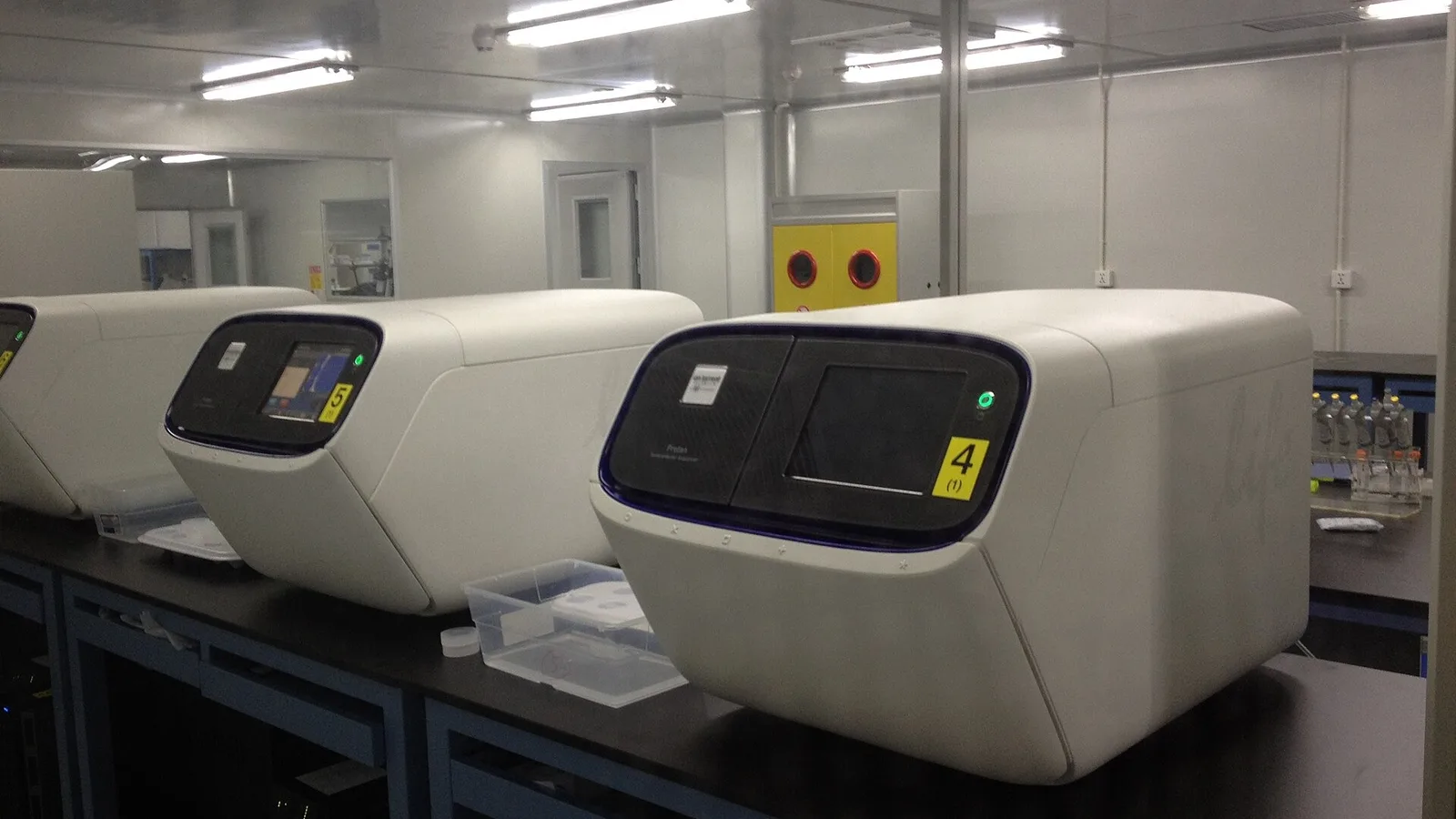
According to the university's November 2026 update, a skin swab detects around 15,000 molecular features, and about 10% consistently differ between people with and without Parkinson's. The signature includes changes in lipid metabolism and essential amino acids. More than 7,000 participants have been sampled worldwide, the signature has been detected across ages, ethnicities and sampling locations, and the biomarkers change as the disease progresses. In 2022 the team also reported a test that returns a result in around three minutes under lab conditions.
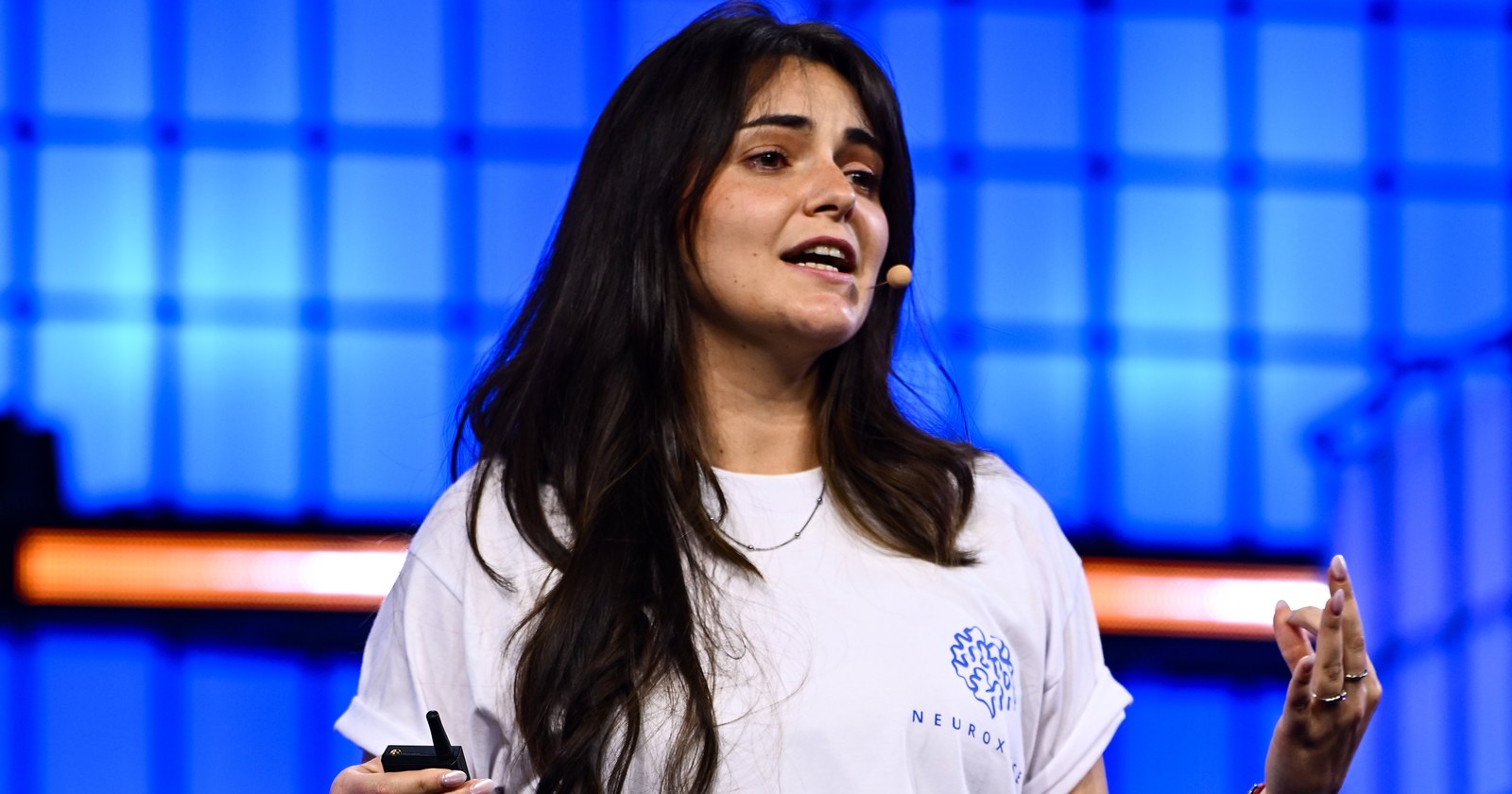
Why it matters: there is no clinically established molecular test for Parkinson's. The NICE referral pathway relies on movement signs, yet the disease has more than 40 symptoms. By the time motor symptoms are pronounced enough for referral, up to 70% of the brain's dopamine-producing nerve cells may already be lost, and seeing a specialist can take many months. Other teams are chasing the same early window from different samples, including NeuroXsense's work on tears, while treatment keeps moving too, as with tavapadon.
The companies trying to read disease from skin and breath
SebOMIX. A University of Manchester spin-out founded by Perdita Barran, developing a non-invasive Parkinson's test from sebum swabs. It is seeking investment for a Greater Manchester trial of around 400 people with suspected Parkinson's referred by their GPs and around 400 with other symptoms such as dementia, with swabs analysed blind alongside clinical biochemists at Wythenshawe Hospital. The aim is to help decide who is referred to a Parkinson's clinic.
Owlstone Medical. A Cambridge, UK breath diagnostics company built around Breath Biopsy, led by co-founder and CEO Billy Boyle. In January 2019 it launched the PAN study with Cancer Research UK at Addenbrooke's Hospital, announced as a 1,500-patient study to find breath markers for several cancers. The ClinicalTrials.gov record shows it completed in July 2023 with 268 participants enrolled, covering gastric, oesophageal and liver cancer. Its OMED Health unit sells a clinician-ordered, at-home hydrogen and methane breath test for SIBO and IMO, with results reviewed by OMED Health doctors and services in Great Britain only. For wider context on early cancer detection, see our coverage of multi-cancer blood testing.
Noze. A Montreal company building a digital nose, the DiagNoze breathalyzer. Ashok Masilamani, PhD, is founder and CTO, and Karim Aly is CEO. A Gates Foundation funded first-in-human study in Kericho, Kenya, run with HJFMRI at the KEMRI Clinical Research Center, enrolled 200 adults, 100 with TB and 100 without, from May to November 2025, benchmarking breath against standard TB and HIV tests. As of 20 March 2026 data analysis was underway; we could find no published results.
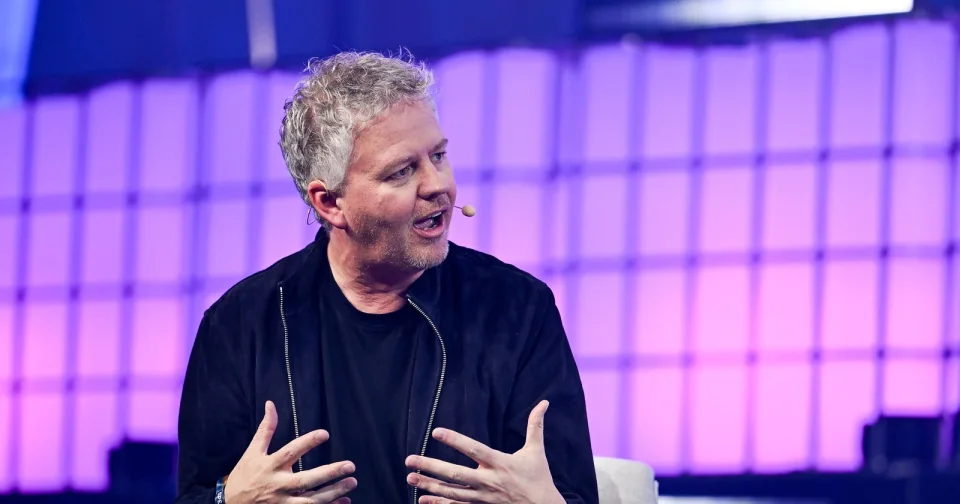
Koniku. Founded by CEO Osh Agabi, Koniku builds smell processors called Konikore from living neurons grown on silicon and engineered with receptors. Its current public use case is security, specifically explosive detection. Disease detection remains a stated ambition and has not been shown.
What to watch
None of these companies has an approved Parkinson's test. SebOMIX still needs funding for its trial, and if the clinical lab reproduces the research findings, the next steps are MHRA regulatory approval and UKAS lab accreditation. Noze has not yet reported its Kenya results. Owlstone's cancer study enrolled far fewer people than first announced.
The science started with one person's nose and now rests on thousands of swabs. The test that matters is whether a hospital lab, working blind, can repeat it. For more on where diagnostics stand, see our guide to the best AI diagnostic tools, and follow the clinicians tracking this field in Neurology: Who to Follow.