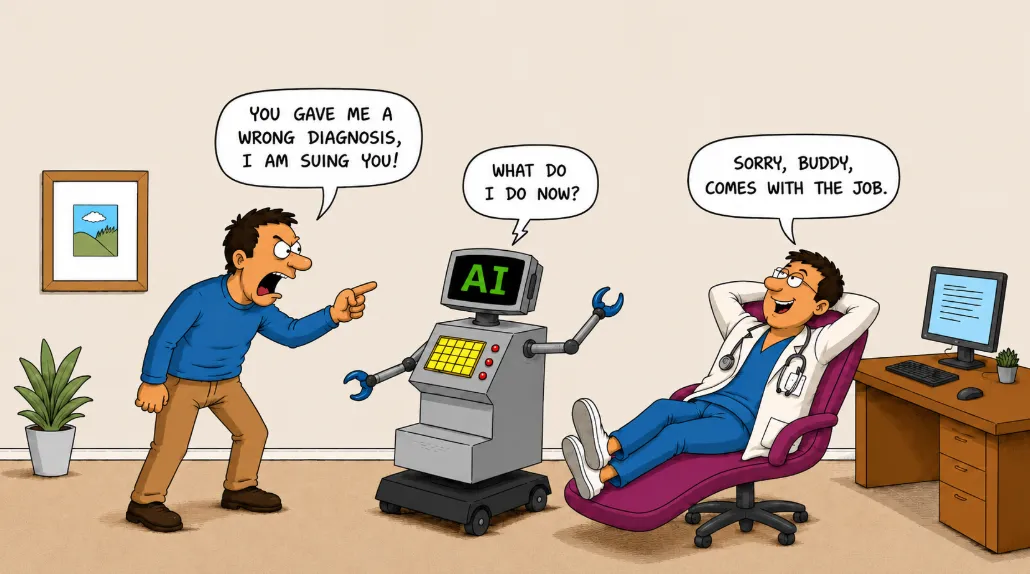
Endometriosis affects a substantial share of women of reproductive age, yet it remains one of the clearest examples of a diagnostic gap hiding in plain sight within women's health. Patients commonly describe years of symptoms, dismissed pain, and multiple clinician visits before receiving a confirmed diagnosis, historically only achievable through invasive laparoscopic surgery. A new wave of diagnostic focused startups is now trying to compress that timeline using non invasive testing approaches and AI assisted imaging, betting that better tools earlier in the pathway can change outcomes for a condition that has been chronically under-researched relative to its prevalence.
The diagnostic delay is not simply a matter of clinician awareness, though that plays a role. Endometriosis symptoms, primarily pelvic pain and heavy or irregular bleeding, overlap heavily with several other gynecological and gastrointestinal conditions, making differential diagnosis genuinely difficult without more specific testing. Historically, definitive diagnosis required laparoscopic surgery to directly visualize endometrial tissue growing outside the uterus, a procedure that is invasive, costly and not something clinicians offer readily as a first line diagnostic step given its risks and recovery time.
Building a non surgical pathway
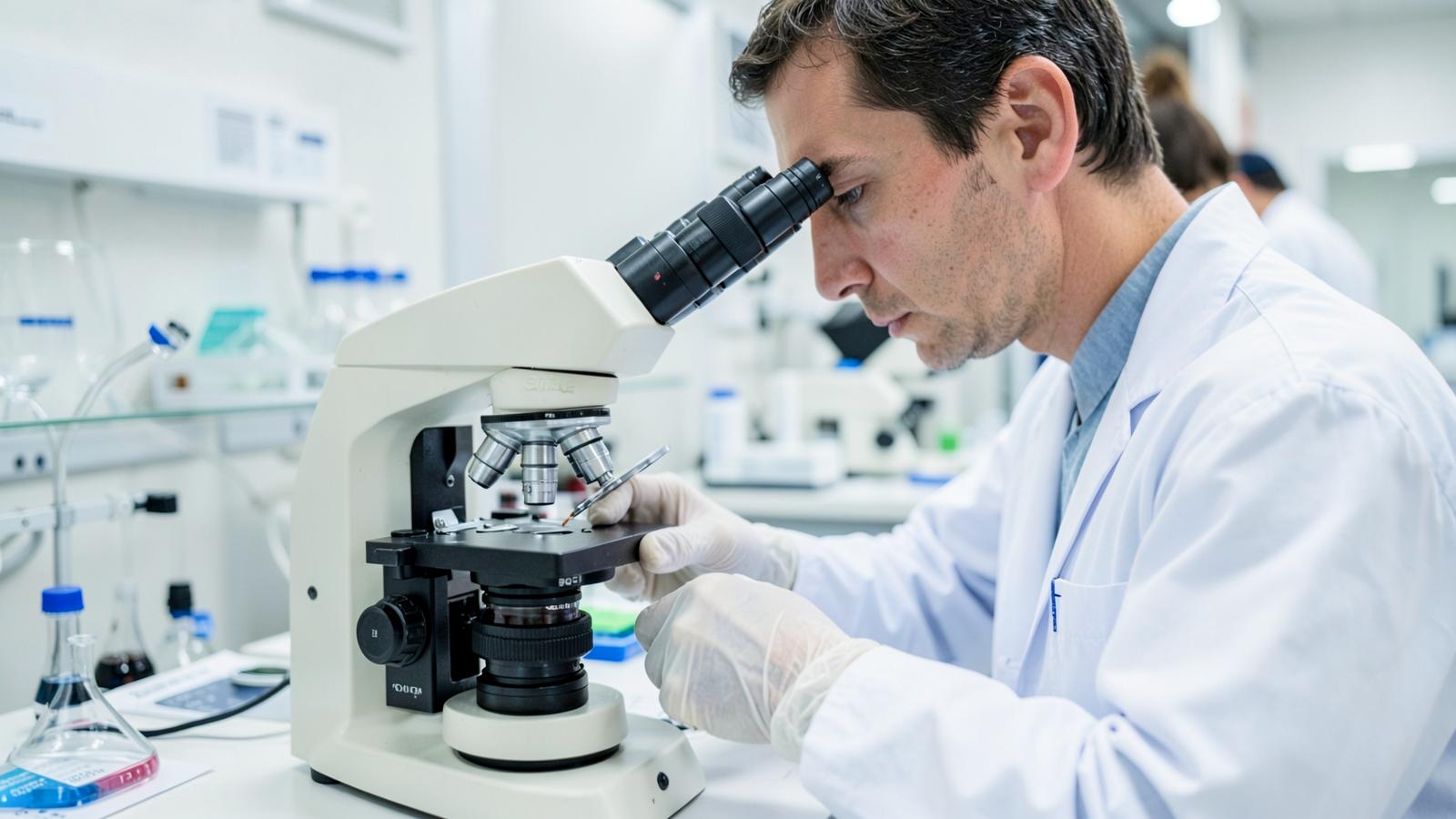
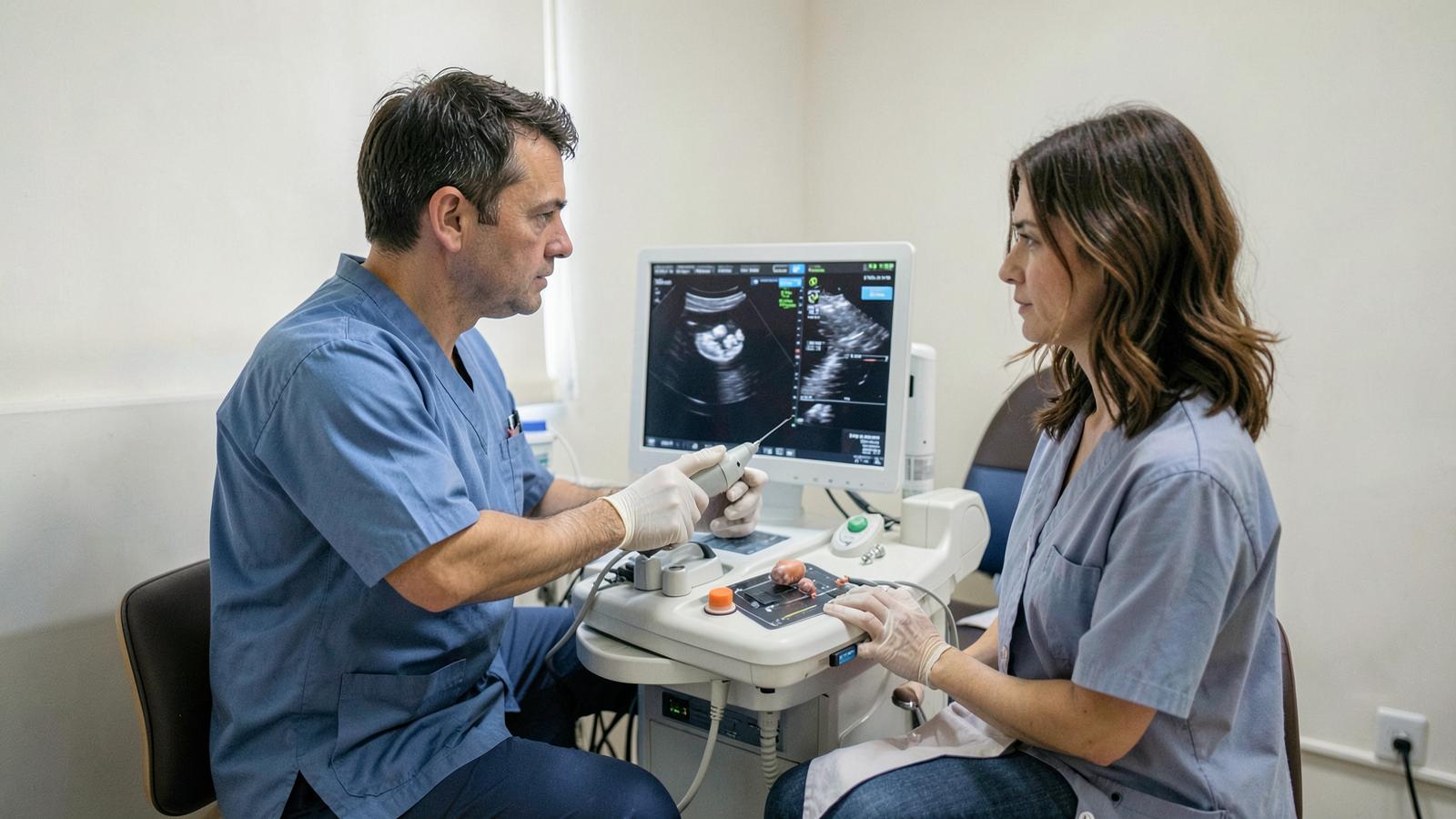
The startups now active in this space are pursuing a few different technical approaches. Some are developing blood or saliva based biomarker tests aimed at identifying molecular signatures associated with endometriosis, which would allow a simple, low risk test to at least flag likely cases and support a case for earlier specialist referral or targeted imaging. Others are focused on improving imaging interpretation itself, applying machine learning to ultrasound and MRI scans to help radiologists and gynecologists identify subtle signs of endometrial lesions that are easy to miss on a standard read, particularly in early stage disease where the tissue changes are less pronounced.
Neither approach is likely to fully replace laparoscopic confirmation in the near term, particularly for surgical planning once a diagnosis is suspected. But the goal these companies describe is narrower and more achievable: shortening the time between a patient first reporting symptoms and receiving a specific, actionable diagnosis, even if that diagnosis is later confirmed surgically. Cutting years off that timeline would represent a meaningful clinical improvement even without eliminating surgery from the pathway entirely.
Why the evidence base has been thin
Part of what has held back innovation in endometriosis diagnostics is a broader pattern familiar across women's health: conditions that primarily affect women, particularly those involving pelvic pain, have historically received a smaller share of research funding relative to their prevalence and impact on quality of life. That has meant fewer large scale studies establishing reliable biomarkers, fewer standardized imaging protocols specific to endometriosis, and less commercial incentive for diagnostics companies to invest in the category compared with conditions seen as having clearer regulatory and reimbursement pathways.
That dynamic has started to shift as more capital enters women's health broadly and as patient advocacy around endometriosis has grown more organized and vocal about the diagnostic delay as a specific, addressable problem rather than an inevitable feature of the disease. Startups entering the space now have more comparable prior work to build on, from an expanding body of biomarker research to improved imaging protocols developed at specialist endometriosis centers, even though the overall evidence base remains considerably smaller than in most other chronic conditions of similar prevalence.

What adoption will require
For any of these diagnostic tools to change practice patterns meaningfully, they will need validation studies robust enough to convince gynecologists to change referral behavior, plus a reimbursement pathway that makes ordering the test straightforward for a primary care physician or general gynecologist rather than something only accessible through a specialist endometriosis center. That is a slower process than launching a consumer facing symptom tracking app, since it requires engaging directly with clinical societies, payers and health systems rather than reaching patients through direct marketing alone. Building that kind of trust also means publishing negative or ambiguous results honestly, not just favorable ones, since selective reporting would only deepen the skepticism many endometriosis patients already carry toward tools promising fast answers.
The companies most likely to succeed will be those that treat diagnostic accuracy claims with real caution and pursue proper prospective validation rather than rushing early biomarker or imaging results to market. Endometriosis patients have, understandably, grown skeptical of tools and treatments promising quick answers after years of being told their pain was unremarkable, and a diagnostic tool that overpromises and underdelivers risks deepening that skepticism rather than resolving it.
Key Signals
Endometriosis remains one of the starkest examples in women's health of a diagnosis pathway that has changed little despite decades of patient reported frustration with delay, largely because definitive diagnosis has depended on invasive surgery rather than a reliable non invasive test. Emerging biomarker and AI assisted imaging approaches are aimed narrowly at shortening time to a specific, actionable diagnosis rather than eliminating surgical confirmation altogether, which is a more realistic and achievable near term goal. The historically thin research base for endometriosis, a consequence of broader underfunding of conditions that predominantly affect women, means new diagnostic tools will need unusually rigorous validation to earn clinician trust. Reimbursement and referral pathway design will likely matter as much as diagnostic accuracy in determining whether these tools actually change how quickly patients get answers.