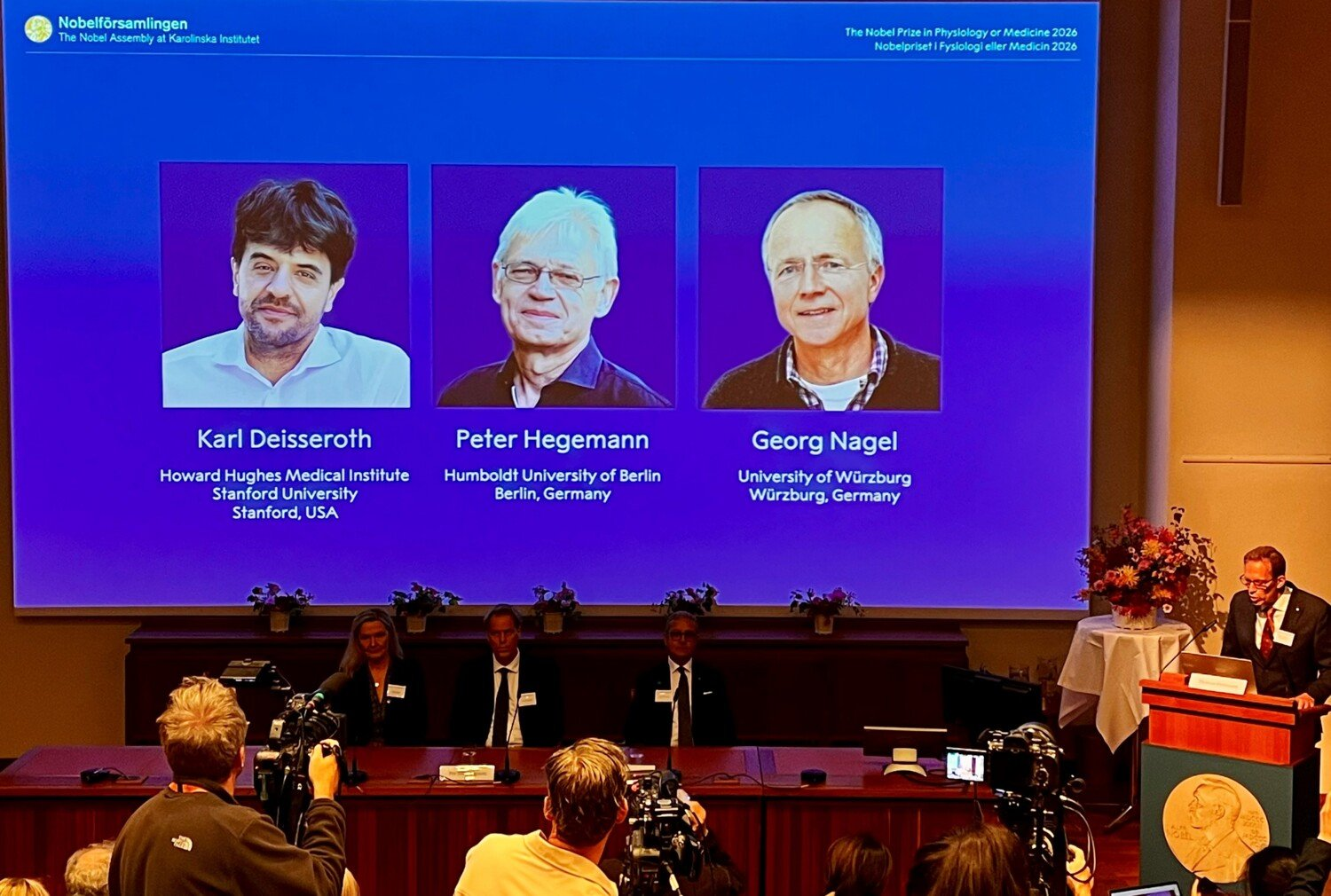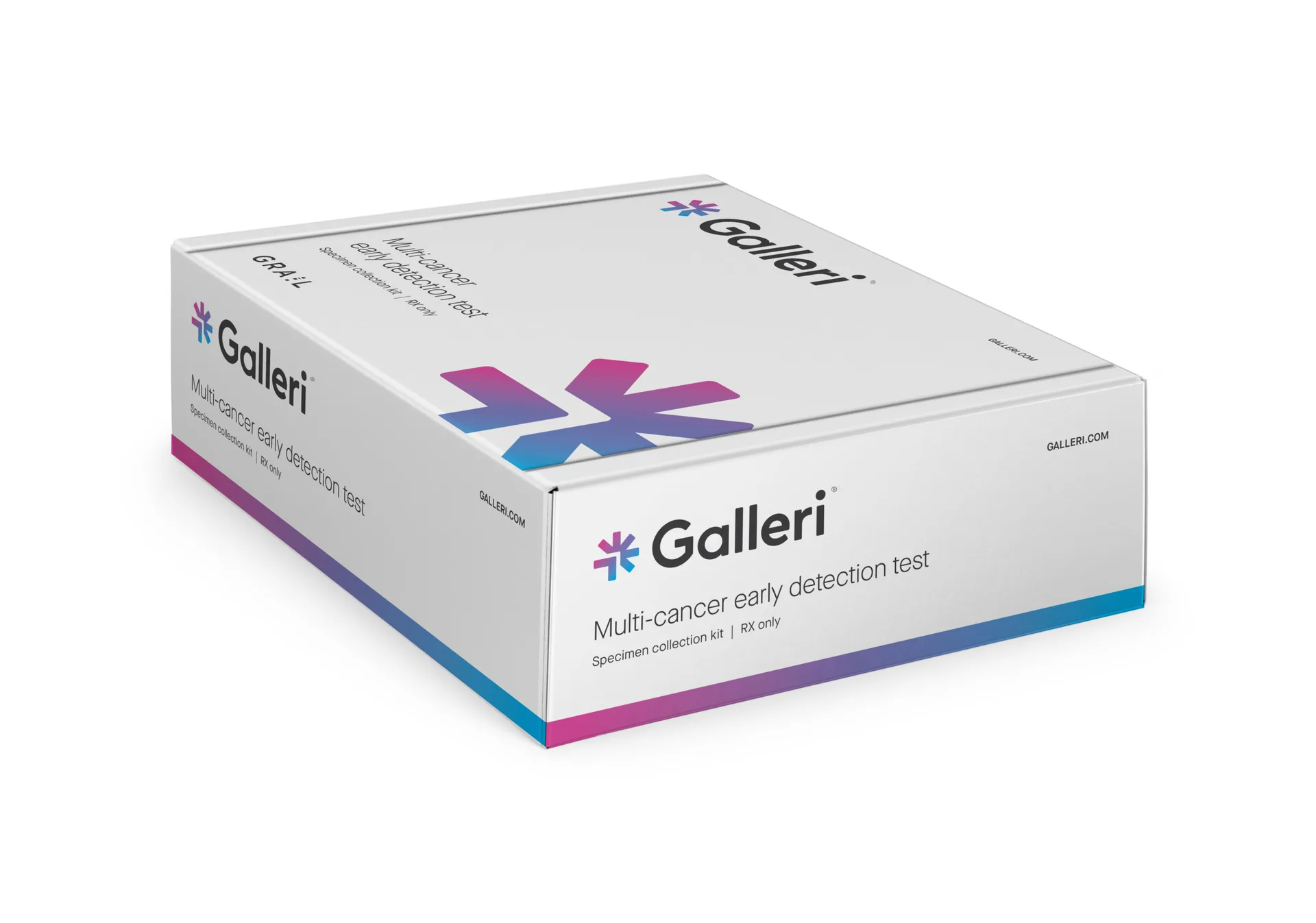
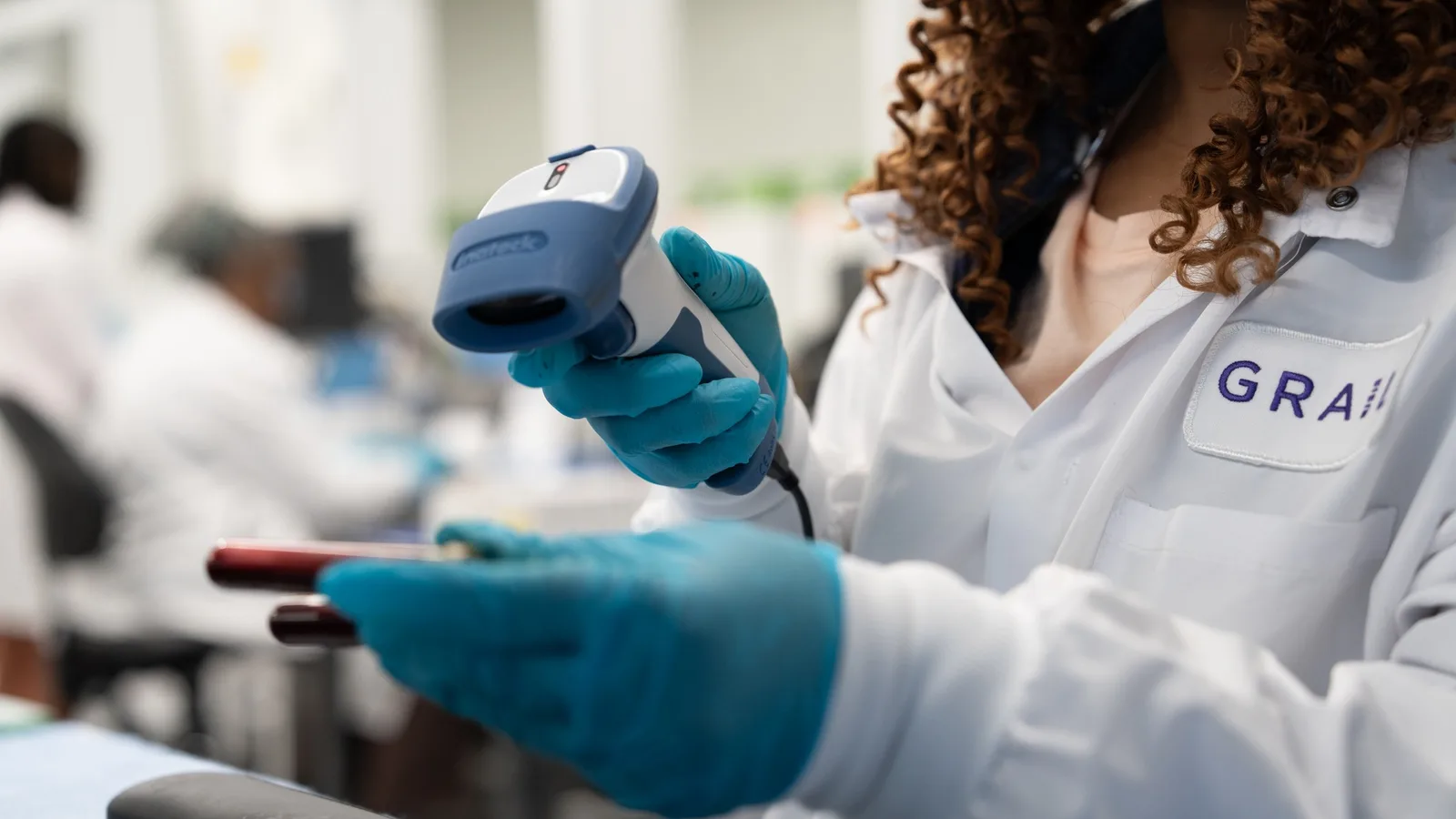
Multi-cancer early detection (MCED) tests promise to screen for dozens of cancer types from a single blood draw, most using cell-free DNA methylation signatures. PATHFINDER 2, GRAIL's registrational study of its Galleri test, is the largest US interventional study of this technology to date, and initial results presented at ESMO 2025 give the field its clearest data yet.
What was the PATHFINDER 2 study design?
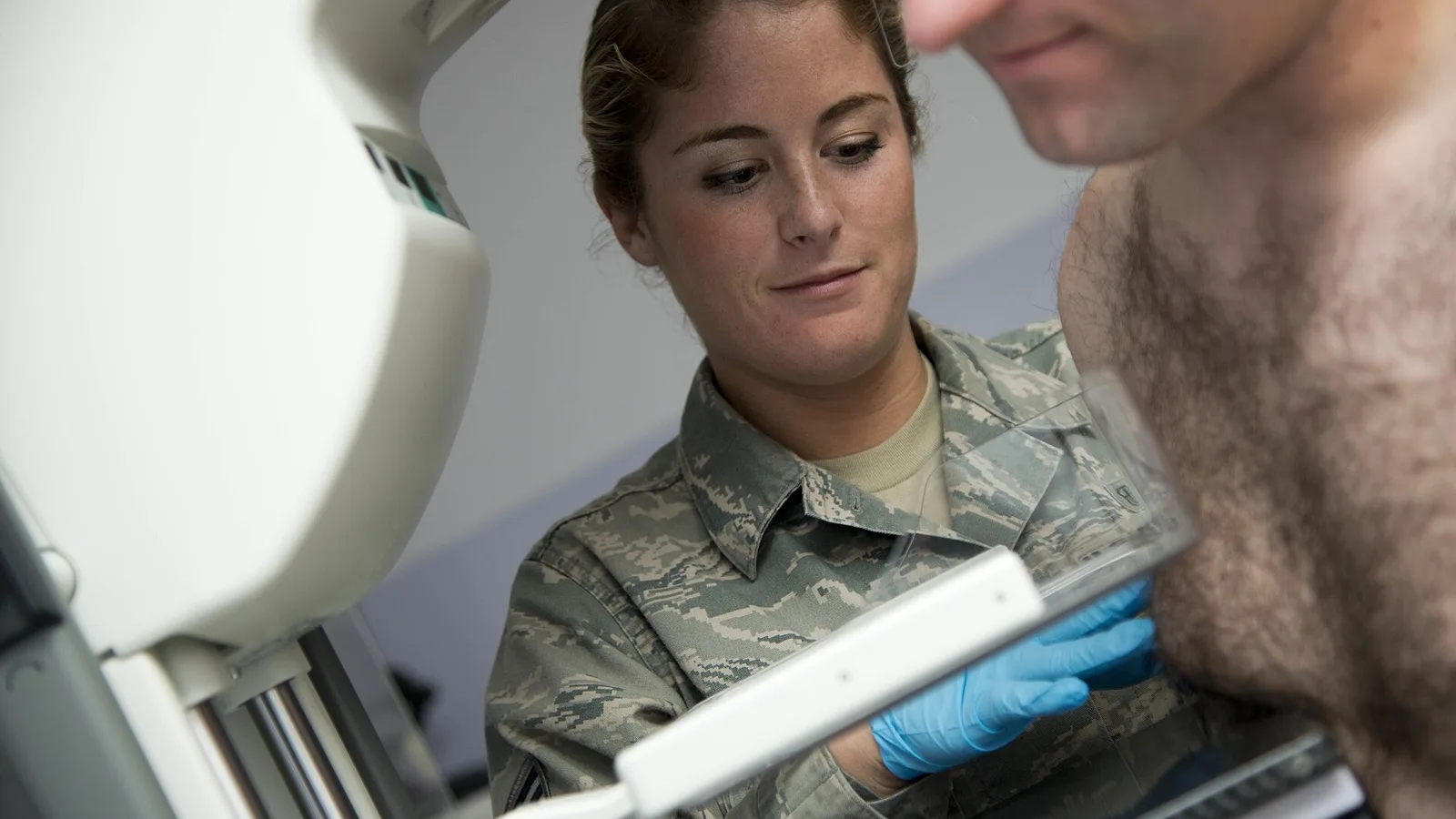
PATHFINDER 2 enrolled an intended-use population, adults aged 50 and older without a cancer diagnosis, and added the Galleri blood test to standard USPSTF-recommended cancer screenings (mammography, colonoscopy, low-dose CT for lung cancer in eligible smokers, cervical screening). This is a critical design choice: the test is evaluated as an addition to, not a replacement for, existing guideline-recommended screening. Source: Safety and performance of an MCED test, Annals of Oncology, LBA64.
What did the initial results show?
GRAIL's own reporting and the ESMO presentation converge on a few headline numbers:
| Finding | Result |
|---|---|
| Increase in cancer detection vs. USPSTF-recommended screening alone | More than sevenfold |
| Share of Galleri-detected cancers that were early stage | More than half |
| Share of Galleri-detected cancers with no recommended screening test | Approximately three-quarters |
| Study scale | Largest US interventional MCED study in the screening population |

Source: GRAIL PATHFINDER 2 press release, ESMO presentation, GRAIL, investor presentation summary
The three-quarters figure, cancers detected that had no recommended screening test at all, is the number GRAIL leads with commercially, and it is the most scientifically interesting one, because it addresses the biggest structural gap in cancer screening: most cancer types (pancreatic, ovarian, liver, several gastrointestinal cancers) have no recommended population screening test today. If a blood test can reliably flag a meaningful share of these, it fills a real gap rather than competing with existing tools.
What did independent reporting flag as open questions?
STAT News, covering the same ESMO data, noted that while the topline numbers "show progress," they also "raise questions," particularly around the test's positive predictive value in a real screening population and how many of the flagged signals led to confirmed cancer diagnoses versus additional workup that found nothing. Source: STAT News, Grail Galleri blood test results.
This is the central unresolved question for any MCED test used in a population with a low true cancer prevalence: even a specific test generates a meaningful absolute number of false positives, each of which triggers imaging, biopsy, or specialist referral, with associated cost, anxiety, and procedural risk. GRAIL has published false-positive and cancer-signal-of-origin accuracy metrics in prior PATHFINDER data, and PATHFINDER 2, as a registrational study, is specifically designed to characterize this at a scale sufficient for FDA review, but the full downstream workup burden across a national screening population has not yet been reported in a mortality or harms-adjusted framework.
Why is stage distribution the number to watch, not just detection count?

Cancer screening only improves outcomes if it shifts diagnosis to a stage where treatment is more effective, and if that stage shift is not fully offset by overdiagnosis of indolent disease. The finding that more than half of Galleri-detected cancers were early stage is genuinely encouraging, because most cancers currently diagnosed symptomatically, particularly the unscreened cancer types, present at a later, less treatable stage. But "early stage at detection" is still a surrogate for the outcome that ultimately matters: cancer-specific mortality. That data requires years of follow-up this study has not yet accumulated.
What this does not prove
PATHFINDER 2's initial results do not prove Galleri reduces cancer mortality, that endpoint requires long-term follow-up not yet available. They do not establish full population-level positive predictive value or the total downstream cost of false positives across the tested population. They do not prove cost-effectiveness against existing screening infrastructure, and they do not extend automatically to lower-risk age groups outside the 50-and-older intended-use population studied.
The takeaway
PATHFINDER 2 is the most rigorous prospective evidence to date that a single blood draw can meaningfully add to standard cancer screening, primarily by catching cancers with no existing screening test, and by finding a majority of them at an earlier stage. That is real progress on a genuine gap in oncology. It is not yet mortality evidence, and the false-positive workup burden across a real screening population remains the open question that will determine whether payers and guideline bodies embrace it at scale.
Key Signals
PATHFINDER 2 found a sevenfold increase in cancer detection when Galleri was added to standard screening. About three-quarters of Galleri-detected cancers had no existing recommended screening test at all. More than half of detected cancers were early stage, but stage shift is a surrogate, not mortality data. Independent reporting flags open questions on false-positive burden across a full screening population.