For decades, small and midsize businesses across the United States have found themselves trapped in an unrelenting commercial health insurance death spiral. Because traditional health insurance carriers (such as UnitedHealthcare, Elevance, and Cigna) face high actuarial volatility when insuring small employer pools of 10 to 100 lives, legacy payers routinely build punitive 15% to 25% risk margins into fully insured small-group premiums. Small employers are hit with relentless 8% to 12% annual rate hikes, yet if their workforce stays completely healthy, every dollar of unspent premium remains pure profit on the carrier's balance sheet.
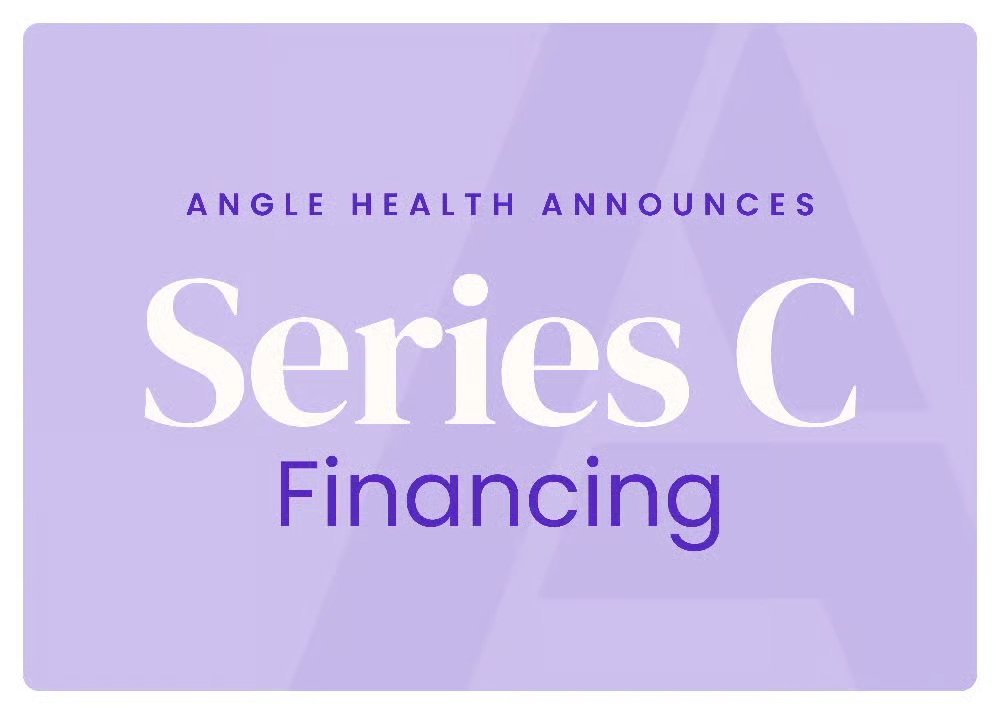
The only historical alternative, self-funding with stop-loss reinsurance, required sophisticated actuarial advisors and multi-million-dollar cash reserves that only Fortune 500 corporations could afford. Today, modern actuarial telemetry and automated claims infrastructure are shattering that binary divide. Angle Health's recent $600 million funding round at a $2.7 billion valuation demonstrates that level-funded health plans, powered by real-time risk modeling and transparent claims reserves, are rapidly disintermediating legacy commercial insurance.
In this deep dive, we are going to look at:
- Why this matters now: small employer premium inflation and the legacy carrier margin squeeze
- What actually happened: inside Angle Health's $600M financing and $2.7B valuation
- The obvious read versus the deeper signal: beyond digital broker portals to full-stack risk automation
- The mechanics of level funding: how claims reserves, stop-loss, and administrative fees interact
- Commercial payer taxonomy: fully insured versus traditional self-insured versus AI level-funded
- Unit economics and cash flow: how automated underwriting creates employer rebates
- The HealthTech Investor's Signal: commercial payer multiple compression and insurtech M&A
- The regulatory and catastrophic risk counter-thesis: stop-loss attachment points and ERISA compliance
- Forward intelligence: four observable indicators to track during Q4 commercial open enrollment
- The bottom line for employer benefits executives and healthcare fintech investors