For many families living with epilepsy, the most frightening hours are the ones when everyone is asleep. A tonic-clonic seizure in the night can go unnoticed by a parent in the next room, and unwitnessed night-time seizures are a known risk factor for sudden unexpected death in epilepsy. The usual answer is a wearable or a sensor under the mattress, and many people simply do not use them.
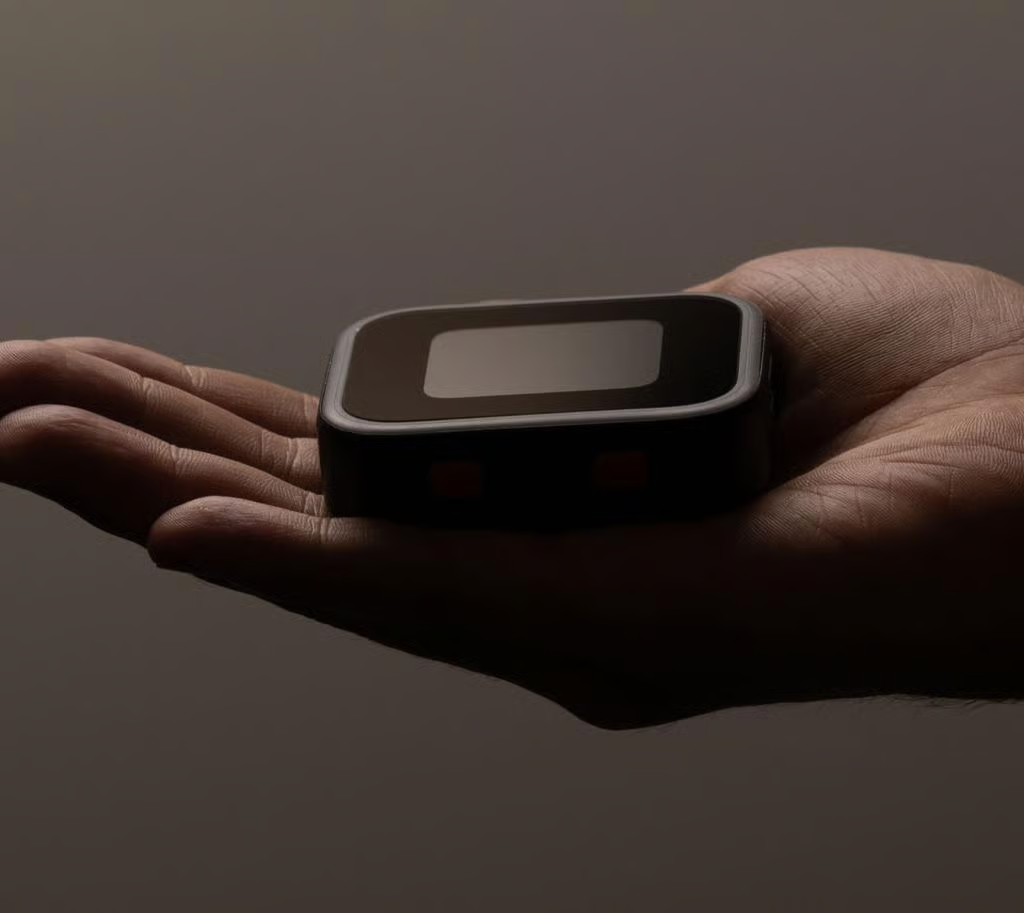
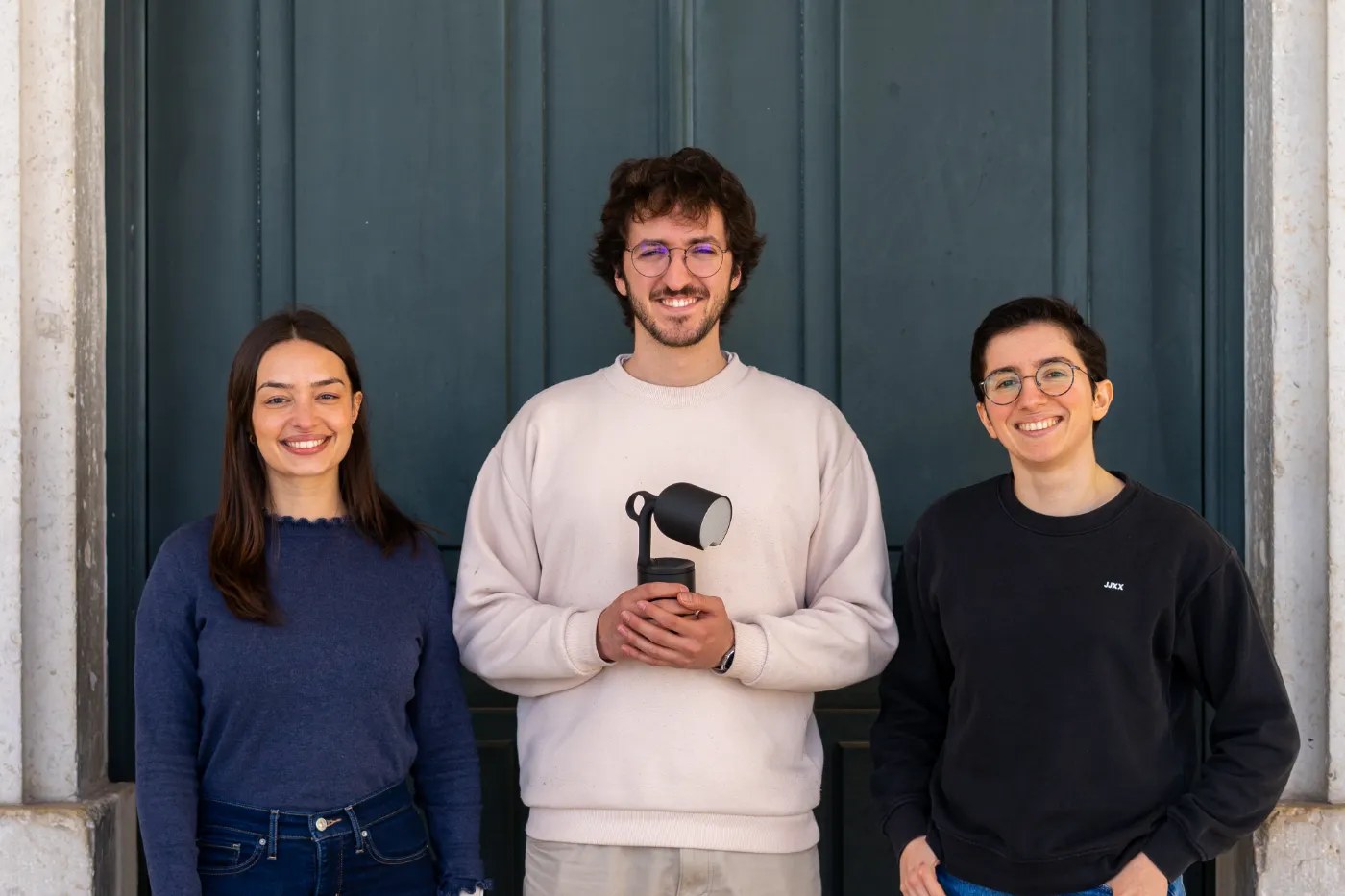
Lampsy Health's answer looks like furniture. Its bedside lamp contains a small infrared camera and an AI model that runs on the device, watches for the movement patterns of a tonic-clonic seizure and calls chosen contacts if it sees one. On November 27, the Lisbon company said it had raised €1.1 million to launch in Europe and the UK. Last week we covered IntelliProve's round for camera-based vital signs. Lampsy is the same idea, contactless sensing, applied where the stakes are highest.
The best monitoring device is the one people actually use. Lampsy is betting that a lamp beats a wristband.
In This Deep Dive
- Why this matters now
- What actually happened
- The obvious read versus the deeper signal
- Historical playbook
- The world forming around contactless monitoring
- Category map and taxonomy
- Evidence Ladder
- Regulation and reimbursement
- Capital flows and bottom-up economics
- The HealthTech Investor's Signal
- Counter-thesis
- Forward Intelligence
- The Bottom Line for Neurologists, Health Systems and Investors
Why this matters now
The World Health Organization estimates that around 50 million people live with epilepsy, and that they face up to three times the risk of premature death of the general population. About one in three continues to have seizures despite medication. The company cites research that 86% of night-time seizures go unnoticed.
In Portugal, the EpiPort study published in September 2025 by the Portuguese League Against Epilepsy estimated about 100,000 people live with epilepsy, a prevalence of 9.76 per 1,000, and that 43.7% receive no medical follow-up, according to Tech Funding News. Unwitnessed seizures also make seizure diaries unreliable, which complicates treatment decisions for neurologists.
Remote monitoring at home is moving from wellness to medical devices. This month we have covered camera-based vital signs and voice check-ins for chronic disease. Seizure detection is a harder test, because missed events can be fatal and false alarms exhaust families.
Tier A (fact) for figures as reported by the company and trade press. Tier B (interpretation) for the market framing.
What actually happened
- The round: €1.1 million led by Fundação Ageas and Portugal Ventures, with Angels Way, Phira Ventures and strategic business angels, plus EU support through the European Innovation Council's Pre-Accelerator. It follows a €230,000 round led by Fundação Ageas in April 2025, according to Tech Funding News.
- The product: A bedside lamp with a built-in camera and infrared lighting that tracks movement in the dark. An on-device computer vision system recognises patterns associated with tonic-clonic seizures, calls the user's chosen contacts and sends an app alert. Users can review event clips and control how much video is shown.
- The evidence: Validated with the epilepsy monitoring units at Santa Maria and Egas Moniz hospitals in Lisbon, in a study published in IEEE Access covering more than 2,200 hours of video. The company reports accuracy above 97% and 18 times fewer false alarms than existing alternatives, and testing on more than 9,200 hours of hospital data.
- The status: EU medical device certification. So far available to medical teams through a partnership with public hospitals in the Lisbon Metropolitan Area that monitor epilepsy. Consumer launch planned for the first quarter of 2027.
- The demand: A waiting list of more than 7,500 people in 20 countries, about half in the UK, according to the company.
Lamp camera, infrared On-device AI detects seizure Automatic call to contacts Clip reviewed by family and clinician
Tier A (fact) as stated by the company and reported by EU-Startups, Tech.eu and Tech Funding News. Performance figures are company-reported.
The obvious read versus the deeper signal
The obvious read: A small Portuguese startup raised a seed round for a consumer health gadget.
The deeper signal: The deeper signal is that contactless, on-device AI is crossing into regulated monitoring. Lampsy has certification, a hospital validation study and a waiting list before launch. If it holds up at home, it shows a path for passive monitoring devices that patients accept, which is the main barrier for wearables in chronic disease.
Tier B (interpretation).
Historical playbook
Seizure detection has been tried with accelerometers on the wrist, sensors under the mattress, audio monitors and video monitoring. Each trades off sensitivity, false alarms, comfort and privacy. Hospital video-EEG remains the gold standard, but it is expensive and only available during admissions.
Lampsy's origin is clinical. Co-founder and CEO Vicente Mayer Garção has said the project began with a request from a medical team at Hospital de Santa Maria: to find out what happens to these patients at night without forcing them to sleep hooked up to a machine. The team then trained and tested its model on video from hospital epilepsy monitoring units.
The pattern resembles other successful home devices: start in the hospital, prove performance against the clinical gold standard, then move to the home with a design patients accept. The difference here is that the device is invisible as a medical product, which addresses the stigma the WHO says can be as hard to overcome as seizures themselves.
The world forming around contactless monitoring
Camera and radar-based sensing is spreading through remote monitoring, from IntelliProve's face-scan vital signs, covered here last week, to sleep and fall monitoring. Running AI on the device rather than in the cloud helps with privacy, because video does not need to leave the home unless the user chooses.
Lampsy says epilepsy is only the start, and that the same technology could monitor conditions such as sleep apnoea. That ambition is common in the category. The companies that succeed will be those that clear regulatory and reimbursement hurdles in one condition first.