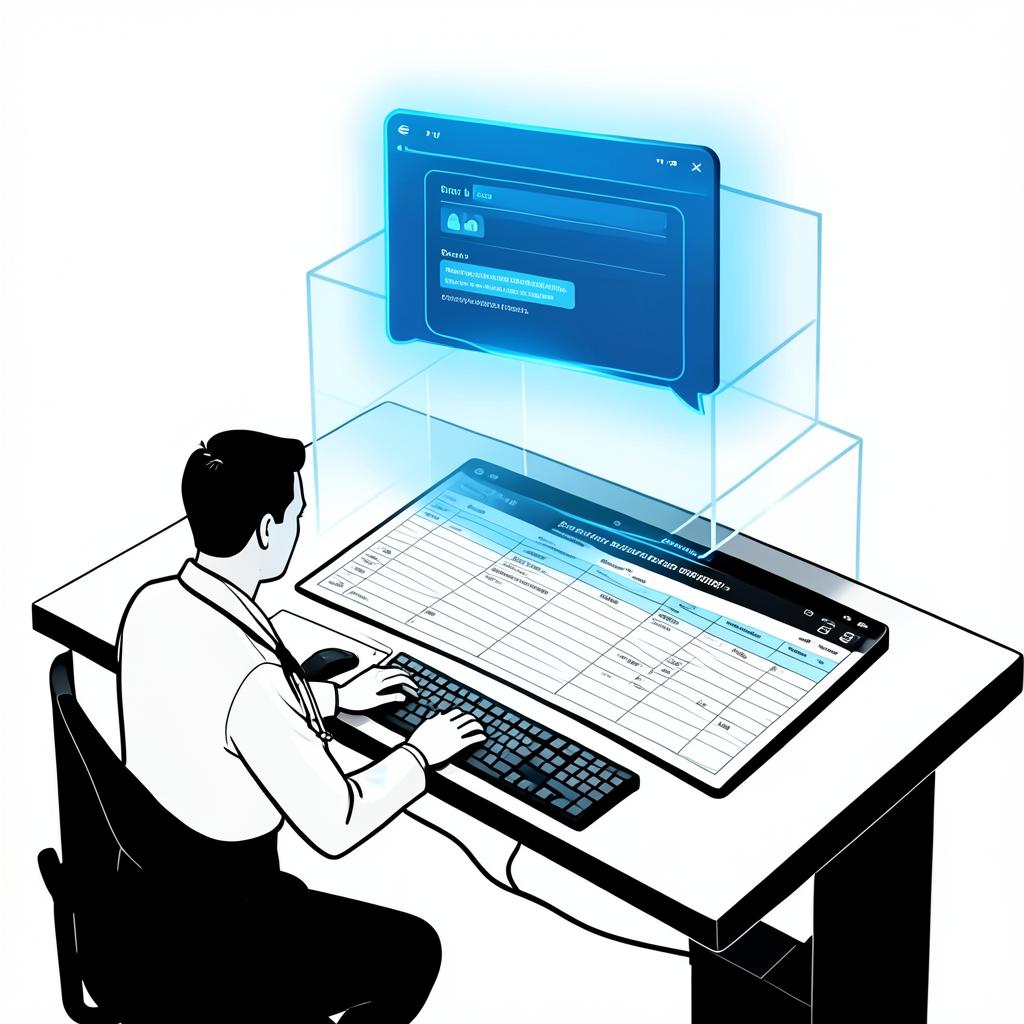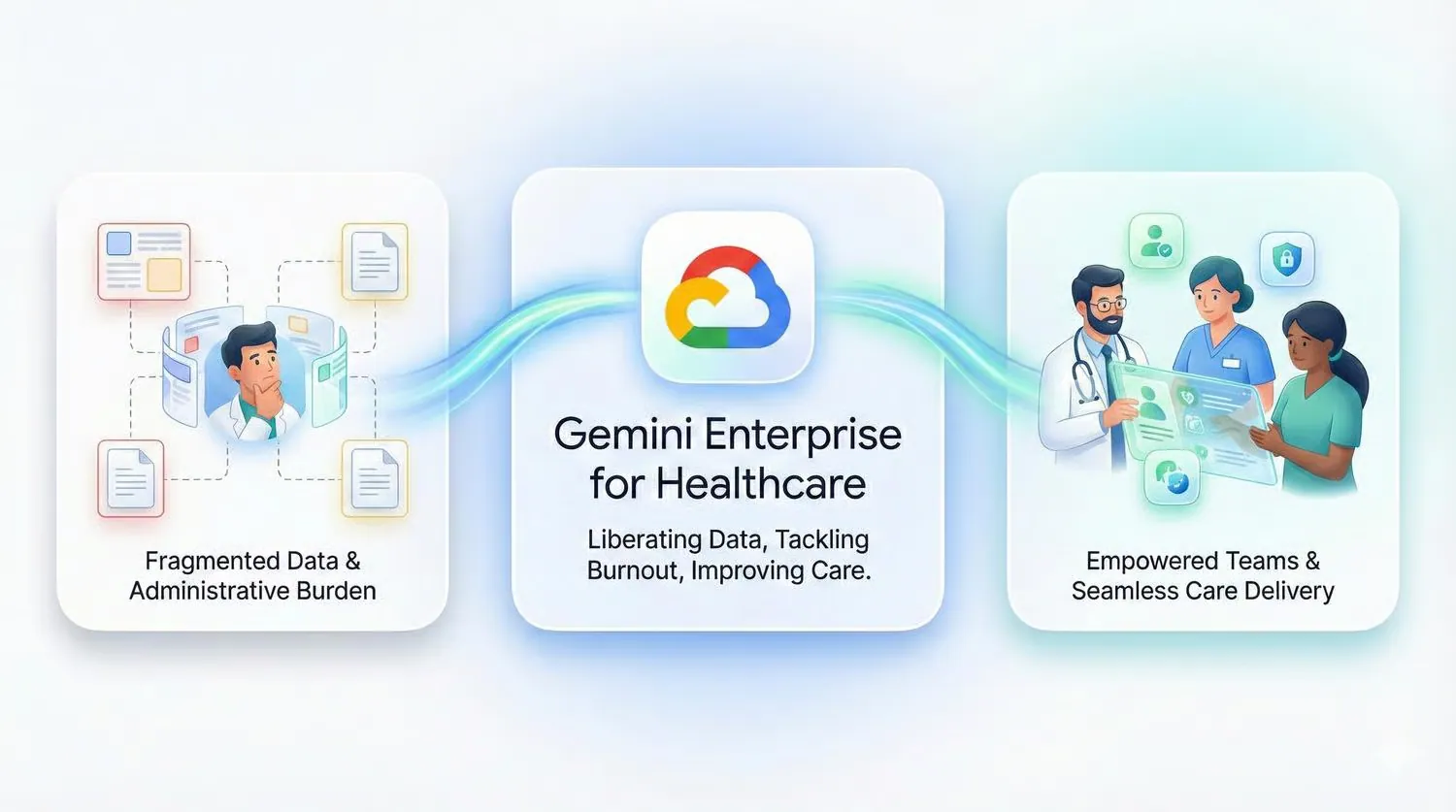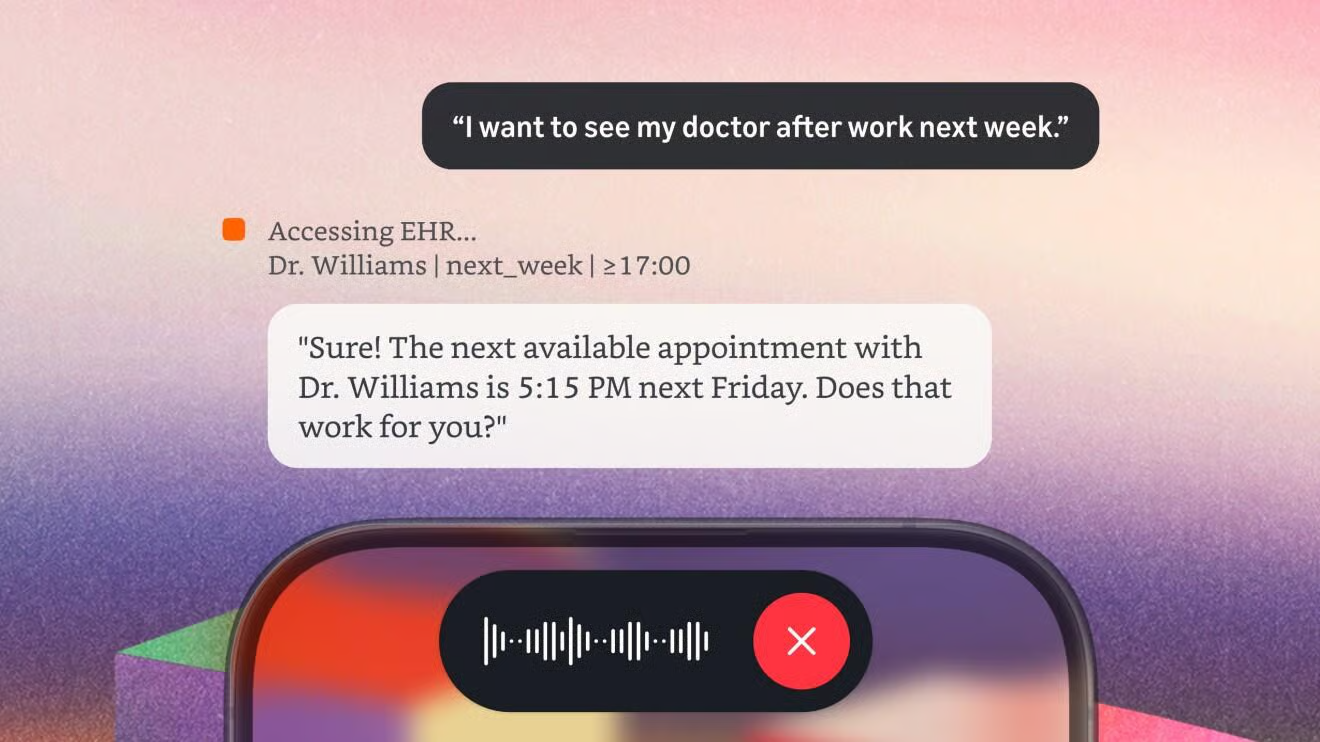
A hospital's record is not one database. It is a set of permissions, workflows and contracts wrapped around data, and the company that controls those permissions decides which software gets to act on a patient's behalf. For two years, AI companies have been working around that fact by teaching agents to log in like a human and click through the screens.
On November 18, Epic told a STAT@HLTH panel that it intends to build the front door instead. Authorized agents from other companies will be able to retrieve data from Epic through MCP connections, on the same timetable as Epic's own agents reaching out to other apps. In this deep dive we look at what Epic has and has not committed to, how the rival routes compare, what the rules say about access, and what buyers and investors should ask before 2027.
The protocol is the easy part. The hard part is which functions are exposed, on whose terms, and at what price.
In This Deep Dive
- Why this matters now
- What actually happened
- The obvious read versus the deeper signal
- Category map and taxonomy
- Evidence Ladder
- What information-blocking rules and HIPAA mean for access
- Capital flows and bottom-up economics
- The HealthTech Investor's Signal
- Counter-thesis
- Forward Intelligence
- The Bottom Line for Health System CIOs and Health Tech Investors
Why this matters now
Agents are only as useful as the work they can finish. An agent that can read a chart but cannot place an order, or can book a visit but cannot close the referral, hands a human the last step and the time savings disappear. Whether an agent can finish depends on which functions the EHR makes available, and until now that has been decided by a mix of standards, Epic's own programs and whatever a vendor could reach by driving the user interface.
Epic's announcement matters because of who made it. Fierce Healthcare reported in August that Epic commands 43.7% of the acute-care EHR market, and Epic says its software is installed in more than 3,700 hospitals with more than 325 million patients holding records in it. When that vendor says it will support inbound agent traffic, it sets the default for much of the U.S. hospital sector.
The timing also matters. The announcement landed the same week OpenAI published results on computer-use agents in EHRs and payer portals, and one day after AWS made patient-access agents generally available with an Epic Showroom connector. Three routes into the record are now being sold at once, and health systems will have to choose among them.
Certainty: (A) Epic's timeline, app counts and quotes from the Epic newsroom and Health Data Management; (A) market share and installed base as reported by Fierce Healthcare (company claims for hospital and patient counts); (B) our reading of what the timing implies.
What actually happened
- The announcement: Epic says Derek De Young announced at an HLTH session earlier this week that by the first quarter of 2027 AI agents will be able to connect in both directions. Agents in Epic will reach out to other apps, and with MCP support authorized agents in other apps will retrieve data from Epic using connections made specifically for AI. The session date is given only as "earlier this week" (HLTH ran November 15 to 18).
- The panel: On November 18, Health Data Management reports, Antonia Papajani, Epic's third-party relations lead, said "we're also going to build incoming MCP at the same time." She did not give a release month for incoming connections or specify which clinical and administrative functions they would expose. The panel was moderated by STAT's Brittany Trang.
- The scale: Epic says more than 3,700 apps are now connected to it and that developers can use more than 1,000 free technologies on Open.Epic without Epic's approval. Seth Howard, executive vice president of research and development, said only about a third of those tools are required by regulation; Epic offers the rest by choice.
- The earlier step: On October 21, Epic announced Agent Factory Connectors, which let its AI (Emmie for patients, Art for clinicians, Penny for revenue cycle and operations) find information and complete tasks in third-party apps. Developer-built Connectors reach Epic Showroom in March 2027, Epic plans to test with health system partners by the end of 2026, and Epic will charge developers to distribute Connectors through Showroom, at a price it has not disclosed.
- The concern raised: Brendan Keeler, who leads the interoperability practice at HTD Health, said "MCP is just an API" and that it inherits the limits of what the EHR makes accessible. Howard replied that direct connections are generally faster and less expensive to run than software navigating screens on a virtual machine.
Certainty: (A) every item above is from the Epic newsroom (November 18 and October 21), Fierce Healthcare (October 21) or Health Data Management (November 18), attributed in the text.
The obvious read versus the deeper signal
The obvious read: Epic is adopting a popular AI standard, which means more AI apps will work with Epic. On this reading the news is a technical convenience and the right response is to wait for developer documentation.
The deeper signal: The more important change is who sets the terms of agent access. An agent is not an app a patient chooses on a phone. It acts for a health system or a vendor, across many patients, at machine speed. Epic is saying that authorized agents may come in through a front door it builds, and that patients and health systems decide who is authorized. That makes the permission model, the list of exposed functions and the price of traffic the real product. Howard described the cost of rising traffic as something to solve together, and Chopra relayed complaints from health system CIOs about patient-facing apps requesting the same broad data sets again and again. Agents working through many steps will multiply that load.
Certainty: (B) evidence-based interpretation; Epic has not published functions, terms or pricing for incoming connections, and Chopra's example was not audited or tied to a named system.
Historical playbook
Platform owners have faced this choice every time a new class of software arrived. When smartphone app stores opened, the platform owner set the rules for access, the review process and the revenue share, and the developers who built on it learned that the terms mattered more than the interface. Health IT has its own version: Epic's Open.Epic and Showroom, the Cures Act application programming interface rules, and years of argument about what counts as reasonable access.
Epic has described a history of early implementation. Aneesh Chopra said Epic tends to be among the first to move, citing the example that when a regulation says something is due in 2029, the company may ship it in its August 2028 software version. Incoming MCP is the next step in that development.