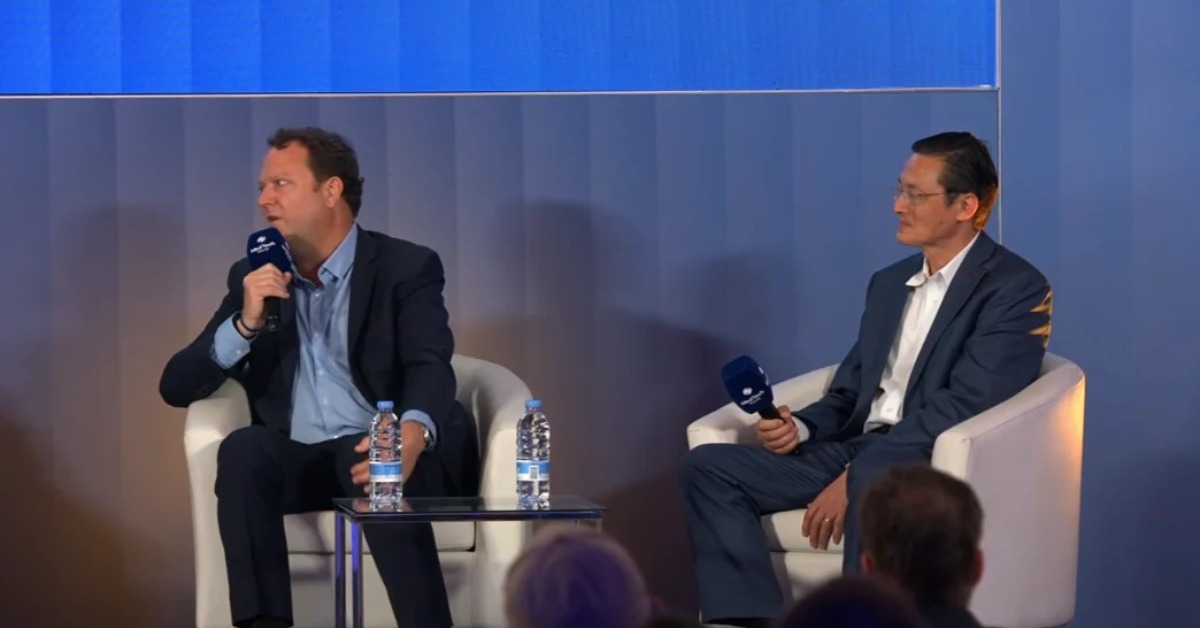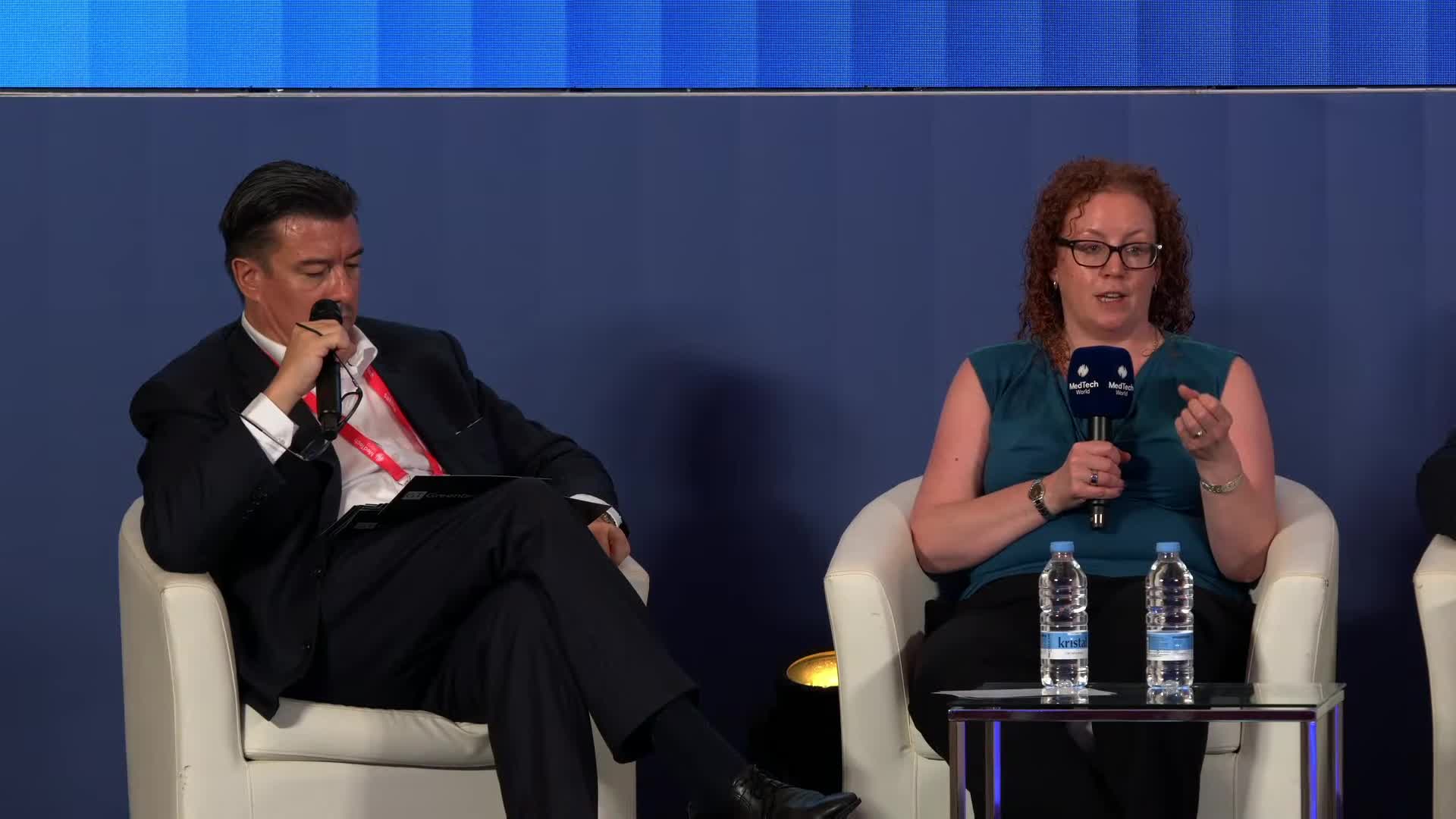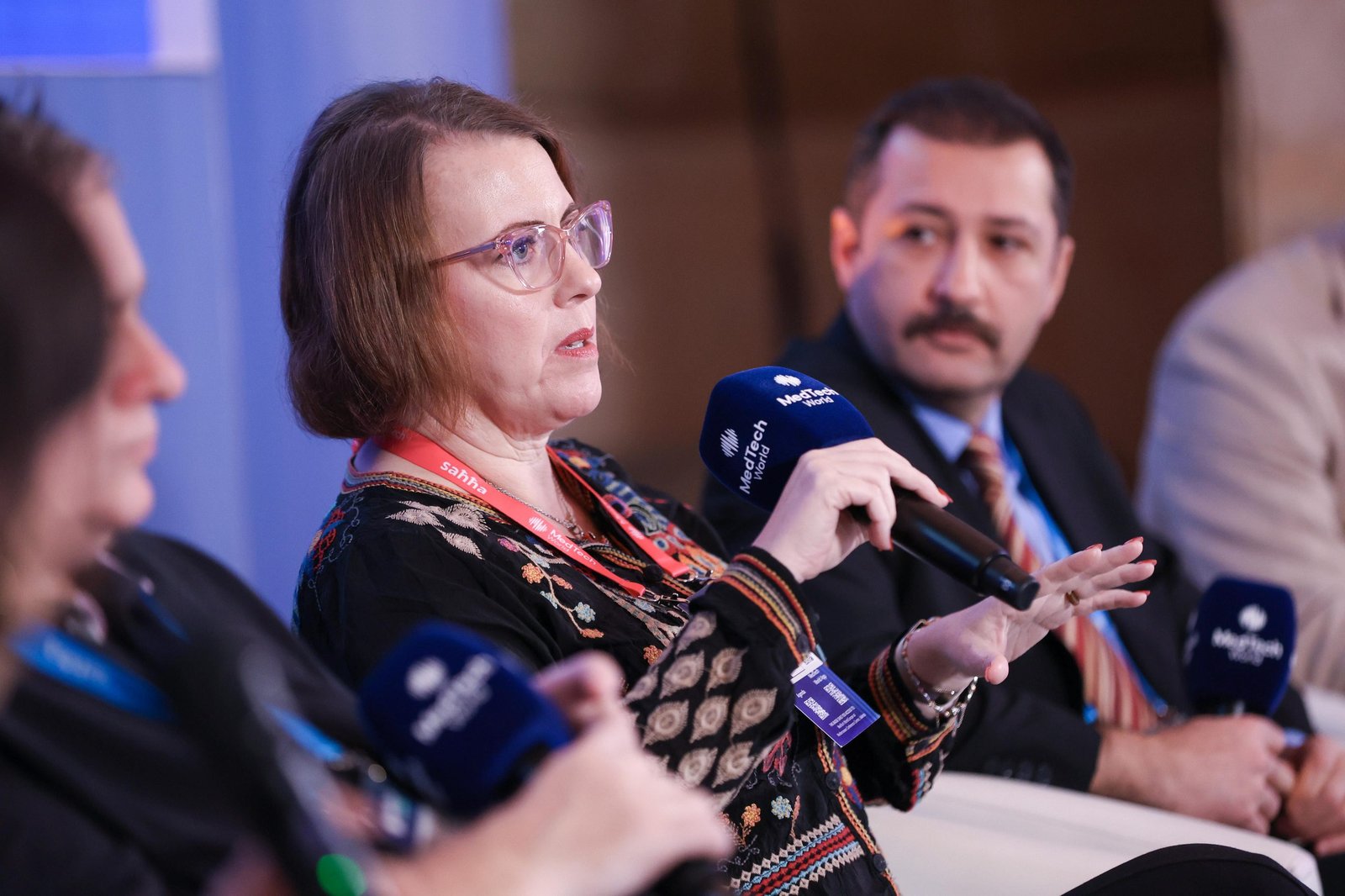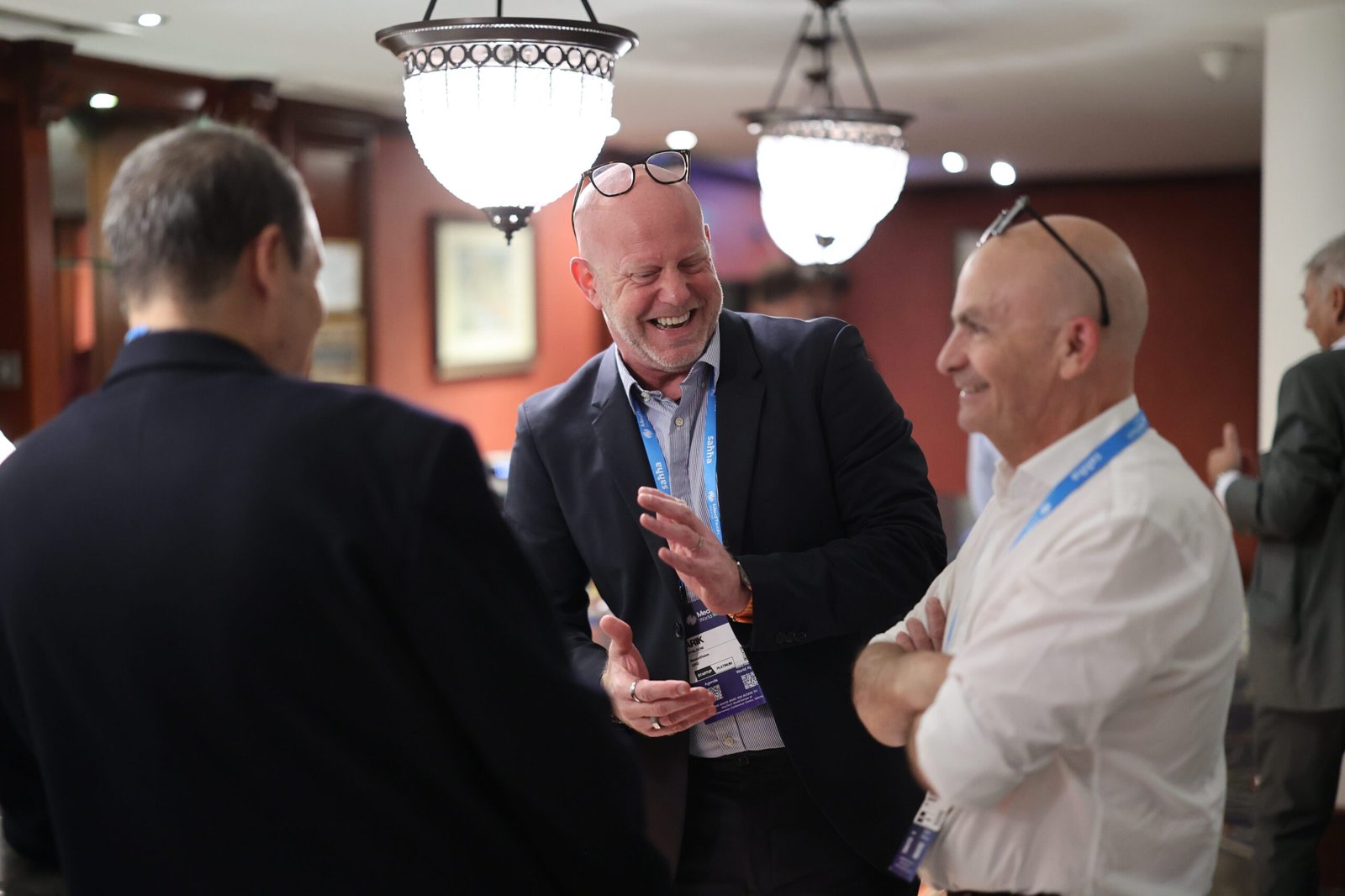
Australia and Malta are both islands, and neither is known for its size, moderator Jules Bligh told the room as she opened "Why Australia Works: A Clinical Trial Ecosystem Designed to Get Sponsors Moving" on the first afternoon of MedTech World Europe 2026. What both are known for, in her view, is agility and a habit of getting things done through relationships. Her case was that Australia's speed in first-in-human device research is not a shortcut. It comes from a system built for it, which she traced back to the country's response to the HIV and AIDS epidemic, when getting treatments to patients quickly became a priority.
Bligh is Operations Director at Ascend CRO. Her panel covered the sponsor, the site and the startup.
| Speaker | Role |
|---|---|
| Christophe Naz | Regulatory specialist, about 10 years in medical devices as sponsor and adviser |
| Chris Warren | Director of Research Operations, BMI Clinic Australia; co-founder, The Clinics Group |
| Sheila Thompson | Head of Strategic Partnerships, Ascend CRO; former nurse, Abbott, and leader of an Australian orthopaedic startup |
| Jules Bligh (moderator) | Operations Director, Ascend CRO |
One review, then a notification
Naz, who is French, said what surprised him most in Australia was getting an approval on scientific questions alone, "and no bureaucratic ones". He compared it with Europe, where a hospital ethics committee reviews the documents and then a second government layer reviews them again, sometimes with conflicting results.
In Australia, one ethics review can cover all public hospitals and some private ones. The regulator, the TGA, then receives a notification instead of reviewing the package a second time. "There is one entity doing one job," he said. Ethics committees meet weekly. Warren's private site works with an independent ethics organisation that runs 16 NHMRC-certified committees meeting every week. "We can submit an application today. It'll be in front of a committee in two weeks from today and we'll have an answer a week after that," he said.
Bligh put the end-to-end figure at as little as 45 days from documents to first patient, with 60 days typical and 90 days as the outer range, depending on the quality of the documents.
Naz also addressed the investor question: will the FDA accept the data? He said notified bodies and the FDA accept Australian data, and his recent submissions drew no questions about data quality. The FDA's rules for studies outside the US are written down, and a study that follows them should not be rejected on that basis. On preclinical work, he said Australian committees take a risk-based view of testing for a 10-patient study, where European committees often expect the same testing as for thousands of patients.
Sites, patients and a standard contract
Warren runs a bariatric and metabolic service on Australia's east coast with a trials unit that has done first-in-human to pivotal studies, mostly in bariatric and metabolic endoscopy. Sponsors are most surprised, he said, by their access to key opinion leaders: the same investigator often does the first case and later presents the data at a meeting such as DDW.
Patients come well characterised. A type 2 diabetes trial candidate may arrive with 10 or 15 years of HbA1c results from their GP. Follow-up is strong because care is affordable and close to home, so withdrawals and losses are low. That matters in small studies. "If you lose two of your 10, that's a big hole in your data set," he said.
Contracts are standard too. The Medical Technology Association of Australia publishes a standard form clinical trial agreement, so sites negotiate only the commercial schedule. "In our case there's never a lawyer actually involved," Warren said. He has turned budgets around in a week and had a contract signed a week later, often in parallel with the ethics review.
His example of the full journey was a study that started as a 60-patient first-in-human trial across two Australian sites about four years ago. The pivotal study that followed recruited around 275 patients at roughly 30 sites worldwide, mostly in the US, and the same two Australian sites provided about 40% of recruitment.
Retention is a valuation issue
Thompson argued that patient retention belongs in the boardroom, not only in operations. Lose one patient in a 20-patient first-in-human study and 5% of the evidence is gone. From her time at Abbott, she said strategics doing diligence ask whether they can trust the data and reuse it, and they judge four things: quality under good clinical practice, credibility of the sites and investigators, usability for regulators such as the FDA, and completeness.
She also explained the money. Australia's R&D tax incentive gives eligible companies with turnover under A$20M a refundable offset of 43.5%, paid in cash even when the company is loss-making. On a A$2M trial that is about A$870,000. Her warning was that foreign companies treat it as a tax return, when it should be part of the trial's financial design. Bligh added that many startups use the rebate from the first stage to fund an Australian arm of the pivotal study.
What can go wrong
Bligh asked each speaker for the honest risks.
| Risk | What the panel said |
|---|---|
| Treating Australia as a shortcut | A first-in-human study is a dry run, so plan the effort and learn from it (Naz) |
| Distance and logistics | Use a CRO with a strong team on the ground (Thompson) |
| Engaging sites too late | Talk to sites at the draft protocol synopsis stage, or earlier (Warren) |
| Cost per patient | Not the cheapest on paper; the case rests on speed and data quality (Bligh) |
Warren was firm on site engagement. "If you've already got a protocol, it's too late," he said. Sites can tell you whether the protocol can be run, whether patients will come back and whether patients who meet your criteria even exist.
Australia and the US, side by side
| Step | Australia | United States |
|---|---|---|
| Regulator role for an early device study | Clinical Trial Notification (CTN) to the TGA, a notification rather than a pre-approval | Investigational Device Exemption (IDE), deemed approved 30 days after FDA receipt unless the agency objects |
| Ethics review | Human Research Ethics Committee, then site approval | Institutional Review Board at each site |
| Typical bottleneck | Ethics and site contracts | FDA questions on preclinical testing |
| Funding support | Refundable R&D tax offset for companies with turnover under A$20M, equal to the company tax rate plus 18.5% | No direct equivalent for early device trials |
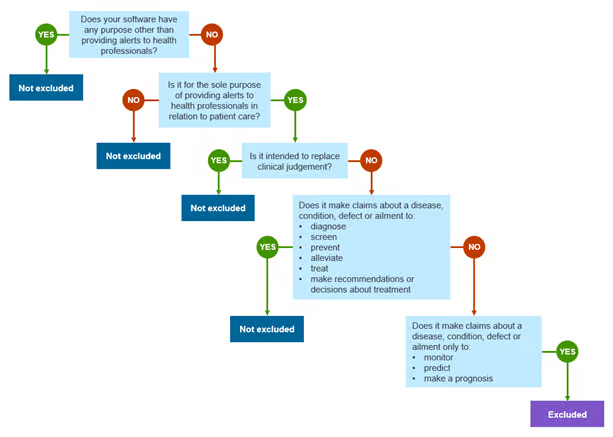
The speed comes from the notification model, not a lower safety bar, and the ethics committee still reviews the science. The FDA's Early Feasibility Studies programme has narrowed the gap by allowing smaller first-in-human studies with less preclinical testing, but it still needs an IDE before the first patient.
For hospitals, hosting early studies builds investigator experience, and the panel's own example showed the same two Australian sites going on to supply about 40% of a later pivotal trial.
For investors, the Australian tax offset is part of the round. Under the Industry Research and Development (Clinical Trials) Determination 2022, notified device trials of unapproved products count as core R&D, so a well-run study can return a large share of its cost in cash. For clinicians and researchers, the question to ask any company running a first-in-human study abroad is the same one the panel asked: will the data be clean enough, and complete enough, to support the pivotal trial?
My take
The panel made a strong case, and readers should know that two of the four speakers work for Ascend CRO, which was named CRO of the Year at the MedTech World Europe awards the next evening. That does not make the facts wrong. The single ethics review, the clinical trial notification route and the refundable R&D offset are real features of the Australian system, and the advice on retention applies anywhere. As a doctor, the line I would keep is Warren's on site engagement. The investigators who will enrol your patients know things about the pathway that no protocol writer does, and asking them first is the cheapest risk reduction there is.