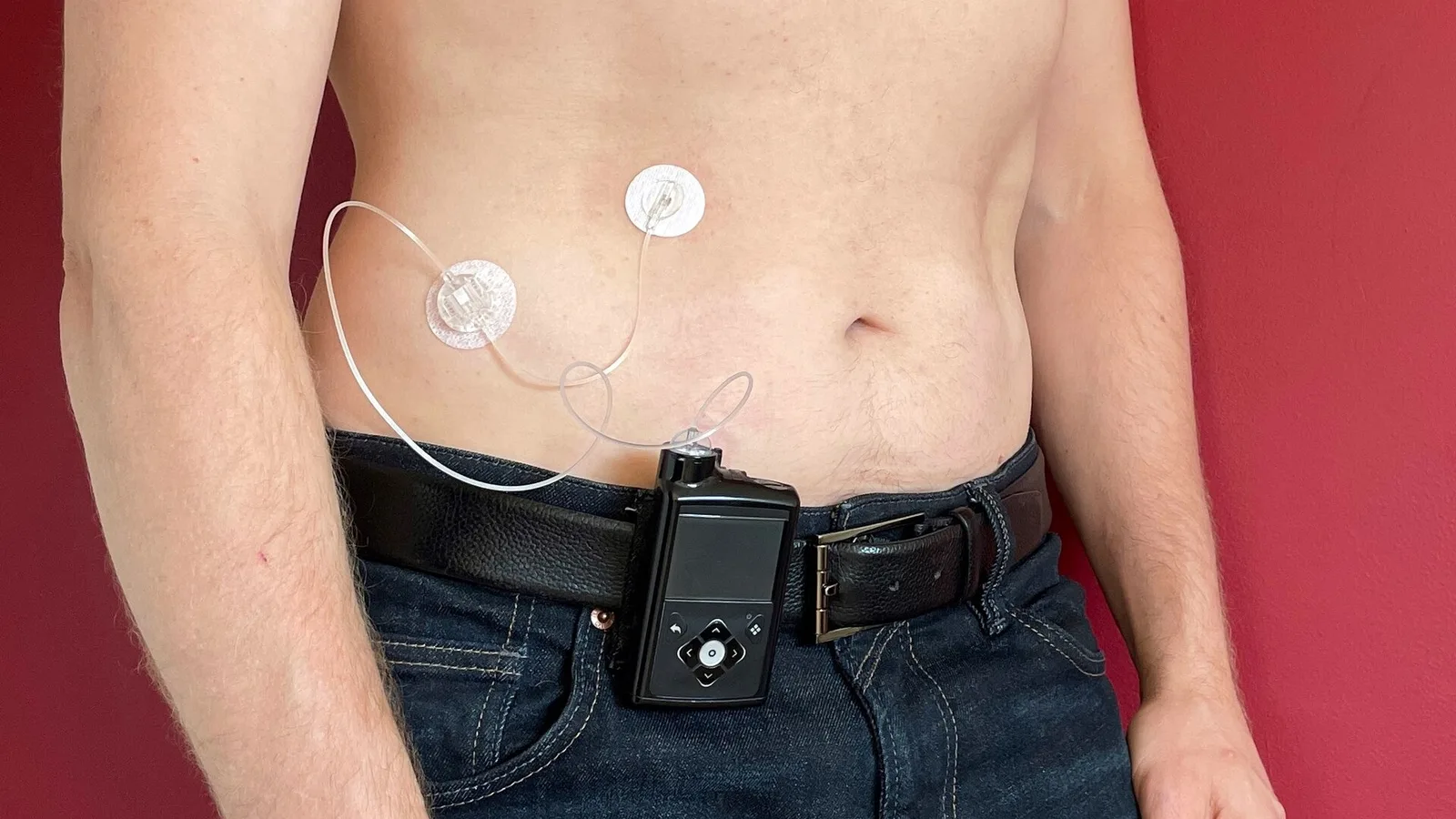
For close to two decades, automated insulin delivery, often called closed loop or artificial pancreas technology, was built, tested and marketed almost exclusively for type 1 diabetes. That has changed. Insulet and Tandem Diabetes Care both now hold FDA clearance to market their systems on label for type 2 diabetes in the United States, a shift MedTech Strategist called the start of a "type 2 era" for the pump industry, with Medtronic, Beta Bionics and Sequel Med Tech expected to follow. MedTech Strategist
Tandem separately received FDA clearance in April 2026 for Control-IQ+ use in pregnancy for type 1 diabetes, the first commercially available automated insulin delivery technology cleared for that indication in the U.S., underscoring how quickly label expansion is moving across this category on multiple fronts at once. Tandem Diabetes Care
Why does a type 2 clearance matter more than it sounds?
Type 1 diabetes affects roughly 2 million Americans. Type 2 diabetes affects more than 11 times that number globally, and a meaningful share of insulin-treated type 2 patients struggle with the same glycemic variability that closed loop systems were built to manage in type 1. The global insulin pump market was valued at $6.6 billion in 2025 and is projected to reach $21.5 billion by 2035, a 12.7 percent compound annual growth rate, according to Global Market Insights, and that forecast was built around exactly this label expansion. GM Insights
What is different about treating type 2 patients with a pump?
Basal-only versus full closed loop. Many type 2 patients on insulin use basal-only regimens rather than multiple daily bolus injections, so the clinical algorithm has to work well with less carbohydrate-counting input and less frequent user interaction than a typical type 1 patient provides.
Insulin resistance changes the tuning. Type 2 patients often require larger total daily insulin doses relative to body weight, and algorithms tuned on type 1 physiology need separate validation, not just a label change, to dose safely across that different resistance profile.
Primary care, not endocrinology, is the entry point. Most type 1 patients are managed by endocrinologists comfortable with pump technology. Most insulin-treated type 2 patients are managed in primary care, where pump titration experience is thin. That is a training and support-infrastructure gap the device makers have to close themselves if they want adoption, not just a clearance.
What has to happen for adoption to actually follow the label
| Barrier | Type 1 (established) | Type 2 (newly cleared) |
|---|---|---|
| Prescriber familiarity | High, endocrinology-driven | Low, largely primary care |
| Payer coverage precedent | Established | Still forming, case by case |
| Patient population size (US) | ~2 million | Tens of millions, insulin-treated subset smaller |
| CGM pairing already common | Yes | Partial |
Coverage is the binding constraint here, not clinical evidence. A health plan that has never covered a pump for a type 2 member has no existing prior authorization pathway, no case management protocol and no cost model for this population. Expect the first eighteen months after clearance to be dominated by payer negotiations and pilot coverage policies at self-insured employers rather than broad national coverage.
The takeaway
A 510(k) clearance for a new population is not the same as a market. The type 1 automated insulin delivery market took the better part of a decade to move from first clearance to standard-of-care adoption, and it had the advantage of an already-engaged specialist prescriber base. The type 2 opportunity is larger in absolute patient numbers, but it starts from a colder base in primary care familiarity and payer infrastructure. The companies that win this expansion will be the ones that invest in primary care education and payer contracting as aggressively as they invested in the underlying algorithm.
Key Signals
Tandem and Insulet now hold on-label FDA clearance for automated insulin delivery in type 2 diabetes. The insulin-treated type 2 population dwarfs type 1 in raw numbers but lacks the same specialist prescriber base. Coverage precedent, not clinical evidence, is the binding constraint on near-term adoption. The global insulin pump market is forecast to triple from $6.6B to $21.5B by 2035 on this expansion.