Key Signals
- Angela Paterson of Evolution Medtech said she has seen clients win a CE mark on a strong post-market clinical follow-up (PMCF) plan, collect nothing, and face losing the mark at the three-year technical file review.
- Christian Espinosa of Blue Goat Cyber said many device makers have a cyber incident plan they have never tested, and some do not know where their devices are installed.
- Infera CEO Harry Blumsack said post-market data is only useful if it flows back into design, risk management and testing.
- MECOMED CEO Rami Rajab described how disruption around the Strait of Hormuz and a strike on Qatar's Ras Laffan complex hit helium supply, which matters for MRI, and argued for critical stock levels over just-in-time.
- Paterson described a client that ended up maintaining three versions of the same product, for the US, Japan and Europe, because regulators disagreed on whether a change was significant.
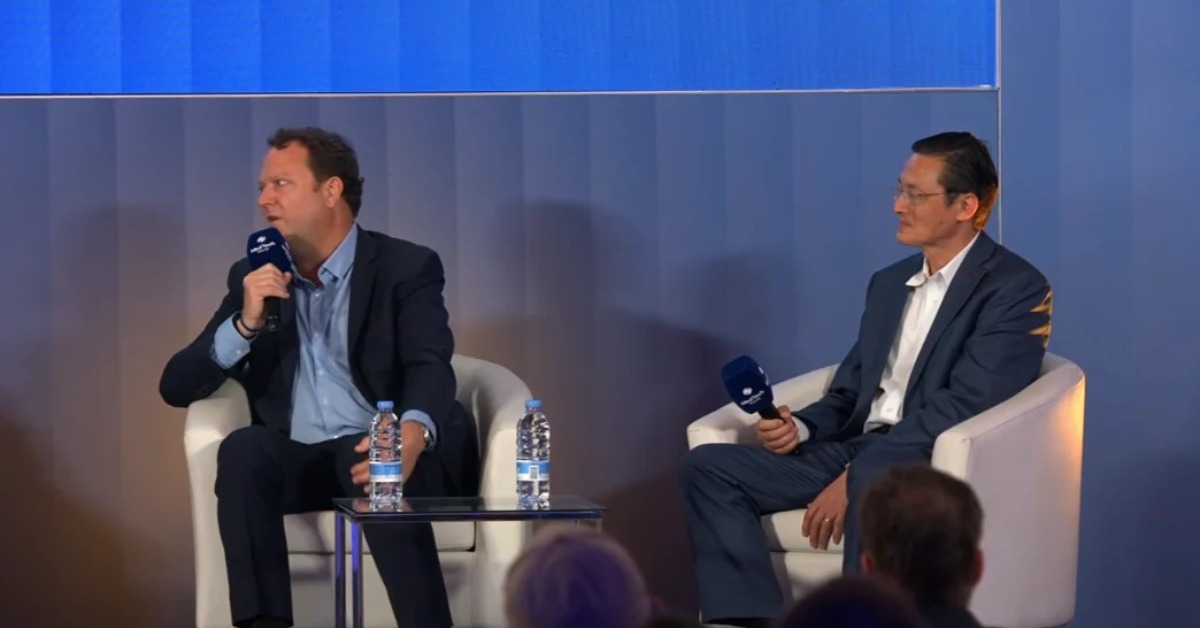
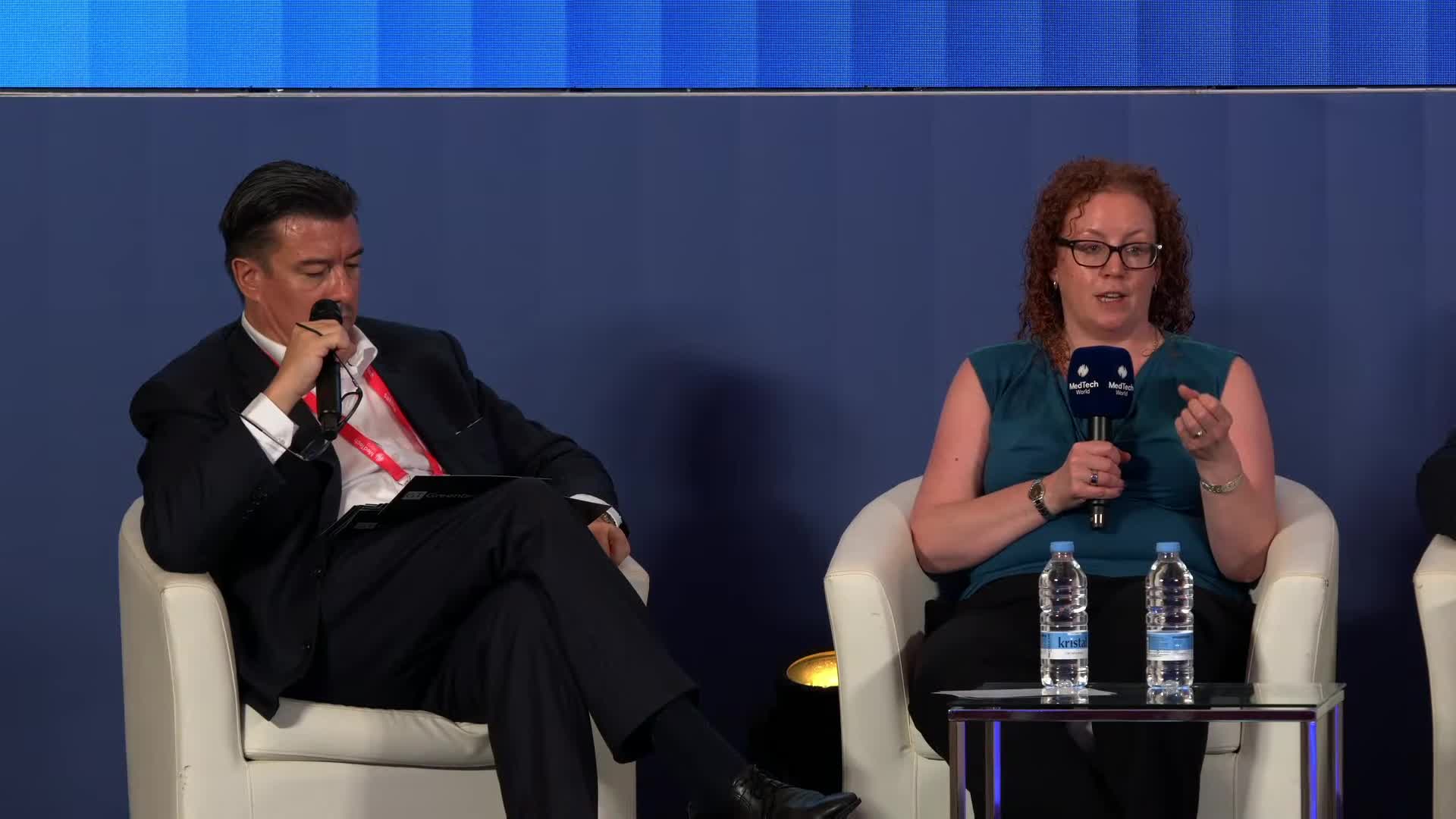
Getting a medical device approved feels like the finish line. On the second day of MedTech World Europe 2026 in Valletta, a panel made the case that it is closer to the first lap. "After Approval: Keeping MedTech Products Compliant, Competitive and on the Market" was moderated by Dr. Christian Rybak, Shareholder and Chair of Health Care and Life Sciences Germany at Greenberg Traurig. His opening framing was simple: products evolve, software changes, suppliers change and clinical knowledge moves on, and compliance does not stop at certification.
| Speaker | Role | Lens |
|---|---|---|
| Angela Paterson | Managing Director and Principal Consultant, Evolution Medtech | Nearly 30 years in device regulation and quality |
| Rami Rajab | CEO, MECOMED | Trade association for devices, diagnostics and imaging in the Middle East and Africa |
| Christian Espinosa | Founder and CEO, Blue Goat Cyber | Medical device cybersecurity |
| Harry Blumsack | Founder and CEO, Infera | AI platform that maintains technical documentation from build systems |
| Dr. Christian Rybak (moderator) | Greenberg Traurig Germany | Health care and life sciences law |
The PMCF trap
Paterson told the story that made the room go quiet. In Europe, many companies get their CE mark on the strength of a strong PMCF plan. Then they start selling and do nothing. Three years later the notified body reviews the technical file and asks for the data. "And they say, oh, we didn't do it," she said. At that point the notified body has the power to remove the CE mark, and she said it has happened to several companies she has worked with.
Her advice was to keep collecting, always, and to be realistic about how hard that is. Hospitals have little time for long questionnaires, yet manufacturers need data for every product code, including the low sellers. She suggested a claims matrix: know exactly which claims you make, map the data that supports each one, and resist adding new claims. "The information that keeps you on the market is the real technical information," she said, meaning performance and safety data, not marketing.
Blumsack took it a step further. "If you don't have an infrastructure to ingest that information and action it, it's just going to become information that sits," he said. You can tick the compliance box, but unless the data feeds design, risk management and testing, the product does not get safer. With software-enabled devices now easier to change using AI tools, he said, teams have to be careful about what counts as a change and how to keep it safe and effective.
Cyber plans that were never tested
Espinosa, who said a medical device saved his own life, laid out three common failures. Some manufacturers have no proper asset inventory, so they do not know where their devices are deployed, which makes updates and recalls very hard. Others have the inventory but never test the plan. He said his firm had seen only one company commission a scenario exercise, and that company quickly found its plan did not work.
"You don't want the first time you practice the drill, there's an actual fire," he said. He wants tabletop exercises as standard and threat modelling from the design stage, not added just before a regulatory submission. He also said too many companies do the minimum the FDA or the EU MDR requires, when they should go further.
His closing takeaway is the one I would underline for every board: "Cyber security is not about data protection. It's about protecting the patient." You can recover from stolen data. You cannot recover if someone harms you through a hacked implantable defibrillator.
When identical parts are not identical
Paterson said companies could change almost anything in the early 2000s and nobody minded. Now, even switching to an identical component from another supplier can trigger a long process in Europe, because you must plan the change and ask whether the notified body agrees it is non-significant. One client ended up with three versions of the same product for the US, Japan and Europe because the regulators did not agree. She said some European products have not been allowed to change for seven or eight years, and that fear of returning to the notified body is slowing innovation.
Rajab added the commercial cost. Duplicated products mean higher costs and more transport, which also hurts a company's ESG performance. He said device product cycles have shortened to around 18 months or less, from about 24, while changes in plastics policy, materials and sterilisation rules keep coming. MECOMED has proposed regulatory sandboxes where companies can explain upcoming changes to authorities in advance. "This is not happening yet," he said.
Supply chains in a crisis
Rajab brought a perspective few European audiences hear. In the Middle East and Africa, distributors still carry much of the chain of custody from manufacturer to patient, including traceability and recalls. He described the disruption around the Strait of Hormuz and a strike on Ras Laffan in Qatar, which he said produces about 30% of the world's helium. MECOMED, whose members include around 70 companies, raised the alarm with authorities early because helium shortages affect MRI and other systems.
His lessons were to keep critical stock levels, move away from pure just-in-time delivery and act fast on recalls. "We need to have a state of preparedness," he said. And: "There is nothing too early when there is a recall."
The post-approval checklist
| Risk | What the panel recommended |
|---|---|
| Missing PMCF data at review | Collect continuously, use a claims matrix, do not add claims you cannot support |
| Data that never improves the product | Build infrastructure that feeds design, risk and testing |
| Untested cyber plans | Asset inventory, tabletop exercises, threat modelling from design |
| Supplier or component changes | Plan early, ask regulators, expect regional disagreement |
| Supply shocks | Critical stock levels, early contact with authorities, fast recalls |
My take
From the clinical side, I care about this more than any launch announcement. A device I trust today has to be the same, or better, five years from now, and someone has to be watching how it behaves in real patients. The panel made a strong case that post-market work is where a company proves it deserves its approval. It is also where startups, short on staff after launch, are most exposed. Founders should budget for it from day one.
Sources
- MedTech World Europe 2026, Day 2 livestream, La Valette Stage: "After Approval" (13 November 2026, from about 2:06)
- MedTech World: MedTech post-market challenges, keeping devices safe and compliant (13 November 2026)
- European Commission: Medical Devices Regulation (EU) 2017/745
- MedTech World Europe 2026 speakers