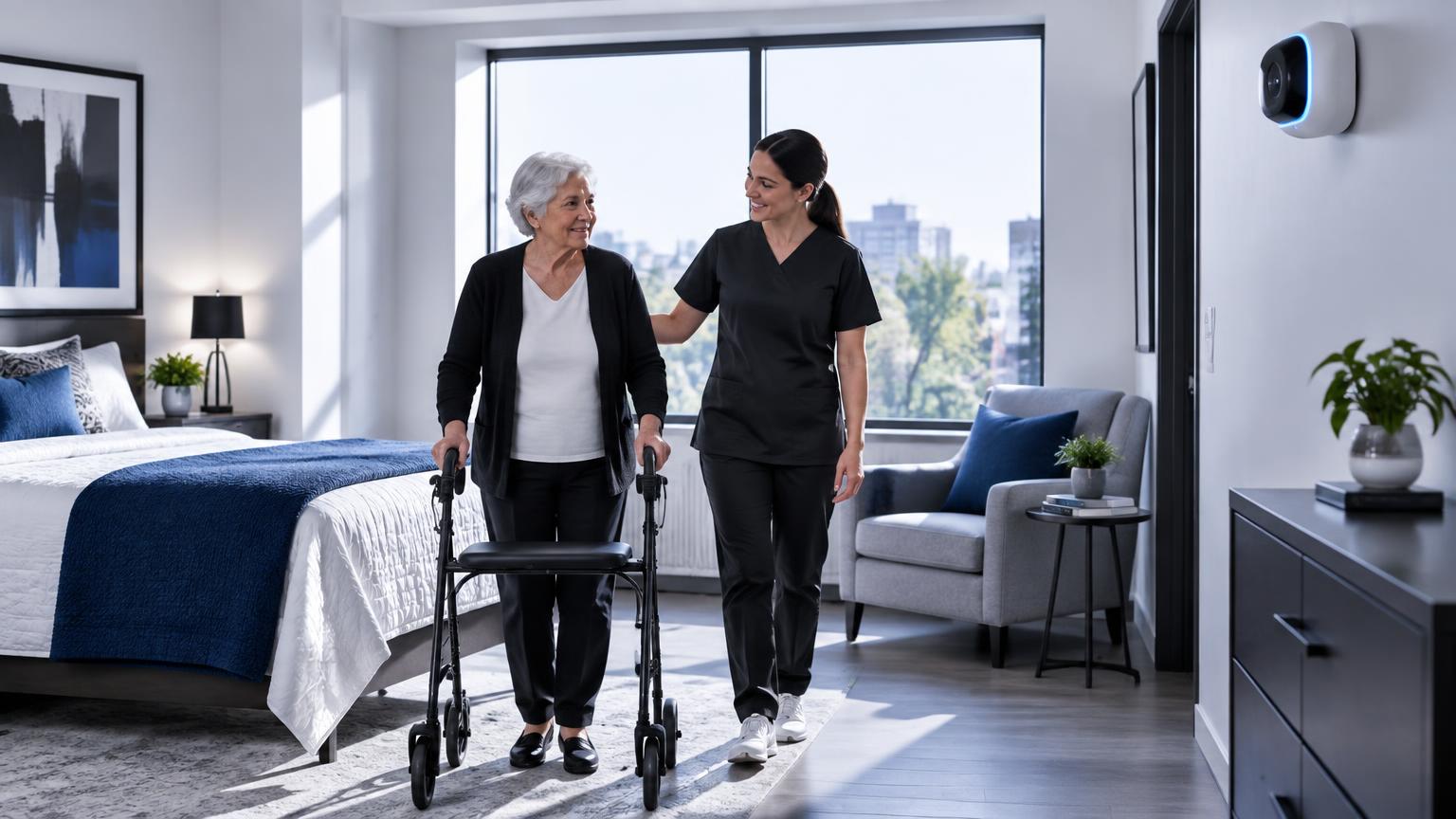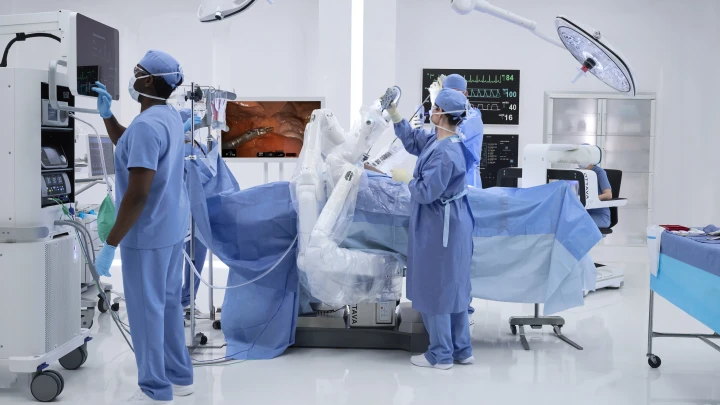

A hospital room can become a place where a remote nurse helps with selected tasks, clinicians join consultations and sensors support observation. Artisight brings those capabilities together through its All-In-One device and smart hospital platform.
The device’s inclusion in TIME’s 2026 Best Inventions list puts that approach in the spotlight. For hospitals considering it, the buying decision reaches beyond the hardware. They are also deciding how bedside and remote teams will work together.
In This Deep Dive
- Why this matters now
- What actually happened
- The obvious read versus the deeper signal
- Taxonomy: The device, the service and the result
- The deployment framework: Start with the nursing task
- Capital flows, incentives, and bottom-up economics
- The HealthTech Investor’s Signal: Delivery is part of the product
- The counter-thesis: A smarter room can still add work
- Forward Intelligence: Four developments to watch
- The Bottom Line for Nursing and Hospital Leaders
Why this matters now
Shared room infrastructure gives hospitals a way to support several services through one platform. That could simplify an environment built up from separate tools. It also changes the procurement question: which functions will the hospital actually use, and what does each require?
A nursing team may first want help with a specific task such as admission work. That is a useful place to begin an evaluation. The team can compare how the task is completed today with how it works when a remote colleague joins through the room technology.
What actually happened
Artisight announced TIME’s recognition on October 15. Its release describes an All-In-One device using NVIDIA Jetson Orin NX for edge inference. Platform uses include virtual nursing, specialty teleconsults, documentation and room workflow coordination.
The company lists wall, ceiling and clamp installation options, with physical camera and audio controls. It also acquired deployment specialist TMG Global in September. Together, those details show how much the proposition involves installation and service delivery as well as software.
The obvious read versus the deeper signal
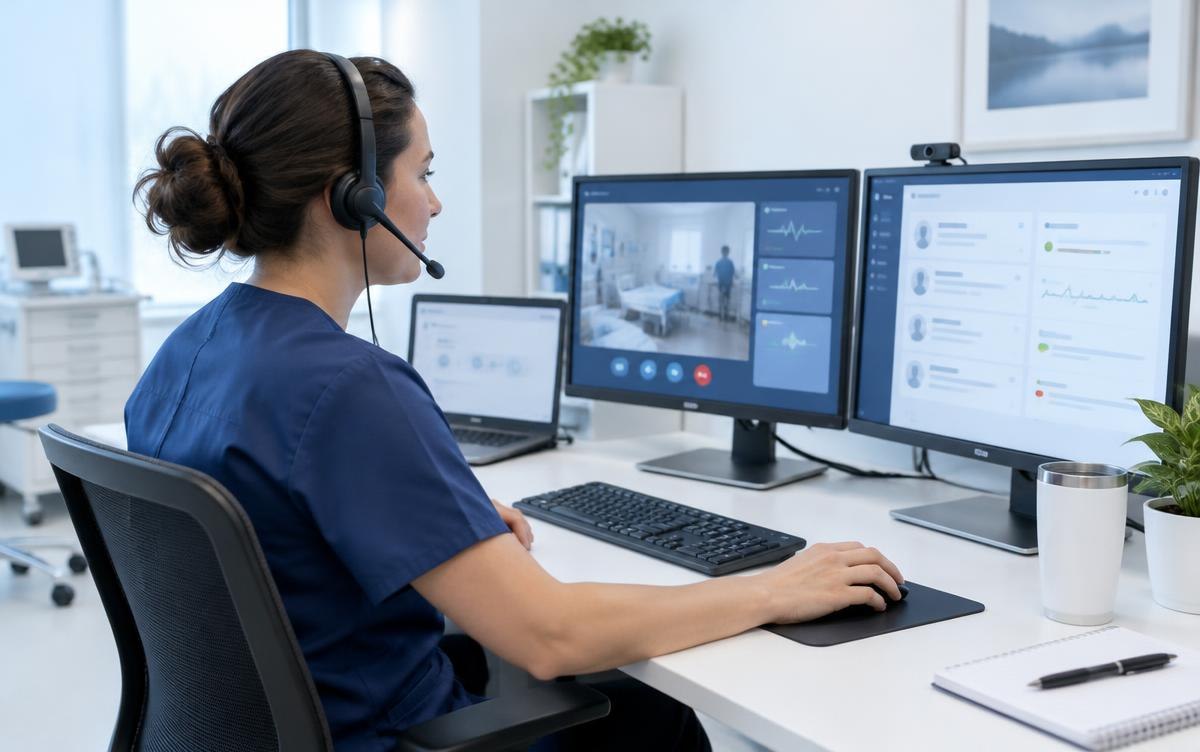
The obvious appeal is fewer disconnected devices in the room. The deeper question is whether the shared platform makes a clinical task easier to finish. A remote nurse can contribute only when responsibilities and handoffs are clear.
For example, remote admission support should leave the bedside team knowing what is complete and what still needs attention. If staff must repeat the same questions or check several records to find out, the technology may simply redistribute the workload. Evaluate the whole task, including that handoff.