The hospital is leaking patients, and that is a good thing.
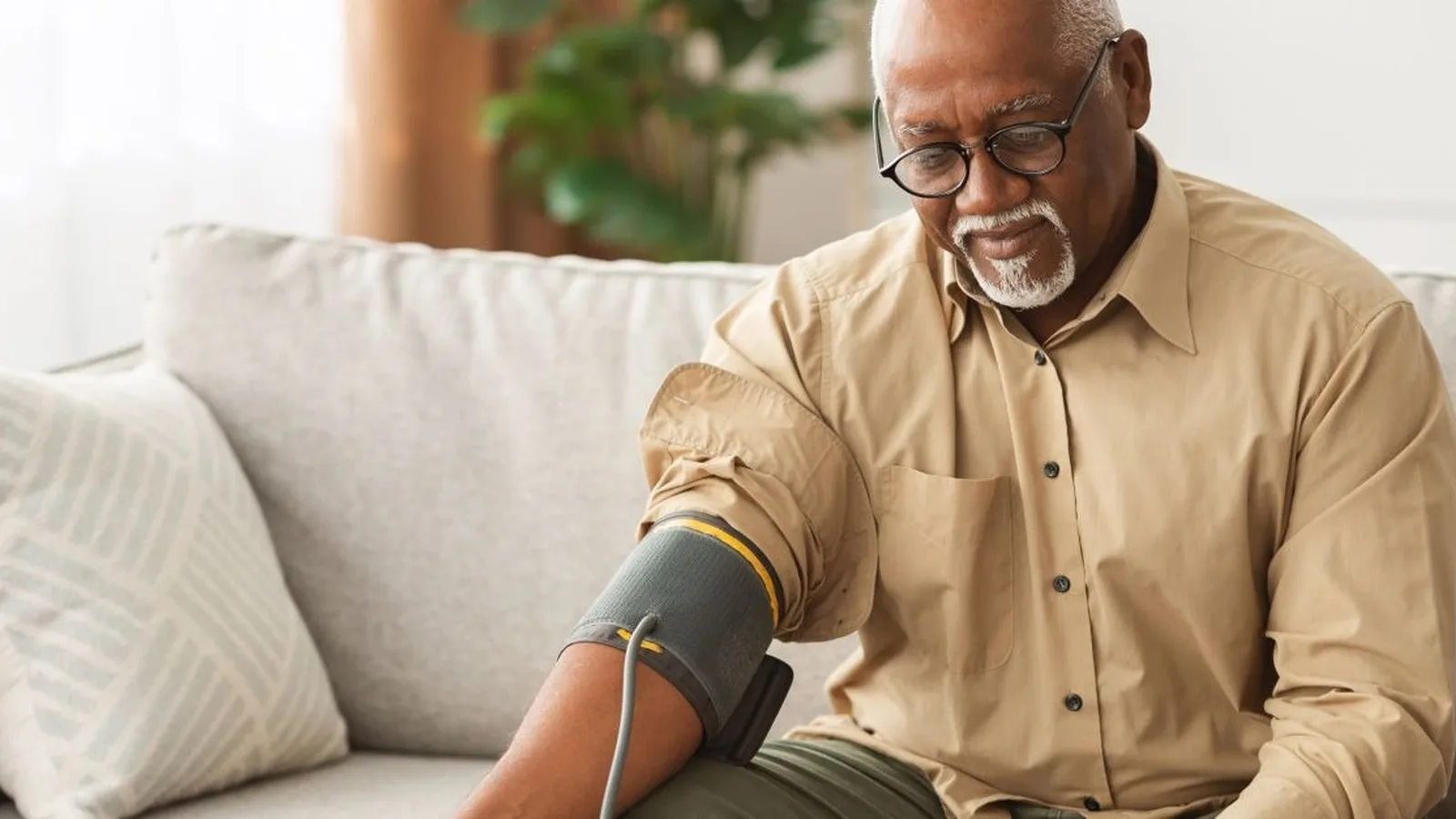
Care is moving home. Remote patient monitoring, the practice of tracking vital signs and symptoms from a patient's own living room, has gone from a pandemic workaround to a reimbursed, scaled category. These are the seven platforms leading it, and why home is where the next decade of medicine happens.
1. Current Health (best-in-class acute at home)
A wearable-and-tablet platform, now part of Best Buy Health, that supports hospital-at-home and post-discharge monitoring with clinical-grade continuous data.
Why it matters: Hospital-at-home only works if the monitoring is good enough to trust. Current Health made it good enough.
2. Biofourmis: AI-driven signals, not just data
Combines wearables with analytics that predict deterioration before it becomes a crisis, focused on heart failure and complex chronic disease.
Why it matters: Raw data is noise. The value is in predicting the readmission before it happens.
3. Cadence: chronic care management at scale
Backed heavily by General Catalyst, Cadence remotely manages hypertension, diabetes and heart failure for health systems, blending devices with a clinical team.
Why it matters: Chronic disease is where the money and the suffering both concentrate. Managing it from home changes both.
4. Withings Health Solutions: consumer hardware goes clinical
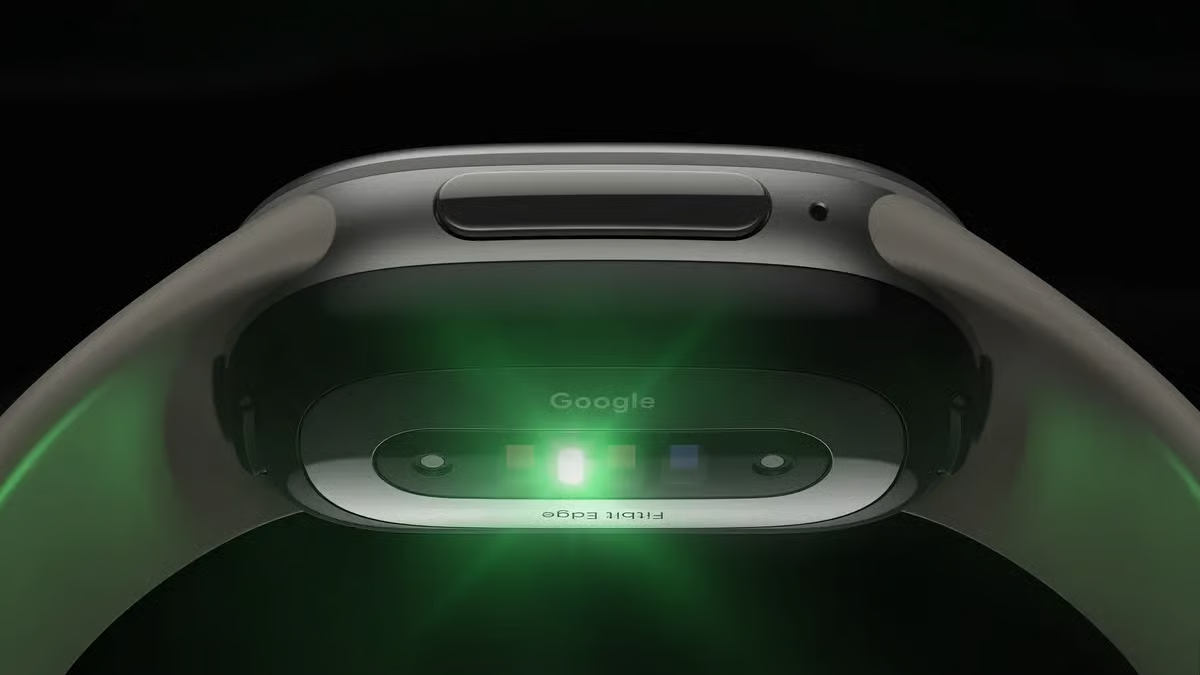
The enterprise arm of a beloved consumer brand, turning cellular-connected scales, cuffs and watches into clinical-grade remote monitoring with almost no patient setup.
Why it matters: Adherence dies when devices are hard to use. Consumer-grade simplicity is a clinical advantage.
5. Optimize Health: the RPM operations layer
Focuses on the unglamorous engine of remote monitoring: the software, staffing and billing workflows that make RPM financially viable for a practice.
Why it matters: RPM only scales if clinics can actually get paid for it. Optimize built the plumbing.
6. Cala Health: monitoring that also treats
Cala's wrist wearable does not just track essential tremor, it treats it with targeted stimulation, and just raised $50 million to scale.
Why it matters: The line between monitoring and therapy is blurring. Cala lives on that line.
7. Parkview and Care.ai style virtual programs: the health system model
Health systems like Parkview now run remote monitoring and virtual nursing as defined operational programs, processing millions of AI tokens a month and treating home monitoring as core infrastructure, not a pilot.
Why it matters: When health systems build RPM into operations with outcome targets, the category has truly arrived.
Why home is the real frontier
Every platform here is chasing the same shift. A hospital bed is the most expensive real estate in medicine. Every day of monitoring that safely happens at home instead is cheaper, kinder and often safer, away from hospital-acquired infections.
This connects directly to the wearables I covered in my preventive health rundown. Prevention catches problems early. Remote monitoring manages them without a hospital stay. Together, they are quietly dismantling the idea that serious care requires a building.
Would you rather be monitored at home or in a ward? Subscribe free to The HealthTech Signal and follow how fast the hospital walls keep coming down.