Key Signals
- Newmanbrain, spun out of Miguel Hernández University in Alicante, won MedTech Innovation of the Year at the MedTech World Awards Europe 2026 on 13 November for Theia.
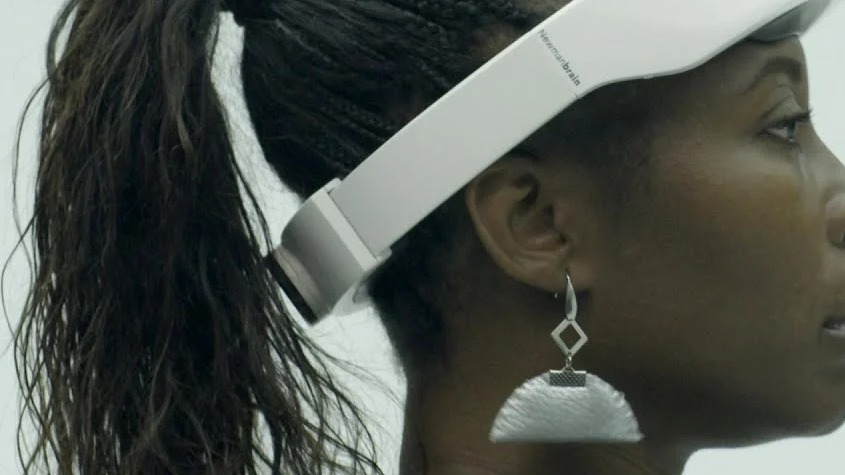
- Theia is a wireless headset that uses functional near-infrared spectroscopy (fNIRS) to measure blood oxygenation in the prefrontal cortex while a patient does simple arithmetic tasks. An algorithm returns a report in under 20 minutes.
- It is a CE-marked Class IIa device under the EU MDR, positioned as a diagnostic aid. The diagnosis stays with the clinician.
- Newmanbrain reports an AUC of 0.91 from a double-blind study at Hospital San Vicente del Raspeig. The sensitivity and specificity figures differ between the company's sources, and the paper is still under peer review.
- The business model is hardware plus pay-per-test plus an annual licence. The company says it has 100 devices pre-sold and plans to build its first 1,000 units in 2027.
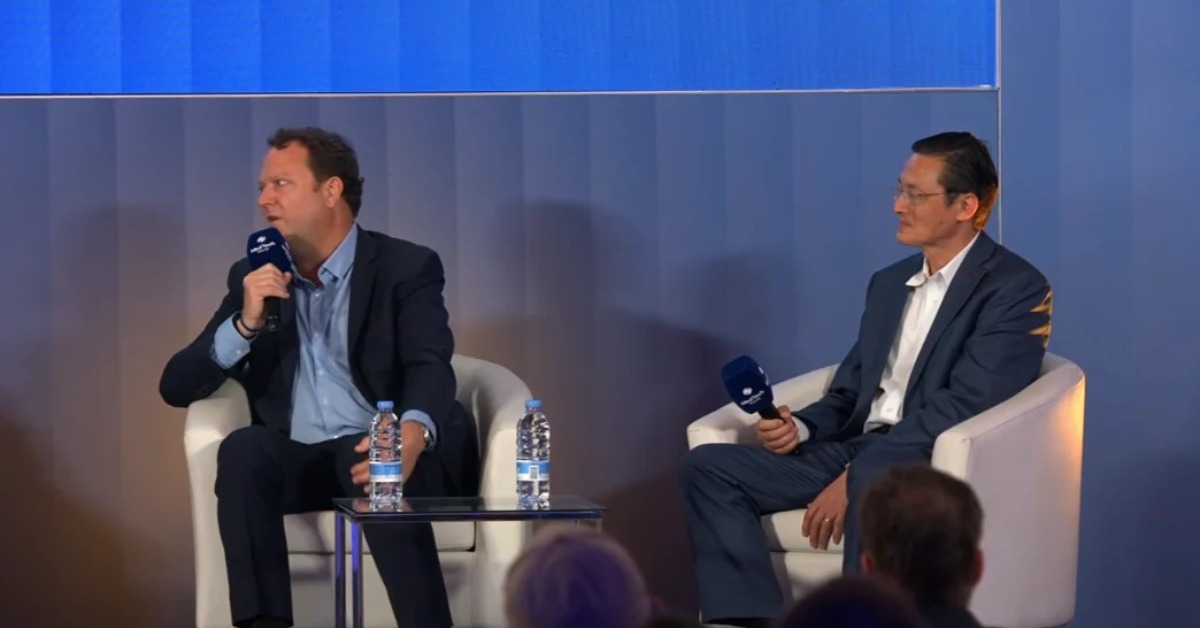
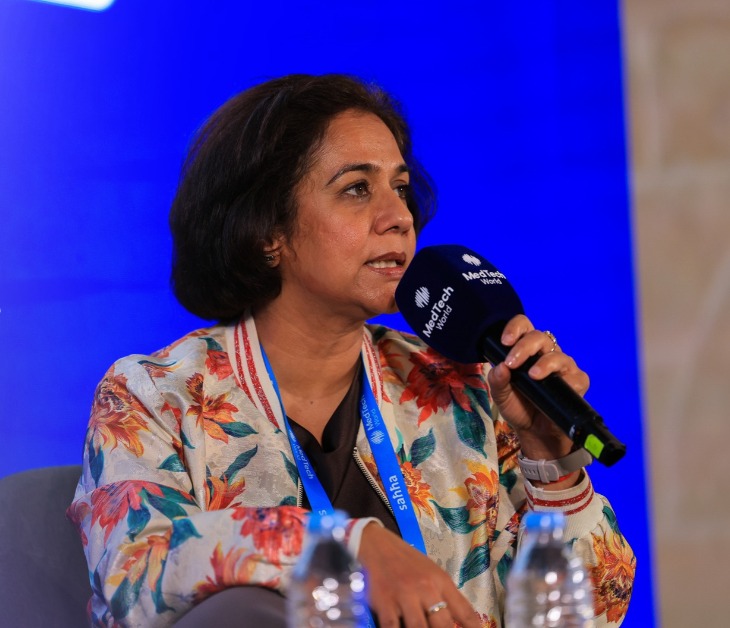
Of all the technologies on show in Valletta, this is the one I most want to see in primary care, and the one where I most want to see the full paper. On the evening of 13 November, the MedTech World Awards Europe 2026 named Newmanbrain's Theia MedTech Innovation of the Year. The day before, product manager Irene Tortosa had presented the device in a company showcase on the La Valette Stage.
The problem it targets
Tortosa opened with a question: how do you find something most people do not know they have? Mild cognitive impairment (MCI) can come before dementia. She said about one in five adults over 60 has MCI, yet only around 8% of them are ever diagnosed. She also cited the 2024 Lancet Commission estimate that up to 45% of dementia cases could be delayed or prevented by acting on modifiable risk factors such as blood pressure, social isolation and diet.
Her argument was that primary care has no objective, scalable tool for MCI. Neuropsychological test batteries are subjective and depend on the patient. Blood biomarkers, PET and cerebrospinal fluid tests are objective, but they show whether amyloid is present, not how the brain is working.
How Theia works
The patient sits in a clinic, puts on a lightweight headset and does a few arithmetic tasks. Meanwhile the headset shines near-infrared light through the forehead and records changes in oxygenated and deoxygenated haemoglobin in the prefrontal cortex, the region involved in memory and executive function. The data goes to the cloud, where a machine learning model compares the pattern with recordings from people with and without MCI. The clinician gets a report on the likelihood of MCI.
Because the test is quick and repeatable, Tortosa said, it can also be used for follow-up, for example to see whether treatment or lifestyle changes are working. That claim will need its own evidence, but it is a reasonable direction for a functional measure.
What the evidence shows
The certification study was prospective and double-blind, run with Miguel Hernández University at the Behavioural Neurology and Dementia Unit of Hospital San Vicente del Raspeig. On stage, Tortosa put it at 120 patients. Diagnoses were confirmed by a neurologist and psychologists who did not see Theia's results.
Here an expert reader should slow down, because Newmanbrain's public figures do not all match:
| Source | AUC | Sensitivity | Specificity | Intended age |
|---|---|---|---|---|
| Showcase on stage, 12 November 2026 | 0.91 | 90% | 85% | Not stated |
| Company FAQ (2024 data on file) | 0.91 | 90% | 85% | 60 to 85 |
| Award announcement on MedTech World, "extended study" | 0.91 | 85% | 90% | 65 to 90 |
| Company science page (earlier European studies) | 0.926 | 75% | 94% | Not stated |
The AUC is consistent, and around 0.91 is a strong result for a short, non-invasive test. The swap between sensitivity and specificity, and the different intended age ranges, may reflect different study phases or updated labelling, but readers should not have to guess. The extended study is described as under peer review, and multicentre external validation with Fundació ACE (Ace Alzheimer Center Barcelona) is under way. Those two steps will tell clinicians how Theia performs outside its home site.
The business
Tortosa laid out the model plainly. The headset sells for around €6,750, each test costs between €25 and €100, and there is an annual licence fee. She said Newmanbrain has 14 pre-commercial devices in use and 100 devices secured as pre-sales, expects to break even in 2028 and aims for 1,500 installed devices in 2030. She noted the deck was an older version, so treat the projections as indicative.
Newmanbrain also holds ISO 13485 certification and a medical device manufacturer licence, and Tortosa said the system is protected by four patent families. Besides Fundació ACE, the company has agreements with Neuroklinik at Hospital Vithas Medimar and Vithas Alicante, and with MyBrain in Barcelona. It plans to industrialise production in 2027, expand in Europe and later pursue the FDA route. Research is also under way in ADHD, motor neurorehabilitation, depression and anxiety.
"Cognitive decline is still identified far too late for most people," said co-founder and CEO Pablo Belmonte in the award announcement. "With Theia, any clinician can obtain an objective picture of a patient's brain function in under 20 minutes, without a hospital referral or a waiting list."
Questions clinicians should ask
- How does Theia perform in a primary care population, where MCI prevalence is lower than in a memory clinic?
- What are the positive and negative predictive values at realistic prevalence? The company FAQ quotes an NPV of 87% at 18% prevalence.
- How does it handle patients with depression, anxiety, low numeracy or vascular disease, which can affect both cognition and prefrontal blood flow?
- Does a positive Theia result change what happens next, such as referral, biomarker testing or risk factor management?
- Will the peer-reviewed paper publish full methods, so results can be compared with cognitive tests and blood biomarkers?
My take
As a doctor, I like the idea of a 20-minute, non-invasive functional test that a GP could run without a specialist. Early recognition of MCI matters more now that risk factor management and new treatments give us something to act on. Theia also arrives with a CE mark, a defined indication and a clear statement that it supports rather than replaces the clinician, which is more than many brain health products can claim.
What it needs now is consistency and independent data. Publish the peer-reviewed study, reconcile the figures, and show performance in primary care. If the external validation holds up, this award will look well earned.
Sources
- MedTech World: Newmanbrain's Theia named MedTech Innovation of the Year at the MedTech World Awards Europe 2026 (25 November 2026, sponsored article)
- MedTech World Europe 2026, Day 1 livestream: Newmanbrain company showcase by Irene Tortosa (12 November 2026, from about 6:14)
- Newmanbrain: Theia FAQ, intended use and validation figures
- Newmanbrain: The science behind Theia
- The Lancet: Dementia prevention, intervention, and care, 2024 report of the Lancet standing Commission