A cheaper instrument can make a purchase easier. It cannot, on its own, make a care pathway work. That is the important distinction in AI-assisted auscultation: the value of a recorded heart sound depends on the decisions that follow it, not simply on the device that captures it.
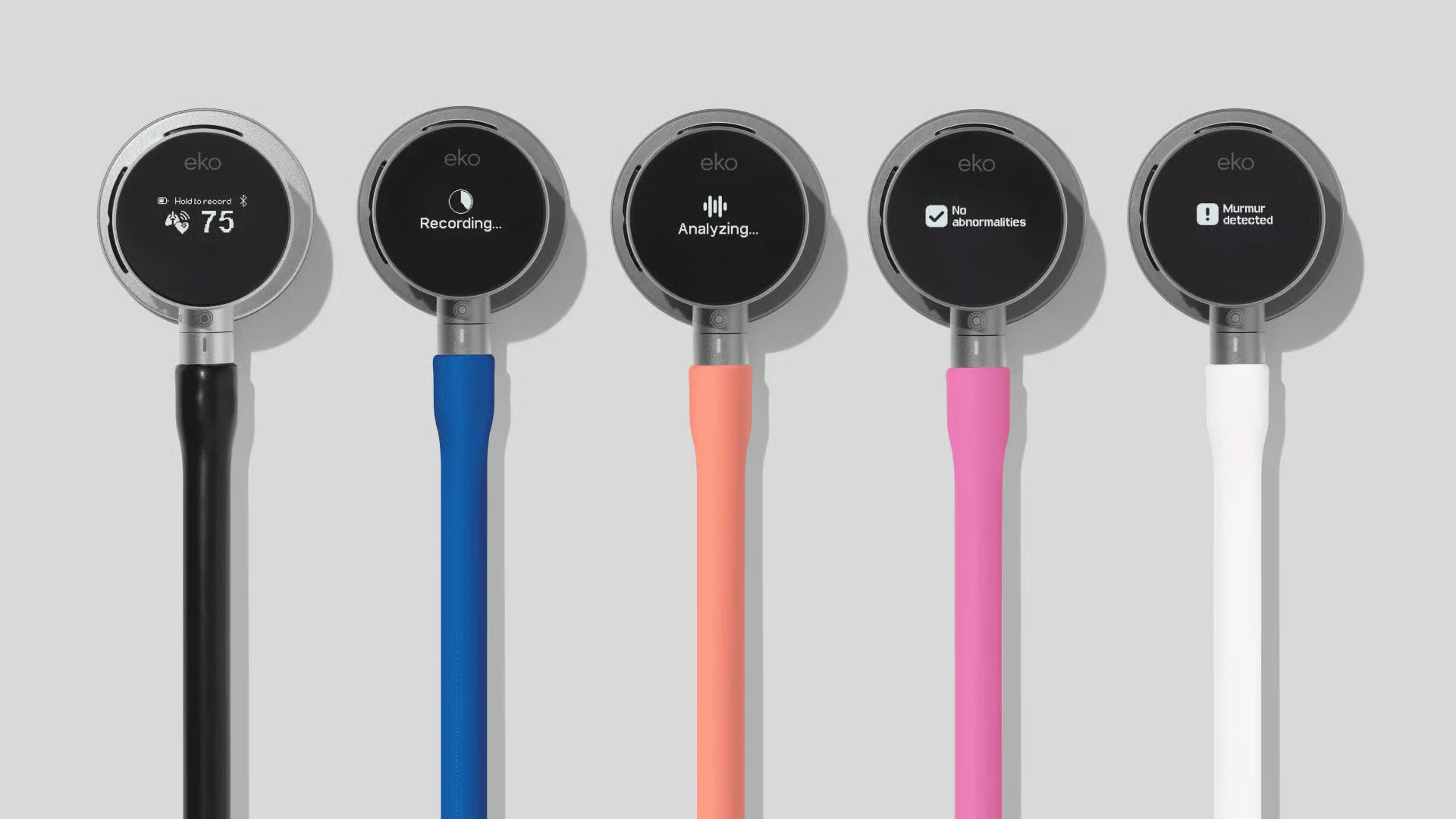
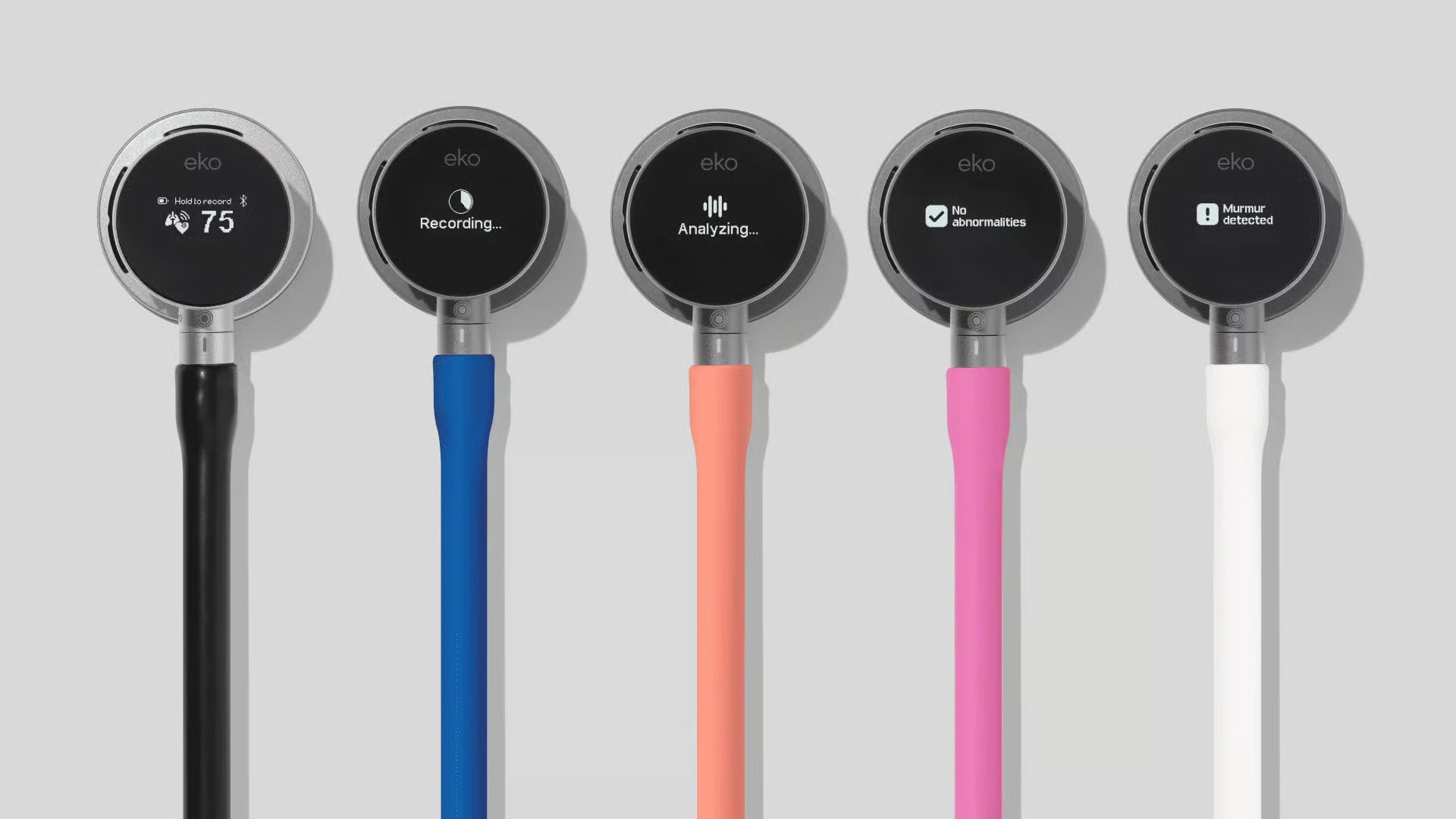
Eko's CORE 300 places traditional and amplified digital listening in a familiar clinical form. The October 23 Deep Dive examined the product and its commercial proposition. This follow-on analysis focuses on the operating question for a provider: how should a routine examination become a useful, documented and clinically appropriate next step?
In This Deep Dive
- The verified hardware and software proposition
- Why purchase price differs from pathway cost
- Five decisions beyond the device
- What a pilot should measure
- The HealthTech Investor's Signal
- Four observable developments to watch
What actually happened
Eko announced CORE 300 on October 22, 2026. The FDA identifies the CORE 300 Digital Stethoscope under K261694, with a substantially equivalent decision dated July 23. The device clearance and the commercial launch are separate milestones.
Eko describes traditional and digital modes, up to 35 times sound amplification, noise cancellation and a heart-rate display. Its product page displayed $199 against a $249 listed price when checked. That is an observed retail offer, not a permanent price or a complete enterprise budget. The company describes its positioning as in line with premium traditional stethoscopes.
Software analysis is a separate layer. Eko's materials describe app pairing and paid Eko+ membership for full software features. The hardware should not be described as an unlimited AI service with no recurring cost. FDA record K251494 separately names Eko Foundation Analysis Software with Transformers, or EFAST; it is not the hardware clearance.
Eko reports 750,000 devices sold worldwide across its business. That cumulative company figure is not a measure of active CORE 300 installations, software subscribers or clinical outcomes.
Why the referral pathway matters
Heart sounds can support assessment, but an algorithmic flag is not a diagnosis of aortic stenosis or another structural condition. Symptoms, history, examination and clinical judgment determine the next step. Confirmatory testing has its own role and should not be treated as equivalent to an acoustic recording.
An instrument that clinicians recognize has a distribution advantage. The health-system opportunity is to turn that accessibility into a reliable process. The useful endpoint is not the highest number of alerts or echocardiograms; it is a better-supported decision and appropriate follow-through.