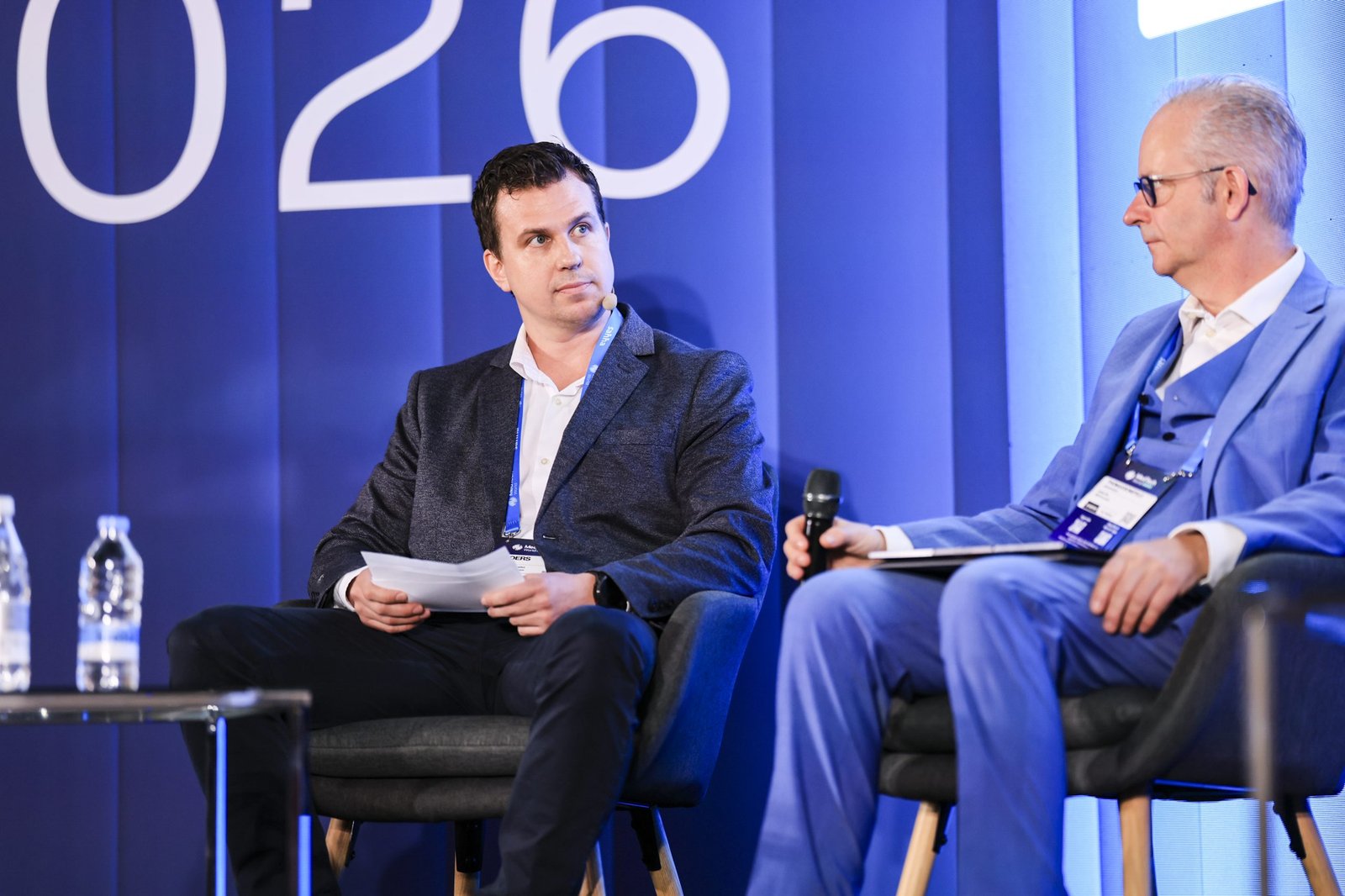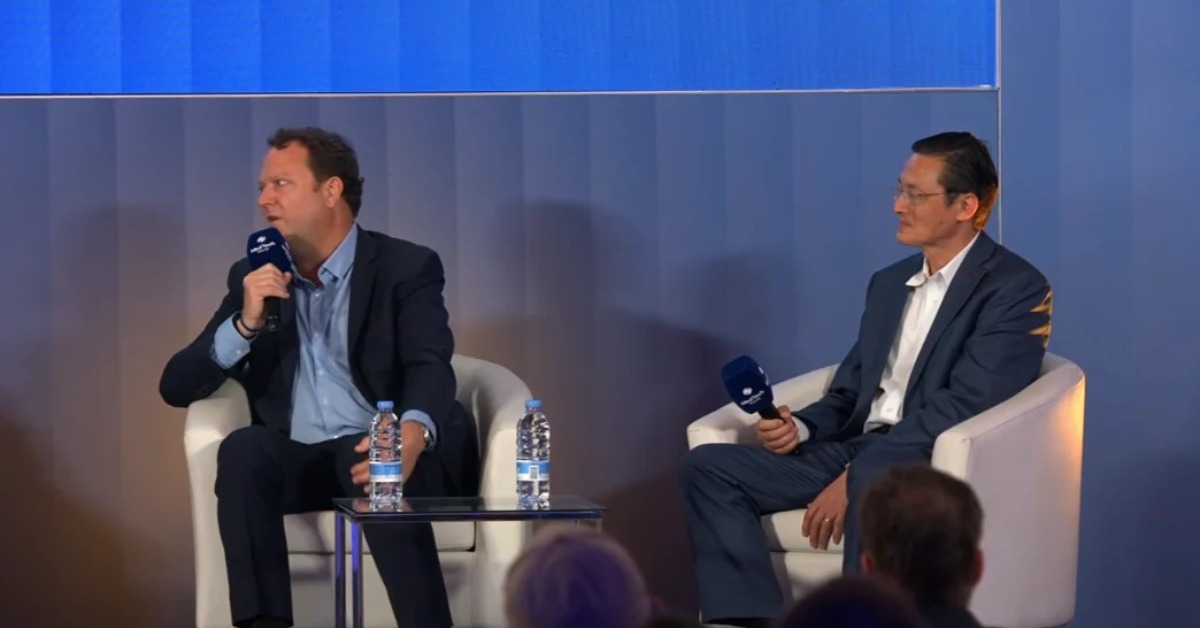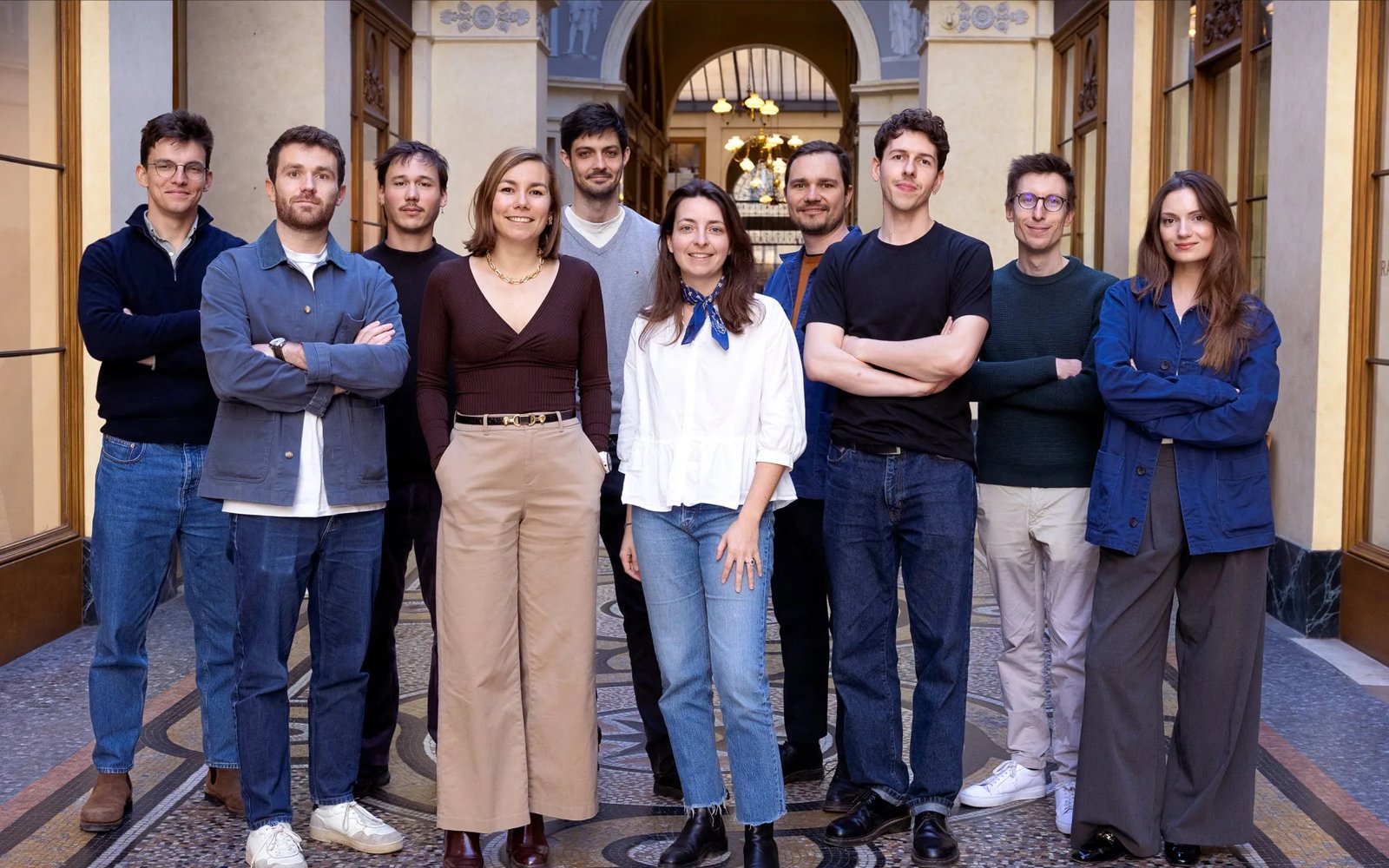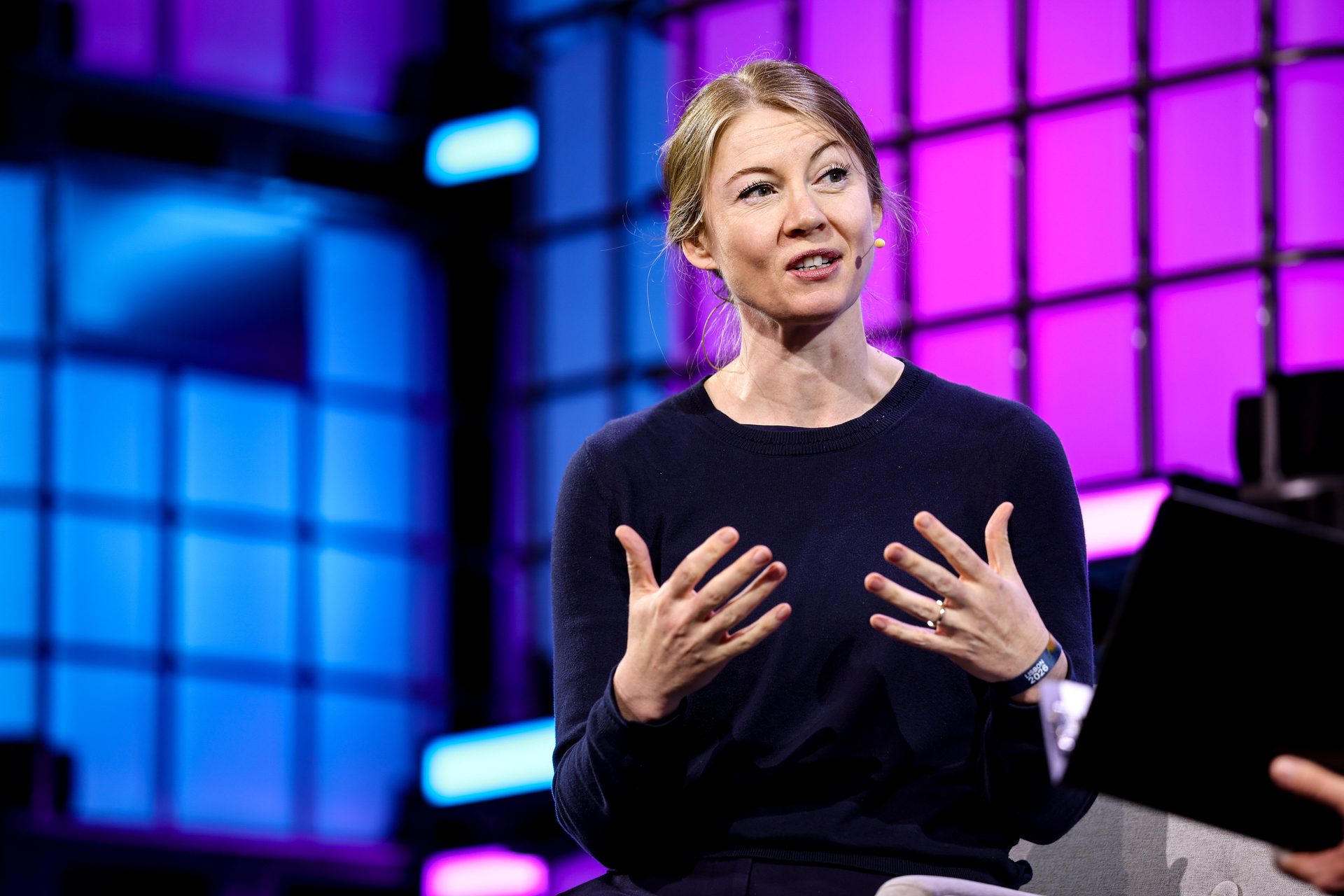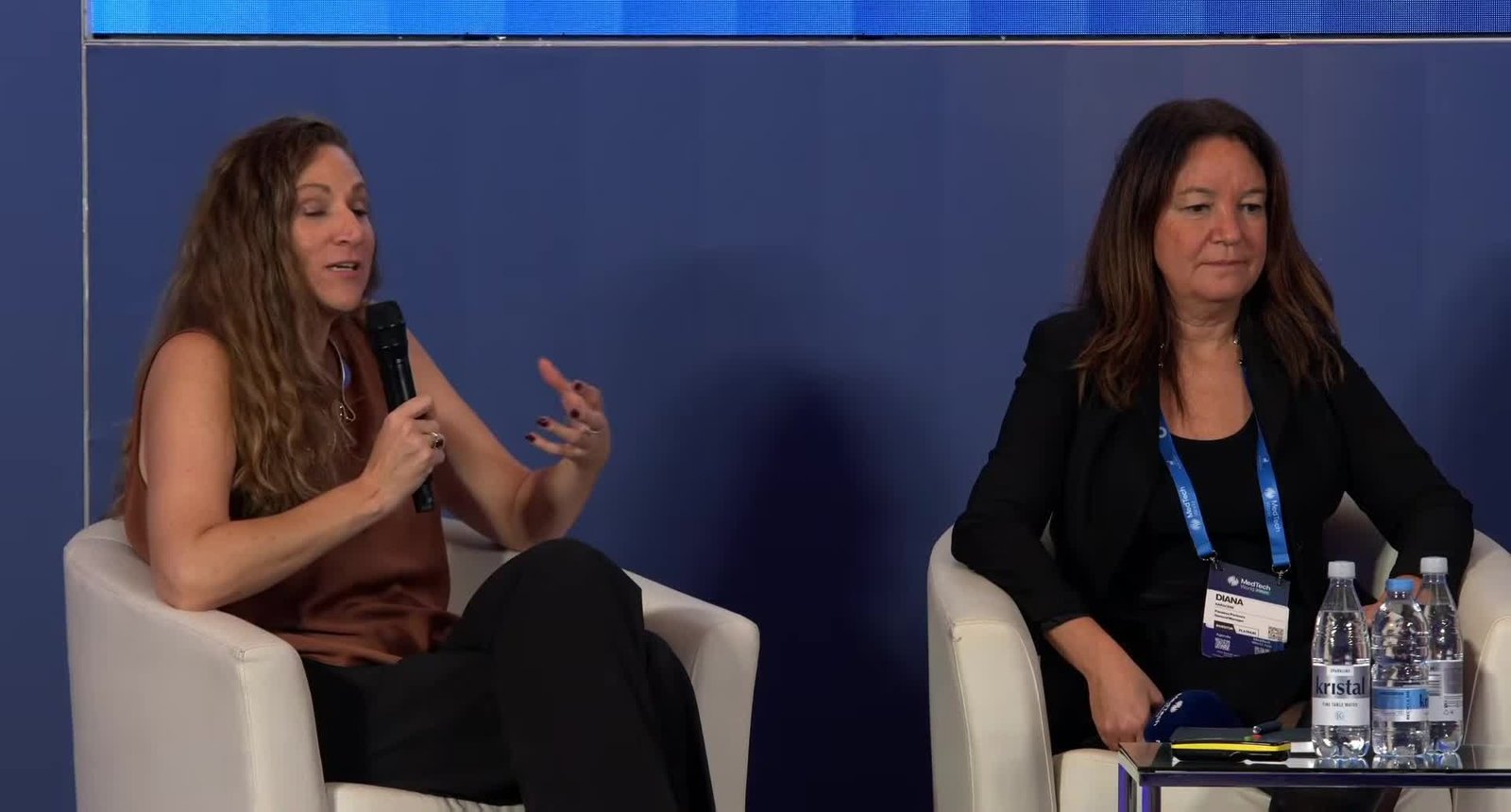
Women's health came up on almost every stage at MedTech World Europe 2026 in Valletta, but it had its own session on day one: "Women's Health Beyond FemTech: Closing the Research and Funding Gap in Cardiology, Oncology and Neurology". The title made the argument. Women's health is not a niche product category. It covers conditions specific to women and the many conditions that present differently in them.
| Speaker | Role |
|---|---|
| Dr. Ruth Brännvall | CEO and General Partner, Impact Invest Scandinavia |
| Sophie Brac de la Perrière | CEO and Co-founder, Healshape |
| Hanna Harkawy | Founder and CEO, Ouli |
| Alberto Chan | Interim CEO, EmergenceMed |
| Roseanne Camilleri | CEO, National Mental Health Services, Malta |
Moving past the label
Brännvall said the FemTech label limits how investors think about the range of women's health needs. Treating it as a niche, the panel argued, ignores the clinical and economic cost of poor care. She pressed the point that women remain underrepresented in clinical research, and that recommendations to include them have not been enough to close long-standing gaps in the evidence.
Two products, two business problems
Brac de la Perrière's company, Healshape, is a regenerative medicine company developing a natural, 3D-printed hydrogel scaffold for breast reconstruction after mastectomy. More than 2 million women are diagnosed with breast cancer each year, she noted, and only around 30% of women in Europe have any form of reconstruction. Healshape wants to offer an alternative to synthetic implants and complex surgical procedures.
Her business lesson was to identify the market early, including who will eventually pay. For Healshape that meant thinking about reimbursement from the start. She also stressed fitting into the current patient journey, so that surgeons do not have to change their whole way of working. "You can bring innovation, but make sure people are not too lost with it," she said.
Harkawy's company, Ouli, makes an at-home scar therapy device first developed for women recovering from a C-section. It replicates physiotherapy normally done in a clinic, with remote oversight from a specialist, and behaviour change is central to how it works. Hardware needs heavy validation, so Ouli built its foundations with internal resources before raising money for a prototype. "Without the right support, mentors and investors, taking a healthcare innovation from idea to reality is a tough journey," she said. The next evening Ouli was named FemTech Product of the Year at the MedTech World Europe awards.
What investor-ready means
Brännvall challenged the idea that there is one definition of investor readiness. Every investor brings different experience and biases, so founders should not rely on investor advice alone. They need to understand the practical barriers to adoption inside health systems, especially what nurses and frontline staff face.
On return on investment, she said estimated cost savings are not enough. Founders need evidence of better patient outcomes, feedback from clinicians and proof that care improves. The panel also pointed to employers as customers. Better women's health means fewer sick days and stronger workforce participation, an economic case that goes beyond the clinic and rewards investors willing to stay for a long development cycle.
The thread on day two
The theme returned the next day. In the longevity panel, an investor from Impact Invest asked from the floor how the field will include women in aging research. Kris Verburgh of BOLD Longevity Growth noted that women face a higher risk of Alzheimer's disease and of osteoporosis, and said menopause care is a major opportunity. In the final panel, Diana Saraceni of Panakès Partners estimated the untapped menopause opportunity alone at around $30 billion, and said the few dedicated women's health funds she knows are in the US, with none in Europe. Blythe Karow of The Karow Advisory Group told founders to lead with the numbers, because many of the investors they pitch are men who will not see the opportunity on their own.
| What founders were told | Why |
|---|---|
| Define women's health beyond FemTech | Heart disease, cancer and dementia present differently in women |
| Identify the payer early | Reimbursement decides whether a good product survives |
| Fit the existing patient journey | Clinicians adopt what does not force them to start over |
| Show outcomes, not just savings | Investors and buyers want evidence of better care |
| Consider employers as customers | Workforce health is a real economic argument |
| Lead with numbers | Many investors do not yet see the market |
The numbers behind the argument
The panel's case has hard data behind it. The McKinsey Health Institute and the World Economic Forum estimated in January 2024 that women spend 25% more of their lives in poor health than men, about nine years on average, and that closing that gap could add at least $1 trillion a year to the global economy by 2040. Their analysis named the same four causes the speakers kept returning to: science that defaults to the male body, data that undercounts women's conditions, care that reaches women later, and too little investment.
The money has not followed the need in a straight line. Deloitte's analysis of PitchBook data found that venture funding for women's health tech companies fell 56% in 2025, from nearly $1.2 billion to $478 million, even as health tech overall rose to $28.6 billion. First Citizens Innovation Banking (formerly SVB), using a wider definition that includes drugs, devices and diagnostics, put women's health venture investment at a peak of about $3 billion in 2024 before a dip in 2025, with deals in 2026 picking up again.
| Lens | What it means for this market |
|---|---|
| Clinicians | Heart disease, dementia and many cancers present differently in women, so diagnostic tools trained mostly on men can miss them |
| Founders | Devices like Healshape's scaffold and Ouli's scar therapy compete for surgeons and payers, not app downloads |
| Industry | Biopharma money in women's health is going mostly to oncology, and payers and employers want outcome data before they cover a product |
| Investors | Capital in 2025 went to fewer, more mature companies at higher valuations, which favours founders with outcome data |
| Researchers | Sex-specific data is still thin, which is why the panel asked founders to collect it from their first study |
For a founder in this space, the gap in the evidence is also the opportunity. A company that publishes sex-specific outcomes builds an asset that most of its competitors do not have.
My take
The clinical case is strong. Heart attacks in women are still missed more often because the symptoms do not match the textbook, many drugs were dosed on data from men, and menopause care is patchy. The gap is less about whether women are enrolled at all and more about whether studies are designed and analysed to show differences between women and men. Founders in this space have a real advantage when they can show that difference in their own data. Investors, for their part, should judge these companies on the size of the clinical need, not on the label.