
Cycle tracking apps and wearables have existed as consumer products for well over a decade, most of them starting as period prediction calendars before expanding into fertility window estimation, temperature based ovulation tracking and, more recently, integration with hormone testing. As these tools have moved from being a personal convenience feature into something patients and even some clinicians use as an input for real decisions, including when to attempt conception, when to seek fertility evaluation, or when to consider a symptom pattern potentially significant, the accuracy bar these products face has risen substantially, and the industry is now working through what genuinely clinical grade validation looks like for a category that started as a wellness product.
The distinction matters more than it might initially seem. A period prediction miscalculated by a day or two is a minor inconvenience for a consumer wellness app. The same margin of error in a fertility tracking context, where a woman might be using ovulation predictions to time conception attempts or, in some cases, to avoid pregnancy through a fertility awareness method, carries meaningfully higher stakes. As more of these products have marketed themselves, explicitly or implicitly, as fertility planning tools rather than purely period trackers, the expectation of rigorous, published validation has grown correspondingly.
What clinical grade validation actually requires
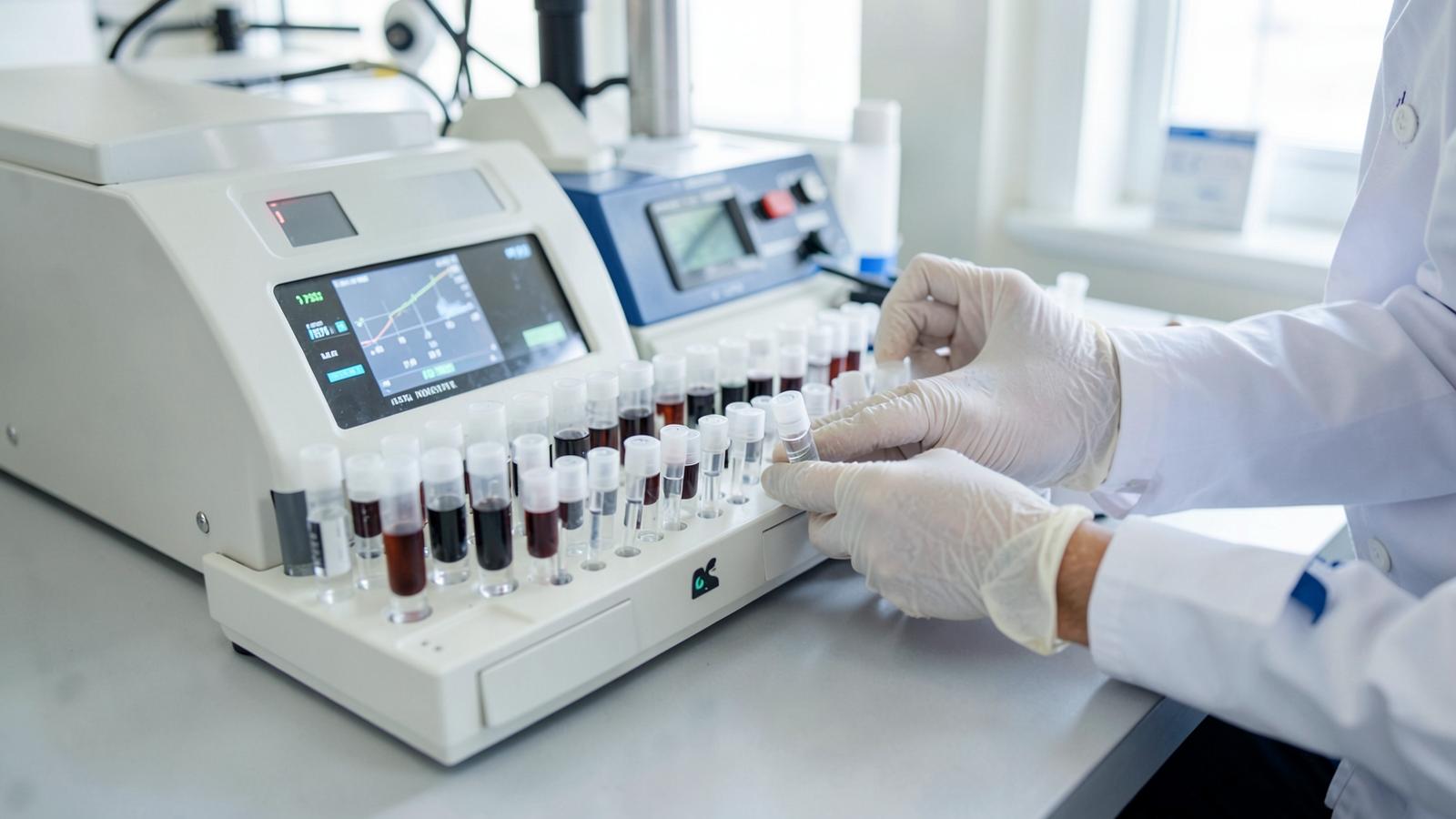
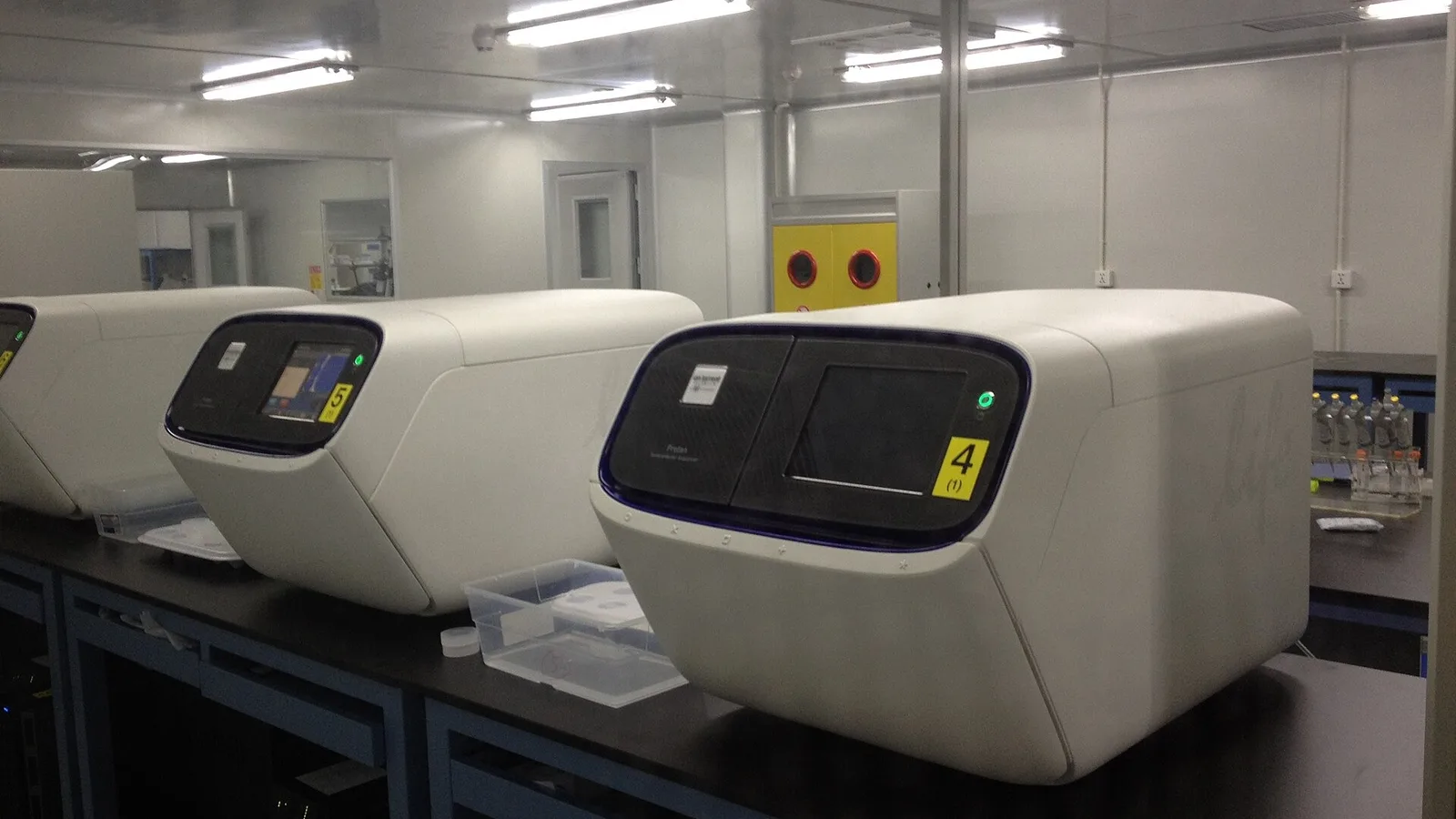
Genuinely clinical grade validation for a fertility or cycle tracking tool typically means prospective studies comparing the device's predictions or measurements against an established reference standard, such as hormone assays confirming ovulation timing, across a reasonably large and diverse population of users. This is a meaningfully higher bar than the retrospective analyses or small internal studies that have historically supported marketing claims in this category. Some device makers, particularly those incorporating continuous temperature sensors or hormone level monitoring through wearable patches or connected test kits, have begun pursuing this kind of validation more seriously, in some cases seeking regulatory clearance for specific use cases like fertility monitoring or ovulation confirmation rather than relying purely on general wellness claims that fall outside regulatory scrutiny.
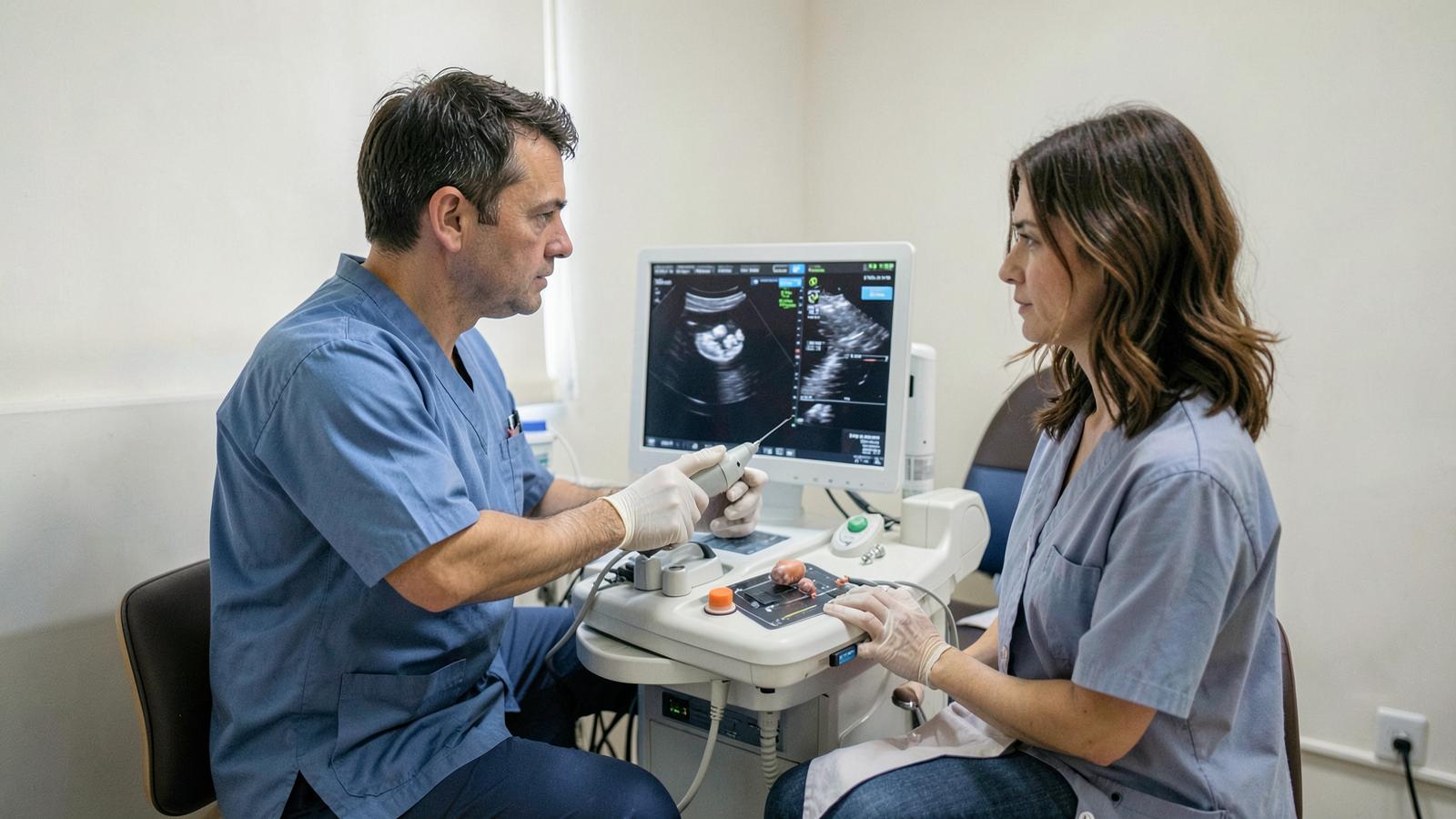
The push toward more rigorous validation is also being driven by clinicians themselves, some of whom have grown more willing to incorporate patient generated cycle tracking data into clinical evaluations, particularly for fertility workups, but only when they have some confidence in how that data was generated. A gynecologist evaluating a patient for possible fertility issues finds a temperature and hormone log genuinely useful if it comes from a device with known, published accuracy characteristics, and considerably less useful if it comes from an app whose prediction algorithm has never been validated against clinical reference standards.
The regulatory question
Regulatory treatment of these devices varies considerably depending on the specific claims a company makes. A basic period calendar app makes no medical claims and faces essentially no regulatory scrutiny. A device or app claiming to reliably predict ovulation for conception planning, or claiming sufficient accuracy to be used as a form of contraception, faces a meaningfully different regulatory posture, and a small number of fertility awareness based digital tools have gone through formal clearance processes specifically to support contraceptive use claims. That regulatory divide has created a visible split in the market between products willing to invest in the clinical study and regulatory work required to make stronger claims, and products that stay within general wellness framing to avoid that burden while still implicitly suggesting fertility planning utility to consumers.
This gap between implicit marketing suggestion and explicit regulatory claim has drawn scrutiny from clinicians and, increasingly, from more sophisticated consumers who have learned to ask pointed questions about a given app's validation before trusting it with decisions as consequential as family planning. Companies that have invested early in rigorous studies and appropriate regulatory clearances are starting to use that as a genuine differentiator in a crowded market, rather than treating validation purely as a defensive compliance cost.

What buyers and clinicians should look for
For clinicians incorporating patient tracking data into care, and for consumers choosing between products, the practical guidance emerging from this shift is straightforward: look for published, peer reviewed validation studies specific to the device or app in question, understand what regulatory clearance, if any, the specific claimed use case has received, and treat marketing language about accuracy with appropriate skepticism until backed by that kind of evidence. The category has genuinely useful tools within it, but the range of validation quality across products marketed similarly is wide enough that treating them all as equivalent would be a mistake.
Key Signals
The rising demand for clinical grade validation in cycle tracking and fertility devices reflects their genuine migration from consumer convenience products into tools used for consequential reproductive decisions, which fairly raises the evidentiary bar required. Prospective studies against hormone based reference standards represent a meaningfully higher validation bar than the retrospective or small scale studies that have historically supported marketing claims in this category. The regulatory divide between general wellness apps and devices seeking specific fertility planning or contraceptive clearance has created a visible split in the market that sophisticated buyers and clinicians are increasingly learning to navigate. Companies that invest early in rigorous, published validation are beginning to use that rigor as a genuine competitive differentiator rather than treating it purely as a compliance cost to minimize.