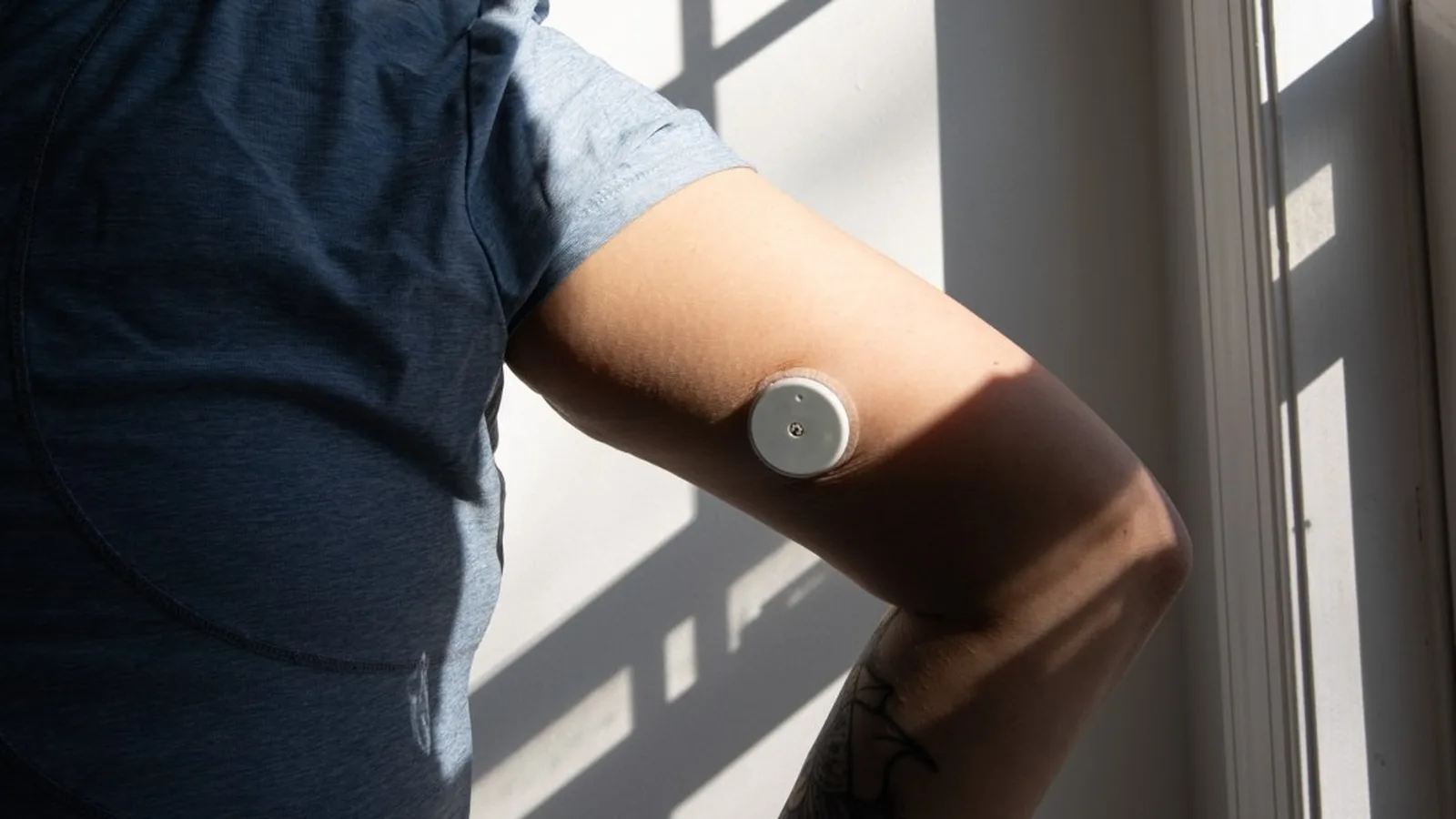
Continuous glucose monitoring is the most clinically valuable sensor consumer health has ever been handed. In type 1 diabetes it is standard of care and it demonstrably reduces hypoglycaemia and improves time in range. In insulin-treated type 2 diabetes the evidence is strong and strengthening. That is settled.
What is not settled is the question created the moment these sensors became available over the counter to people without diabetes, which is most of the addressable market: what does a glucose curve mean in a metabolically healthy adult, and what should anyone do about it?
What the physiology actually says
Healthy people have glucose excursions. Eating produces a rise. Exercise produces a fall, and sometimes a transient rise. Poor sleep raises fasting glucose the next morning. Stress raises it. A viral illness raises it. Interstitial sensors read fluid, not blood, so there is a lag of several minutes on rapid change, and consumer sensors have a real error margin that widens at the extremes.
Put those facts together and a large fraction of the "spikes" a healthy user photographs and posts are physiologically normal, partly artefactual, and clinically meaningless in isolation.
The genuinely interesting signal in non-diabetic users is not the spike. It is the pattern over weeks: overnight baseline, fasting stability, and the shape of the return to baseline, which reflects insulin sensitivity better than the peak height does. Almost no consumer product surfaces that. They surface the peak, because the peak is dramatic and drives engagement.
The three failure modes I actually see
Diet distortion. A meaningful minority of users respond to spike anxiety by cutting carbohydrate categories indiscriminately, including fruit, legumes and whole grains, which are the foods with the strongest long-term cardiometabolic evidence base. Optimising a two-hour curve at the cost of a twenty-year diet is a bad trade, and for users with disordered eating history the risk is not theoretical.
False reassurance. Normal glucose does not exclude cardiovascular risk. A user with a beautiful CGM trace and untreated hypertension, an unfavourable lipid profile and a smoking history has been reassured about the least dangerous of their four problems.
Incidental findings without a pathway. Some users will find genuine dysglycaemia, and that is a real public health benefit, because undiagnosed prediabetes is enormously prevalent. But finding it is only useful if something happens next. A sensor with no route into diagnosis, confirmation and treatment converts a clinical finding into consumer anxiety.

Where the actual product is
The sensor is a commodity in waiting. Manufacturing scale, patent expiry and two credible manufacturers competing on retail shelf space guarantee that. Value will not accrue to the strip of adhesive on the arm.
It accrues in three places.
Interpretation with clinical logic behind it. Not "you spiked," but "your overnight baseline has risen four weeks running, here is what that correlates with in your own data, and here is the threshold at which you should see someone." That requires an actual clinical model, and it requires the humility to say nothing most days.
Combination with the other sensors. Glucose alone is a thin signal. Glucose plus sleep staging, plus resting heart rate and heart rate variability, plus activity, plus periodic lipids and blood pressure, is a metabolic phenotype. The first company to make that composite legible to both the user and their physician, in a form a physician will actually read in ninety seconds, has built something durable.
The referral bridge. Whoever owns the handoff from consumer finding to clinical diagnosis owns the only part of this market that a payer will ever reimburse. That means confirmatory testing, a clinician review, and a documented result that lands in a chart, not a PDF the user emails to a receptionist.
The regulatory tension to watch
These devices are cleared with intended use statements that carefully do not include diagnosis or disease management in non-diabetic users. The marketing, the influencer ecosystem around it, and the in-app guidance are all drifting toward exactly that use. That gap between the label and the lived use case is where enforcement attention eventually lands, and companies building here should assume the intended use statement, not the marketing copy, is the document they will be judged against.
The technology is excellent. The clinical framework around it is roughly a decade behind. Building that framework, rather than selling more sensors, is where this category becomes medicine instead of merchandise.
Key Signals
Continuous glucose monitoring is well established as standard of care in diabetes, but its meaning in a healthy adult without diabetes remains largely undefined by clinical evidence. The pattern that matters, overnight baseline and the shape of return to normal after a meal, reflects insulin sensitivity better than the dramatic short-term spike most consumer apps choose to highlight. Real risks include diet distortion from anxiety over normal glucose variation, false reassurance about unrelated cardiovascular risk, and incidental findings that have no clear pathway into diagnosis and treatment. The durable value in this category will accrue to clinical interpretation, combination with other biometric signals, and a genuine referral bridge into care, not to the sensor hardware itself.