Breast cancer planning brings together several kinds of evidence: imaging, pathology, patient history and, when appropriate, genomic testing. SimBioSys wants to add another perspective to that discussion. TumorSight Risk uses information already collected during assessment to estimate recurrence risk.
The company's October announcement follows a September FDA clearance. Its significance is a defined role for MRI-derived information in prognostic assessment. The most useful reading is complementary: an additional estimate that clinicians can consider alongside established evidence, rather than a declaration that one form of testing has displaced another.
In This Deep Dive
- Why this matters now
- What actually happened
- The obvious read versus the deeper signal
- Taxonomy: Complementary evidence, different questions
- The evidence ladder: From a score to a useful decision
- The HealthTech Investor's Signal
- Implementation priorities
- Forward Intelligence: Four developments to watch
- The Bottom Line for Oncology Leaders
Why this matters now
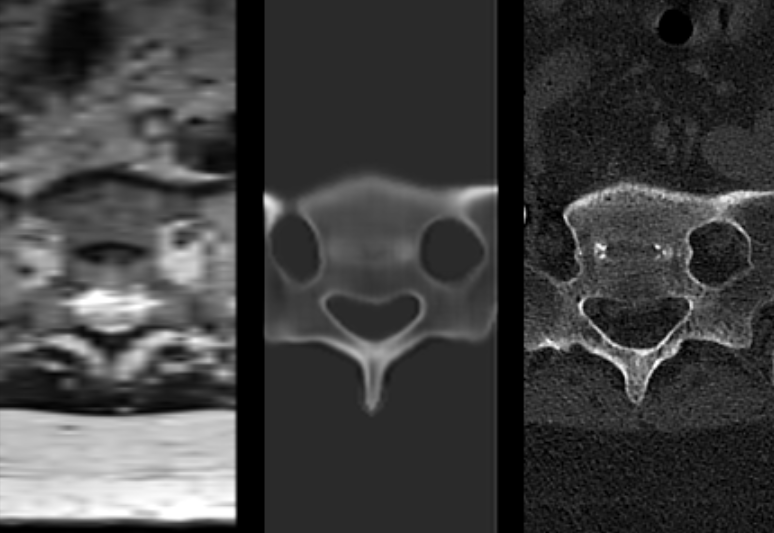
Imaging can contribute more than a description of a tumour's size and location. A computational assessment may extract additional information that helps a team think about future risk. That possibility is particularly interesting when the information is available during planning rather than requiring an entirely separate collection process.
Earlier information is not automatically better information. An estimate has to apply to the patient in front of the clinician, be understandable and answer a relevant question. For oncology services, the opportunity is to improve a multidisciplinary discussion without creating a parallel process that patients or staff struggle to interpret.
What actually happened
FDA's record for K260023 lists a September 25, 2026 decision of substantially equivalent for TumorSight Risk. This is 510(k) clearance, not FDA approval. SimBioSys announced the milestone on October 15.
The company describes five- and ten-year recurrence estimates for hormone receptor-positive, HER2-negative stage I to IIIA breast cancer using breast MRI, pathology and clinical information. It positions the tool as supporting treatment planning and augmenting traditional gene-expression testing. Its product material describes results available within hours, a company statement rather than evidence of a universal turnaround time in every hospital.
The obvious read versus the deeper signal
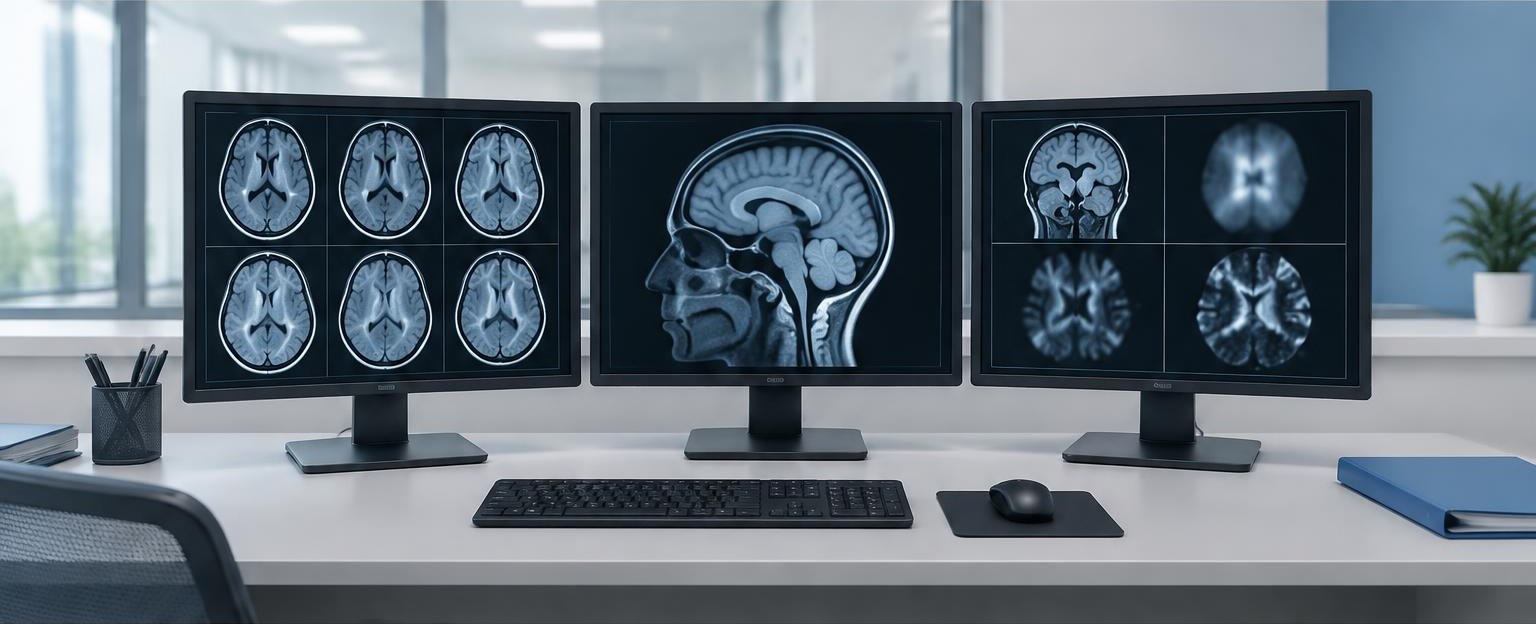
The immediate story is another cleared application of AI to medical imaging. The more interesting possibility is a closer relationship between imaging and the decisions that follow diagnosis. A scan could become one component of a broader prognostic discussion, not merely an anatomical record.
That does not make the inputs interchangeable. A recurrence estimate, a genomic assay and an assessment of likely treatment benefit can answer different questions. Teams should preserve those distinctions rather than presenting all outputs as competing versions of the same score.