In July 1984, Barry Marshall, a 32 year old registrar in microbiology at Fremantle Hospital in Western Australia, swallowed a culture of a bacterium most experts thought was a harmless contaminant. Ten days later, a biopsy showed acute gastritis. In 2005, he and pathologist Robin Warren shared the Nobel Prize for showing that Helicobacter pylori causes gastritis and peptic ulcer disease.
Two details are often lost in the retelling. What he drank was not a large drink but a small suspension: the growth of a three day culture in 10 mL of broth. And he developed gastritis, not an ulcer.
What doctors believed about ulcers
Before 1983, the major causes of peptic ulcer disease were considered to be excess acid, diet, smoking and stress, and recurrent ulcers were treated with maintenance acid-reducing drugs, as the CDC summarized in 1997. Those drugs healed ulcers, but the ulcers frequently came back. The Nobel committee later explained why: the bacteria and the chronic inflammation were still there. A cure came only when the bacteria were eradicated.
A pathologist's slides and a young doctor's cultures
Warren, a pathologist at Royal Perth Hospital, first noticed the bacterium on a gastric biopsy in 1979, according to The New York Times. He saw small curved bacteria colonizing the lower part of the stomach in about half of the patients he biopsied, and inflammation was always present close to the bacteria. Marshall, born in Kalgoorlie in 1951, began working with him in 1981, the University of Western Australia notes.
They published two letters in The Lancet on 4 June 1983, under the title "Unidentified curved bacilli on gastric epithelium in active chronic gastritis". A year later came the 1984 Lancet study of 100 consecutive patients. Spiral or curved bacilli were seen in 58 and cultured from 11. The organism was present in almost all patients with active chronic gastritis, duodenal ulcer or gastric ulcer.
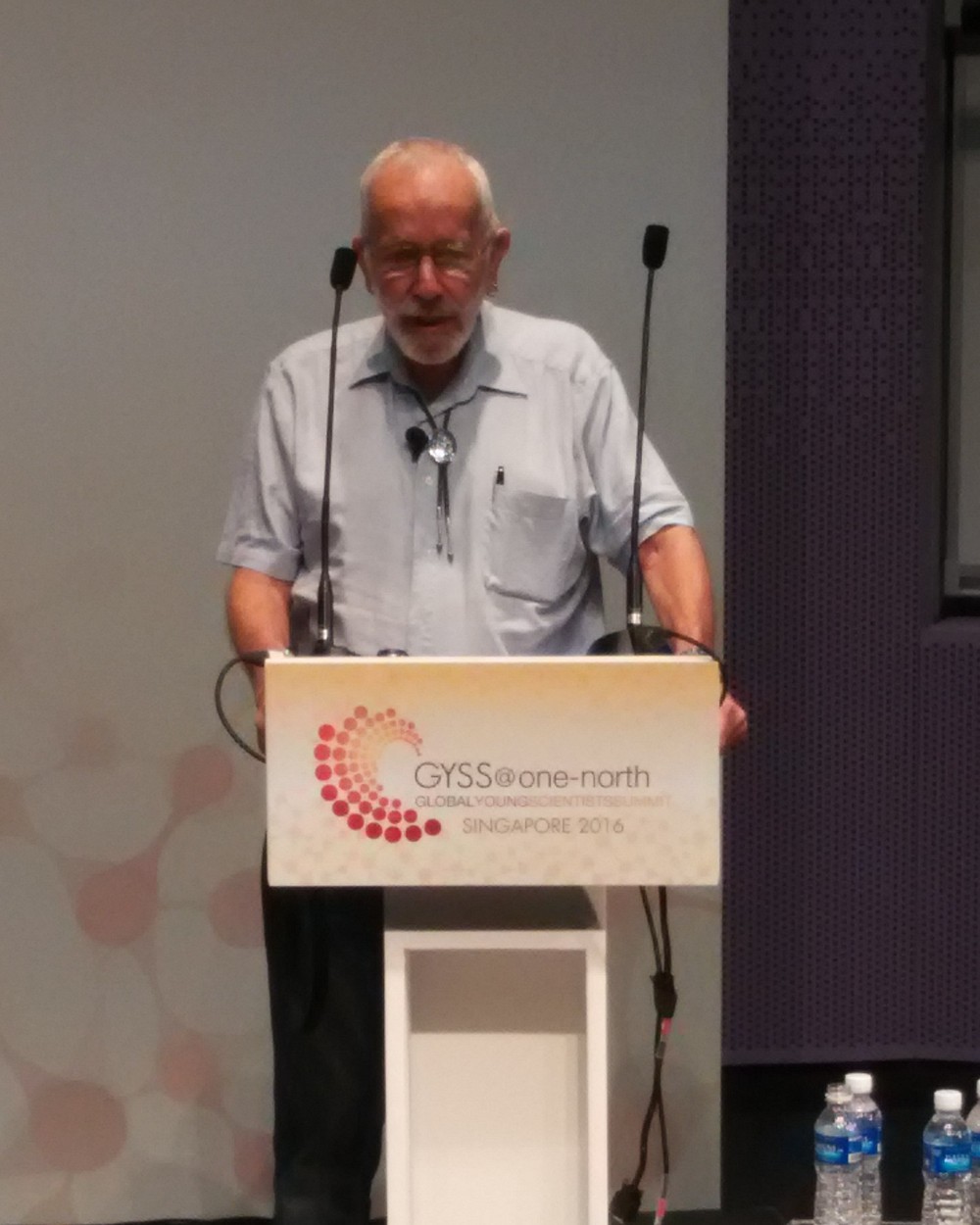
Recognition did not follow. In his Nobel biographical note, Marshall wrote that "1984 was a difficult year." Attempts to infect an animal model failed, and most of his work was rejected for publication. His results were "disputed and disbelieved, not on the basis of science but because they simply could not be true."
The experiment, day by day
The account comes from the paper Marshall and colleagues published in 1985, "Attempt to fulfil Koch's postulates for pyloric Campylobacter", written in the third person. The subject was one of the authors, a light smoker and social drinker with no gastrointestinal disease.
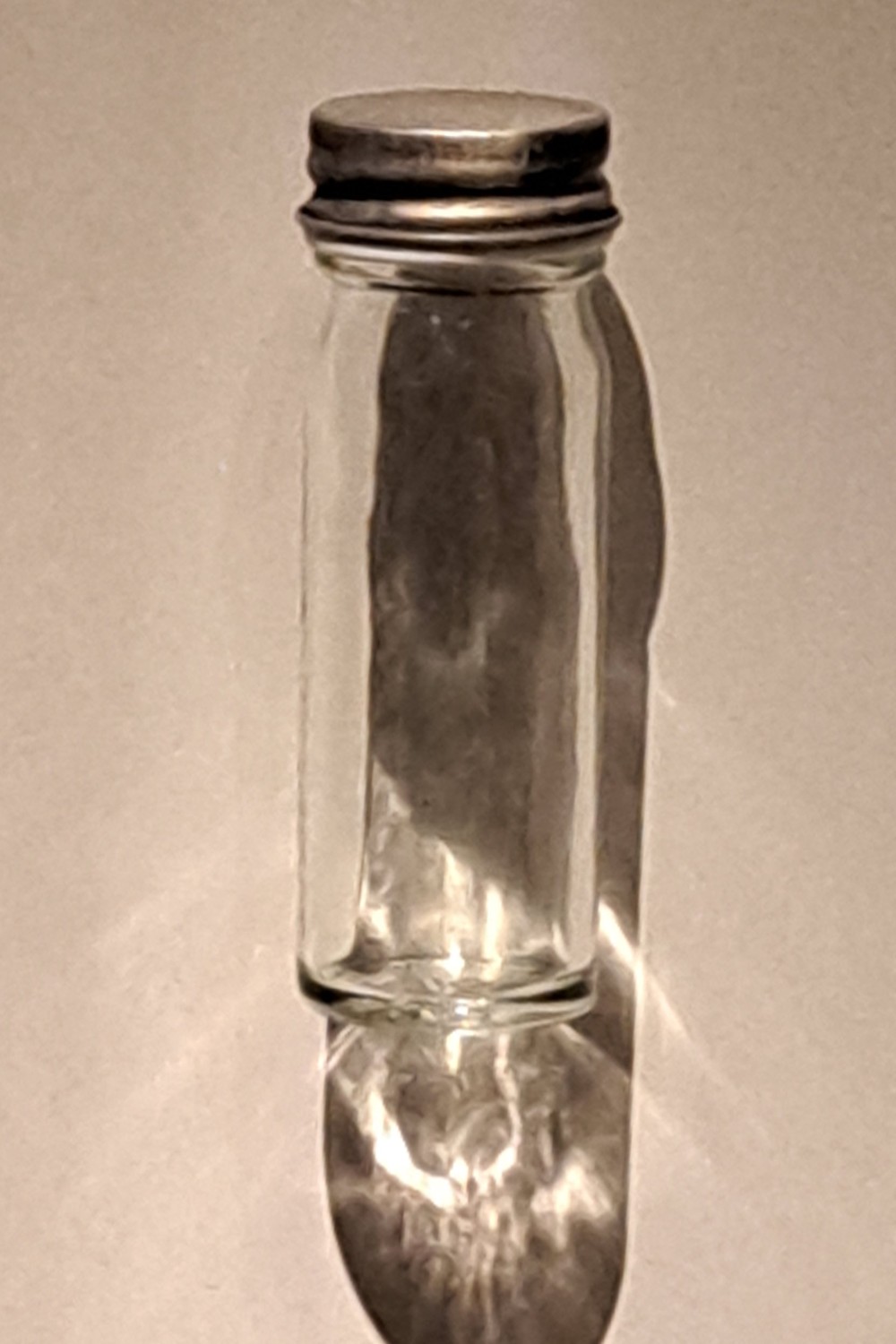
A baseline endoscopy was normal, and no organism grew from his biopsies. The bacteria came from a 66 year old man with non ulcer dyspepsia. The strain was checked as sensitive to several antibiotics and first given to two rats, with no ill effects. A month later, after an overnight fast and cimetidine at 8 a.m., he swallowed the growth of a three day culture suspended in 10 mL of alkaline peptone water at 11 a.m.
Apart from some gurgling, he had no symptoms for a week. On day 7 he felt full after his evening meal. On day 8 he vomited a little mucus at 6 a.m., and the vomit was not acidic. He had headaches, and colleagues noticed "putrid" breath. On day 10, endoscopy showed acute gastritis, with many neutrophils and spiral bacteria adhering to the stomach lining. Culture after 48 hours identified the same organism. By day 14 the picture had largely resolved, and he began tinidazole 500 mg twice a day for a week. His symptoms were gone within 24 hours.
He later said he had "expected to develop an asymptomatic infection," and that he started the antibiotics "on my wife's orders!" in a 2008 interview published in the Canadian Journal of Gastroenterology. Asked in a 2014 Nobel conversation whether he had sought permission, he said: "I just did it." On an ethics committee: "Well, if they said no, I still would've done it."
From heresy to Nobel Prize
In 1994, a National Institutes of Health consensus panel concluded that ulcer patients with H. pylori need antimicrobial treatment. The same year, the International Agency for Research on Cancer classified H. pylori infection as carcinogenic to humans (Group 1).
The public was slower. In a 1997 US survey of 2,512 adults, about 60% thought ulcers were caused by too much stress and only 27% named a bacterial infection, the CDC reported.
On 3 October 2005, the Nobel Assembly at Karolinska Institutet awarded the prize jointly to Barry J. Marshall and J. Robin Warren "for their discovery of the bacterium Helicobacter pylori and its role in gastritis and peptic ulcer disease." The committee noted that H. pylori causes more than 90% of duodenal ulcers and up to 80% of gastric ulcers, and that peptic ulcer had become curable with a short course of antibiotics and acid inhibitors. Warren died on 23 July 2024, aged 87.
What the discovery means now
Global prevalence of H. pylori fell from 58.2% in 1980 to 1990 to 43.1% in 2011 to 2022, according to a meta-analysis by Li and colleagues in The Lancet Gastroenterology and Hepatology. Most infections cause no symptoms; about 10 to 15% of infected people develop peptic ulcer disease at some point, per the Nobel committee.
Cancer is the larger stake. IARC projected in Nature Medicine in July 2025 that 15.6 million lifetime gastric cancer cases are expected among people born 2008 to 2017, with 76% attributable to H. pylori and potentially preventable by screen and treat programmes.
The catch: antibiotic resistance
The Nobel committee warned in 2005 that indiscriminate antibiotic use in healthy carriers would lead to resistance. The Maastricht VI/Florence consensus of 2022 now recommends clarithromycin susceptibility testing before any clarithromycin regimen. Where testing is unavailable and clarithromycin resistance is above 15% or unknown, first line treatment is bismuth quadruple therapy, and that threshold has been exceeded in most WHO regions. WHO listed clarithromycin resistant H. pylori as a high priority pathogen in 2017 and removed it in the 2024 update.
What medical belief might be next?
Marshall and Warren used generally available tools: fibre endoscopy, silver staining and culture. What changed was the willingness to test an accepted belief. For doctors and founders, the lesson is that evidence beats consensus, but it can take a decade to win.
For more stories of ideas that met early doubt, read how Joy Milne's sense of smell led to a Parkinson's skin swab test and how leftover Thanksgiving turkey at IBM led to LASIK. For the latest medicine prize, see our coverage of the 2026 Nobel for optogenetics. And find clinicians worth following on our gastroenterology and infectious disease Who to Follow pages.