
This account draws on reporting by TechTimes, The Week, BusinessToday and KAWC. The HealthTech Signal has not independently interviewed Mr. Arbaugh.
In May 2028, no, in 2026, twenty eight months after his surgery, Noland Arbaugh closed the Robotics Summit and Expo in Boston by moving physical chess pieces using only his thoughts. Reporting from the event described a room of engineers, people who had read the published papers, watching something the papers cannot convey: a quadriplegic man controlling a robotic arm in real time, live, unscripted, in front of a crowd.
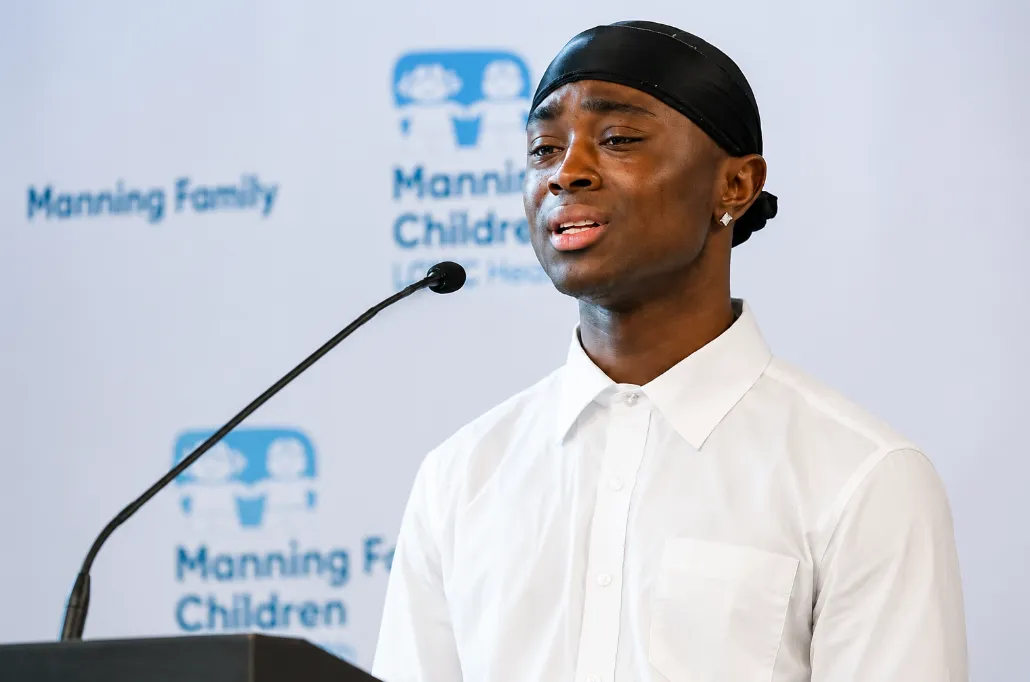
Arbaugh was paralyzed from the shoulders down after a diving accident in 2016. In January 2024 he became the first human being to receive Neuralink's N1 implant, a coin sized device surgically placed in the skull that reads electrical signals from the motor cortex and translates intended movement into digital commands. He has spent the two years since living, in effect, as the industry's only long term public case study.
What the implant actually does, clinically
The N1 is what neuroscientists call an intracortical brain computer interface. Roughly 1,024 tiny electrode threads are implanted directly into the layer of brain tissue responsible for planning movement. When Arbaugh imagines moving his hand, some of those neurons fire in patterns the implant's software has learned to associate with that intention, even though the signal never reaches his actual hand. The device translates that pattern into a cursor movement, a click, or, more recently, a command sent to a robotic arm.
This is meaningfully different from non-invasive approaches like EEG caps, which sit outside the skull and pick up much noisier, lower resolution signals.

From cursor control to physical action
Early public demonstrations, starting in 2024, showed Arbaugh moving a computer cursor, playing online chess, and browsing the web hands free. What is notable about the 2026 demonstrations, including the chess piece manipulation described at the Boston summit and separate accounts of him playing Warcraft with thought control, is the move from digital-only tasks to physical world interaction. Controlling a robotic arm to pick up and move an object requires the system to translate intended movement into continuous, graded motor commands rather than discrete clicks. That is a substantially harder engineering problem, and getting it to work reliably in front of a live audience is a real signal of progress.
Arbaugh has also spoken publicly, including at the World Governments Summit in Dubai, about the implant restoring a sense of independence: the ability to control a computer without assistance, to work, to communicate, without needing someone else to physically operate a device for him.
The gap between one patient and a therapy
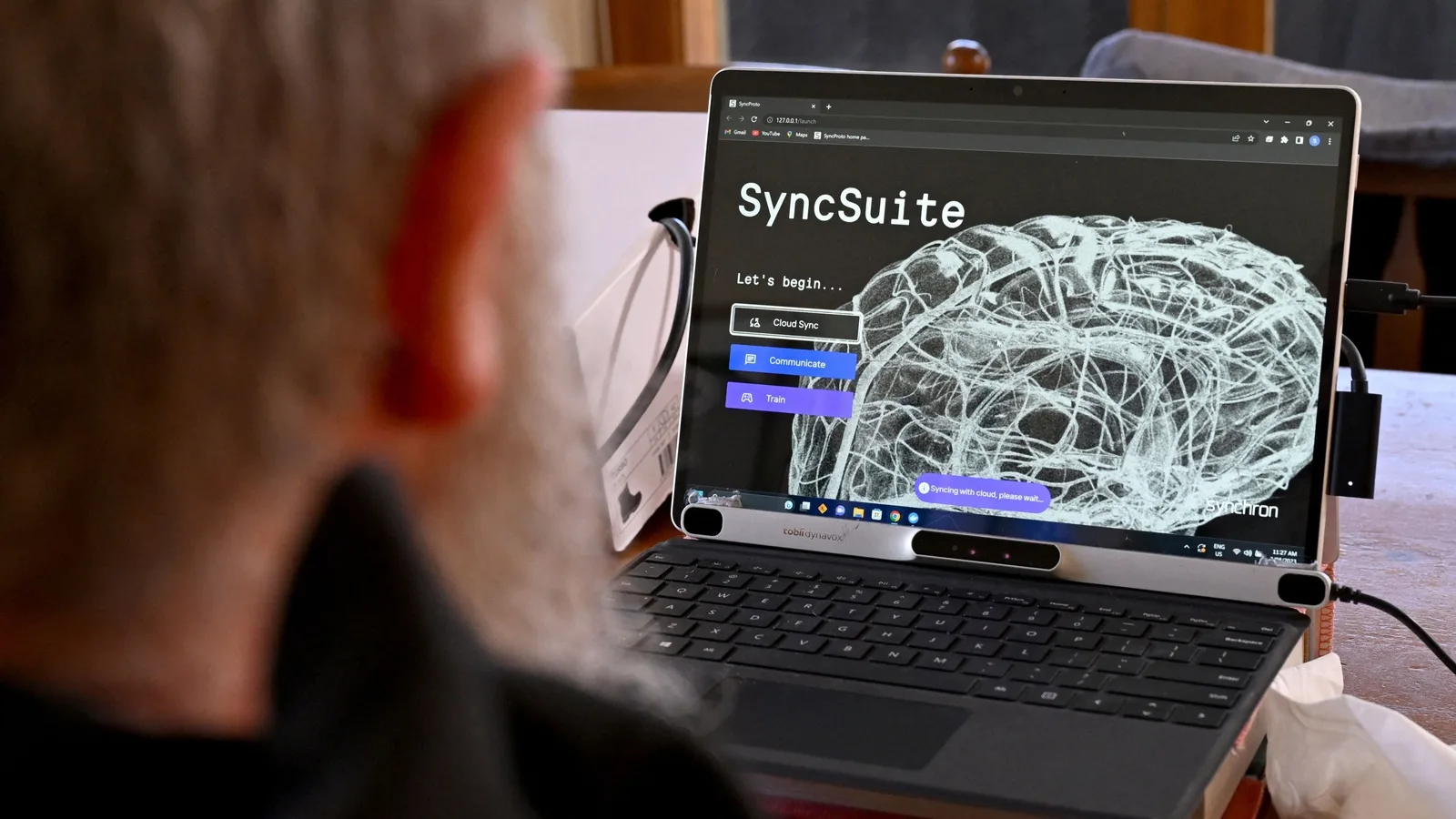
Here is the part that deserves more scrutiny than the demo videos get. Arbaugh is one person. As of 2026, Neuralink has implanted the device in a small handful of additional patients under its early feasibility study, and other companies, including Synchron and Blackrock Neurotech, are running parallel trials with their own devices and their own patient counts, typically in the single digits to low dozens.
None of these programs have published the kind of large, controlled, multi-year outcome data that would let a regulator or a payer say with confidence how durable these implants are, what the long term complication rate looks like across a real population, or how performance varies for people with different injuries. Arbaugh's own signal degradation episode, which Neuralink patched with a software fix, is exactly the kind of individual case that a larger trial would need to characterize systematically rather than anecdotally.
The systemic tension: cost, access and what happens after the demo
A brain computer interface capable of what Arbaugh is doing is not a product you can buy. It requires a craniotomy, a specialized surgical team, custom calibration by engineers, and ongoing software support from the company that built it. None of that has a price tag yet because none of it is commercially available. When it does reach the market, likely first for a narrow population of people with severe paralysis or ALS, the cost will almost certainly run into the hundreds of thousands of dollars per patient, before considering the surgical and follow up care around it.
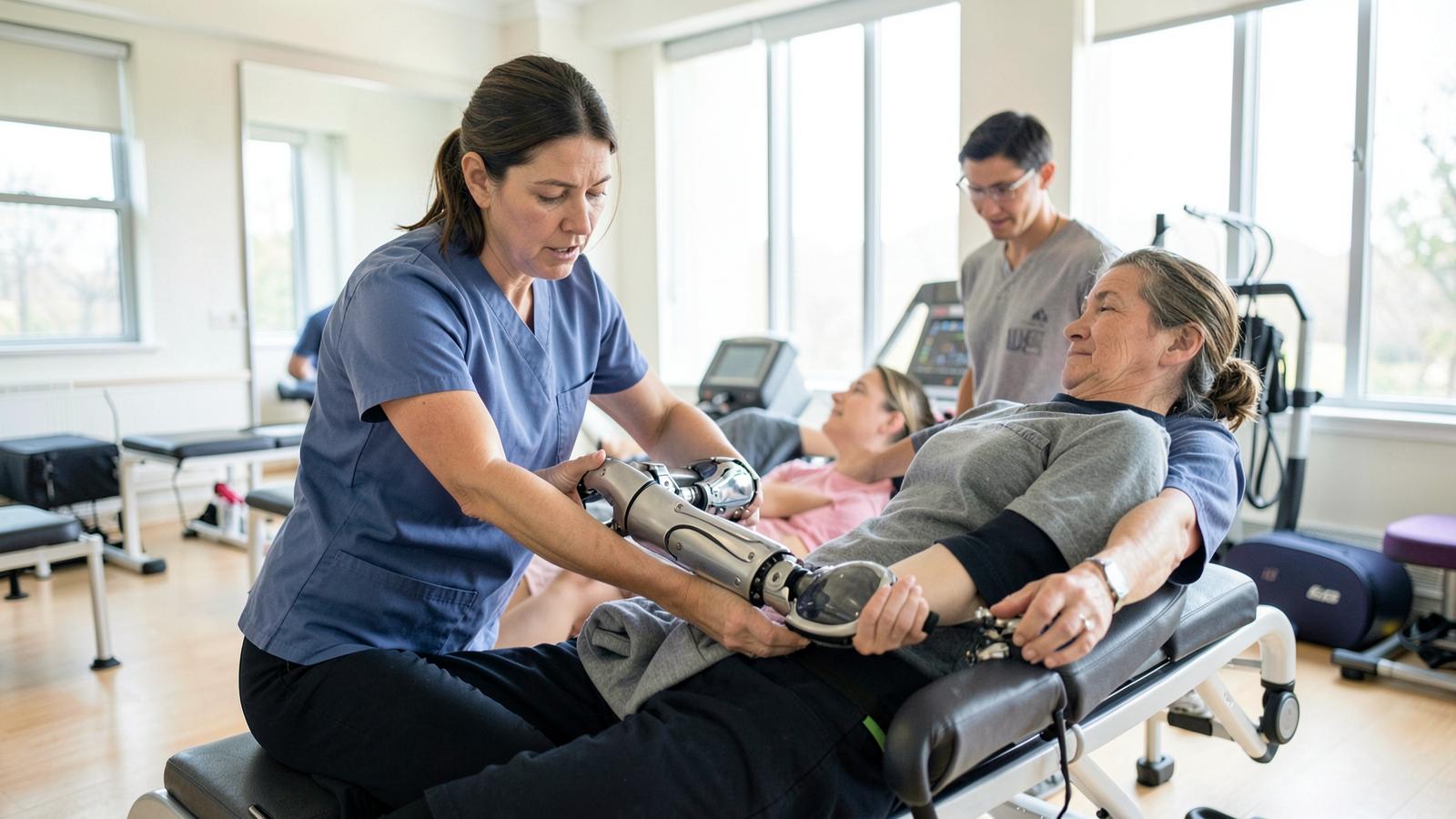
That raises the same access question that runs through every emerging technology in this newsletter. A therapy that can give someone like Arbaugh back a meaningful degree of independence is only a public health story if it eventually reaches more than a few dozen patients enrolled in a company's own feasibility study. The path from "first patient, two years in" to "insurance covered therapy for spinal cord injury" is measured in FDA approval pathways, pivotal trials, and payer negotiations that typically take the better part of a decade.
The takeaway
Noland Arbaugh's twenty eight months are the single best public window anyone has into what a long term brain computer interface implant actually looks like day to day: not a one-time demo, but years of a person learning to live with a device inside their skull, hitting real technical setbacks, and adapting alongside the engineers maintaining it. That is valuable, rare data. It is also, by definition, a sample size of one. The industry's next milestone is not a better chess demonstration. It is a trial large enough that Arbaugh's story becomes one data point among hundreds rather than the whole picture.
Key Signals
Noland Arbaugh's twenty eight months provide the richest public window yet into how a brain computer interface performs outside a controlled lab, including its failures. The progression from cursor control to real-time robotic arm manipulation shows the technology maturing beyond digital-only tasks toward physical world usefulness. A single patient's experience, however detailed, cannot answer questions about durability, complication rates or performance across different injury types. The field's credibility now depends on enrolling enough patients in parallel trials that outcomes can be judged statistically rather than anecdotally.