
This account draws on reporting by The Verge, Business Insider and the Irish Times, and on personal accounts published by individual wearers. The HealthTech Signal has not independently reviewed the underlying user data described.
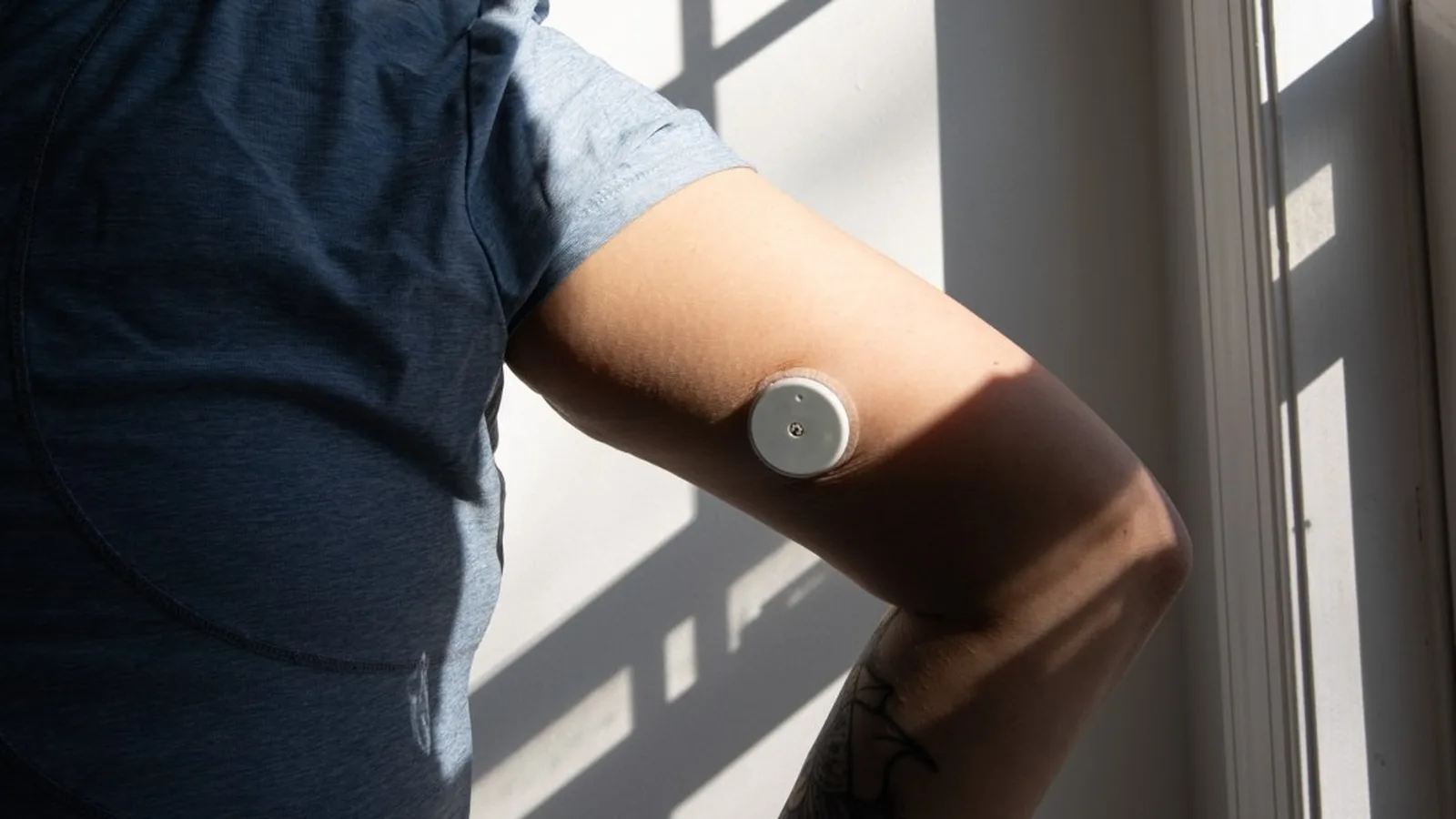
A continuous glucose monitor, a small sensor worn on the arm that tracks blood sugar in real time, used to be a device you got a prescription for because you had diabetes. Now it is something people buy online, without a prescription, to find out what a bagel does to them. The Verge's Victoria Song spent weeks wearing one and described the experience as making her "continuously crazy," tracking every fluctuation in a metric she had never had reason to think about before, absent any diagnosis requiring it.
She is far from alone. Across 2025 and 2026, writers at Business Insider, the Irish Times and multiple personal health blogs have documented two-week and thirty-day experiments wearing over-the-counter CGMs from companies like Abbott's Lingo and Dexcom's Stelo, both approved for sale directly to consumers without diabetes. One Business Insider account described the experience as feeling like "sugar jail," a two-week window of hyperawareness around every meal.
What a CGM actually measures, and what changed to make this legal
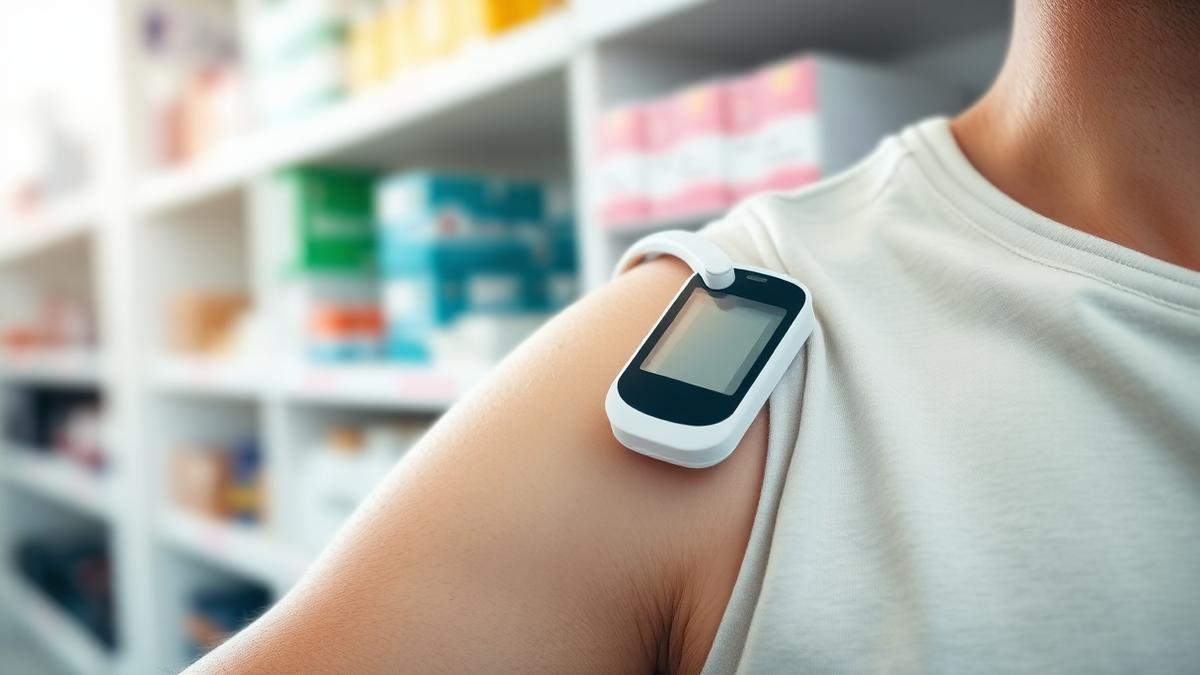
A CGM uses a small filament inserted just under the skin to measure glucose levels in interstitial fluid, the fluid between cells, roughly every one to five minutes, transmitting the reading to a phone app. For people with type 1 or advanced type 2 diabetes, this replaced the older method of finger-stick testing a few times a day, giving both patients and their doctors a continuous picture of how blood sugar responds to food, exercise, sleep and medication, which is directly useful for adjusting insulin dosing.
What changed recently is regulatory: the FDA cleared versions of these devices, notably Dexcom's Stelo and Abbott's Lingo, for over-the-counter sale to adults without diabetes, following a broader push, including from federal health officials aligned with the "Make America Healthy Again" movement referenced in The Verge's reporting, to promote metabolic health monitoring as a preventive wellness tool for the general population, not just a disease management device.
The clinical case for wearing one without diabetes
There is a real, if narrower than the marketing suggests, clinical rationale here. Glucose variability, meaning how much a person's blood sugar spikes and dips in response to food, is an early and measurable signal that can precede a formal prediabetes or type 2 diabetes diagnosis by years. For someone with a family history of diabetes, or who has been told they are prediabetic based on a single lab value, a CGM can offer personalized, real-time feedback about which specific foods and habits produce the sharpest glucose spikes for their body, information a single annual blood test cannot provide.
Several personal accounts, including one writer diagnosed with prediabetes who used a CGM to work with a dietitian on specific eating pattern changes, and another who wore one to screen for gestational diabetes risk, describe genuinely actionable insight: discovering that a food they assumed was "healthy" produced an outsized glucose spike, or that eating protein before carbohydrates measurably flattened their response curve. That is real, individualized physiological feedback, and it is the strongest legitimate use case for a healthy person wearing a CGM.

The part the marketing does not emphasize
Here is where I want to slow down, because the honest clinical picture is more complicated than "know your glucose, optimize your health." Glucose variability in a person without diabetes is, within a fairly wide range, normal physiology, not pathology. Blood sugar is supposed to rise after eating and fall afterward. A CGM presents that entirely normal fluctuation as a continuous stream of data demanding interpretation, and multiple wearers, including The Verge's Song, describe the experience tipping into anxiety and disordered attention to food that has little grounding in actual metabolic risk.
There is also a real interpretation gap. CGMs approved for people without diabetes are not calibrated or validated the same way clinical-grade devices are for diagnosed patients, and interstitial glucose readings can lag blood glucose by several minutes and vary meaningfully between devices and individuals. A healthy person seeing a number that looks alarming on a wellness app, without the clinical context a doctor managing a diabetic patient would apply, is at real risk of drawing incorrect conclusions from normal variation, whether that means unnecessary anxiety or, in the other direction, false reassurance from a device that was never validated to detect the conditions it is now marketed to help prevent.
The systemic tension: wellness marketing versus clinical evidence
The evidence base for continuous glucose monitoring is genuinely strong for one population: people with diabetes, where it demonstrably improves glycemic control and reduces dangerous highs and lows. The evidence base for continuous glucose monitoring meaningfully improving health outcomes in people without diabetes, as opposed to simply providing interesting data, is thin. No large randomized trial has yet shown that healthy adults who wear a CGM and adjust their diet based on it have better long-term metabolic outcomes than those who follow standard, established dietary guidance without one.
That gap between "interesting personalized data" and "proven health outcome" has not slowed the commercial trajectory. Over-the-counter CGMs are now sold with consumer wellness branding, subscription models, and companion apps that offer coaching, gamified scores and social sharing features, more akin to a fitness tracker than a medical device, even though the underlying sensor technology is identical to what a diabetic patient's endocrinologist relies on for genuinely high-stakes dosing decisions.
The takeaway
The technology inside an over-the-counter CGM is not the problem. It is a legitimate, well-validated way to measure a real physiological signal. The problem is the gap between what that signal can currently tell an average healthy person, useful but limited, individualized feedback about food response, and what the wellness marketing around it implies, a definitive window into metabolic optimization and disease prevention. Wear one if you are curious, and treat the data the way you would treat any single data point from a device not designed with you as its original patient: interesting, not diagnostic, and worth a conversation with an actual clinician before you restructure your life around a wellness app's threshold for what counts as a "spike."
Key Signals
Regulatory clearance for over-the-counter sale has moved continuous glucose monitors from a prescribed diabetes device into a mainstream wellness product faster than the evidence base for healthy-user benefit has caught up. The clinical case is strongest for people with a family history of diabetes or an existing prediabetes diagnosis, where personalized feedback can inform genuinely actionable dietary changes. For most healthy users, normal post-meal glucose fluctuation is being presented as a continuous stream requiring interpretation, which several wearers describe tipping into anxiety rather than insight. No large randomized trial has yet shown that healthy adults who adjust behavior based on CGM data achieve better long-term outcomes than those following standard dietary guidance.