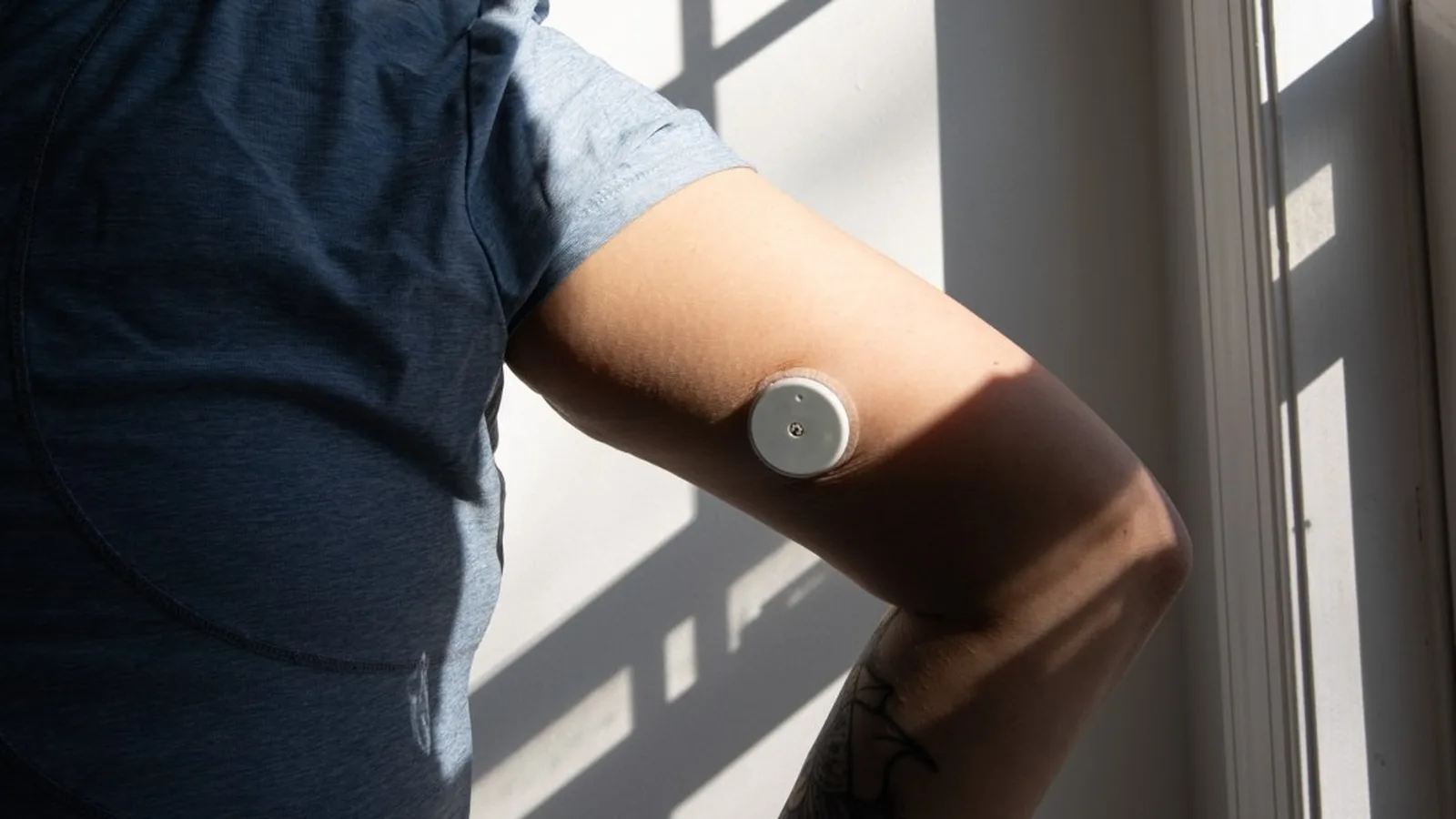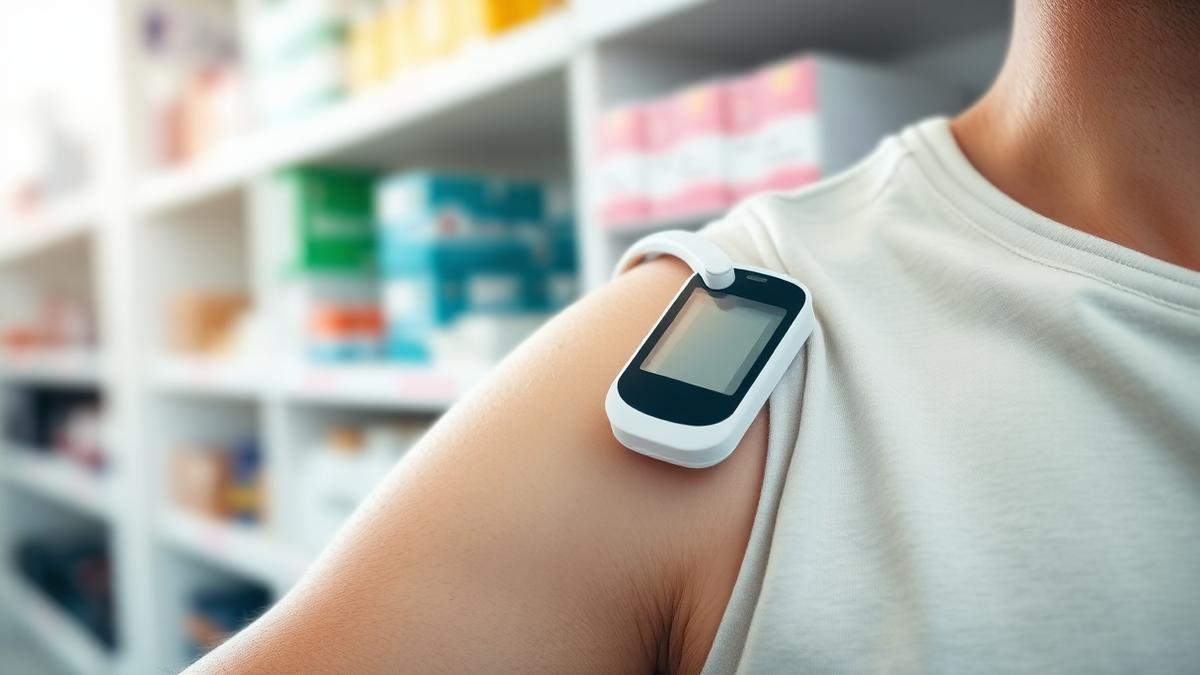

A continuous glucose monitor was, until fairly recently, a device almost exclusively worn by people with diabetes, prescribed to help manage a diagnosed condition that requires close monitoring of blood sugar to avoid dangerous highs and lows. Over the past several years that has changed substantially, and a meaningful share of the people wearing these small adhesive sensors now have no diabetes diagnosis at all. They are wearing them as a metabolic health and longevity tool, often purchased directly through wellness platforms that pair the sensor with an app promising personalised insight into how specific foods, workouts, sleep and stress affect an individual's glucose response.
The underlying appeal is understandable and not without scientific basis. Glucose variability and time spent in elevated ranges are genuinely relevant to long term metabolic health, and elevated glucose over years is a well established risk factor for a wide range of downstream conditions. The harder question, and the one clinical guidance has not fully settled, is what a non-diabetic, otherwise healthy person should actually do with the minute by minute glucose data a CGM produces, given that normal, healthy glucose physiology already includes meaningful fluctuation in response to meals, exercise, sleep and stress that does not indicate a problem.
Normal variability versus a meaningful signal
Reference ranges and interpretive guidance for continuous glucose data were developed and validated primarily in diabetic and prediabetic populations, where the clinical question is relatively well defined: is this patient's glucose control adequate to avoid complications. In a healthy, non-diabetic person, the same device will show natural post meal spikes and dips that are a normal part of metabolic physiology, and there is not yet a robust, widely validated framework for distinguishing which patterns in that population represent an early warning sign worth acting on versus which are simply normal variation that would look similarly variable in any healthy person tested closely enough.
This distinction matters because wellness platforms marketing CGMs to healthy consumers often present glucose spike data with a confidence about its significance that outpaces the underlying research in non-diabetic populations specifically. A moderate post meal glucose rise after a meal with refined carbohydrates is not inherently alarming in someone with normal fasting glucose and no other metabolic risk factors, even though an app interface flagging it in red might imply otherwise to a user without the clinical context to interpret it appropriately.

Where the data is genuinely useful
None of this means CGM data is worthless for non-diabetic adults. Used as an educational tool to build general intuition about how an individual's own body responds to different meal compositions, timing and activity patterns, a CGM can meaningfully support sustainable dietary changes, particularly for people who respond well to concrete personal feedback rather than generic nutrition advice. Some research in populations with prediabetes or early metabolic risk factors has shown genuine value in CGM guided behaviour change, and it is plausible that similar benefits extend, to some degree, to healthy adults motivated to improve their metabolic habits, even without formal outcomes trials specifically in that population yet.
The more defensible clinical position is to treat CGM data in healthy adults as a behaviour change and awareness tool rather than a diagnostic instrument, and to be explicit that isolated spikes are not, on their own, evidence of metabolic dysfunction requiring intervention. Clinicians working with patients using consumer CGMs for wellness purposes are increasingly finding themselves in an interpretive role, helping patients understand which patterns in their own data are worth genuine attention against a backdrop of otherwise normal variability, rather than the app's own flagging system serving as the final word.

What better guidance would look like
The field would benefit from clearer, population specific interpretive guidance built for healthy, non-diabetic CGM users specifically, distinct from the diabetes management frameworks the underlying technology was originally built around. That would require dedicated research establishing what range of glucose variability is genuinely normal in healthy populations across different ages, activity levels and dietary patterns, work that is more achievable now given how widespread consumer CGM use has become and the resulting scale of real world data available to study.
Key Signals
Continuous glucose monitors have moved from a diabetes management tool into a mainstream metabolic wellness product, but clinical interpretive guidance for non-diabetic users has not yet caught up with how widely the devices are now used in that population. Reference ranges and spike interpretation frameworks were developed primarily for diabetic and prediabetic populations, leaving a real gap in understanding what patterns represent genuine risk versus normal variation in an otherwise healthy adult. The most defensible current use of CGM data in healthy consumers is as a behaviour change and self awareness tool rather than a diagnostic signal, and clinicians are increasingly needed to provide that interpretive context. Closing this evidence gap will require dedicated research establishing genuine reference ranges for healthy, non-diabetic populations, which is now more feasible given the scale of real world consumer CGM data available to study.