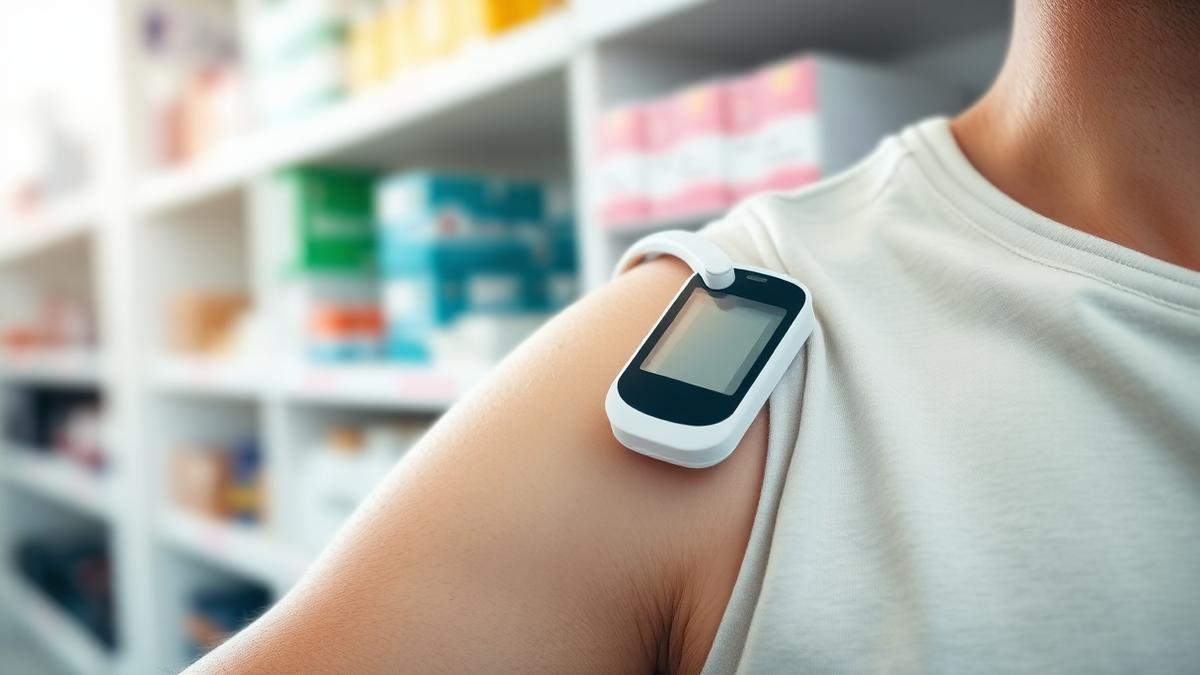

Heart failure remains the single greatest driver of 30-day hospital readmissions and Medicare penalty exposure across US health systems. While the clinical efficacy of implantable pulmonary artery (PA) pressure monitoring has been indisputably proven across pivotal CHAMPION and GUIDE-HF trials, real-world scaling has continually stalled against a structural barrier: the passive clinician portal bottleneck.
Abbott's receipt of FDA approval for direct-to-patient pulmonary artery pressure tracking on its CardioMEMS HF System and CardioGuide HF application represents a fundamental realignment of remote patient monitoring. By granting patients direct visibility into their hemodynamic trends and establishing a closed-loop channel for guided pharmacological titration, Abbott shifts remote cardiology from asynchronous nursing triage into real-time patient-provider co-management.
In This Deep Dive:
- Why this matters now: The clinical bottleneck of passive remote physiological monitoring.
- What actually happened: FDA clearance of patient-facing CardioGuide HF features.
- The obvious read versus the deeper signal: Consumer UX vs proactive GDMT optimization.
- Competitive taxonomy & clinical maturity: Invasive vs non-invasive remote heart failure platforms.
- The Evidence Ladder: Micro-sensor telemetry to value-based hospital deployment.
- 📈 The HealthTech Investor's Signal: Remote monitoring CPT reimbursement, SaaS pull-through, and medtech moats.
- Counter-thesis: Clinician alert fatigue, patient over-reaction anxiety, and EHR integration friction.
- Forward intelligence: 4 observable test indicators for the upcoming 12 to 24 months.
- The bottom line for cardiology chairs, hospital CFOs, and healthtech investors.
Why this matters now
Heart failure decompensation is a silent, progressive hemodynamic process. Elevated left ventricular filling pressures transmit backward into the pulmonary vasculature weeks before patients develop overt physical symptoms like peripheral edema, dyspnea, or sudden weight gain. By the time a patient registers a 3-pound weight spike on a bathroom scale, hospitalization is often unavoidable within 48 to 72 hours.
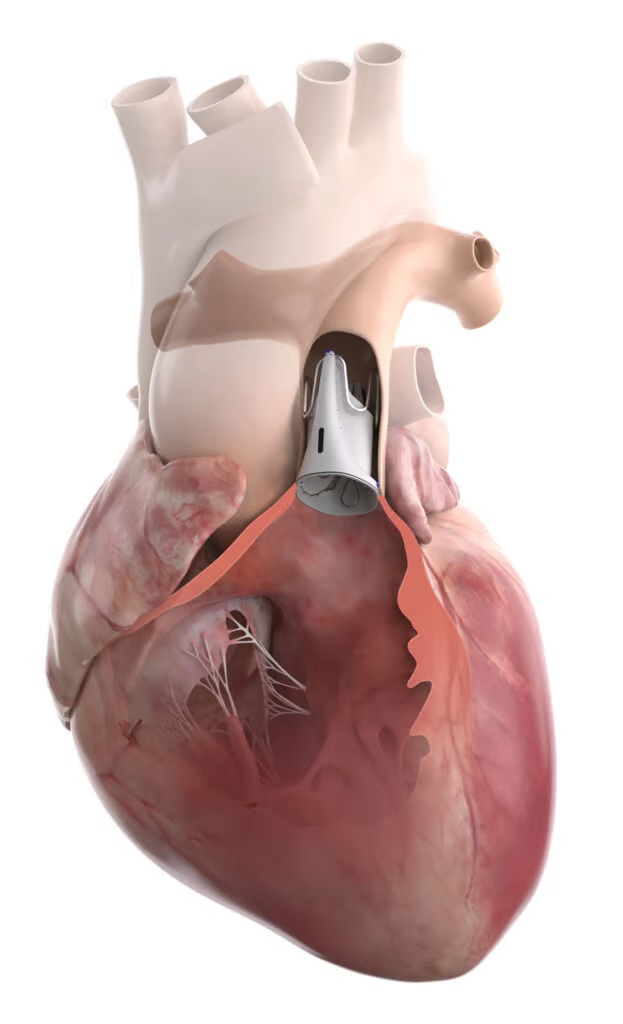
CardioMEMS solved early detection by embedding a battery-free MEMS sensor in the pulmonary artery, transmitting daily wireless pressure waveforms. However, legacy workflows routed these readings solely into a hospital-facing web portal. Busy clinical teams faced massive data backlogs, resulting in delayed diuretic adjustments and patient disengagement. Opening real-time PA pressure telemetry directly to patients creates immediate biofeedback, drastically improving daily transmission compliance and enabling early self-correction.
What actually happened
The FDA granted premarket approval (PMA) supplement clearance for Abbott's CardioGuide HF patient application. The approved platform introduces two major clinical capabilities: real-time patient-facing pulmonary artery pressure visualization and an interactive, physician-parameterized medication adjustment protocol.
Instead of receiving vague automated check-in reminders, patients can now observe how dietary sodium excess or missed medication doses directly impact their pulmonary artery pressure curves. Simultaneously, heart failure cardiologists can prescribe dynamic titration ranges, allowing the system to push verified diuretic dosage escalations directly to the patient's smartphone the moment intracardiac filling pressures cross pre-defined thresholds.

A heart failure nurse reviews pressure trends at a remote monitoring workstation. Image: The HealthTech Signal
The obvious read versus the deeper signal
The surface takeaway is that Abbott modernized its patient mobile app to match modern digital consumer expectations. The deeper operational signal is the transformation of implantable sensors into proactive medication optimization engines.
In heart failure, achieving target doses of guideline-directed medical therapy (GDMT, including SGLT2 inhibitors, ARNIs, beta-blockers, and mineralocorticoid receptor antagonists) is severely restricted by clinician fear of acute hypotension or renal hypoperfusion. Real-time PA pressure transparency removes this clinical blind spot. By pairing direct patient pressure telemetry with rapid digital communication, care teams can aggressively up-titrate life-prolonging GDMT with daily hemodynamic confirmation of safety.
🔒 HEALTHTECH SIGNAL PLUS · EXCLUSIVE SUBSCRIBER INTELLIGENCE