The healthcare AI market has been built almost entirely by and for wealthy-country health systems. The training data, the benchmark datasets, the clinical trials, the regulatory frameworks, and the commercial incentives that shaped frontier AI in medicine over the past decade reflect the patient populations, languages, disease patterns, and care delivery systems of the United States, Western Europe, and high-income parts of Asia. Everything else has been an afterthought at best.
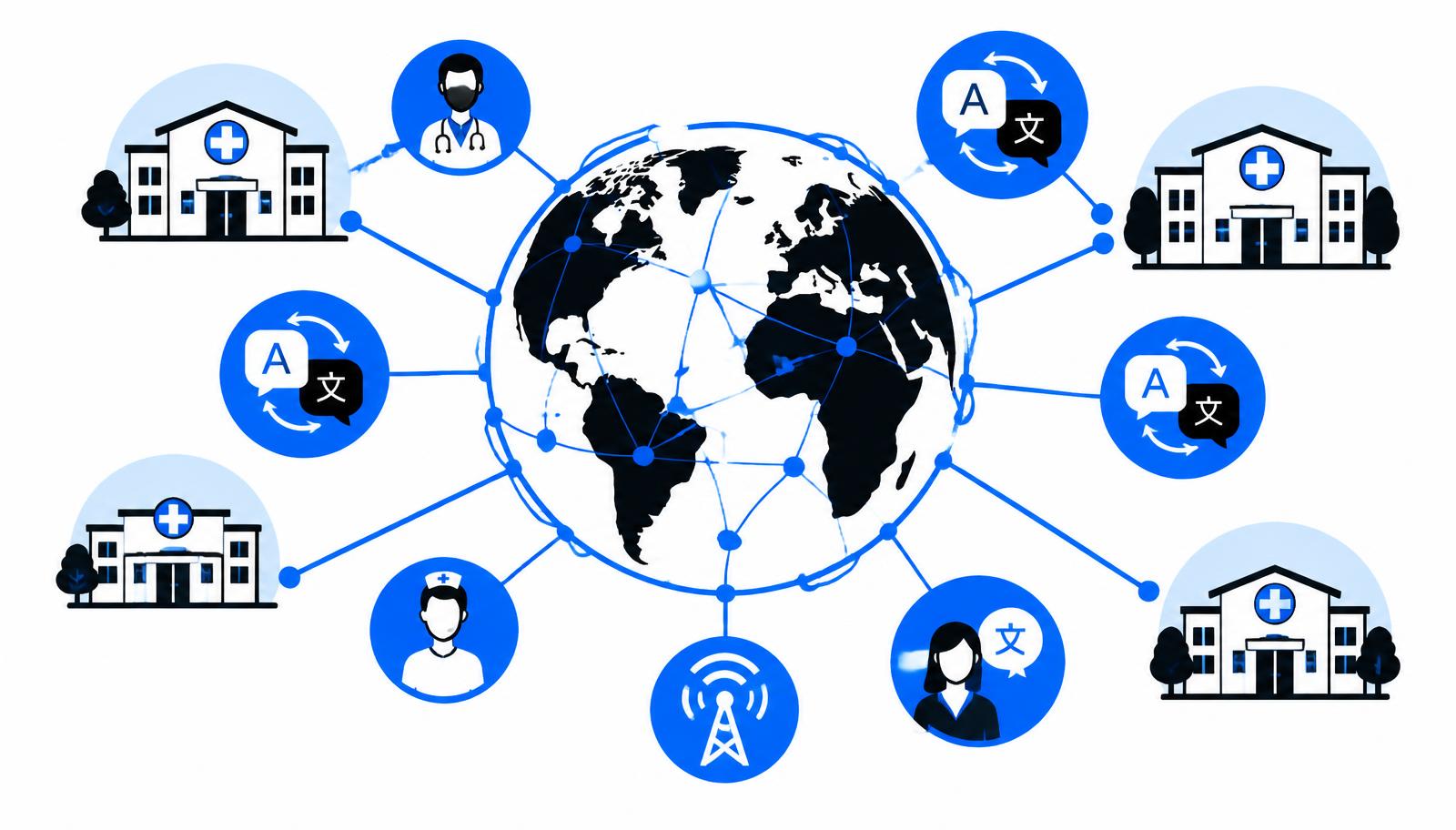
The Gates Foundation's $1 billion commitment, announced on September 15, 2026 alongside the 10th annual Goalkeepers Report, is a systematic attempt to change that architectural fact before it calcifies into a permanent structural inequality. The commitment is backed by formal partnerships with OpenAI, Anthropic, Google.org, and Microsoft AI for Good Lab, with specific capital allocation toward language infrastructure for underrepresented communities, clinical AI pilots in Rwanda and other African countries, and agricultural knowledge systems. This is what a serious equity infrastructure buildout looks like in the AI era, and its implications run further than global health.
In this deep dive, we are going to look at:
-
Why the 12-to-18-month window framing matters beyond philanthropy
-
What the $1 billion commitment actually funds, broken down
-
The technology partner coalition and what each partner brings
-
The Rwanda clinic pilot: what it reveals about frontier AI's real-world clinical capability
-
Language infrastructure as clinical infrastructure: the missing piece
-
How low-income health systems differ from high-income ones as AI deployment environments
-
The HealthTech Investor's Signal
-
Counter-thesis: where this could fail
-
Observable milestones to track