For more than two decades, the post-operative management of Stage III colon cancer has remained locked in a cytotoxic paradigm established in 2004 by the MOSAIC trial: six months of fluorouracil, leucovorin, and oxaliplatin (FOLFOX). While this doublet reduced recurrence across unselected patient cohorts, it exposed patients to severe cumulative peripheral neurotoxicity and yielded frustratingly modest benefits in hypermutated molecular subsets.
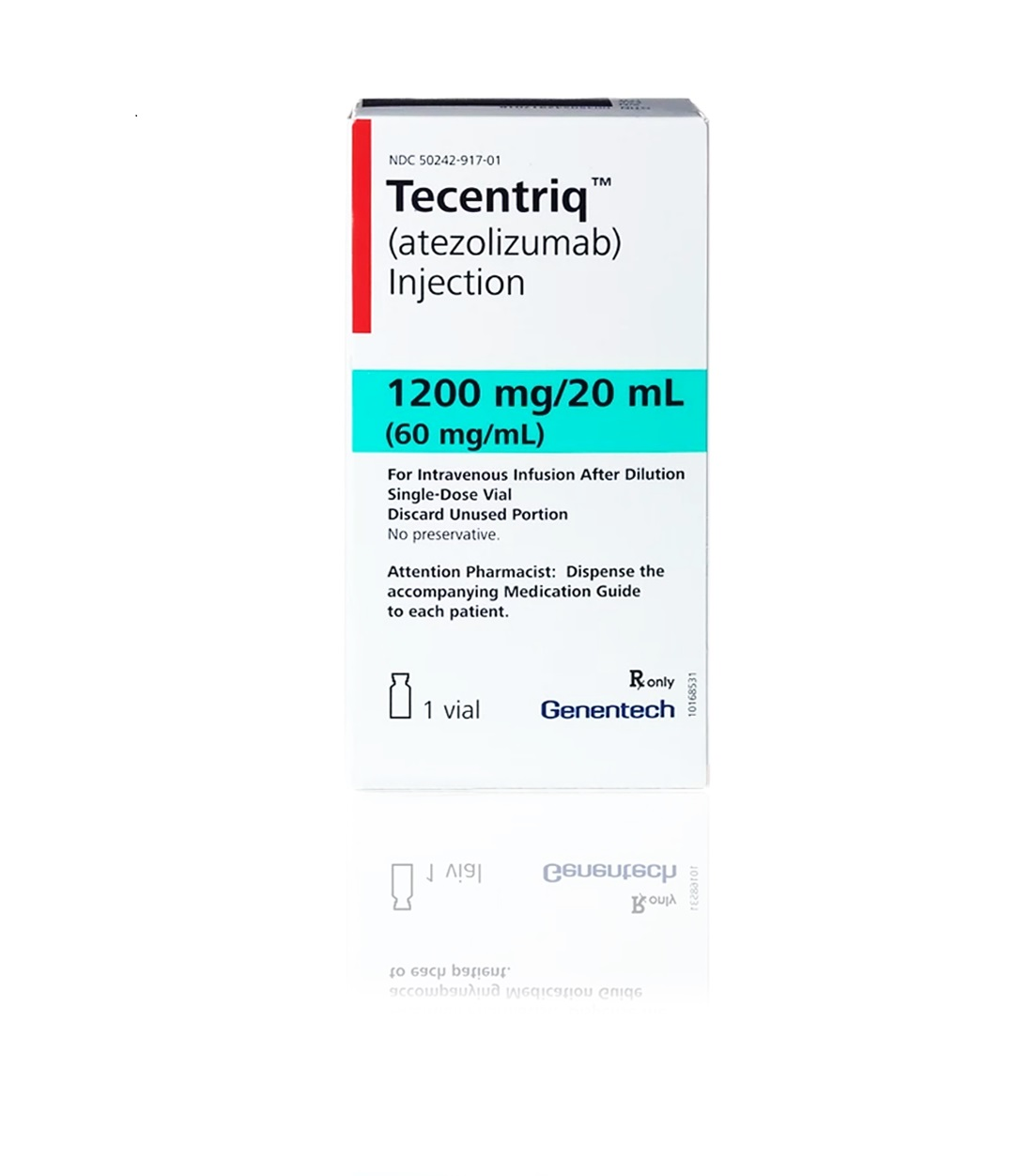
Yesterday, the FDA authorized a fundamental departure from that twenty-year status quo. The agency approved Genentech's PD-L1 inhibitor Tecentriq (atezolizumab) in combination with fluoropyrimidine and oxaliplatin chemotherapy for the adjuvant treatment of adult and pediatric patients two years and older with Stage III dMMR colon cancer. The subcutaneous Tecentriq Hybreza indication applies to patients 12 years and older weighing at least 40 kg with Stage III mismatch repair deficient (dMMR) colon cancer.
In This Deep Dive:
- Why this matters now: Overcoming a twenty-year reliance on non-selective cytotoxic adjuvant chemotherapy.
- What actually happened: Pivotal Phase 3 ATOMIC/ML39057 trial data, 50% recurrence risk reduction, and Hybreza SC clearance.
- The obvious read versus the deeper signal: Frontline salvage expansion versus timely MMR/MSI testing.
- Competitive taxonomy & clinical maturity: Next-generation adjuvant GI immunotherapy regimens.
- The Evidence Ladder: Preclinical neoantigen biology to curative adjuvant approval.
- The HealthTech Investor's Signal: Pathology NGS volumes, specialty pharmacy economics, and infusion center chair rotation.
- Counter-thesis: Oxaliplatin neuropathy burdens, immune-related adverse events, and circulating tumor DNA (ctDNA) guided de-escalation.
- Forward intelligence: 4 observable test indicators for the upcoming 12 to 24 months.
- The bottom line for gastrointestinal oncologists, health system executives, and biopharma allocators.
Why this matters now
Mismatch repair deficiency (dMMR) occurs in approximately 10% to 15% of patients diagnosed with Stage II and Stage III colon cancer. Because these tumors lack functional DNA mismatch repair machinery (due to germline Lynch syndrome mutations or sporadic MLH1 promoter hypermethylation), they accumulate thousands of somatic frameshift mutations, creating a massive neoantigen burden.
Paradoxically, historical data demonstrated that dMMR colon cancers exhibit intrinsic resistance to single-agent fluoropyrimidine chemotherapy, rendering standard 5-FU therapy largely ineffective. While oxaliplatin restored partial efficacy, thousands of curative-intent patients experienced preventable distant recurrence because their primed immune microenvironments remained suppressed by PD-L1 checkpoints. By introducing checkpoint blockade directly into the adjuvant setting following surgical resection, clinicians can now mobilize cytotoxic T-lymphocytes against microscopic residual disease, converting biological hypermutation from a risk factor into a targeted therapeutic vulnerability.

What actually happened
In the pivotal, randomized, open-label Phase 3 ATOMIC trial (NCT02912559 / ML39057, sponsored by the National Cancer Institute and Genentech/Roche), 712 patients with surgically resected Stage III dMMR colon cancer were randomized 1:1 to receive standard mFOLFOX6 for six months (12 cycles) alone or mFOLFOX6 combined with atezolizumab followed by atezolizumab monotherapy to complete one full year of treatment.
At a median follow-up of 40.9 months, the trial met its primary endpoint with overwhelming statistical significance: the atezolizumab combination delivered a 50% relative reduction in the risk of disease recurrence or death compared with mFOLFOX6 alone (hazard ratio [HR] = 0.50; 95% CI: 0.35 to 0.73; p=0.0001). The 3-year disease-free survival (DFS) rate was 86.3% in the atezolizumab arm versus 76.2% in the chemotherapy control arm, representing a 10.1 percentage point absolute improvement.
Crucially, the FDA cleared intravenous atezolizumab for patients two years and older, and subcutaneous Tecentriq Hybreza (atezolizumab and hyaluronidase-tqjs) for patients 12 years and older weighing at least 40 kg. The subcutaneous formulation compresses administration time from a 30-to-60 minute IV infusion down to a 7-minute injection, drastically lowering the chair-time burden on hospital outpatient infusion clinics.
The obvious read versus the deeper signal
The conventional pharmaceutical narrative views this approval as Roche defending Tecentriq's commercial franchise against Keytruda and Opdivo by capturing an incremental niche in colon cancer. The deeper operational and economic signal is that upfront reflex molecular testing is essential to biomarker-directed treatment in early-stage resectable solid tumors.
Universal MMR/MSI testing was already recommended for colorectal cancer to support Lynch syndrome evaluation and treatment selection. The new indication gives hospitals an additional reason to ensure those results are available before adjuvant decisions. Reflex testing can use MMR immunohistochemistry or validated MSI methods; broad next-generation sequencing is not automatically required.