In pediatric cardiology clinics, diagnosing an adolescent with symptomatic obstructive hypertrophic cardiomyopathy has historically initiated a countdown toward high-risk invasive intervention. For decades, pediatric cardiologists had few pharmacological options beyond non-specific beta-blockers or calcium channel blockers. When dynamic left ventricular outflow tract gradients persisted despite maximal medical therapy, the only definitive recourse was surgical septal myectomy or alcohol septal ablation, carrying permanent risks of heart block, pacemaker dependence, and perioperative complications.
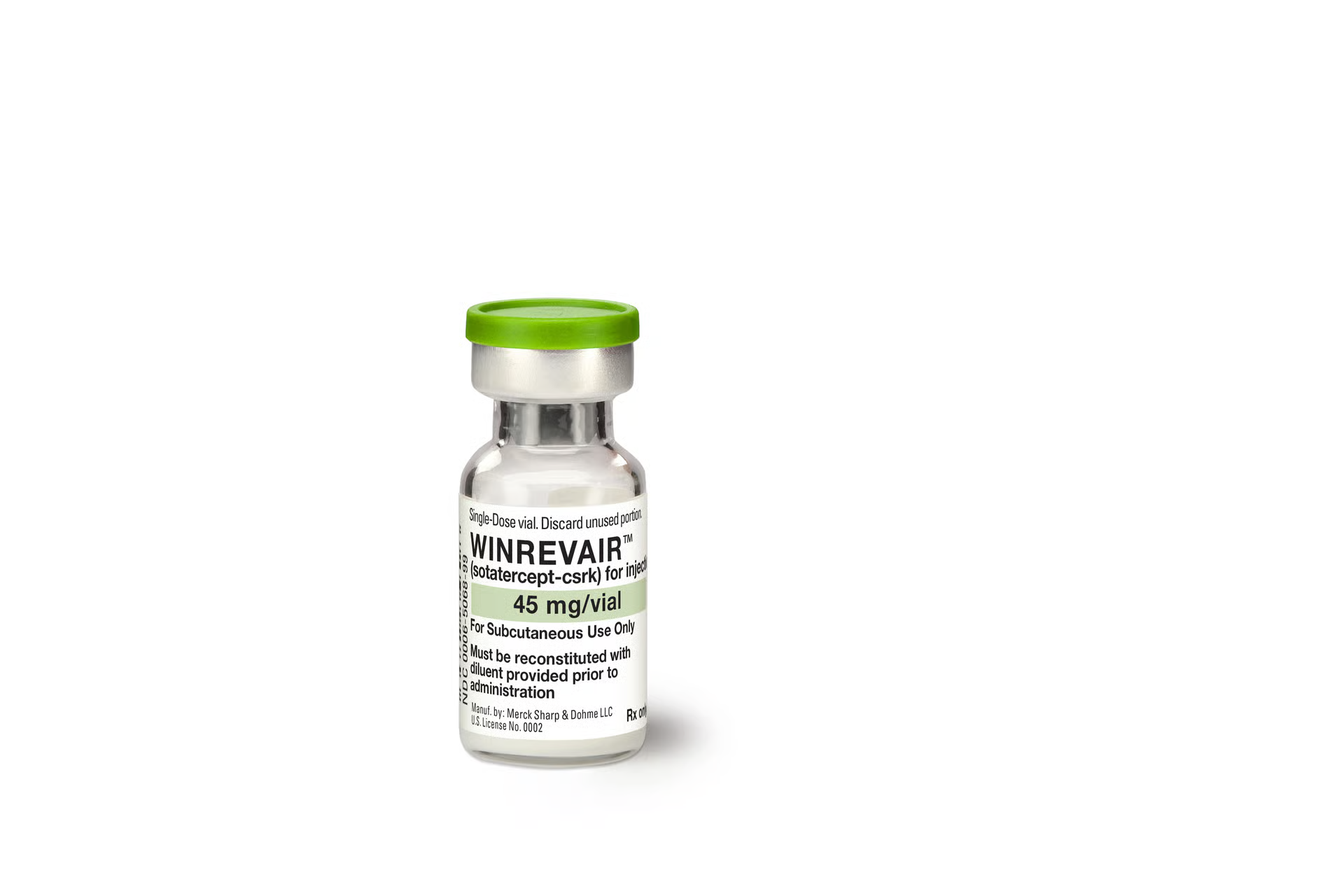
That paradigm shifted decisively on September 30, 2026, when the US Food and Drug Administration approved an expanded indication for Bristol Myers Squibb's Camzyos (mavacamten) for pediatric patients aged 12 to younger than 18 weighing at least 30 kg. By targeting the fundamental molecular biomechanics of hypercontractility rather than blunting systemic adrenergic tone, mavacamten establishes a precision standard of care that preserves myocardial architecture and fundamentally alters the lifetime economics of congenital heart disease.
In this deep dive
- Why this matters now: the pediatric obstructive HCM intervention crisis
- What actually happened: deconstructing the Phase 3 SCOUT-HCM trial data
- The obvious read versus the deeper signal
- The Evidence Ladder: from actin-myosin cross-bridging to guideline adoption
- Cardiomyopathy therapy taxonomy: comparing surgical and pharmacological pathways
- The counter-thesis and four observable test milestones
Why This Matters Now: The Pediatric Obstructive HCM Intervention Crisis
Hypertrophic cardiomyopathy affects approximately 1 in 500 individuals globally, but its presentation in children and adolescents carries disproportionate clinical severity. During adolescent growth spurts, accelerating ventricular hypertrophy often triggers severe left ventricular outflow tract (LVOT) obstruction, causing disabling exertional dyspnea, syncope, and elevated risk of sudden cardiac arrest. Until now, no disease-specific pharmacological therapy was FDA-approved for pediatric patients, forcing clinicians to manage growing adolescents with off-label adult medications that failed to alter underlying myocardial remodeling.
What Actually Happened: Deconstructing the Phase 3 SCOUT-HCM Trial Data
The FDA expanded approval rests on the pivotal Phase 3 SCOUT-HCM trial (NCT06253221), published in The New England Journal of Medicine. Key parameters include:
- Patient Population: 44 adolescents aged 12 to under 18 years with New York Heart Association (NYHA) Class II or III symptomatic oHCM and Valsalva LVOT peak gradients of at least 50 mm Hg at baseline, randomized to oral mavacamten (n=23) or placebo (n=21).
- Primary Endpoint: Mavacamten achieved a statistically significant -48.0 mm Hg placebo-adjusted reduction in Valsalva LVOT gradient at week 28 (p < 0.001).
- Functional Capacity: Substantial improvements in resting LVOT gradient, post-exercise gradient, and NYHA functional class, with a favorable safety profile consistent with adult trials and no participants experiencing severe systolic dysfunction (LVEF below 50%).
The Obvious Read Versus the Deeper Signal
The surface-level reaction interprets this approval as an incremental label expansion adding a modest patient cohort to Bristol Myers Squibb's commercial portfolio. That view overlooks the profound structural shift in cardiovascular medicine.
The deeper signal is that precision allosteric modulation of cardiac sarcomere proteins is successfully moving upstream into pediatric populations. By interrupting excessive actin-myosin cross-bridge formation during early development, mavacamten does not merely alleviate dynamic obstruction; it potentially prevents the secondary left atrial enlargement, microvascular ischemia, and progressive myocardial fibrosis that drive adult heart failure. BMS is effectively locking in patient adherence at age 12, building a lifelong therapeutic relationship that spans decades.