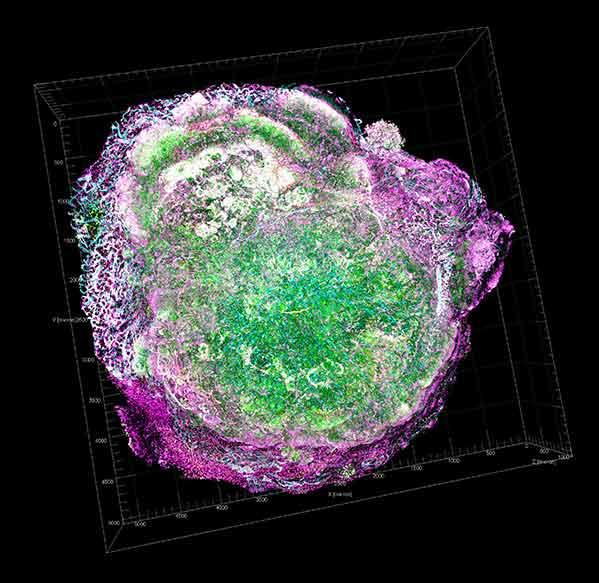
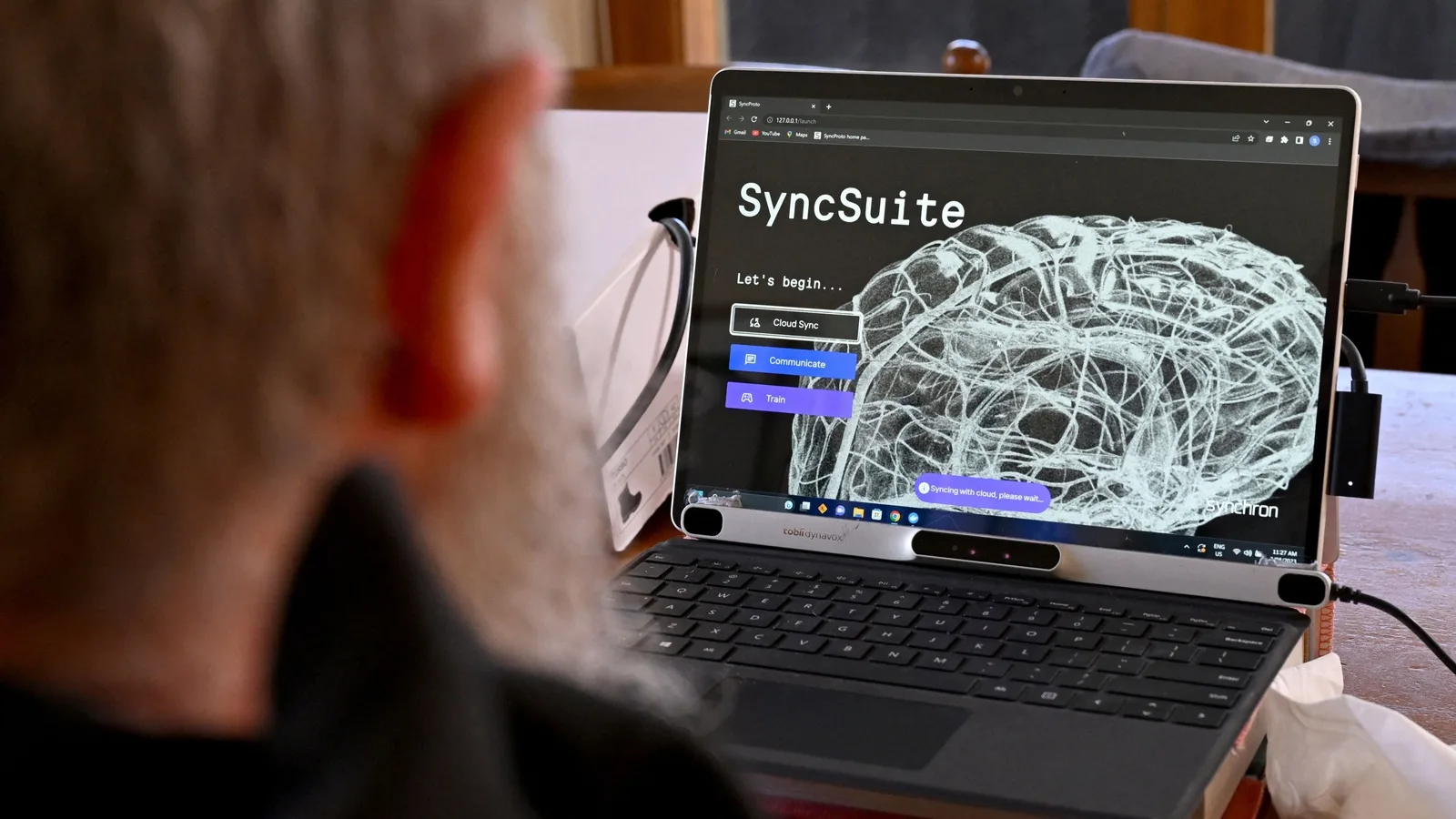
Brain computer interfaces have spent two decades as a demo. That is changing. Synchron's Stentrode, delivered through the jugular vein rather than open craniotomy, is preparing a pivotal study in 2026 that the company has said it needs to clear before requesting FDA marketing authorization, according to reporting on the program's timeline. Tech Times Synchron is also running an early feasibility study called INTENT that started recruiting in April 2026, per its ClinicalTrials.gov listing. ClinicalTrials.gov
The clinical case for the category is no longer hypothetical. Casey Harrell, a man living with ALS, has used a brain implant for close to three years to speak, browse the web and continue working, a case MIT Technology Review documented in detail in June 2026. MIT Technology Review That is a real patient with a real functional outcome, sustained over years, not a conference stage demonstration.
What actually separates the leading programs?
Surgical approach is the first fork. Synchron's endovascular delivery avoids a craniotomy and uses interventional radiology techniques hospitals already have. Neuralink and Blackrock Neurotech implant electrodes directly into cortical tissue through a skull opening, which trades a harder procedure for a richer signal. Neither approach has won yet, and the honest answer is that they may serve different patient populations rather than compete head to head.
Signal fidelity versus durability is the second. Penetrating electrode arrays generally decode intent with more precision. Surface and vascular approaches sacrifice some resolution for a device that is less likely to be walled off by scar tissue over years of implantation. A pivotal trial has to prove the device still works at eighteen and twenty four months, not just at the ninety day primary endpoint most early feasibility studies use.
Regulatory posture is the third, and it is shifting under everyone's feet. FDA Commissioner Marty Makary and deputy Vinay Prasad published a February 2026 perspective in the New England Journal of Medicine ending what they called the "two trial dogma," setting a new default that one adequate, well controlled pivotal study plus confirmatory evidence can support marketing authorization. Inside BCI That policy shift lands at the exact moment BCI companies are designing their pivotal protocols, and it materially changes how much evidence a company needs before submission.
Comparison at a glance
| Factor | Endovascular (Synchron) | Penetrating cortical (Neuralink, Blackrock) |
|---|---|---|
| Surgery | Catheter delivery, no craniotomy | Craniotomy required |
| Signal resolution | Lower, improving | Higher |
| Longevity data | Multi-year human use reported | Shorter track record at scale |
| Regulatory stage | Pivotal trial preparing, 2026 | Early feasibility, expanding cohorts |
What is the real clinical bar for approval?

A cleared BCI will need to show that a patient with severe motor impairment, most likely ALS or high cervical spinal cord injury, can reliably perform a defined communication or control task better than the best available assistive alternative, and can do so safely over a defined follow-up period. Device related serious adverse events, migration, infection and thrombosis risk for the vascular approach, are the safety side of that ledger, and none of the current studies are large enough yet to make population-level safety claims.
The commercial question that follows approval is even harder than the clinical one: who pays, and under what code. There is no established CPT reimbursement pathway for BCI implantation and lifetime signal decoding services today, and building that pathway typically takes years after the first clearance, not before it.
The takeaway
The first cleared brain computer interface is now a matter of when, not if, and the honest window is late this decade rather than next year. The company that gets there first will not necessarily be the one with the sharpest signal. It will be the one that ran the pivotal trial FDA's new one-trial framework was built for: a clean primary endpoint, a credible comparator, and enough follow-up to prove the implant survives the patient's life, not just the study period.
Key Signals
Synchron is preparing a 2026 pivotal trial it says is required before an FDA marketing submission. FDA's new one-trial default policy lands at the exact moment BCI pivotal protocols are being designed. Endovascular and penetrating-electrode approaches trade surgical risk for signal resolution differently. No CPT reimbursement pathway exists yet for BCI implantation, which will lag any approval by years.