A phone camera, 30 seconds, and a promise to help spot cardiovascular risk. It's an excellent pitch. But when a medical-sounding product wins a major startup competition, the next questions naturally turn to clinical validation and implementation.
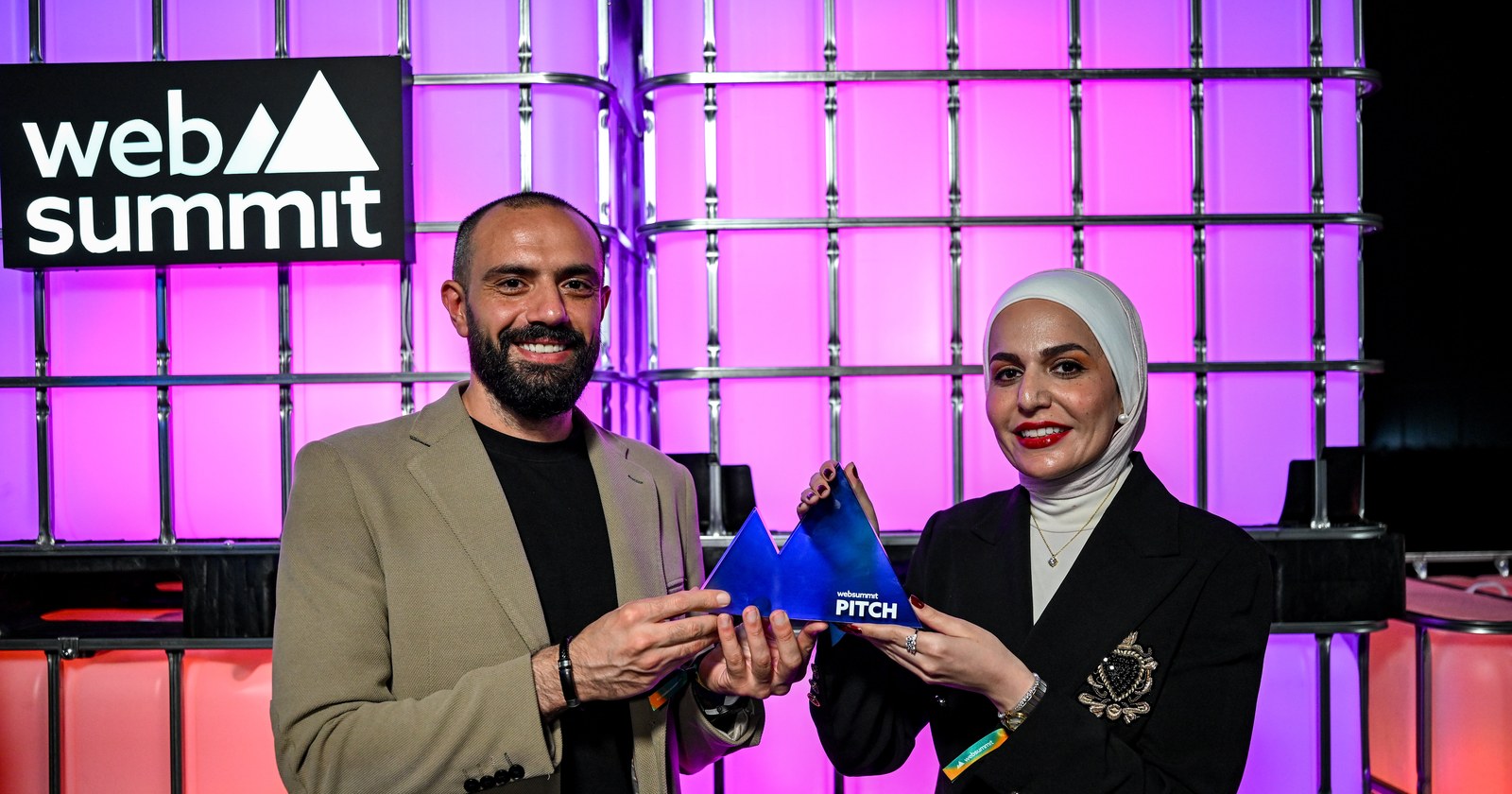
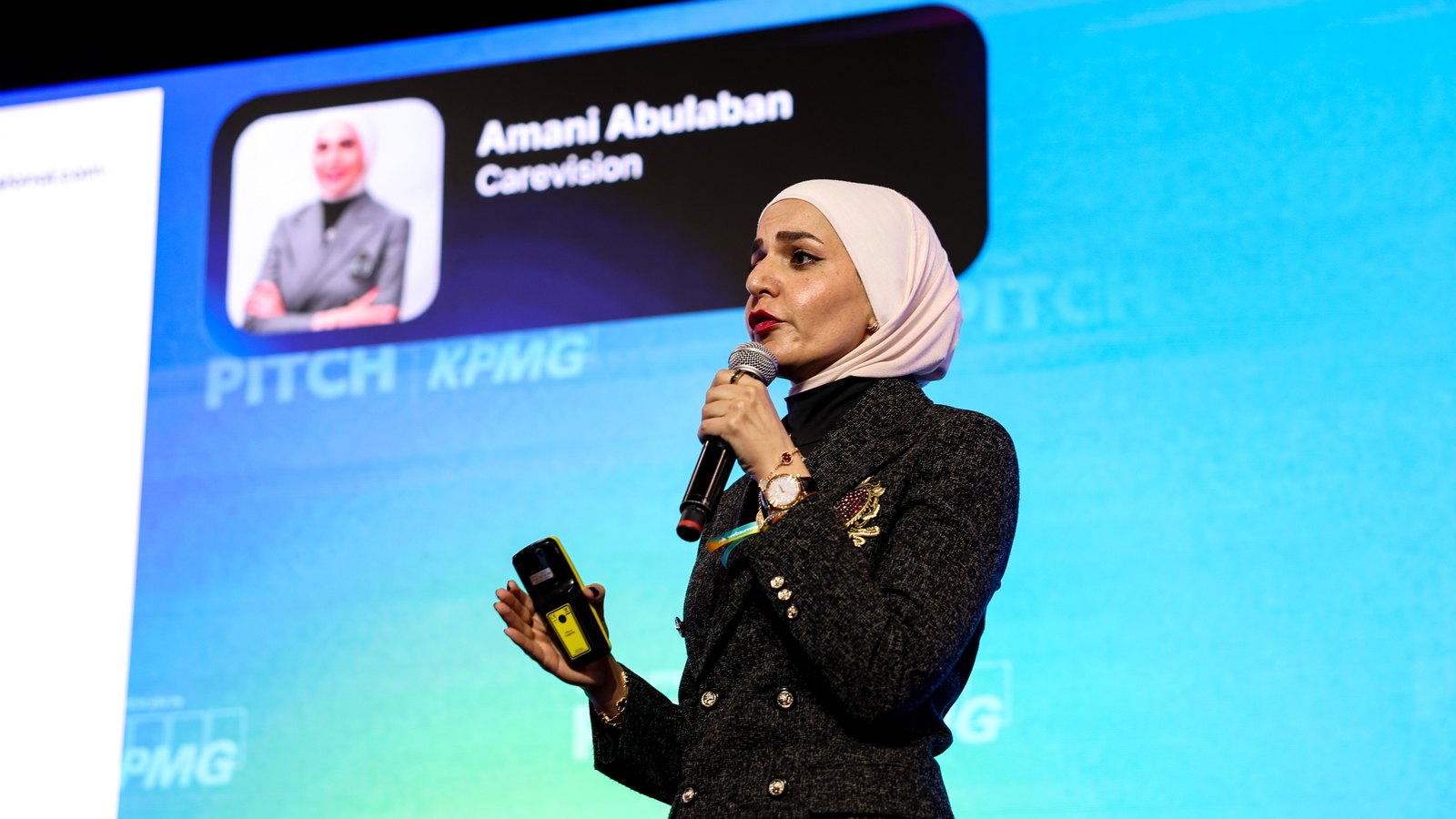
The Carevision Web Summit story is about both the promise and that scrutiny. Founder and CEO Amani Abulaban won Web Summit PITCH on November 12, 2026, in Lisbon. The public preferred a different finalist. And several regulatory claims from her presentation deserve much closer examination.
Who won Web Summit PITCH 2026?
After Storm Charles disrupted Wednesday's programme, the semi-final and final moved to Thursday. Of 105 shortlisted companies, three reached the final: Carevision, Zoyk, the Zambian payments startup founded by Clive Nabale, and Moola, the UK financial-planning company founded by Linda Du. The host announced an audience vote of 42% for Zoyk, 32% for Carevision and 26% for Moola. George Hayes of KPMG then announced Carevision as the judges' winner.
So the judges' result is clear. It is equally clear that the audience did not select Carevision. Neither vote, however, tests whether a health-screening technology works.
What did Carevision pitch?
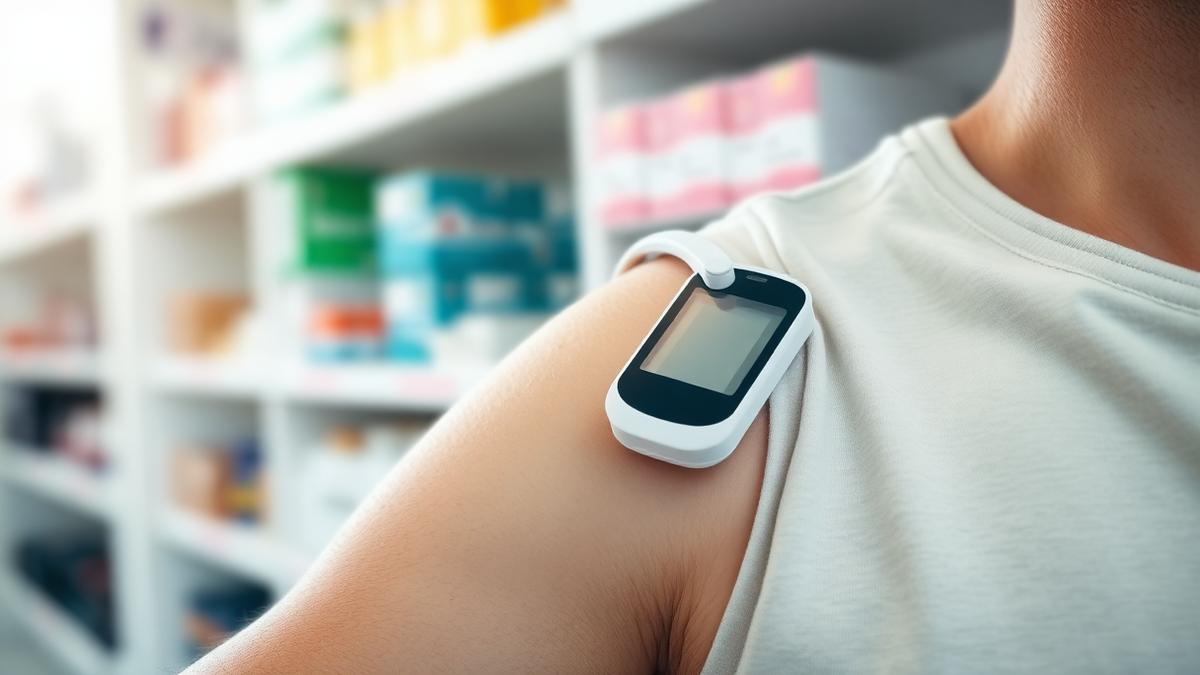
Abulaban linked the business to her younger brother Ahmed's stroke. She described a phone-camera screen that, according to her pitch, sorts users into risk groups across 14 cardiometabolic conditions in around 30 seconds and can share results with healthcare providers. People flagged as high risk would be urged to see a doctor rather than given a diagnosis by the app.
She also said the models had been trained on 12 million ECG records from 19 countries and achieved 97% accuracy. Those are figures presented by the company, figures the company has shared and that merit detailed clinical publication. A large ECG dataset does not automatically validate a camera-based screening product. To judge the figure, we would need to know the target condition, reference standard, patient population, sensitivity, specificity, and how the system performed prospectively in the intended setting.
This is especially important in screening. A headline accuracy figure tells very little about how many healthy people might be wrongly alarmed or how many people at risk might receive false reassurance.
Understanding Carevision’s regulatory pathway
Asked about regulation, Abulaban said Carevision had received Saudi FDA certification. She also described the product as a wellness tool rather than a diagnostic medical device, referred to a US 510(k) exemption, and discussed clinical validation and a medical licence as next steps. These are different regulatory concepts, and the precise authorisation and intended use will matter as the company expands.
Still, these are materially different concepts. Being outside a particular regulatory pathway is not the same as having clearance. An exemption from 510(k) is not a general US marketing authorisation. Nor does a wellness description in one market establish classification in another. The scope of any authorisation needs to be understood in relation to the specific product and intended use.
One helpful next step would be to share the specific intended use, identify the authorisation and relevant jurisdiction, and provide externally assessable validation results. If the product is genuinely non-diagnostic, its marketing and clinical workflow need to reflect that limit consistently.
Commercial momentum and international ambitions
Abulaban also cited five contracts, a Saudi Ministry of Health agreement, a $6 million qualified pipeline, activity in 12 countries, a planned Kenya screening programme, and a $2 million fundraise with half committed. These company-reported figures describe different stages of progress: a sales pipeline, a planned programme and fundraising commitments are not completed deployments.
The company's geography also needs careful wording. Web Summit called it US-founded with headquarters in Saudi Arabia. Abulaban said the team was based in Saudi Arabia and Jordan and described her Palestinian origins. Carevision has roots and operations across several countries, reflecting the international character of its team.
Carevision deserves attention because inexpensive cardiovascular risk screening would be genuinely useful. But the standard for evaluating that possibility is not a trophy or a moving founder story. It is evidence that the tool identifies the right people, for the right reason, without creating more harm than benefit.

What meaningful screening performance looks like
One reason the Carevision pitch deserves a closer look is that cardiovascular screening is an unusually unforgiving place for vague performance numbers. A screening system may be used on large numbers of people who feel well. Many of them will not have the condition being screened for. Even a small false-positive rate can therefore produce a substantial number of unnecessary referrals when the tool is deployed at scale.
The opposite error matters too. A false negative may reassure someone who needs medical attention. The relative importance of these mistakes depends on the condition, the intended population and what happens after the initial screen. An algorithm intended to encourage a person to seek assessment is not necessarily judged in the same way as a tool used to rule out disease or select treatment. But the boundaries must be explicit, because users and clinicians will make decisions based on the result.
That is why 97% accuracy cannot be evaluated without more context. Ninety-seven percent of what, exactly? Does the figure describe correct classifications in a dataset dominated by people without a particular condition? Is it an average across multiple outputs? Was performance measured against a reference test? And were the people in the evaluation representative of the users who would eventually be screened on a phone camera, under different lighting and camera conditions?
The claim about training on 12 million ECG records raises another question. ECGs record the heart's electrical activity. A camera-based system observes visual signals. There may be legitimate methods for learning relationships between different kinds of measurements, but a large source dataset does not automatically establish how accurately a model performs on the input it will actually receive from the public. The relevant validation study needs to show the link.
A clinically meaningful paper would explain the intended use, the reference standard, the included patients, how participants were recruited, which data were used to train the model and which were held out for testing. It would report measures relevant to individual target conditions, not simply a headline number. Ideally, researchers independent of the development team would have a chance to scrutinise the methods. None of that was established by the stage pitch itself.
Why intended use shapes the regulatory pathway
The judges' questions about regulation highlighted the relationship between intended use and market entry. Abulaban discussed wellness positioning, the US 510(k) process, Saudi certification and plans for clinical validation. Each has a different role in the product's development and should be considered in the relevant jurisdiction.
Regulators do not generally decide a product's status solely by whether a company calls it wellness. What the product is intended to do, how it is marketed and how people are expected to use its outputs can all matter. Software that merely supports general wellbeing may raise a different set of questions from software that identifies signs of a particular disease or directs a user toward clinical evaluation on the basis of a risk score.
The term 510(k) also has a specific context. It refers to a US premarket submission pathway for certain medical devices. Some devices are exempt from that particular requirement, and some software may fall outside the medical-device definition depending on its functionality and intended use. Neither situation can be reduced to a general claim that an algorithm is safe or authorised everywhere. An exemption is not a clinical performance finding.
The Saudi Food and Drug Authority claim deserves its own documentation. If a company has an authorisation relevant to the product being pitched, it should be possible to identify the product, the scope of the decision, and the relevant jurisdiction. A specific registration was not identified in the announcement. Sharing the relevant authorisation and intended-use documentation would help clinicians and partners understand the product's status.
Carevision also described plans involving multiple countries. That increases rather than reduces the need for precision. Product categories, market-entry requirements, and permissible claims differ by jurisdiction. A company can have a defensible plan for staged market entry, but it should not imply that one country's wellness position settles the question for every market it wants to enter.

What a strong clinical pilot could demonstrate
Suppose a health system wanted to assess the screen. The starting question would not be whether the interface looks impressive. It would be which patient group might benefit and what action is expected after a positive result. A pilot designed to encourage further assessment among adults with limited access to conventional screening could have different priorities from one aimed at monitoring people with an established diagnosis.
A useful evaluation would need a pre-specified outcome, an appropriate comparator and a plan for managing results that suggest risk. It would need to record how often the device fails to produce a usable measurement, not just how it performs when everything works. A phone-camera interface used in the real world introduces practical variation: lighting, movement, devices, and differences among the people using it. Those details are part of effectiveness, not minor inconveniences outside the study.
There is also the human factor. What does a person understand when a system tells them that an abnormality might have been detected? How many book the recommended appointment? How many receive an unnecessary scare? Are clinicians equipped to handle the volume of follow-up? A screening product that works statistically but overwhelms the next step in the care pathway may not produce the benefit its designers intend.
The founder's ambition, making cardiovascular risk detection more accessible, is a legitimate and important one. A phone-based tool could reach users who would otherwise not engage with a screening service. That possibility is worth investigating. But it is the beginning of a clinical evidence programme, not the conclusion of one.
Why winning PITCH is still significant
A major startup competition rewards a combination of storytelling, ambition, commercial potential and execution. Carevision clearly convinced the judging panel. The audience preferred Zoyk, and the distinction is useful because it reminds us that there are different ways to evaluate a pitch. Neither result should be confused with an independent regulatory or clinical review.
Abulaban's account of her brother's stroke supplies the human motivation behind the company. It is entirely appropriate to report it with attribution. It also makes an argument for greater care in evaluating the product. People who have lived through serious cardiovascular events may be especially receptive to technologies promising earlier warnings. A publication serving healthcare professionals should respect that motivation while holding the performance claims to the standard the potential patients deserve.
The next chapter of the Carevision story should be about documentation. A clearly defined intended use, publicly assessable evidence and an unambiguous account of regulatory status would help clinicians, partners and investors distinguish a promising invention from a validated clinical tool. Until those materials are available, the award is established news and the health-screening claims remain claims.