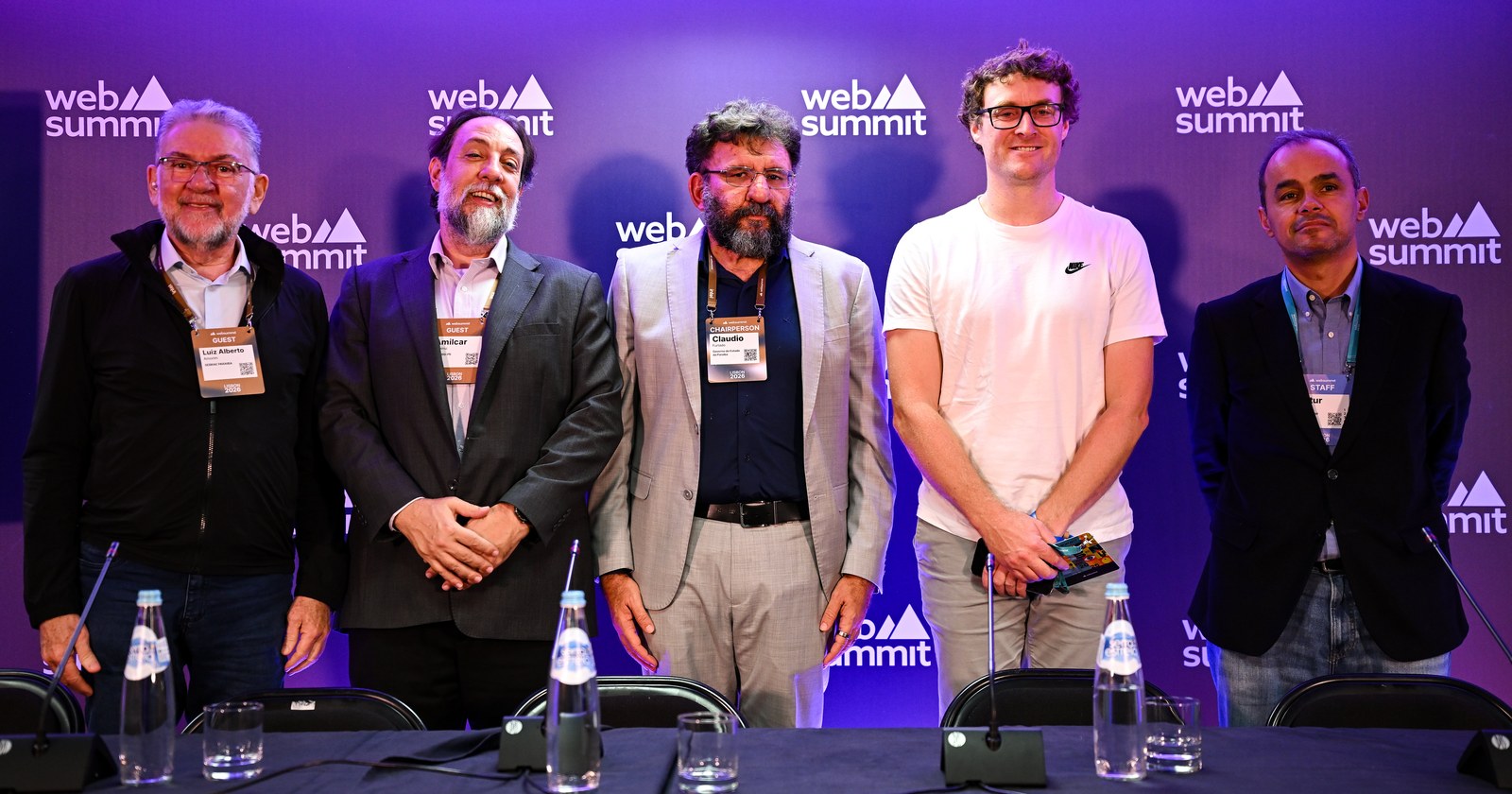

A startup founded in Madeira is taking on one of the most practical challenges in enterprise AI: helping organisations stay in control as software agents become more capable. At Web Summit 2026, Humanos received Portugal’s Most Promising Startup award for its work on AI-agent governance.
On November 12, Startup Portugal and Web Summit named Humanos the Most Promising Startup at the 11th Road 2 Web Summit, awarding it €15,000 with Galp's backing. Braga-based eDynamics took the €5,000 Best Performing prize for its intelligent-insole technology.
What the Road 2 Web Summit award recognises
Road 2 Web Summit gives Portuguese startups a route into the international conference and its commercial network. Humanos was chosen as the most promising participant. For a company founded in Madeira in 2025, the recognition is a valuable opportunity to meet potential partners and customers.
Co-founder and CEO Pedro Andrade offered a particularly vivid account of the problem during a press conference, as quoted by ECO: “Quando se desenvolve IA, pode-se medir o risco dos agentes antes de os implementar. Os agentes podem ficar loucos. E connosco consegues provar aos clientes que os teus agentes estão sob controlo.” In translation: when developing AI, organisations can measure agents' risks before deployment; agents can go off course, and the company wants customers to be able to demonstrate control.
How could Humanos technology support hospital teams?
The company is described in press coverage as building risk-scoring infrastructure for AI agents. ECO also reported Andrade describing a mechanism through which agents can be required to seek human approval before certain actions. Those two ideas address different parts of governance: assessing risk, and controlling permission to act. Both can play useful, complementary roles.
A hospital might want an agent to prepare paperwork without allowing it to authorise a sensitive change. That illustrates why healthcare organisations are interested in secure, auditable approval workflows. The more important diligence questions are mundane: who defines permissions, how exceptions are handled, and whether there is a reliable record when a system behaves unexpectedly.
The Lusíadas Saúde connection
Andrade named Portuguese private healthcare group Lusíadas Saúde, alongside Mastercard, among the organisations the company sells to. Humanos also publishes a Lusíadas case study describing an “approval OS” and cryptographic authorisation records across vendors. That case study provides the company’s perspective on its work with the healthcare group. It also describes a future role for agents inheriting that approval infrastructure.
Several Portuguese outlets also report the company's claim that more than 350 organisations use its technology. That number comes from the company’s public communications, and tells us nothing by itself about the maturity of individual deployments.
Who founded the company, and where is it based?
Pedro Andrade, Rui Lagos, Artur Goulão, Rodrigo Sarroeira and Gonçalo Almeida founded Humanos in Madeira in 2025. ECO now describes it as headquartered in San Francisco. The Portuguese roots and US base are both relevant; neither needs to cancel the other.
eDynamics and the other award
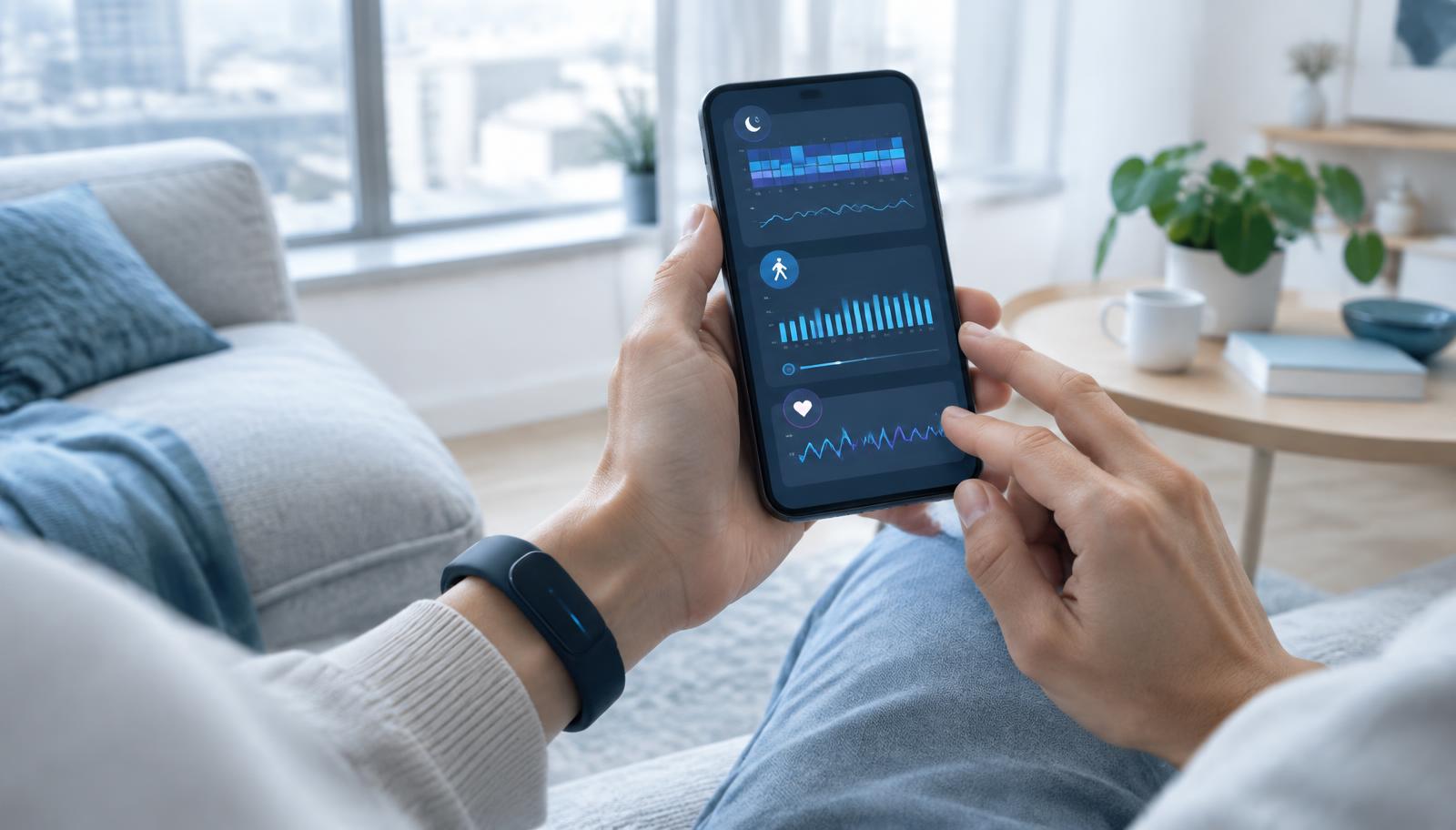
The Best Performing prize went to eDynamics, co-founded by biomedical engineer Joana Figueiredo. The Braga startup is developing sensor-equipped insoles, combined with AI, to examine movement and flag possible fatigue or injury risk in sport and professional settings. The award recognises the company's proposition and is separate from clinical, regulatory and financing milestones. Measuring a movement pattern and preventing an injury are different evidentiary milestones.
The wider lesson from these two prizes is worth remembering. AI in healthcare will need both smarter applications and credible controls around how those applications behave. The latter may not make the most dramatic demo. It could nevertheless determine whether a hospital buys the product.

Why approval is different from giving an AI model instructions
It is tempting to think that controlling an AI agent is a matter of writing better instructions. Tell it what it may access, tell it what it must never do, and trust the configuration. That can be a useful starting point. For consequential actions, teams can complement instructions with technical access controls. The more software an agent can reach, the more consequences can follow from a misunderstood instruction, an unexpected tool response or a change in the surrounding workflow.
A hospital provides a good illustration, although it is different from a description of an existing Humanos installation. Imagine an agent that prepares a referral from information in a patient record. The hospital might want it to compile the relevant history, choose the appropriate administrative pathway and suggest a destination. It may not want that same agent to release the referral to an external recipient without a clinician confirming it. A second agent might be allowed to reconcile an invoice but not authorise payment. These distinctions are made through enforceable permissions and approval steps, not through persuasive wording in a prompt.
This is why the difference between Humanos' reported risk-scoring capability and its company-described approval infrastructure matters. Risk scores can help a team prioritise review or identify unusual actions. A separate approval process can create a boundary that an agent cannot simply cross on its own. An organisation may need both, but a prospective buyer should ask which parts the product actually provides, where those controls sit technically and how they behave when an integration fails.
Repeatable testing is central to demonstrating control over AI agents. Useful tests examine whether disallowed requests are blocked, whether approvals are linked to the right person and transaction, and whether a later audit can reconstruct the sequence.
What a hospital buyer would need to know
Winning a startup competition can open the door to working closely with health systems. The first establishes that judges found the company and its pitch compelling. The second requires procurement teams, information-security staff, clinicians and operational leaders to determine whether the technology fits an existing system. Hospitals have little appetite for another layer of software that produces dashboards without solving a real operational problem.
A sensible assessment would begin with a narrow workflow. Which agent is acting? Which records or applications can it access? Who is authorised to approve the action, and what happens if that person is unavailable? Is the agent prevented from completing the action, or does the approval system simply send a notification afterward? Those are not interchangeable controls. Timing can be as important as the approval itself, particularly in workflows where delays have consequences.
Healthcare organisations would also need to clarify what information is logged. An audit trail is useful when it can establish who approved what, under which rules and at which point in the process. But storing the entire contents of sensitive records in yet another platform could introduce its own privacy and security considerations. The right implementation depends on the data involved, the system architecture and the hospital's own responsibilities.
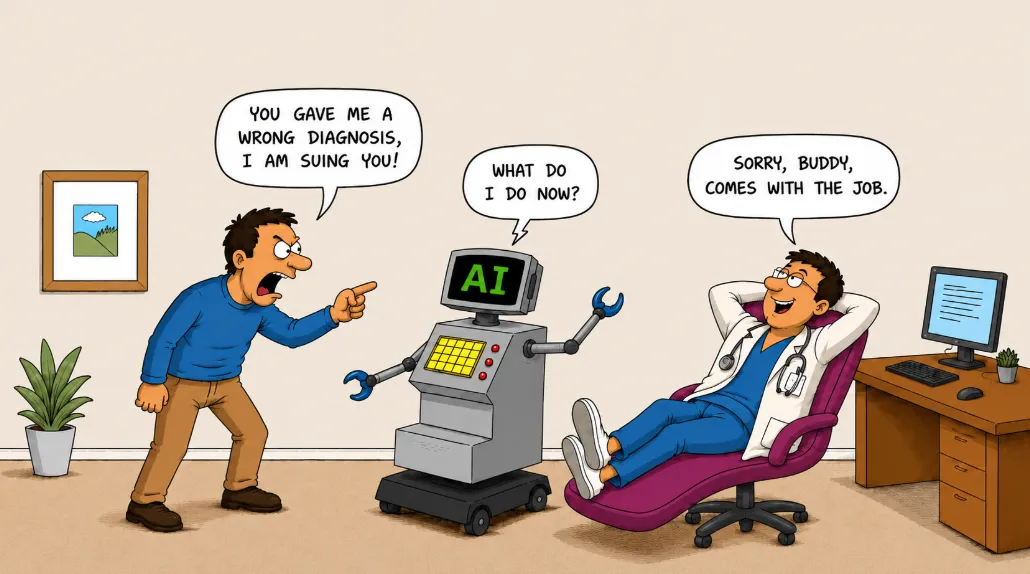
It would also be worth distinguishing administrative automation from clinical decision-making. A product that controls whether an AI agent can execute a software command is distinct from validating the clinical decision behind that command. If an AI tool suggests an incorrect diagnosis, requiring a human click does not by itself make the underlying reasoning reliable. Governance infrastructure may be necessary, but it does not remove the need to evaluate the systems it governs.
The commercial opportunity for a company like Humanos therefore lies in a difficult middle ground. Its controls must be strict enough to create confidence and flexible enough not to paralyse useful work. Hospitals have experienced both extremes with traditional software: controls so weak that they undermine trust, and workflows so cumbersome that staff invent workarounds. The promise of an approval layer is that it could make responsible automation easier. The test is whether it actually does.
Why the award matters
Portugal's startup ecosystem benefits when a company with local roots wins international attention. Humanos was founded in Madeira, and its reported move to a San Francisco headquarters reflects the international ambitions common to technology businesses seeking large enterprise customers. Neither location is an indicator of clinical quality. The important issue for The HealthTech Signal is whether the infrastructure being built solves a measurable problem for buyers operating in regulated environments.
The eDynamics companion award also makes a useful contrast. One startup is trying to help organisations control digital agents; the other is collecting physical-world signals through insoles. The first needs evidence that software actions can be governed as intended. The second needs evidence that sensor readings can be interpreted reliably and that any proposed real-world benefit follows from using them. In both cases, a strong pitch should lead to better questions rather than automatic acceptance of the product claims.
That is also why the reported 350-plus organisational users should be handled with care. The number may be commercially encouraging, but without details about which customers are paying, which integrations are live and what tasks the technology performs, it does not fully tell us how established the solution is. For clinical and hospital audiences, specific workflows and independently documented outcomes would be more informative than a large unqualified count.
The prize money is a concrete milestone. The reported Lusíadas relationship is a potentially meaningful commercial signal. The next milestone would be a clear explanation of the deployment, corroborated by the customer, together with enough technical and operational detail for other hospitals to understand what would be involved in adopting the product. That would move the story from promising startup recognition to evidence about healthcare use.