In this deep dive
- The physician burnout and economics of manual capsule video review
- What the AI Highlights clearance includes, down to pediatric patients aged 2
- The deeper signal: capsule endoscopy as a decentralized, cloud-native service
- Workflow economics: physician time optimization and cloud reading hubs
- The counter-thesis and four metrics on the path to autonomous colon screening
Why this matters now
Small bowel capsule endoscopy is one of gastroenterology's most clinically effective yet operationally frustrating diagnostic modalities. A swallowed camera capsule non-invasively traverses the gastrointestinal tract, capturing imagery of vascular lesions, angioectasias, and occult bleeding that standard upper endoscopes and colonoscopies cannot reach. But the resulting data is overwhelming: clinicians must manually scroll through 50,000 to 100,000 video frames per patient, creating significant reading backlogs.
The capacity math is unforgiving. An aging population and expanded colorectal screening guidelines have saturated endoscopy suites, and spending 45 to 75 minutes reviewing a single capsule study yields unfavorable reimbursement relative to performing an interventional colonoscopy or EGD. The FDA's 510(k) clearance of CapsoVision's AI Highlights, announced September 28, introduces a deep-learning triage engine into routine capsule reading, transforming a manual screening task into exception-based clinical review.
What actually happened
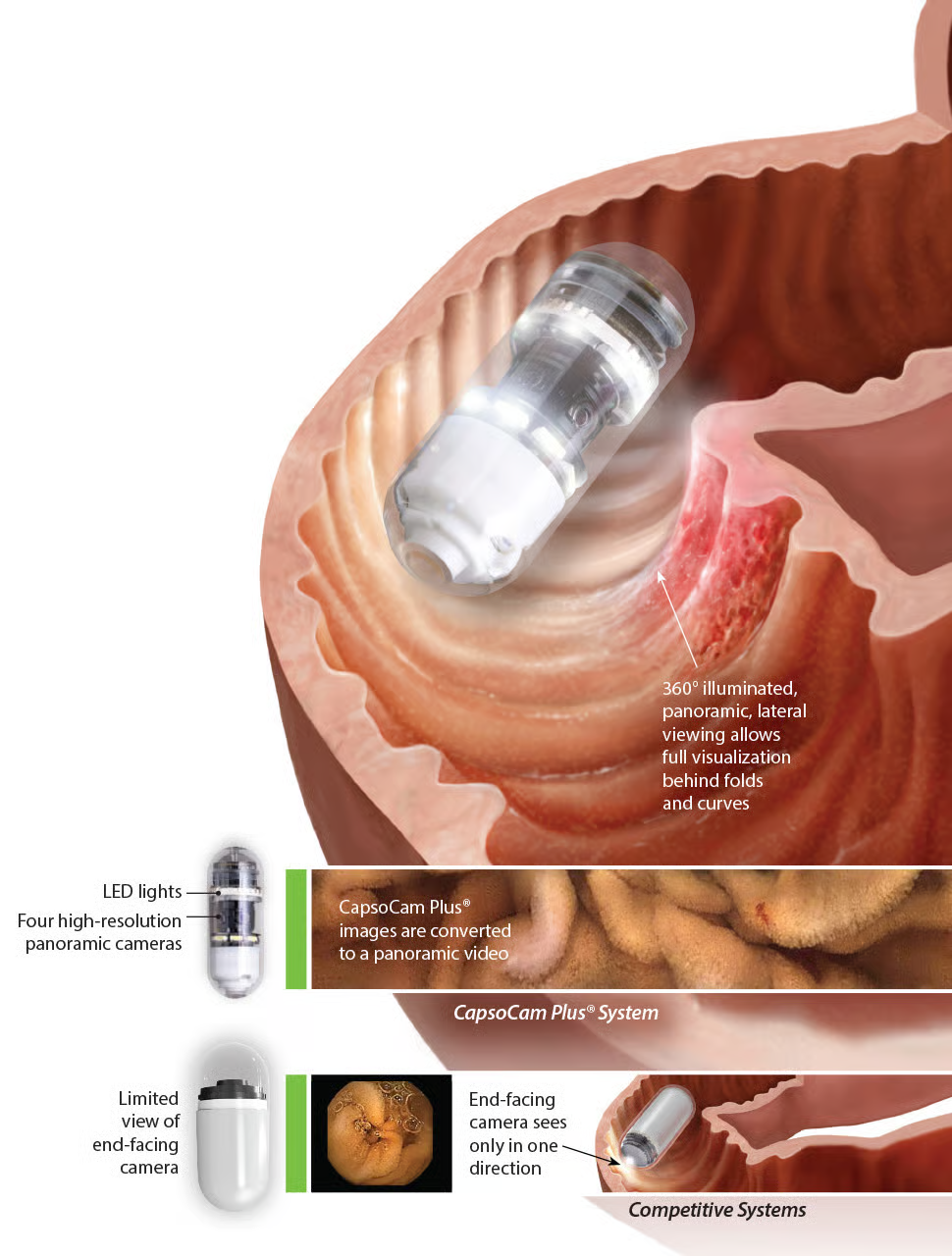
CapsoVision received FDA 510(k) clearance for AI Highlights, an artificial intelligence reading software module for its CapsoCam Plus capsule endoscopy system. CapsoCam Plus is distinct in the market as a wire-free, 360-degree panoramic lateral-viewing capsule that stores high-resolution images in onboard flash memory rather than transmitting low-bandwidth radio-frequency signals to bulky sensor belts.
The AI Highlights algorithm analyzes video frames captured during gastrointestinal transit to flag suspected bleeding lesions, angioectasias, and ulcers in adult and pediatric patients aged 2 and older. The module integrates directly into CapsoView workstations and CapsoCloud, enabling secure remote asynchronous review without third-party software installation or secondary image export.
The obvious read versus the deeper signal
The immediate commentary frames this as an efficiency upgrade that saves doctors time on capsule readings. True, but it misses the structural evolution.
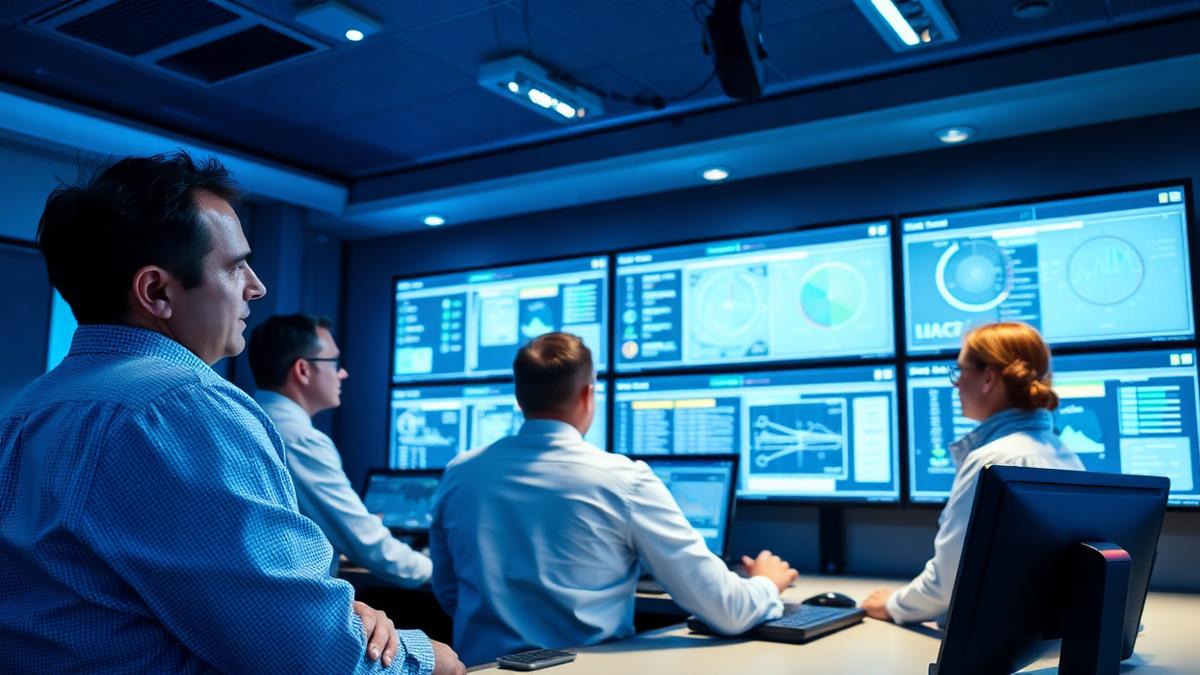
The deeper signal is that capsule endoscopy is evolving from an in-clinic diagnostic into a decentralized, cloud-native asynchronous specialty service. By combining wire-free capsules that patients can swallow at home with cloud-based AI pre-screening, CapsoVision is enabling centralized reading hubs and tele-GI networks to scale diagnostic coverage across rural and underserved hospital networks.