
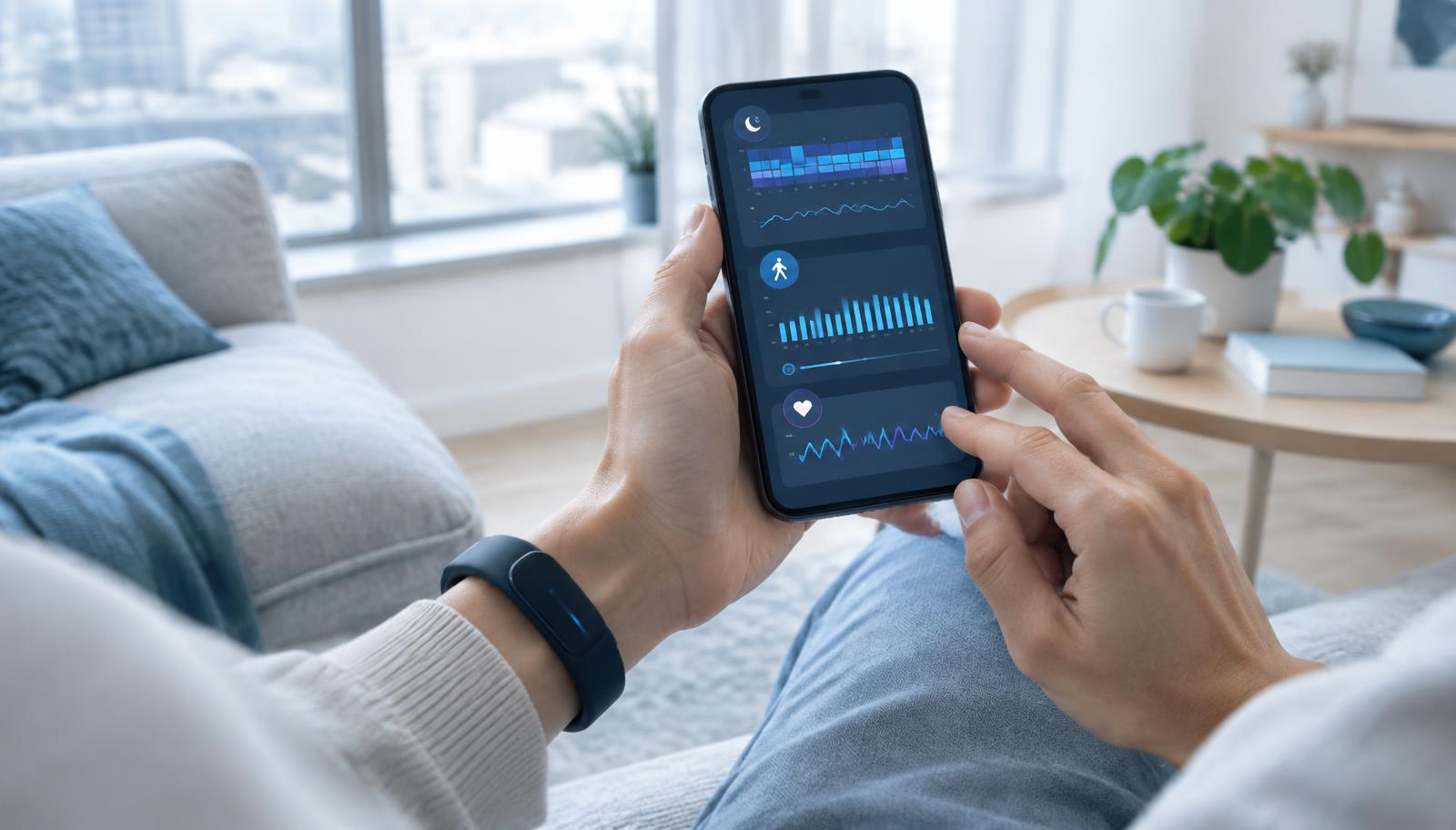
Health technology companies love longitudinal data. Investors love it too. Years of sleep, activity, workouts, nutrition, weight, heart rate, recovery, and other health information can create an extraordinary picture of a person over time, and it can also create a powerful business moat. I understand why. I’m building a health technology company myself. But there is a line we should be careful not to cross: a company can create value from your health history without owning your relationship to that history.
If someone spends five years using a wearable, logging workouts, tracking meals, measuring their weight, and building a detailed picture of their health, switching products should not mean abandoning five years of themselves. The app should be replaceable, the wearable should be replaceable, and the AI should be replaceable. The person should not be.
Exporting data is not the same as making it portable
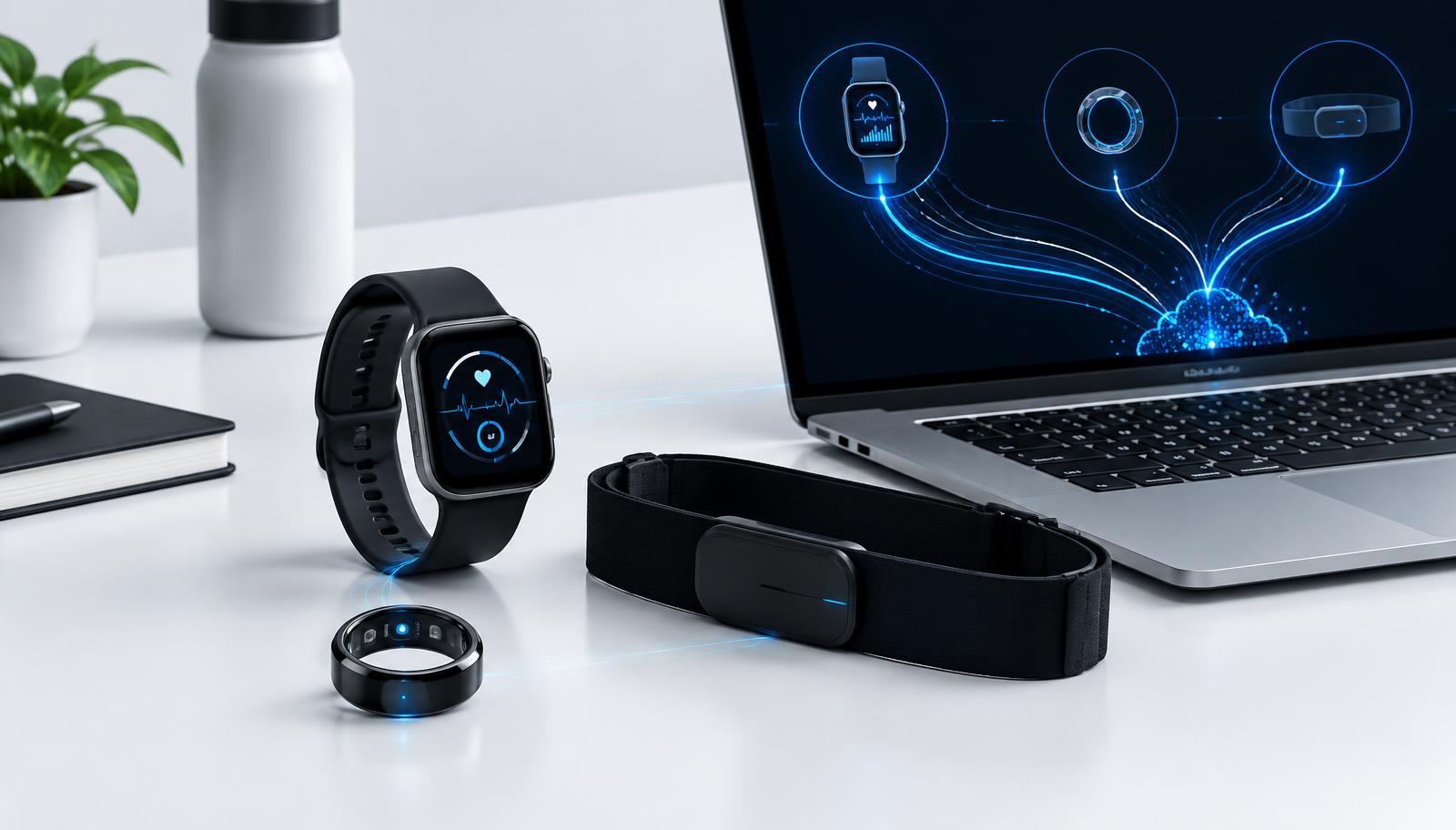
At Wellness Project, we work with data coming from more than a dozen health, fitness, and wearable ecosystems. Building those integrations has made me appreciate how far we still are from genuine portability. Different platforms describe the same concepts differently. Historical depth varies. Workout structures vary. Sleep data varies. The same measurement can arrive from several sources with different timestamps, precision, units, and provenance. Sometimes an API gives you a rich history. Sometimes a consumer technically has access to their information but getting it into another useful system is far more difficult than it should be.
A giant CSV file is better than nothing, but it is not the end goal. Real portability means another service can understand what the data represents. It should know where a measurement came from, when it was recorded, whether it was directly measured or estimated, and enough about its structure to use it responsibly. It should also be possible to distinguish between two sources that disagree without silently deciding one of them must be right.
Regulators have already recognized parts of this principle. Data portability rights in Europe and the UK, for example, contemplate giving people their personal information in commonly used, machine-readable formats and, in appropriate circumstances, moving it between services. California gives consumers significant rights to know and delete personal information as well. But health technology should not need to wait for regulators to establish the minimum acceptable behavior. If we believe people should control their own health information, then access, export, and deletion should be product principles, not compliance chores.
AI makes portability much more important
A few years ago, losing access to your old health data mostly meant losing charts. AI changes the stakes because your longitudinal health history is becoming context. An AI that can see how you normally sleep, how your activity has changed, what your training looks like, how your weight has moved, and what your long-term vital signs look like can potentially provide a very different experience from an assistant that starts from zero every time you ask a question.
That makes access to the underlying data more important, not less. If an AI can use your health information, you should be able to understand what information it has access to. You should be able to download it, move it to another system, revoke access, and delete it if you no longer want a company holding it. The same principle should apply when someone wants to use a different AI assistant. There is no good reason a person who prefers ChatGPT, Claude, Gemini, or whatever comes next should have to rebuild years of health context inside each new ecosystem. The durable identity in consumer health should be the person, not the application.
Data captivity is the wrong moat
None of this means health technology companies should not build defensible businesses. They should. A company should win because it interprets information better, creates a better experience, earns more trust, produces more useful insights, or helps people make better decisions. A wearable company should win because people love its hardware and software. An AI health company should win because its intelligence is useful. It should not win because leaving means losing yourself.
In health technology, switching costs should come from loving the product, not from being afraid to lose your history. This is also why transparency matters. Consumers are increasingly being asked to trust AI systems with some of the most personal information they have, and they deserve more than a privacy policy nobody reads.
At Wellness Project, we have tried to build around these principles. Users can access their health information, export it, and delete their account and data. We are building ways for people to use their health context through the AI tools they choose rather than requiring all intelligence to live inside our own application. We also recently joined the Coalition for Health AI’s public registry, which uses standardized documentation to make health AI systems more transparent about their intended use, risks, privacy, security, and other responsible-AI practices.
I mention that not because our implementation should be the standard, but because companies can choose to make portability and transparency part of the product rather than something they reluctantly add after regulation forces them to. There will be enormous businesses built around personal health data over the next decade, and there should be. Helping people understand their bodies and live healthier lives is valuable work.
But the value a company creates from someone’s health history should not turn that history into company property. People should be able to choose their wearable, nutrition app, fitness platform, doctor, and AI, then download their history, move it somewhere else, or delete it entirely. The companies can compete for the relationship, but the history should belong to the person.