The waiting room of a metropolitan hospital outpatient laboratory at seven in the morning is a study in operational friction. Thirty patients sit in rows, many of them fasting and anxious. In the back, two phlebotomists manage five draw bays. One phlebotomist is currently on their third attempt to find a vein in an oncology patient whose peripheral vasculature has been compromised by multiple rounds of chemotherapy. The queue outside grows longer, the laboratory technicians wait for specimens to calibrate their morning runs, and the cost of delayed care begins to compound.
This scenario illustrates the vulnerability of modern healthcare delivery: its dependence on manual, highly skilled, repetitive physical procedures. The clearance of the Aletta autonomous robotic phlebotomy system by the Food and Drug Administration (FDA) represents a structural shift in how clinical organizations address this operational bottleneck. By automating the pre-analytical phase of diagnostic testing, this technology introduces a level of standardization and reliability that has previously been absent from bedside clinical care.
The Technical Architecture of Autonomous Venipuncture
The Aletta system operates through a combination of advanced imaging modalities, robotics, and real-time computational analysis. To understand how the device safely inserts a needle into a human vein, one must look at the integration of its primary subsystems.
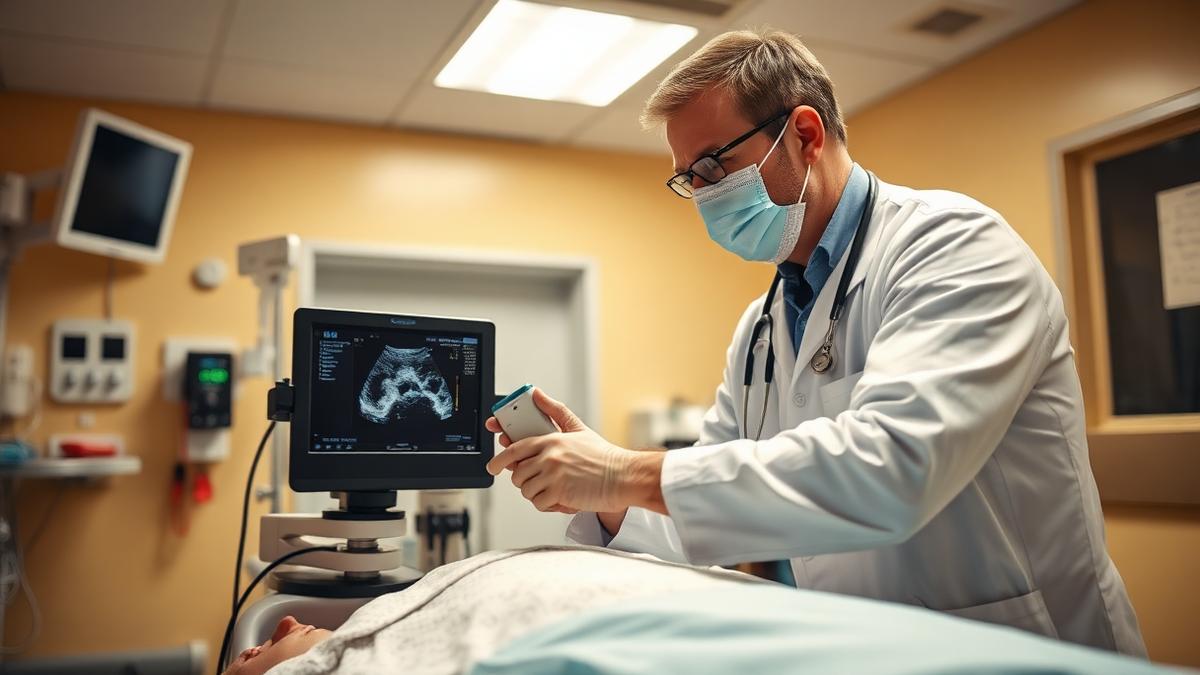
First, the device utilizes near-infrared imaging, which is an optical technique that uses light wavelengths between 700 and 900 nanometers to illuminate subcutaneous veins by detecting the light-absorbing properties of deoxygenated hemoglobin. This system provides a two-dimensional map of the superficial venous structure. However, depth perception and vessel diameter cannot be determined by surface light alone. To solve this, the Aletta system integrates ultrasound guidance, a method of using high-frequency sound waves to visualize deep tissue structures in real time. By combining these two modalities, the system constructs a precise three-dimensional model of the patient's antecubital fossa, mapping the exact depth, diameter, and trajectory of the target vein.
Second, the robotic arm itself uses a highly sensitive force-feedback mechanism. Haptic feedback is the technology of using tactile sensations and resistance measurements to allow a robotic system to perceive changes in tissue density. As the needle passes through the epidermis, the subcutaneous tissue, and finally the venous wall, the resistance changes. The Aletta system detects these micro-changes in resistance, allowing it to halt the forward progress of the needle the exact millisecond it enters the lumen of the vein. This prevents the common human error of transfixing the vein, which occurs when a needle passes completely through both sides of the blood vessel.
Clinical Efficacy and the Difficult Venous Access Challenge
For clinicians, the primary metric of interest for any phlebotomy technology is the first-stick success rate. In clinical studies submitted for regulatory evaluation, the Aletta system demonstrated a first-stick success rate of over 93 percent across a diverse patient cohort.
This figure is particularly significant when applied to patients classified as having difficult venous access. Patients with obesity, diabetes, history of intravenous drug use, or those undergoing active chemotherapy often require multiple attempts to secure a successful blood draw. In standard clinical environments, the human first-stick success rate in these populations can fall below 60 percent. When a draw fails, it does not merely cause patient discomfort. It damages the venous endothelium, making subsequent attempts even more difficult. It also increases the risk of hematoma formation and infection.
By using continuous ultrasound guidance, the Aletta system selects the optimal vessel based on objective metrics rather than tactile intuition. The robotic needle insertion path is calculated and executed with a precision of under one millimeter. This level of accuracy minimizes lateral movement of the needle tip within the arm, reducing the trauma to the vascular wall and the surrounding nerve pathways.
Operational and Economic Integration in Outpatient Labs
For health system administrators and lab operators, the justification for adopting robotic phlebotomy is deeply financial and operational. The healthcare industry is experiencing a severe shortage of skilled laboratory personnel. Phlebotomy is an entry-level clinical position with high physical demands, leading to annual turnover rates that frequently exceed 25 percent in large urban health systems. The constant cycle of recruiting, hiring, and training new phlebotomists creates a substantial administrative and financial burden.
An autonomous phlebotomy kiosk can operate continuously without fatigue, variance in performance, or the need for rest breaks. A single clinical assistant can oversee three or four Aletta stations simultaneously. The assistant’s role shifts from performing the physical venipuncture to preparing the patient, scanning the laboratory order, and managing the post-draw bandaging. This model increases the throughput of a standard draw bay by up to 40 percent.
Furthermore, the system directly addresses the problem of specimen quality. Hemolysis is the premature destruction of red blood cells, which releases intracellular components into the serum and invalidates common lab tests such as potassium and lactate dehydrogenase. Hemolysis is frequently caused by excessive suction, incorrect needle gauge selection, or turbulent blood flow during manual collection. Because the Aletta system controls the angle, depth, and vacuum pressure of the draw with mathematical consistency, the incidence of hemolyzed specimens is reduced. This reduces the need for patient recalls and repeat testing, which are major sources of operational waste in hospital systems.
The Regulatory Path and Safety Framework
The FDA clearance of the Aletta system was achieved through the 510(k) pathway, which required demonstrating substantial equivalence to existing manual devices while proving that the autonomous steps do not introduce new safety risks. The regulatory review focused heavily on the system's fail-safe protocols.
The device incorporates multiple redundant safety mechanisms. A quick-release magnetic collar connects the needle assembly to the robotic arm. If a patient makes a sudden, involuntary movement during the draw, the magnetic connection immediately detaches, allowing the needle to remain stationary in the arm rather than being dragged by the moving robot. Additionally, the software features an instantaneous emergency stop that can be triggered by either the patient or the supervising technician.
The system also addresses infection control. The robotic arm is housed behind a protective barrier, and all surfaces that come into direct contact with the patient's skin are single-use or sterile disposables. The automatic needle loading and unloading mechanism ensures that the operator never has to handle an exposed, contaminated needle, virtually eliminating the risk of accidental needle-stick injuries to clinical staff.
Key Signals
The clearance of the Aletta system establishes a regulatory precedent that autonomous robotic systems can safely perform invasive, tissue-penetrating procedures on conscious patients without direct physician supervision.
Health systems should view this technology not as an immediate replacement for human clinicians, but as a critical tool to stabilize labor costs and maintain diagnostic throughput in the face of persistent staffing shortages.
As clinical adoption scales, the reduction in pre-analytical errors such as hemolyzed samples will deliver quiet but substantial compounding savings to clinical laboratories by reducing patient recalls and instrument downtime.