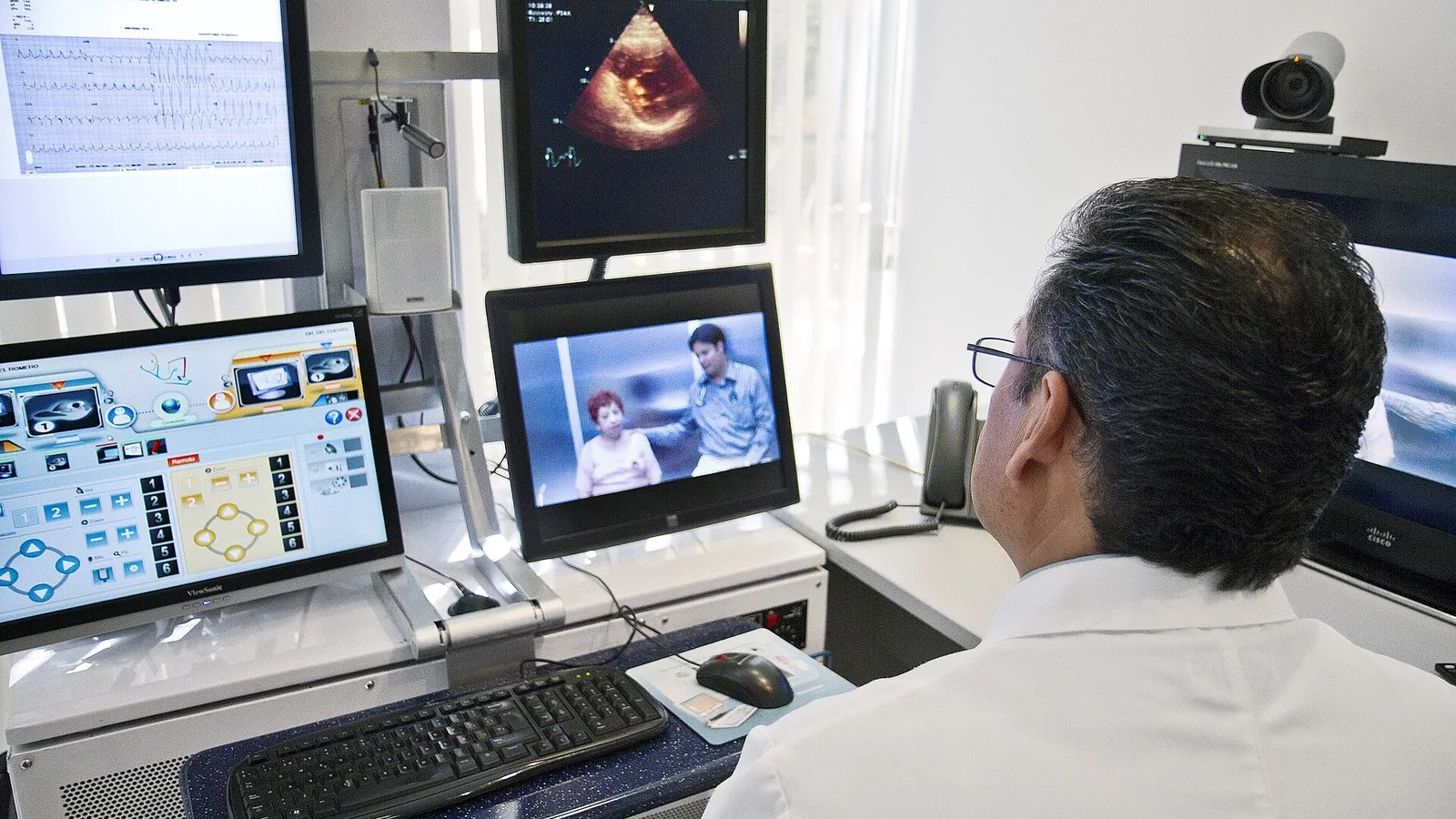

Clinical trial recruitment often begins inside ordinary care: a consultation, a test result or a patient record that suggests someone might qualify. Oracle and AstraZeneca want to make that connection easier. Their October 20 collaboration brings research and clinical workflows into the same conversation.
The first planned programme, with M42 in Abu Dhabi, focuses on hypertension care and research. It gives the partnership a specific place to start. The task now is to turn a broad agreement into a service that clinical teams can use and evaluate.
In This Deep Dive
- Why this matters now
- What actually happened
- The obvious read versus the deeper signal
- Taxonomy: What the agreement does and does not establish
- The operating framework: Build around a real patient journey
- Capital flows, incentives, and bottom-up economics
- The HealthTech Investor’s Signal: Look beyond the partner names
- The counter-thesis: Local complexity can slow a global ambition
- Forward Intelligence: Four developments to watch
- The Bottom Line for Research and Health System Leaders
Why this matters now
A list of potentially eligible patients is useful only if a research team can verify it and help suitable people reach a study. Recruitment therefore involves much more than searching records. The quality of the handoff matters as much as the initial match.
That is the strategic interest in connecting research with care. A programme built around an existing clinical team could make it easier to investigate eligibility while keeping care responsibilities clear. Whether this collaboration delivers that improvement will depend on the design and results of its first projects.
What actually happened
Oracle and AstraZeneca announced the collaboration on October 20 under a non-binding agreement. Financial terms were not disclosed. The planned first programme with M42 will focus on hypertension in Abu Dhabi; the companies describe broader ambitions across disease areas and regions.
AstraZeneca says it will not receive patient-identifiable information. Each proposed project must be reviewed separately and have appropriate safeguards before it proceeds. The announcement sets out an intended direction; it does not report a completed deployment or measured clinical benefit.

The obvious read versus the deeper signal
The obvious story is the combination of a pharmaceutical company’s expertise with a technology company’s data and AI capabilities. The harder work is deciding how those capabilities fit a consultation, a care team’s responsibilities and a research coordinator’s day.
Consider a potential trial match. Before contacting the patient, someone may need to confirm a diagnosis, check a recent result or resolve missing information. A useful system should make those checks easier and show why the patient was identified. Otherwise, it risks moving the workload into a new list that staff still have to reconcile.