In pediatric cardiothoracic surgical suites, caring for a toddler born with congenital pulmonary valve dysfunction has historically represented an inescapable surgical pact. When a child undergoes surgical valve replacement at age two or three, the implanted prosthetic valve possesses fixed physical dimensions. As the child's somatic growth accelerates, that valve becomes an anatomical bottleneck, sometimes requiring further interventions as the child grows.
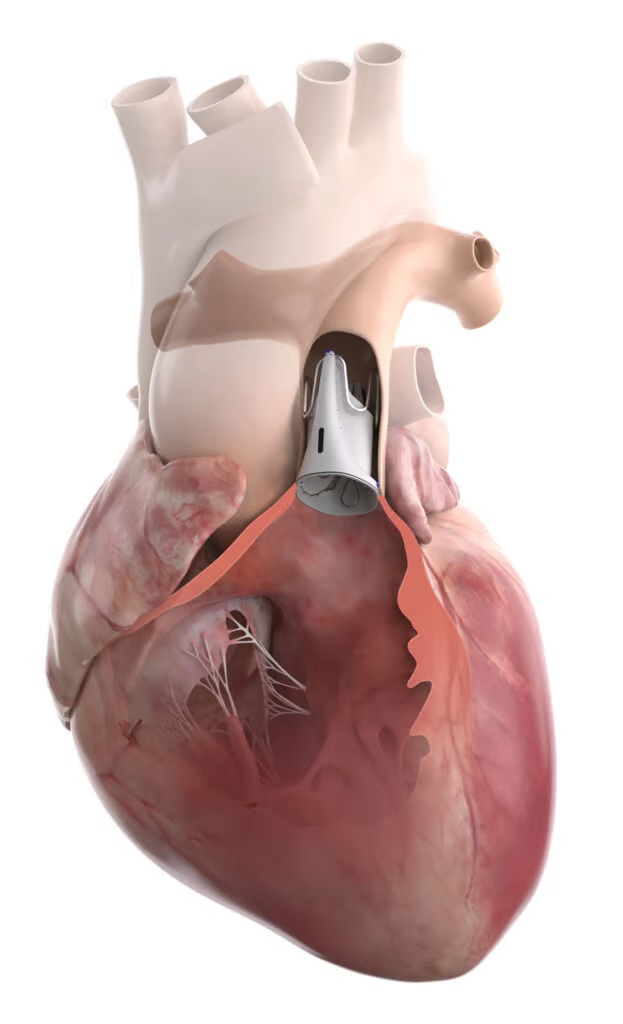
That rigid mechanical constraint was rewritten on October 1, 2026, when the US Food and Drug Administration granted premarket approval (PMA) to Edwards Lifesciences for the AUTUS Size-Adjustable Valve. The surgically placed valve is designed to be enlarged later by a transcatheter procedure. Edwards says this may reduce repeat open-heart surgeries, rather than eliminate them for every child.
In this deep dive
- Why this matters now: The clinical and psychological toll of pediatric re-sternotomy
- What actually happened: Deconstructing the pivotal 62-patient PMA clinical trial
- The obvious read versus the deeper signal
- The Evidence Ladder: From polymeric polymer chemistry to outpatient balloon dilatation
- Pediatric valve replacement taxonomy: Comparing homografts, bioprosthetics, and AUTUS
- System economics: Lifetime procedural cost savings versus initial implant pricing
- The HealthTech Investor's Signal: Capital allocation in pediatric and specialized structural heart
- The Counter-Thesis: Long-term polymeric leaflet fatigue and operator dilation learning curves
- Forward Intelligence: Four observable test milestones
- The Bottom Line for Health System Leaders and Medical Device Strategists
Why This Matters Now: The Pediatric Surgical Replacement Crisis
Congenital heart defects affect nearly 1% of live births globally, with right ventricular outflow tract (RVOT) and pulmonary valve anomalies representing a substantial share of severe cases (such as Tetralogy of Fallot and pulmonary atresia). While surgical repair in infancy saves lives, subsequent pulmonary regurgitation or stenosis inevitably demands valve replacement. In young pediatric patients, conventional biological valves (bovine or porcine tissue) deteriorate rapidly due to hyperactive calcium metabolism, while mechanical valves require lifelong systemic anticoagulation that carries high bleeding risks in active children.
The resulting clinical strategy has been fraught with compromise: delaying replacement risks irreversible right ventricular dilation and arrhythmia, yet early intervention sentences the child to multiple major sternotomies. The AUTUS valve is designed to address this mismatch by accommodating growth.
What Actually Happened: Clinical Trial Evidence (NCT05006404)
The approval was supported by a prospective pediatric clinical program. The submission includes early safety and device-function data, while longer follow-up remains important. The briefing reports these early observations:
- Procedural Safety: No reported device- or procedure-related deaths in the early follow-up described in the briefing; this alone is not the full composite safety endpoint.
- Reintervention Freedom: No reported surgical reinterventions in the early follow-up described in the briefing; longer-term outcomes remain unknown.
- Growth-Accommodation Validation: Transcatheter balloon expansion is intended to preserve valve function as the child grows; longer-term post-expansion outcomes require follow-up.
- Biomaterial Durability: Resistance to fatigue is a design goal, not proof of lifelong freedom from calcification.
The Obvious Read Versus the Deeper Signal
The surface interpretation is that Edwards acquired a specialized pediatric valve to round out its humanitarian device portfolio. The deeper signal is that growth-accommodating architecture and synthetic polymeric biomaterials represent the future frontier of all structural heart interventions. Pediatric applications represent the most demanding biomechanical test environment in medicine; showing durable valve function through childhood would support further investigation of growth-accommodating materials; use in adult aortic or mitral devices remains speculative.

🔒 HEALTHTECH SIGNAL PLUS · EXCLUSIVE SUBSCRIBER INTELLIGENCE