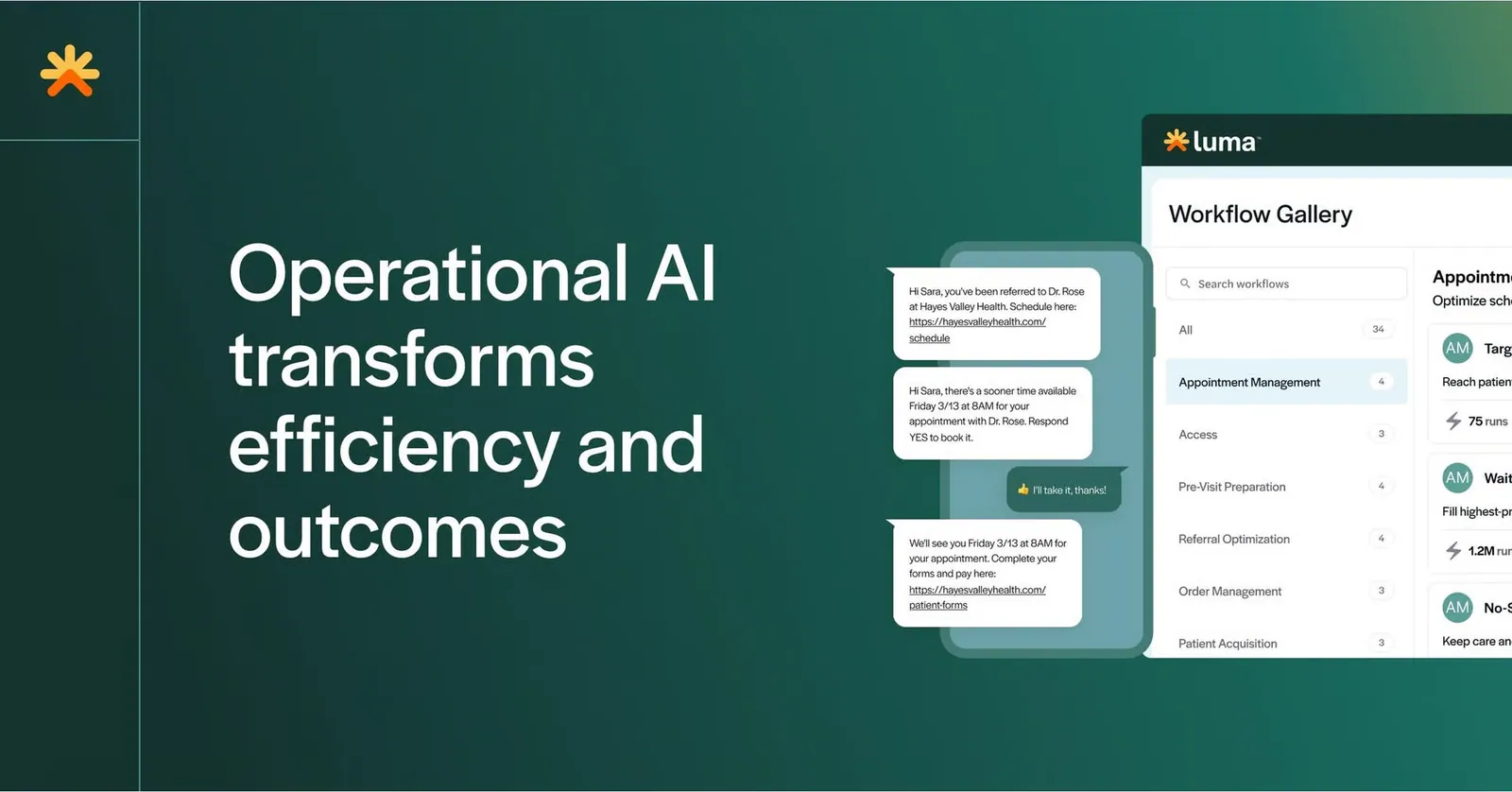
It is 7:40 on a Monday morning and the patient access center at a large health system already has a queue. A man wants to move his follow-up. A woman needs a refill before she runs out on Wednesday. Someone is locked out of the portal for the third time. Each caller waits on hold, gets transferred at least once, and repeats their date of birth to every person they reach. None of these requests needs a clinician, but each one takes a trained staff member several minutes, most of it spent clicking between the EHR, the scheduling system and the pharmacy screen.
On November 17, AWS put agents on that line. In this deep dive we look at what 
Most hospital calls are not clinical. They are paperwork with a voice, and that is exactly the work these agents are built to finish.
In This Deep Dive
- Why this matters now
- What actually happened
- The obvious read versus the deeper signal
- Category map and taxonomy
- Evidence Ladder
- The rules in the U.S., UK and EU
- Capital flows and bottom-up economics
- The HealthTech Investor's Signal
- Counter-thesis
- Forward Intelligence
- The Bottom Line for Patient Access Leaders, Health System CIOs and HealthTech Investors
Why this matters now
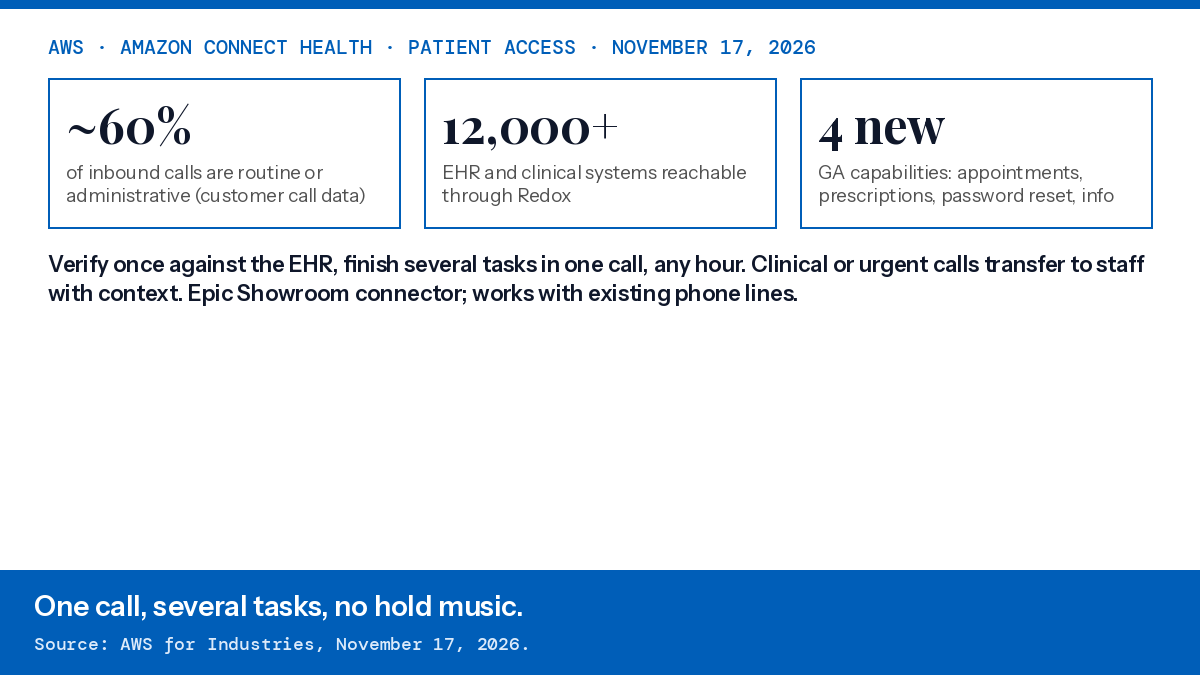
Patient access is where the cost of fragmentation shows up first. AWS says routine and administrative requests account for around 60% of inbound calls, based on customer call data, and that skilled staff can spend up to 80% of call time compiling information across systems. Those figures come from AWS rather than an independent study, but anyone who has run a call center will recognize the shape. Staffing these centers is hard, turnover is high, and the work is only available during business hours.
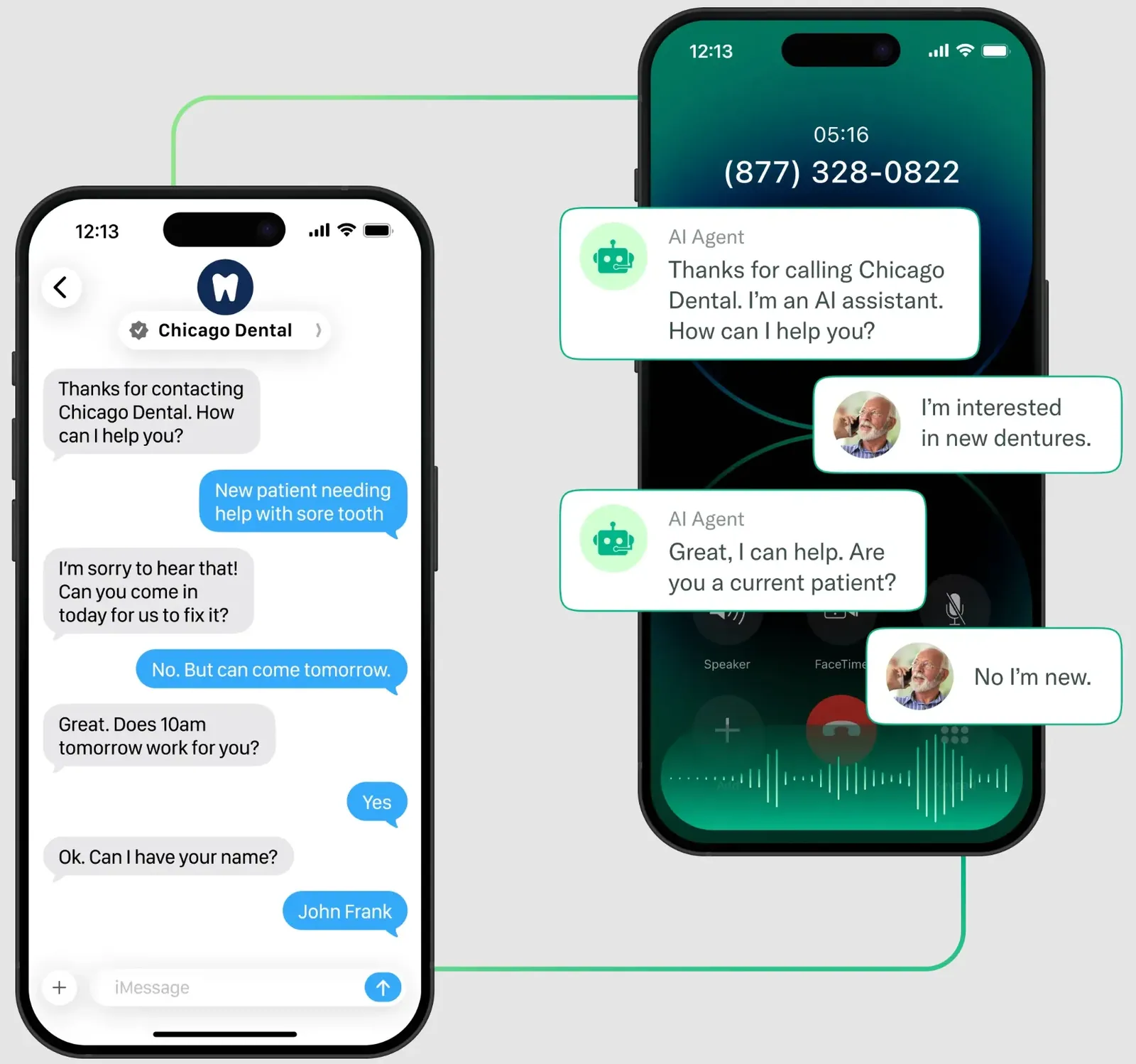
The second reason is that the technology has crossed a threshold. Older interactive voice response systems forced patients through menus and could rarely complete a task end to end. The new agents hold a conversation, move between tasks, accept interruptions and write back to the EHR. AWS says patients can now verify once and then book, refill and reset in a single call, and that the system remembers unfinished tasks for the next one.
Third, the competition is intensifying. The same week, Suki introduced an agentic operating system with a prior authorization agent, and consumer company August AI launched a beta that calls doctors' offices on the patient's behalf. Patient-side agents calling provider-side agents is no longer a thought experiment, and health systems will need to decide which side of that conversation they control.
Certainty: (A) AWS figures as published by AWS, not independently verified; (A) Suki and August AI launches from their own releases; (B) market interpretation is ours.
What actually happened
- Generally available now: Appointment management (moved from preview to general availability), with natural-language scheduling, real-time insurance verification and EHR integration that follows the health system's scheduling decision trees; prescription management for renewals, refills, status checks and pickup or delivery choices; password reset by identity verification and an email or SMS link; and information assistance grounded in the organization's own content and FAQs.
- How a call works: An orchestrator understands the request, moves between tasks in one conversation and transfers to staff when needed. AWS says the agents adapt to interruptions such as "no, Thursday," tell the caller when they need a moment, and route clinical questions, time-sensitive calls, frustrated callers and requests for a person to staff with context attached.
- Integrations: An
Redox's network of more than 12,000 EHR and clinical source systems directly from
- Deployment: Works natively on
- The early partner: Temple Health, a Philadelphia academic health system with more than 1.5 million outpatient visits a year, went live with patient verification in June. Joseph Alfonsi, AVP of Patient Access, said the system has handled verification on thousands of calls each week and that Temple is rolling out prescription management, password resets and information assistance.
Patient calls
Verify once in EHR
Agent completes tasks
Escalate with context
Certainty: (A) all items from the AWS announcement of November 17, 2026.
The obvious read versus the deeper signal
The obvious read:
The deeper signal: The more important move is commercial. AWS is selling agents into health systems that already have AWS security reviews, an AWS BAA and AWS billing, and it now bundles Redox connectivity into that same relationship. For many CIOs the hardest part of buying a new AI vendor is not the model but the procurement, security review and integration. By removing those steps, AWS competes less with other voice AI startups on quality and more on how quickly a hospital can say yes. The Epic Showroom connector also matters: it makes
Certainty: (B) our interpretation; AWS has not disclosed pricing or customer counts.
Historical playbook
Contact center automation has a mixed record in healthcare. IVR systems reduced some staffing but created the phone-tree frustration patients now complain about, and early chatbots often deflected questions rather than resolving them. The lesson is that automation succeeds when it finishes tasks and fails when it only routes them. AWS's emphasis on writing back to the EHR and on resuming unfinished tasks is a direct answer to that history.
There is also a precedent in how cloud platforms win enterprise categories. The platforms that already hold the contract, the security approvals and the data tend to absorb adjacent tools, because the buyer's cost of adding one more service is low. Health systems saw this with productivity suites and analytics. Patient access may follow the same pattern if hospitals decide the convenience outweighs the risk of deeper dependence on one cloud provider.